










Azerbaijani gas, geopolitics, and the EU Foreign experts speak to Caliber.Az
The 12th Ministerial Meeting of the Southern Gas Corridor Advisory Council and the 4th Ministerial Meeting of the Green Energy Advisory Council, held in Baku, attracted the attention of the international community due to the relevance of the topics discussed, with Azerbaijani gas supplies to Europe taking a central place.
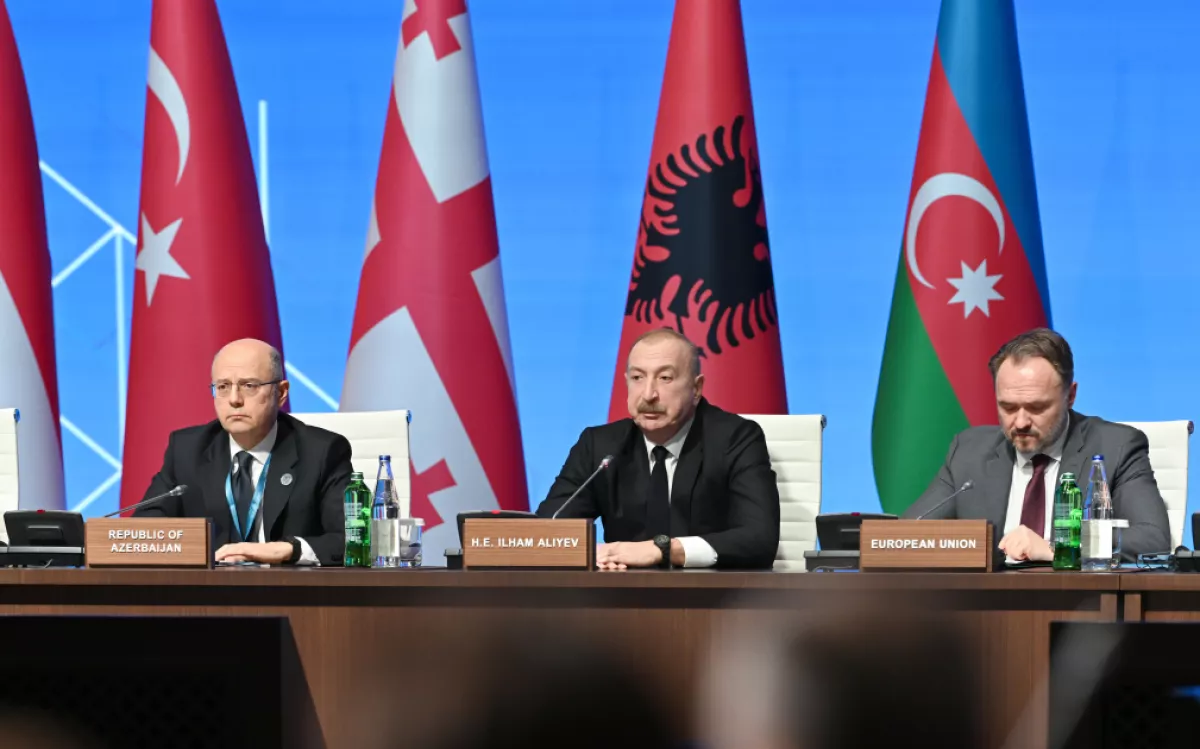
In particular, in his speech at the event, President Ilham Aliyev emphasised that Azerbaijan aims to expand its presence in the European energy market. "We want to increase our presence in the European energy market. We have already started to supply two more countries in Europe — Germany and Austria. Thus, today, 10 members of the EU receive gas from Azerbaijan. In the coming years, with respect to the new production of gas from Azerbaijani fields, we may increase the output," the head of state stressed.
The Azerbaijani leader also noted that the number of countries where Azerbaijani gas has reached consumers has now risen to 16, and by this indicator, Azerbaijan ranks first in the world in terms of the number of countries it supplies with pipeline gas.
But what do European political experts think about expanding energy cooperation with Azerbaijan? Experts from Germany shared their views on this matter with Caliber.Az.
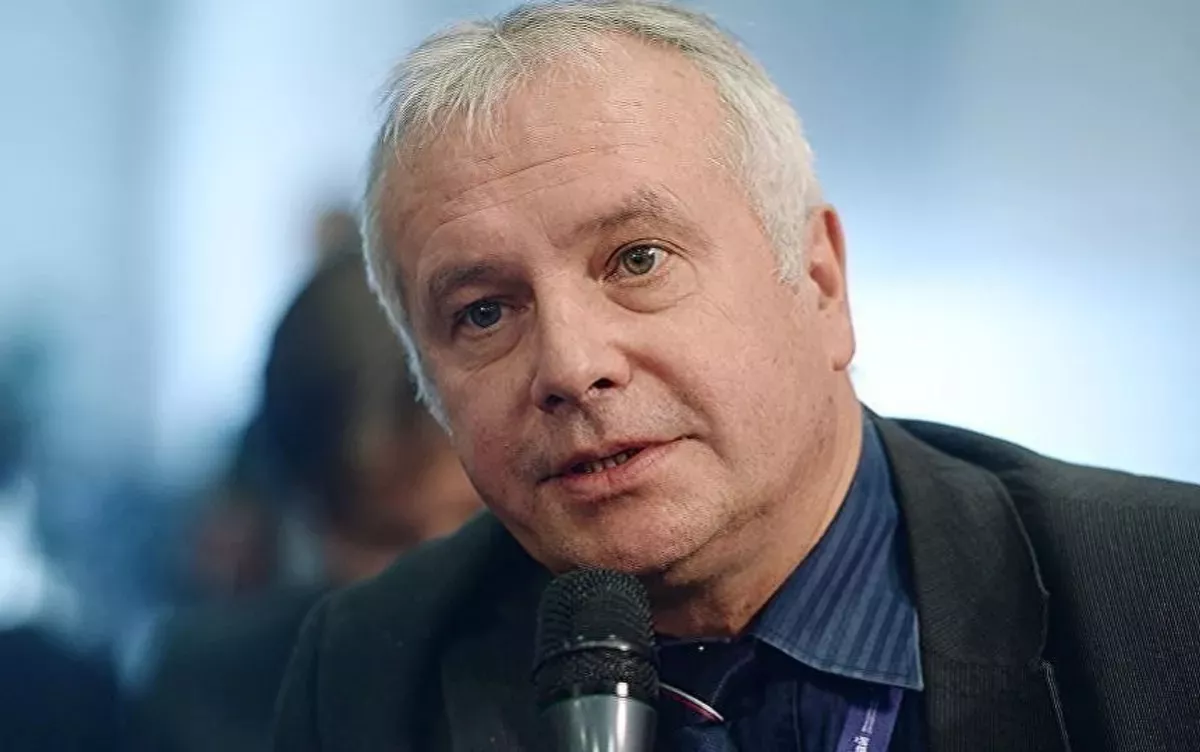
Political scientist Alexander Rahr, professor at the Institute for International Politics WeltTrends (Potsdam), noted that the European Union is now purchasing Azerbaijani gas in larger volumes than before, and this trend shows steady growth. However, in Germany, there is still no talk of large-scale strategic cooperation in this area or a full replacement of Russian gas.
"Nevertheless, we remember German President Steinmeier’s visits to Armenia and Azerbaijan last spring as part of the EU’s strategy to reduce Russia’s influence in the region. His proposals on this matter were very positive and aimed at encouraging the strengthening of Baku’s cooperation with the European Union," Rahr said.
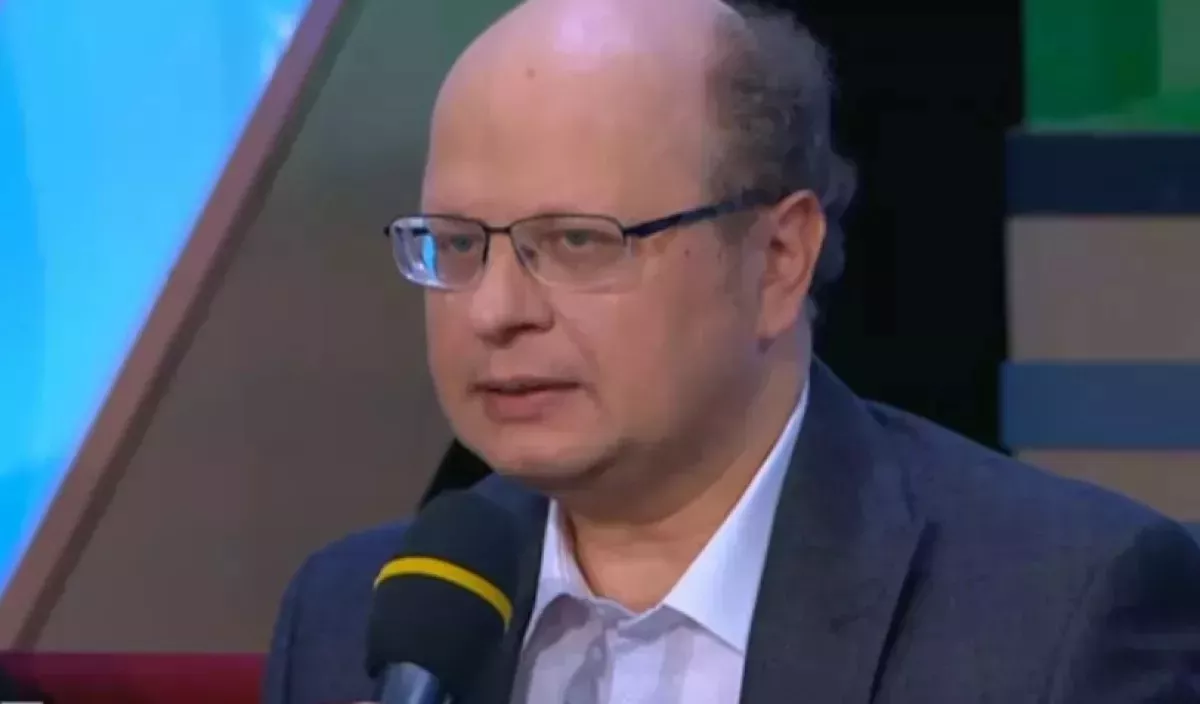
Meanwhile, German political scientist Yevgeny Kudryats believes that in Germany in particular, and in Europe as a whole, energy cooperation with Azerbaijan is viewed through the lens of the EU’s energy security concept, which is based on three main principles: diversification of supplies, infrastructure reliability, and price stability.
"From the EU’s perspective, Baku is a key partner in its efforts to reduce Europe’s dependence on Russian energy. Pipelines such as the Southern Gas Corridor allow Azerbaijani gas to be delivered to European countries while bypassing Russian territory. For Germany and several other states, this represents a strategic alternative, and for the EU as a whole, it offers an opportunity to strengthen energy autonomy and minimise the risk of monopolistic influence from a single supplier," the expert said.
He also noted that the Azerbaijani president’s statements are generally perceived in Europe in two key respects: “First, political stability of supplies. The EU closely monitors any statements regarding Baku’s priorities, potential changes in pricing policy, and the allocation of export volumes. European countries are particularly interested in predictability and long-term contracts. Second, the evaluation of Azerbaijan’s role as a regional player.”
In his view, the statement on the intention to strengthen cooperation with the EU and its partner countries was received positively.
"Thus, cooperation with Azerbaijan is seen as a tool for implementing the EU’s strategy of diversifying energy sources, but it is accompanied by careful monitoring of the economic situation. Any statements by the Azerbaijani leader at an energy conference are analysed as potential signals for adjustments to European energy policy," Kudryats concluded.







 editor@caliber.az
 +994 55 444-88-98
 Азербайджан, Баку, ул. Низами, 203, Af Business House, 5-й этаж