










Has the ship sailed? Russia and Armenia at odds over railways
Russia has made it clear that it has no intention of relinquishing its concession over Armenia’s railways. Moscow warned that attempts to revise the existing agreements could entail risks for Armenia itself. This, in essence, sums up the reaction of Russian Security Council Secretary Sergei Shoigu and Russian Foreign Ministry spokeswoman Maria Zakharova to the recent statements from Yerevan.
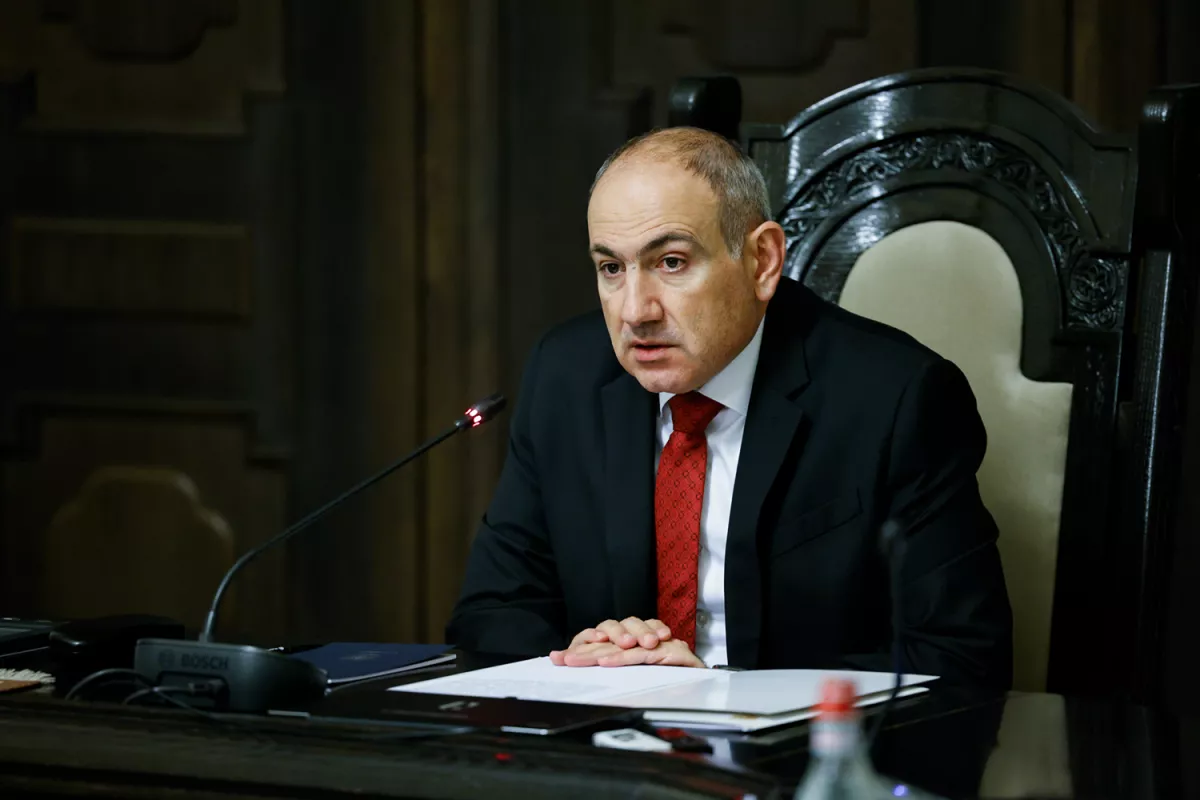
The Armenian prime minister stated that under the conditions of the Russian concession, Yerevan is “losing its competitive advantages.” He suggested that Moscow sell the right to manage the railways to a friendly country.
“In my view, the solution would be for a country that maintains friendly relations with both Armenia and Russia to simply purchase from Moscow the right to concessionary management… I don’t know, for example, Kazakhstan, the UAE, Qatar, or some other country that hasn’t come to mind right now,” he said.
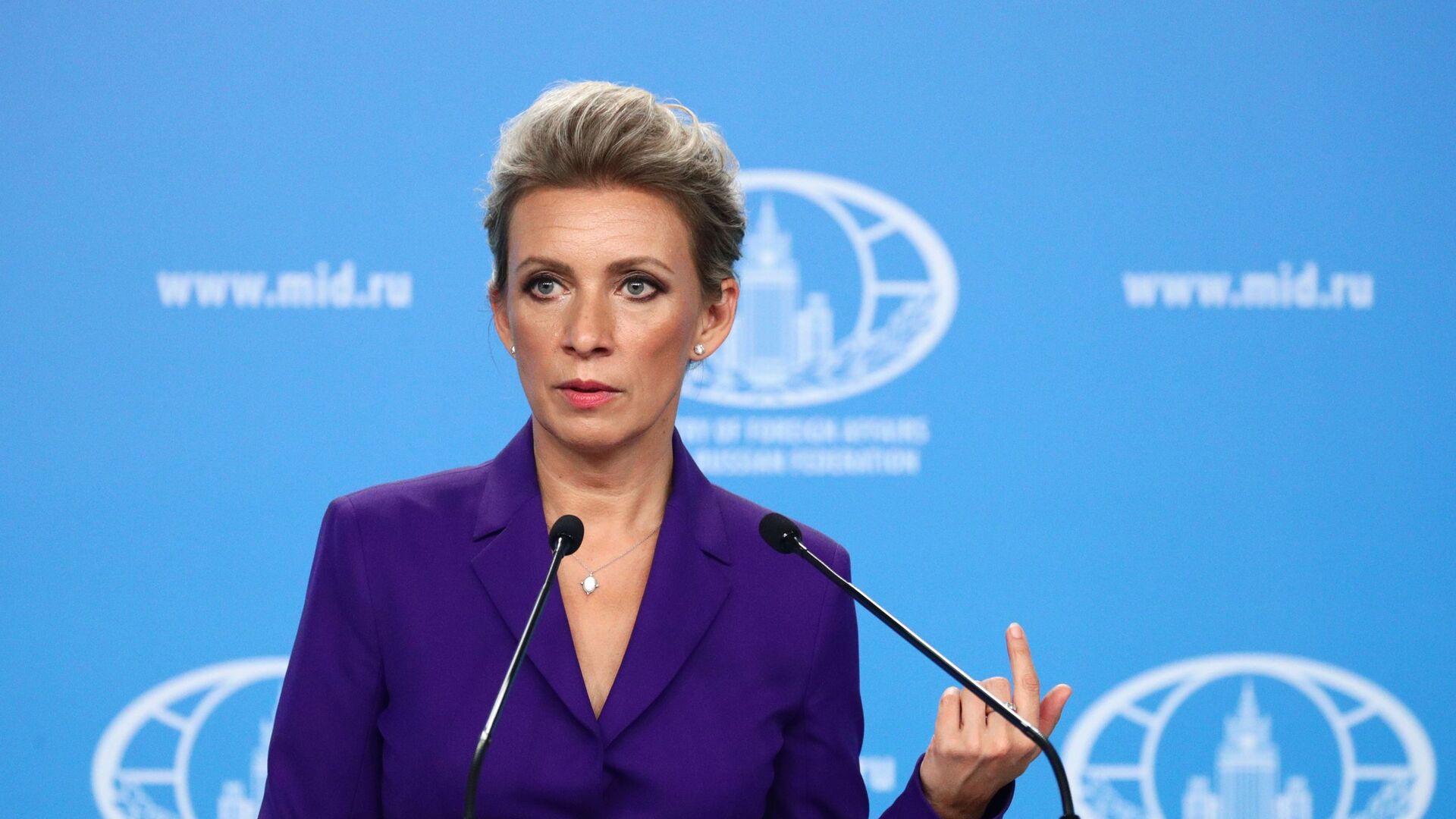
Moscow’s reaction appeared irritated. “These are strange statements; they are hardly acceptable. Russia consistently advocates for the unblocking of all regional transport and economic communications,” responded Maria Zakharova.
She noted that Russia’s stance on the restoration — at Yerevan’s request — of two railway segments intended to provide Armenia with access to Türkiye and Azerbaijan was clearly articulated on February 12, 2026, by Russian Deputy Prime Minister Alexei Overchuk.
“We will adhere to this position,” Zakharova stressed.
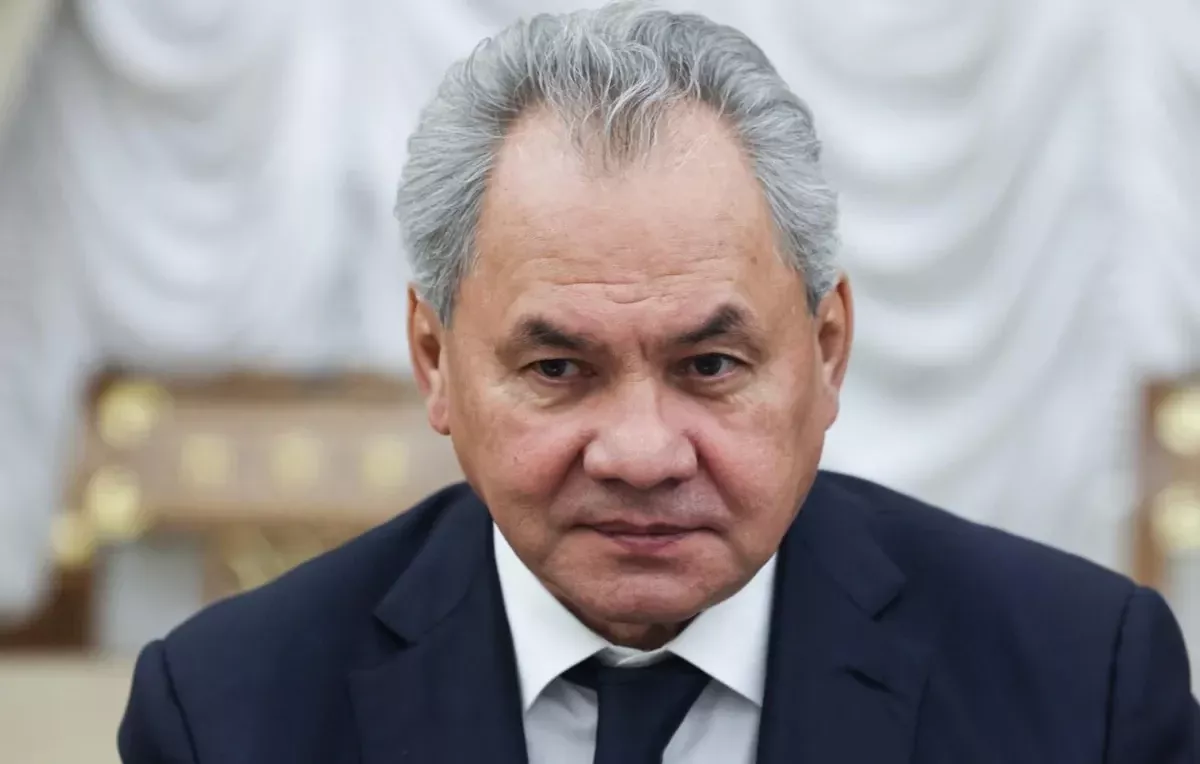
Russian Security Council Secretary Sergei Shoigu added that “it is unlikely that any other company will be able to fully replace the Russian railway carrier, which has been working effectively and successfully in Armenia for a long time under rather difficult conditions.”
“Could such—diplomatically speaking—ill-considered decisions not lead to similarly risky experiments, for which ordinary Armenian citizens will ultimately have to pay. The system built over nearly two decades could simply collapse within an hour. I hope that when making responsible decisions, Armenia’s leadership will proceed exclusively from the interests of its citizens,” the Russian Security Council Secretary noted.
What, then, lies at the heart of this conflict of interests, and why have negotiations between Russia and Armenia on unblocking communications effectively reached a deadlock?
Armenian and Russian political analysts helped Caliber.Az explore these questions.
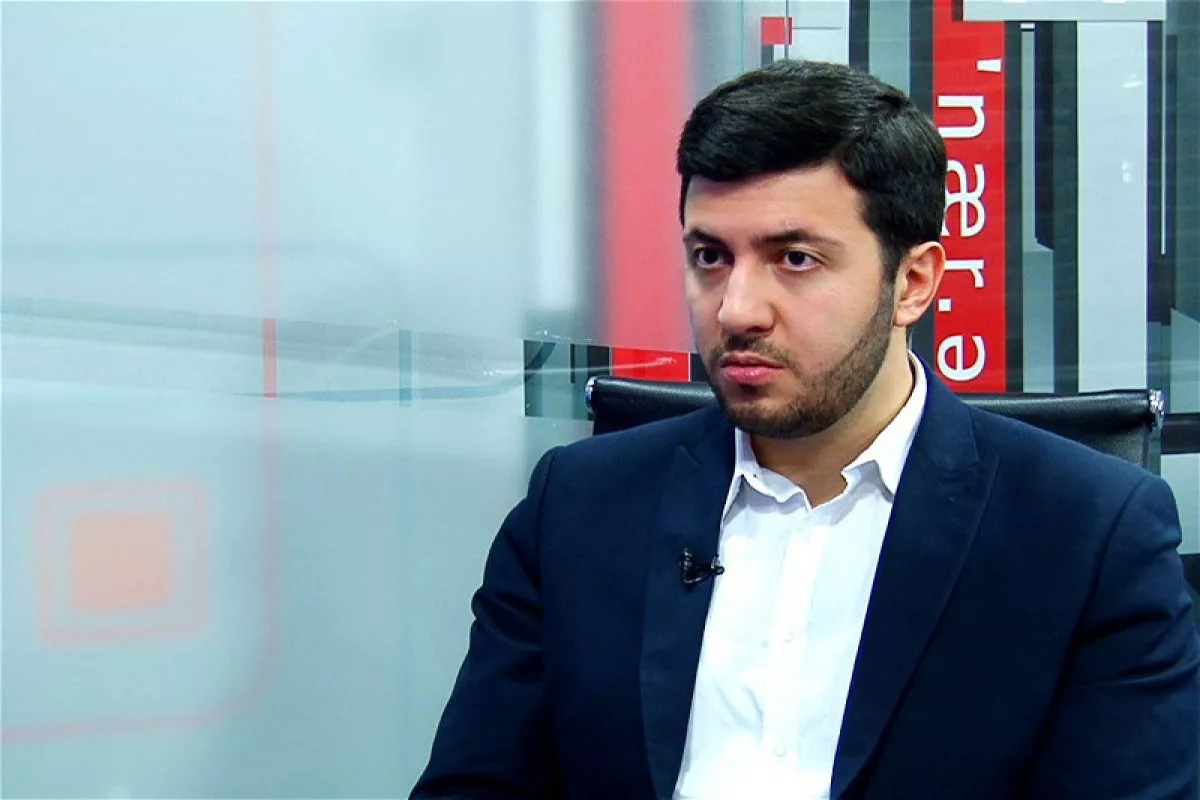
Armenian political analyst, head of the Armenian Council research center and member of the Bridge of Peace initiative, Areg Kochinyan, believes that the Russian concession for managing Armenia’s railways creates problems that are only worsening over time and can no longer be ignored.
“Within the Armenian government, there is a growing understanding that integrating the country into the process of unblocking regional communications, while maintaining the Russian concession over Armenian railways, is either impossible or associated with excessive difficulties — both in terms of investment and in ensuring the full connectivity of these routes,” the political analyst noted.
He also points to numerous complaints regarding the performance of the Russian managing operator — the South Caucasus Railway.
“There is a significant amount of investment that was originally stipulated in the agreement but has never been implemented, along with other issues. Therefore, the Armenian prime minister’s statement offers the Russian side an opportunity to save face, exit the situation advantageously, and prevent further escalation,” the expert emphasised.
However, according to him, Moscow’s reaction demonstrated a misunderstanding of the core issue.
“From both the remarks of the Russian Foreign Ministry spokeswoman and the Russian Security Council Secretary, it appears — in my view — that they failed to grasp a situation that is actually quite straightforward. The Foreign Ministry’s comments even included another rude remark. Perhaps, if something is unclear, it would be more constructive to engage in self-education rather than respond to the Armenian prime minister’s statements in such a manner. The problems are real, and the Armenian side has proposed yet another solution. If Russia rejects it, more radical measures may have to be considered,” the political analyst stated.
In his view, threats from the Russian Federation toward Armenia are not a new phenomenon.
“We’ve become accustomed to such statements. I believe the Russian side needs to understand that threats will no longer achieve anything in relation to Armenia: that ship has sailed, and the regional context has changed. Today, results can only be achieved through good-neighbourly relations and partnership, not through pressure.
The Armenian side has put forward a proposal. If it does not interest the Russian side, another, tougher proposal will be made. However, the issue of the railways must be resolved,” Kochinyan emphasised.

Russian political analyst Stanislav Pritchin, Candidate of Historical Sciences and senior researcher at the Center for Post-Soviet Studies of IMEMO RAS, believes that Pashinyan finds himself in a contradictory situation: the “Trump Route” will be built by the Americans, while the concession for managing the railways is held by the Russian side.
“Politically, this does not appear entirely consistent. There may also be additional considerations on the American side, based on the logic that if the U.S. is involved in building a railway in Armenia, Russian structures should not be present — in order to ultimately push Russia out of the South Caucasus from an infrastructure standpoint.
Under these circumstances, Pashinyan likely wishes to gradually and subtly remove Russia from railway management, nullify obligations to Moscow and the railway operator, and then continue development independently,” the political analyst stated.
From his perspective, regarding the interests of Armenia’s railway infrastructure, the American side is unlikely to make significant investments: their focus will be limited to routes with clear political and economic importance.
“Primarily, the ‘Trump Route’ will be developed. It will at least handle the transport of Azerbaijani cargo between Nakhchivan and the main territory of Azerbaijan. As for other transit routes, many questions remain unanswered, and no detailed assessments have been provided. Effectively, there will be no one to develop the unprofitable segments of Armenia’s railway network.
In this context, Pashinyan is acting more on political considerations than on pragmatic interests for his country. Meanwhile, Russia has no intention of acquiescing to him or renegotiating existing agreements,” Pritchin concluded.







 editor@caliber.az
 +994 55 444-88-98
 Азербайджан, Баку, ул. Низами, 203, Af Business House, 5-й этаж