










Strategy, not control: Why the US is re-focusing on Moldova Expert opinions on Caliber.Az
According to several media reports, Washington is reasserting its influence over Moldova. In recent weeks, Chisinau has already hosted a second American delegation — this time a group of Democratic senators arriving from Kyiv.
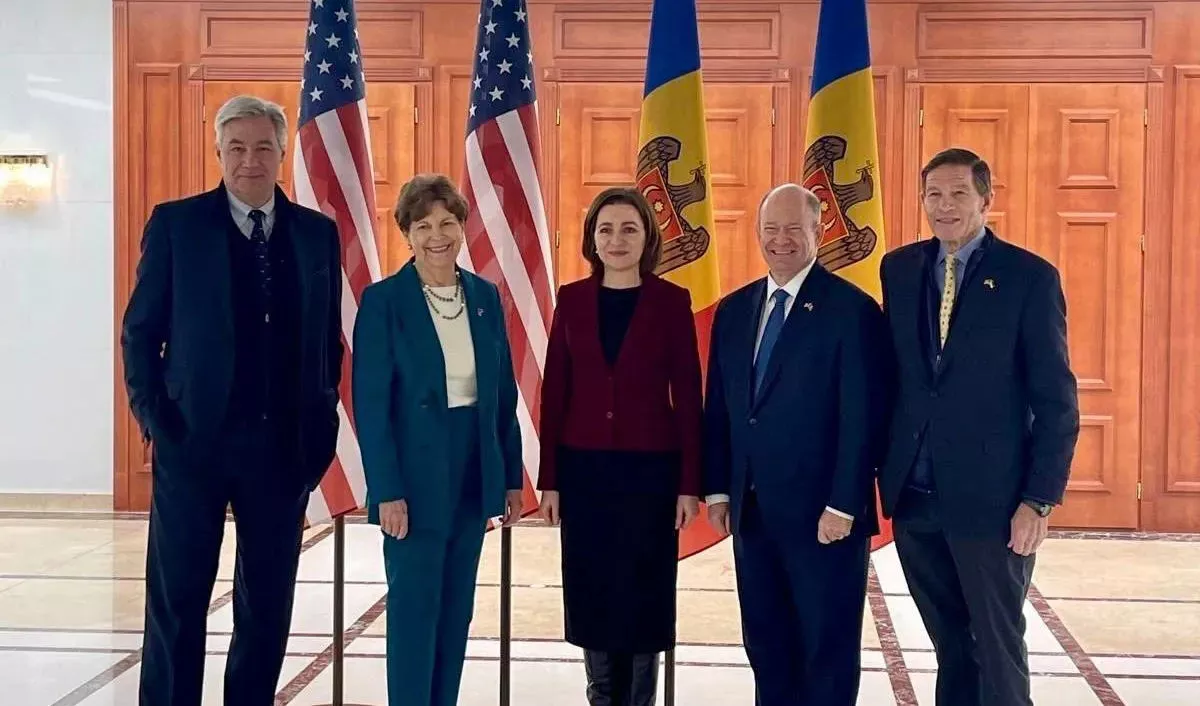
Members of the U.S. Senate met with President Maia Sandu to discuss bilateral cooperation, strengthening the country’s resilience, and sanctions policy towards Russia.
The parties made it clear that the talks were not merely symbolic: they addressed concrete mechanisms of U.S. assistance in energy, defence, and cybersecurity. These topics were also raised on the sidelines of the Munich Security Conference, where Sandu met with Secretary of State Marco Rubio. Reciprocal visits to Washington at the level of relevant ministries and agencies are now expected.
Earlier, Washington approved the first funds under the Trump administration aimed at strengthening Moldova’s national security. As a result, the republic is once again within the U.S. strategic interest zone, largely linked to supporting Ukraine.
The Transnistrian settlement may also be of interest to White House officials: the American side has previously indicated the possibility of a more active role in the process, which could potentially create an additional point of tension in relations with Russia.
How justified are these assessments? Are the U.S. really seeking to expand its influence in Moldova? Is Washington genuinely interested in participating in resolving the Transnistrian issue?
Prominent Moldovan experts shared their opinions on these questions with Caliber.Az.
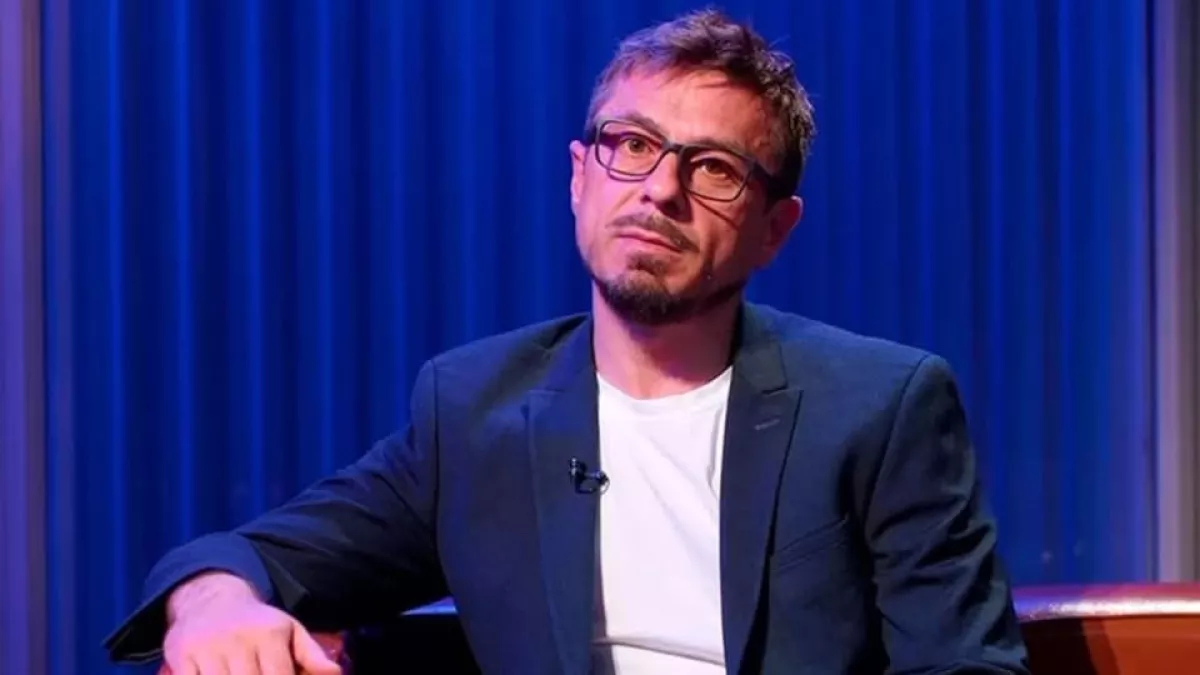
As noted by Ian Lisnevski, head of the Intellect Group analytical centre, it is first and foremost important to establish a basic point: Moldova has never fallen out of the strategic focus of the United States, the United Kingdom, or France.
“From a geopolitical perspective, the Republic of Moldova serves as a corridor between Romania (EU and NATO) and Odesa — a key Black Sea port. It lies at the intersection of EU, NATO, and Russian interests, and is also a component of the broader security architecture of Eastern Europe.
Therefore, the claim that ‘the U.S. is bringing Moldova back under its control’ is more of a journalistic phrasing. Interest and engagement have existed throughout Moldova’s history, even during periods when so-called pro-Russian parties were in power. What has changed over time is the intensity and format of interactions — depending on the government in Chisinau and the degree of ideological alignment with Western capitals.
The cooling of relations with the current U.S. administration is driven not by geography but by ideology. The ruling PAS party has traditionally been closer to the liberal-democratic bloc, actively engaging with the Democratic administration in the U.S. and Brussels institutions. After Donald Trump came to the White House, a natural pause occurred: Washington began to reassess priorities and personal channels of cooperation.
At present, there is essentially an attempt by the ruling party to restart dialogue: contacts on the sidelines of the Munich Security Conference, the first meeting with Marco Rubio, increased engagement with representatives of the Republican camp, and diplomatic signals via Poland and other conservative European governments.
However, a full restoration of relations can only be discussed after the appointment of a new U.S. ambassador to Chisinau. This will serve as an indicator that the strategy has been defined. After such a signal, the U.S. may activate its instruments of influence: financial and military aid, energy projects, cybersecurity, institutional reforms, and engagement with local elites.
For Washington, the question is always pragmatic: who ensures stability and predictability in the region? If the current government demonstrates governance and control over the situation, cooperation continues. If domestic instability rises, U.S. strategy may diversify, expanding contacts with alternative political forces.
And this is where the most important point begins.
Today, Moldova is facing not so much a geopolitical crisis as a crisis of trust. According to various studies, 47% of the population live day-to-day and are unable to plan for the future; trust in institutions fluctuates between 10–16%; 85% identify rising prices and low incomes as the main problems; since 2020, the level of chronic stress has remained around 56%; by 2026, feelings of helplessness have risen to 70–80%. This creates fertile ground for the growth of populist and protest movements.
The phenomenon of unexpected political breakthroughs is not accidental, but a symptom of systemic societal fatigue, as noted in the Munich Security Conference – 2026 report, which, unfortunately, few politicians have studied carefully.
Against the backdrop of socio-economic pressure, a shortage of personnel (30–45%), polarisation, and an information war, the authorities are beginning to apply stricter administrative measures. However, in conditions of low trust, even rational decisions are perceived as coercion. This triggers a counterproductive effect — rising aggression and further discrediting of institutions and the policies promoted by the government,” the analyst noted.
In his view, Transnistria, Gagauzia, and the northern regions constitute Moldova’s main internal geopolitical challenge.
“In the current context, Transnistria remains one of the key issues for security and integration. However, it is important to understand that it is no longer the only problematic region in terms of European integration. While 5–7 years ago Euroscepticism was concentrated mainly in Transnistria and Gagauzia, today, against the backdrop of socio-economic crisis and declining trust in the authorities, worsening indicators are also being recorded in the northern regions of the country.
According to recent data, around 16% in Transnistria support European integration, while more than 50% favour maintaining good relations with all sides — without making a rigid geopolitical choice. In Gagauzia, support for European integration has fallen to approximately 4%. The northern regions are also showing a steady decline in support. This is no longer merely a regional imbalance — it signals a systemic crisis of trust in the integration model itself.
The Munich Security Report highlights a key risk for democracies — the erosion of trust. In Moldova, this factor manifests particularly sharply.
It is also worth highlighting the demographic and legal paradox of Transnistria. Despite the presence of Russian troops — noting that the last large-scale rotation occurred more than 11 years ago — the situation is far more complex than is often portrayed. A significant portion of the region’s population holds Moldovan citizenship, Romanian citizenship (and thus EU citizenship), and often also Russian, Ukrainian, or Bulgarian citizenship. In fact, a substantial share of Transnistria’s residents are already European Union citizens through Romanian passports. This means that the issue is less about a ‘geopolitical choice’ and more about trust and economic prospects.
Therefore, it is possible that some of the Russian servicemen present in the region since 2014 already hold Romanian citizenship. However, conducting a full-scale study on this matter is practically impossible,” Lisnevski concluded.
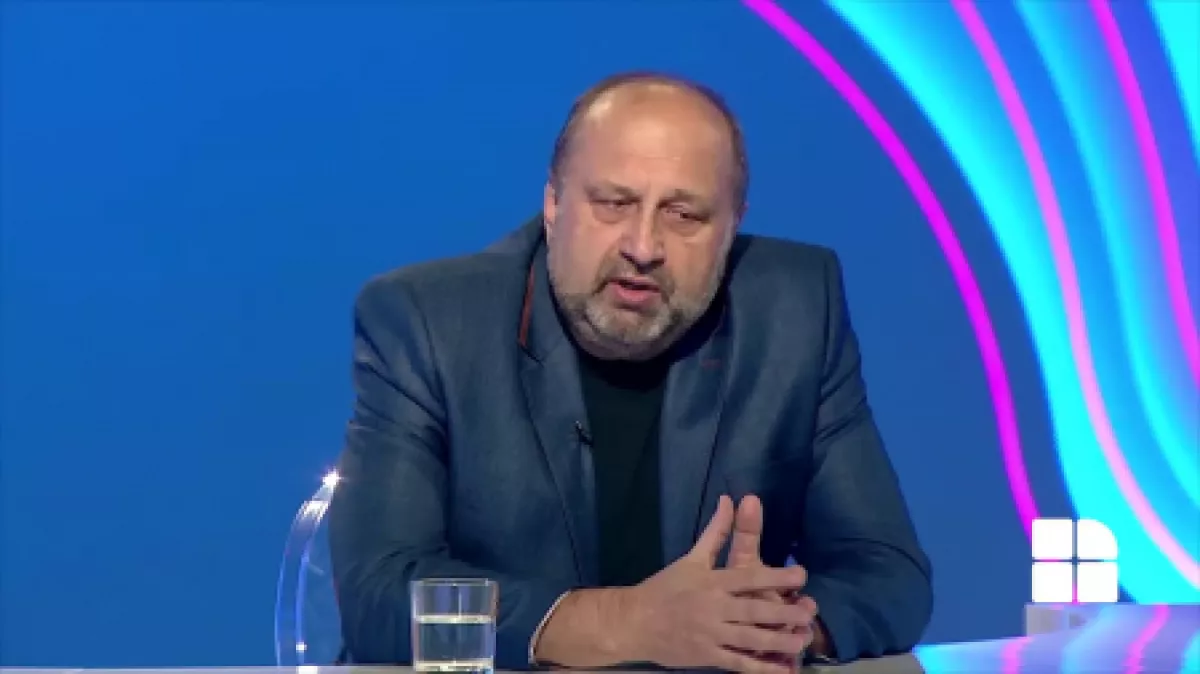
Dr. Vitaly Andrievsky, a historian and director of the Institute for Effective Policy in Chisinau, believes that when analysing the role of the U.S. in Moldova, it is important to take into account the so-called “Trump adjustment.”
“Throughout almost all years of independence, Moldova has been within the United States’ sphere of attention. Dozens of projects have been implemented in the country with U.S. support — ranging from public administration reforms to energy and civil society development. American activity was particularly noticeable during Joe Biden’s presidency. However, with Donald Trump’s arrival, much changed. Wherever he saw the legacy of the previous administration, he sought to revise or reset it. This affected a number of foreign policy directions as well.
In recent months, the situation has begun to shift again in a direction more favourable for Moldova. The reasons may vary. Perhaps Washington concluded that Moldova cannot be ignored. Perhaps the activity of Moldova’s new ambassador to the U.S., Vlad Kulminski, played a role. It is also possible that deeper processes are taking place within the U.S., which can broadly be described as ‘the U.S. returning’ — returning to areas where it sees its strategic interests. Apparently, Moldova has once again been included on that list.
U.S. interests in Moldova cannot be considered in isolation from the overall picture of regional security. They are integrated into the broader security system of Eastern Europe. Key elements of this system include Ukraine, the Black Sea region, and the European Union’s border. In this context, Moldova is not a periphery, but a geopolitical crossroads,” the institute director emphasises.
He also reminded that the country lies between Ukraine and Romania, a NATO member.
“On its territory remains the unrecognised region of Transnistria, where a Russian military presence persists. For Washington, it is important to prevent destabilisation in southwestern Ukraine, rising tensions on NATO’s borders, and the escalation of conflict in the Black Sea region. In this context, Moldova is seen as part of a broader system of containing Russia, rather than an isolated episode.
Since 2022, energy has become a component of geopolitics. For the U.S., it is crucial that Moldova reduce its dependence on Russian gas, develop alternative supply routes through Romania, and strengthen its own energy infrastructure. The fewer leverage points Moscow has via energy resources, the more resilient the country’s political system becomes.
There is also a logistical factor. Moldova is a transit space between Ukraine, Romania, the Balkans, and the Black Sea region. In times of war, transport corridors acquire strategic significance. A stable Moldova is thus an element of the region’s resilience infrastructure.
Support for Moldova also serves as a political signal: to Ukraine — that regional support remains comprehensive; to Romania — that its strategic role is acknowledged; and to Russia — that the post-Soviet space is not considered anyone’s ‘exclusive sphere of influence.’
Thus, U.S. interest in Moldova is not about territorial control or competition for resources. It is about security, containing Russia, supporting European integration, strengthening institutions, and reducing the risks of regional instability. For Washington, Moldova is not a target of geopolitical manoeuvring, but a component of the broader security architecture of Eastern Europe.
Considering these factors, an increase in American activity in Moldova can be expected. However, returning to the ‘Trump adjustment,’ it should be remembered that his decisions often follow their own logic and can be difficult to predict. Therefore, drawing definitive conclusions at this stage would be premature,” Andrievsky concluded.







 editor@caliber.az
 +994 55 444-88-98
 Азербайджан, Баку, ул. Низами, 203, Af Business House, 5-й этаж