










Brussels issues ultimatum to Moscow Expert opinions on Caliber.Az
The European Union, in the context of a potential peace agreement on Ukraine, intends to demand that Russia withdraw its troops from the territories of Belarus, Georgia, Armenia, and the Transnistrian region of Moldova. This point is included in a discussion document circulated by EU foreign policy chief Kaja Kallas among the bloc’s member states. Radio Free Europe/Radio Liberty has reviewed the text.
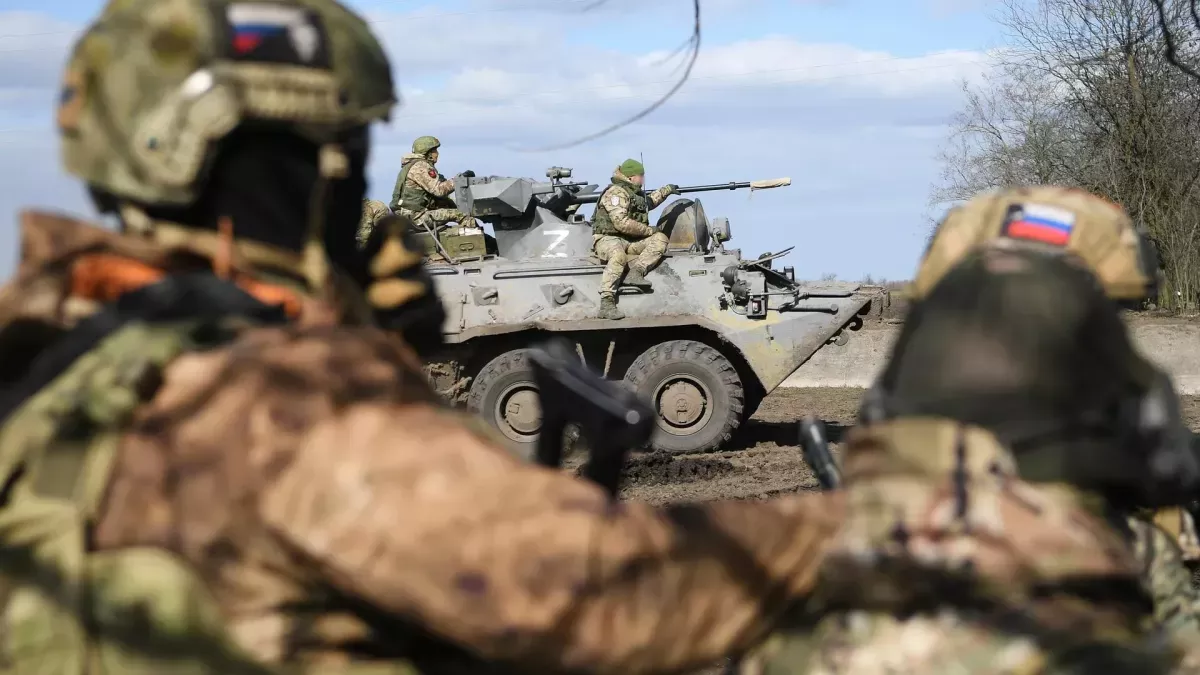
The document, titled “European Core Interests in Ensuring a Comprehensive, Just and Lasting Peace and Continent's Security”, sets out Brussels’ position regarding the conditions that, in the EU’s view, Moscow must meet. In addition to the withdrawal of troops from neighbouring countries, the European Union insists on the payment of reparations, the demilitarisation of occupied Ukrainian territories, the refusal to recognise them de jure, as well as the cessation of hybrid attacks against European states.
A separate section is devoted to domestic political changes in Russia. Among the demands are the holding of free elections under international supervision, the release of political prisoners, the return of deported citizens, the repeal of the law on “foreign agents,” and cooperation in the investigations into the killings of Alexei Navalny and Boris Nemtsov.
Brussels emphasises that ensuring continental security is impossible without EU involvement in the negotiation process. In this regard, the creation of an EU Special Representative for relations with Russia is under discussion. Some of the initiatives are expected to be presented for discussion by EU foreign ministers on February 23.
According to diplomats, Moscow currently rejects key provisions of the possible deal, including compensation payments and the deployment of foreign forces in western Ukraine.
Prominent foreign political analysts have shared their opinions on the situation with Caliber.Az.
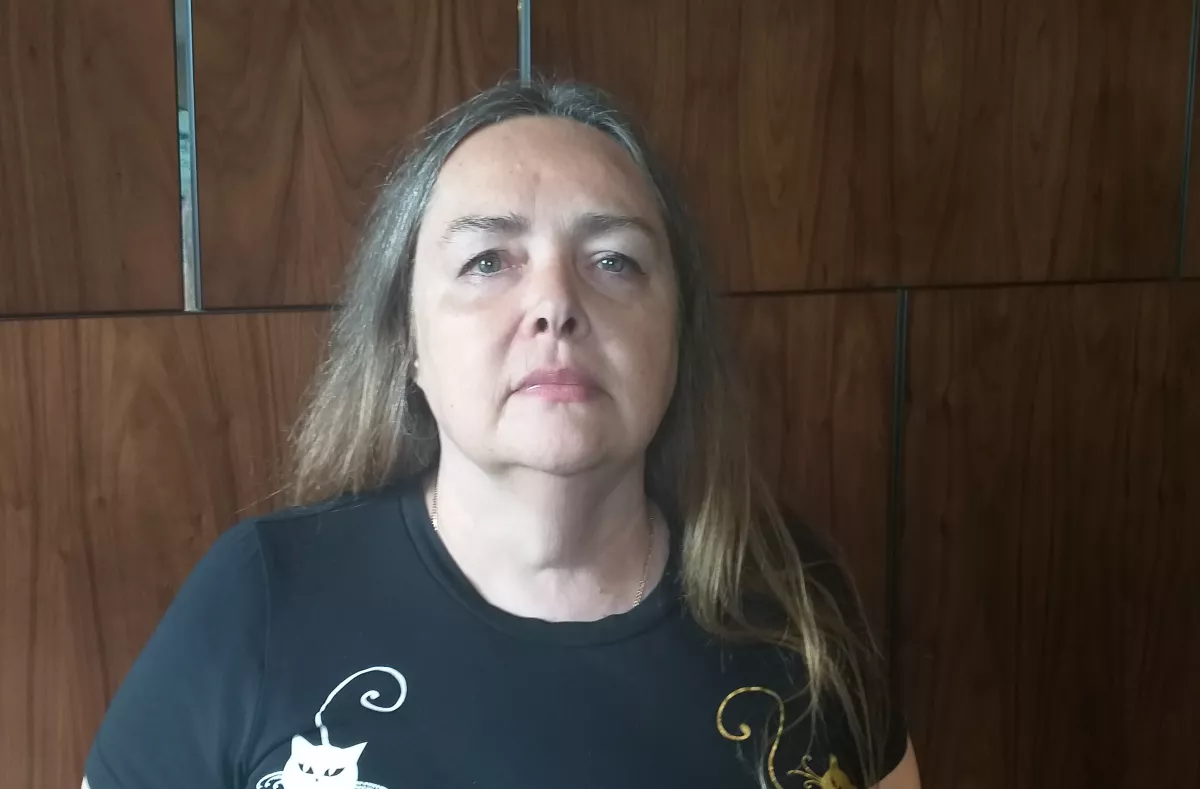
Russian political analyst and editor-in-chief of the After Empire portal, Olga Kurnosova, believes that the demands put forward are appropriate.
“They are addressed not so much to the Kremlin itself as to the Russian elite as a whole. These demands outline what must happen and what the elite must do in order to return to normalcy and restore full engagement with Europe. In this sense, they are indeed reasonable and well-founded demands.
As for their realism: in my view, if we are talking about normal relations with Europe—like those that existed, for example, before 2014, when there was even a simplified visa regime for Russian citizens—then fulfilling these demands could have restored relations to their previous level.
However, today, implementing these conditions is impossible. Ensuring security in Europe under Putin’s rule cannot succeed. Therefore, the key question now is how to initiate a transition of power in Russia. And if these demands are primarily directed at the Russian elites, how can they be motivated to facilitate such a transition?” the expert asks.
According to her, the problem lies not so much in Russia’s position as a state, but in who holds power.
“In my view, any subsequent leader will be willing to consider these conditions, since they will inevitably need to restore full engagement with the outside world.
What circumstances must arise for a post-Putin leader to emerge is a separate question. Several scenarios are possible: working to split the elite, a serious economic downturn that begins to undermine the regime from within, or, in the end, there is always a small probability of a new Yevgeny Prigozhin emerging—that is, an attempt at a palace or military coup,” Kurnosova stated.
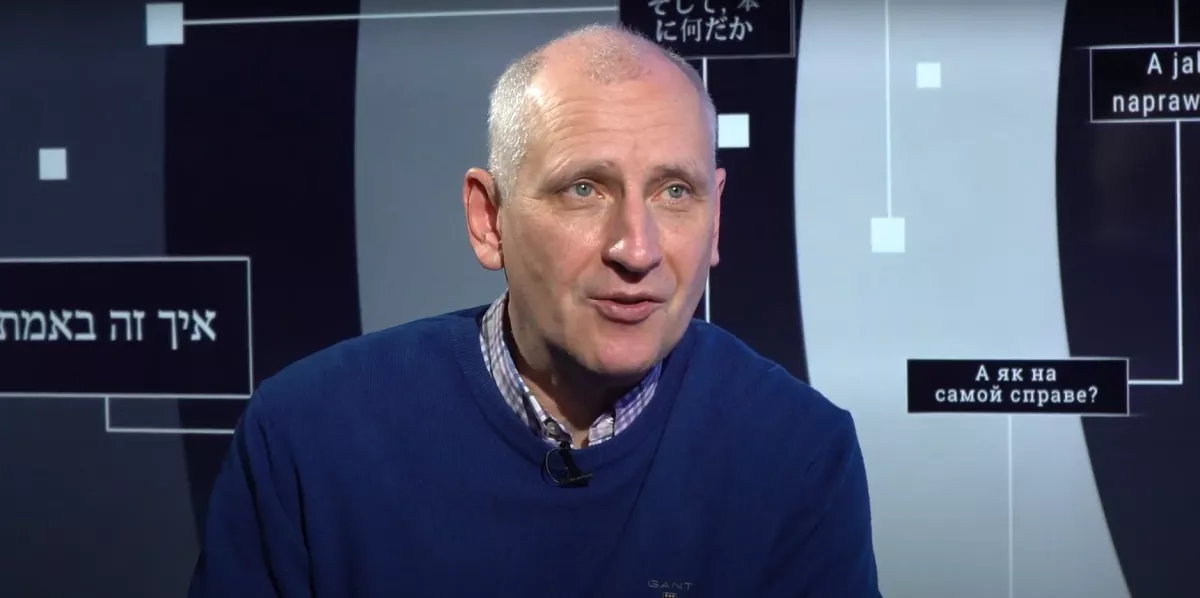
According to a Ukrainian security and defence expert, retired Colonel Oleg Starikov, the key point is that the European Union is seeking a seat at the negotiation table for a peace settlement in Ukraine.
“At least, this explains the emergence of new demands. Therefore, either the EU anticipates that Trump may soon step back from the negotiation process, or we are witnessing a European play for public perception. Why? If we recall the Minsk processes (there were two, some say three), Germany and France acted as mediators. In the end, the result—whose fourth anniversary we will unfortunately mark soon—was that Europe, as an actor, did not show willingness to engage deeply in the situation. The ‘Normandy Four’ included Germany and France. Even then, behind the scenes, representatives of these countries tried to involve the United States, but this effort failed.
During Joe Biden’s presidency, negotiations in spring 2022 were first held in Belarus and then in Türkiye (Istanbul). The Americans did not act as mediators—the role was assumed by Türkiye. Europe again did not intervene and did not take on a mediating mission, focusing instead on military and financial assistance to Ukraine. This assistance was provided within the framework of the American strategy regarding Russia and Ukraine. Biden visited Kyiv, but did not act as a mediator, although such ideas were discussed. Where am I going with this?
Europe has had ample time and opportunity to take on the moderation of the peace process. For unclear reasons, the EU did not pursue a mediating role. Even the so-called grain deal was concluded with the involvement of Türkiye and the UN.
One can recall August–September 2025, when Donald Trump announced his intention to act as a mediator and set a deadline for Europe to develop its own or European–Ukrainian security guarantees. By the January rounds of negotiations in Abu Dhabi, such guarantees had not been prepared. We witnessed a chaotic information process: various plans and versions appeared in the media, yet at the official level there remained uncertainty. Meanwhile, Europe claims the right to participate in the negotiations.
But what exactly does it intend to bring to the table? Simply declaring a desire to participate is not enough. A declaration with certain security guarantees was agreed in Paris, yet the content of the negotiations in Abu Dhabi and subsequently in Geneva remains unknown to Europe. This increases nervousness: Macron speaks of readiness for direct contacts with Putin, the European delegation is present in Geneva, but it is not admitted to the main negotiation process,” the expert notes.
According to him, a new version of security guarantees is now emerging.
“And in a form that Russia is deliberately unlikely to accept. This looks less like a diplomatic breakthrough by Europe and more like an attempt to disrupt the negotiations. As a result, the process could shift into a format where Europe is effectively sidelined.
At the same time, the EU’s diplomatic passivity regarding Ukraine since 2014, especially during the Anti-Terrorist Operation and Joint Forces Operation period, creates the impression that Europe has not genuinely sought to be a key participant in the negotiations. Yet it is important for Europe to make it look as if it is being excluded by others — Trump or Putin. If the agreement is signed, the EU could take a critical stance. This means that, regardless of security guarantees from the US, the risk of renewed aggression from Russia will remain.
Regarding the situation in Russia, even in the case of a forceful change of power, the Kremlin will not consider such EU conditions.
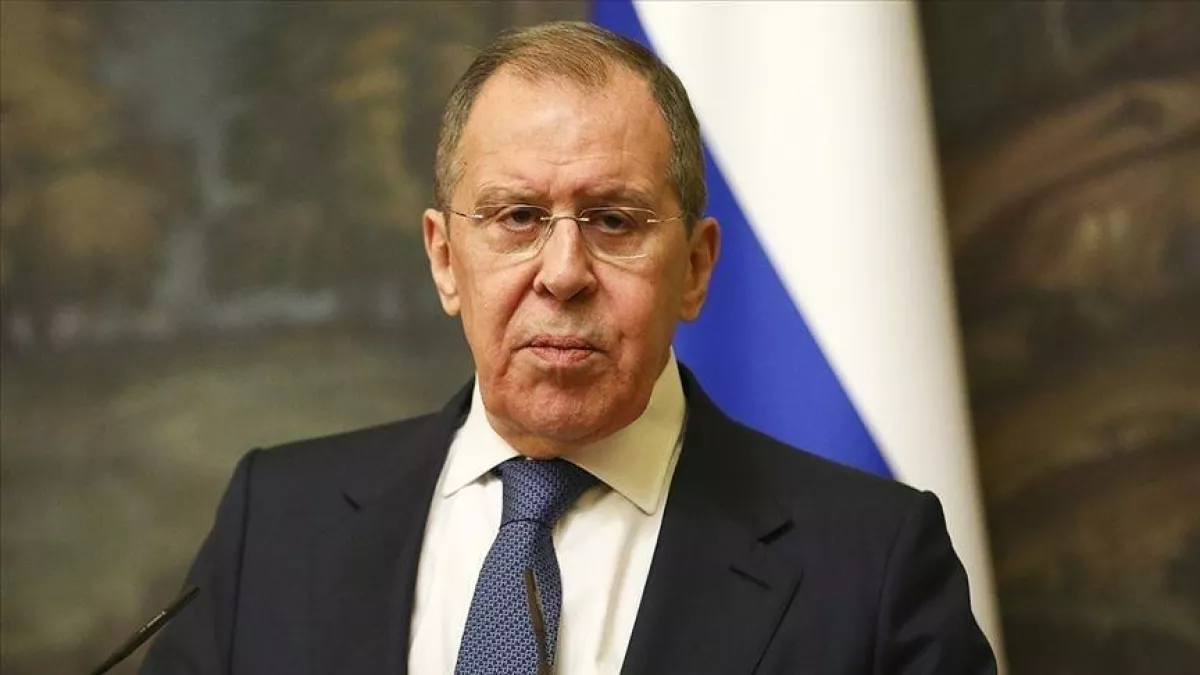
Since August 2025, official representatives in Moscow have repeatedly stated their unwillingness to negotiate with European leaders on the Ukrainian issue. The most recent statements by Russian Foreign Minister Sergey Lavrov were unequivocal: in Moscow’s view, European participation makes negotiations impossible. Russia intends to interact exclusively with the United States.
This is not mere rhetoric—it is a political course. In Moscow, there is an expectation of possible changes among European leaders, in particular Macron, Merz, and potentially the President of the European Commission, Ursula von der Leyen.
The only scenario in which Russia might consider Europe’s conditions would be a complete collapse of the current system of power and the rise of pro-Western technocrats to leadership. The likelihood of such a scenario is low. Based on available signs, the Russian elites are not ready for such rotations. Even if the probability is higher than it appears now, judging by Macron’s statements about contacts with Putin, the implementation of such a scenario is not a matter for the near future—and possibly not even the next year.
And here arises the main question: what will happen to Ukraine over the next two years? Against the backdrop of global geopolitical calculations, the fate of the country should not be sidelined. Yet after two years of waiting, Europe has not offered a clear strategy. Where will a new leader in Russia come from who can ensure a legitimate transfer of power? And why does the EU insist on a decisive role in the peace process without directly participating in military operations?
At present, not enough has been done. Military assistance is provided primarily for defence, as emphasised at the Paris summit. Financial support is also limited. It is no coincidence that Volodymyr Zelenskyy stresses the strategic orientation towards the United States.
Under the current circumstances, Ukraine must continue negotiations under US mediation and strive for the most favourable conditions possible for itself,” Starikov concluded.







 editor@caliber.az
 +994 55 444-88-98
 Азербайджан, Баку, ул. Низами, 203, Af Business House, 5-й этаж