










Middle Eastern echo on Ukraine’s frontlines Expert opinions on Caliber.Az
Ukraine has already felt the consequences of the war in the Middle East. Speaking on Radio NV, the Secretary of the Verkhovna Rada Committee on National Security, Defence and Intelligence, SBU Colonel Roman Kostenko, noted that a shortage of air defence systems has emerged on the global arms market, while fuel prices have risen sharply.
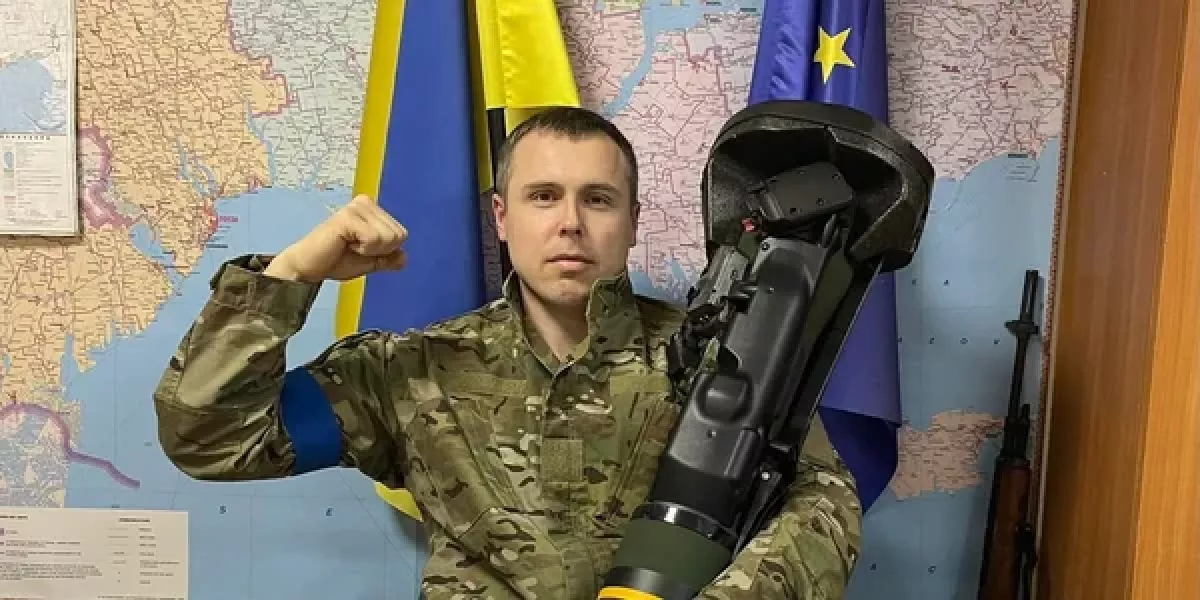
“Even if the war doesn't drag on, it will have an impact on the war in Ukraine. We're already seeing this financially, with fuel prices simply rising. And while we could previously negotiate the purchase of PAK-3 missiles, they weren't used anywhere else, and we thought they might never be used. Now, even if the fighting stops, if some kind of agreement is reached, which currently seems unlikely, other countries will still stockpile these weapons. Because this conflict has shown that many countries aren't ready,” Kostenko pointed out.
He added that European countries have already modelled what the situation might look like in the event of a high-intensity conflict on the continent and realised that they face serious problems with their air defence systems.
“Therefore, I think a shortage in the arms market is something we can predict now. And we certainly won't benefit from it,” the parliamentarian emphasised.
Over the past four years, European countries have transferred part of their weapons to Ukraine. However, in a situation where European politicians are increasingly speaking about the need to prepare for a war with Russia, meeting the needs of the Armed Forces of Ukraine may shift to second — or even third — place.
Recently, President Volodymyr Zelenskyy wrote on the social network X that the shift of global focus to the Middle East is reducing support for Ukraine.
Discussions on this issue have been ongoing for several days. But could a real shortage of weapons emerge in the Ukrainian army? And could this lead to Ukraine losing more territory?
Well-known foreign experts shared their assessments on this matter with Caliber.Az.
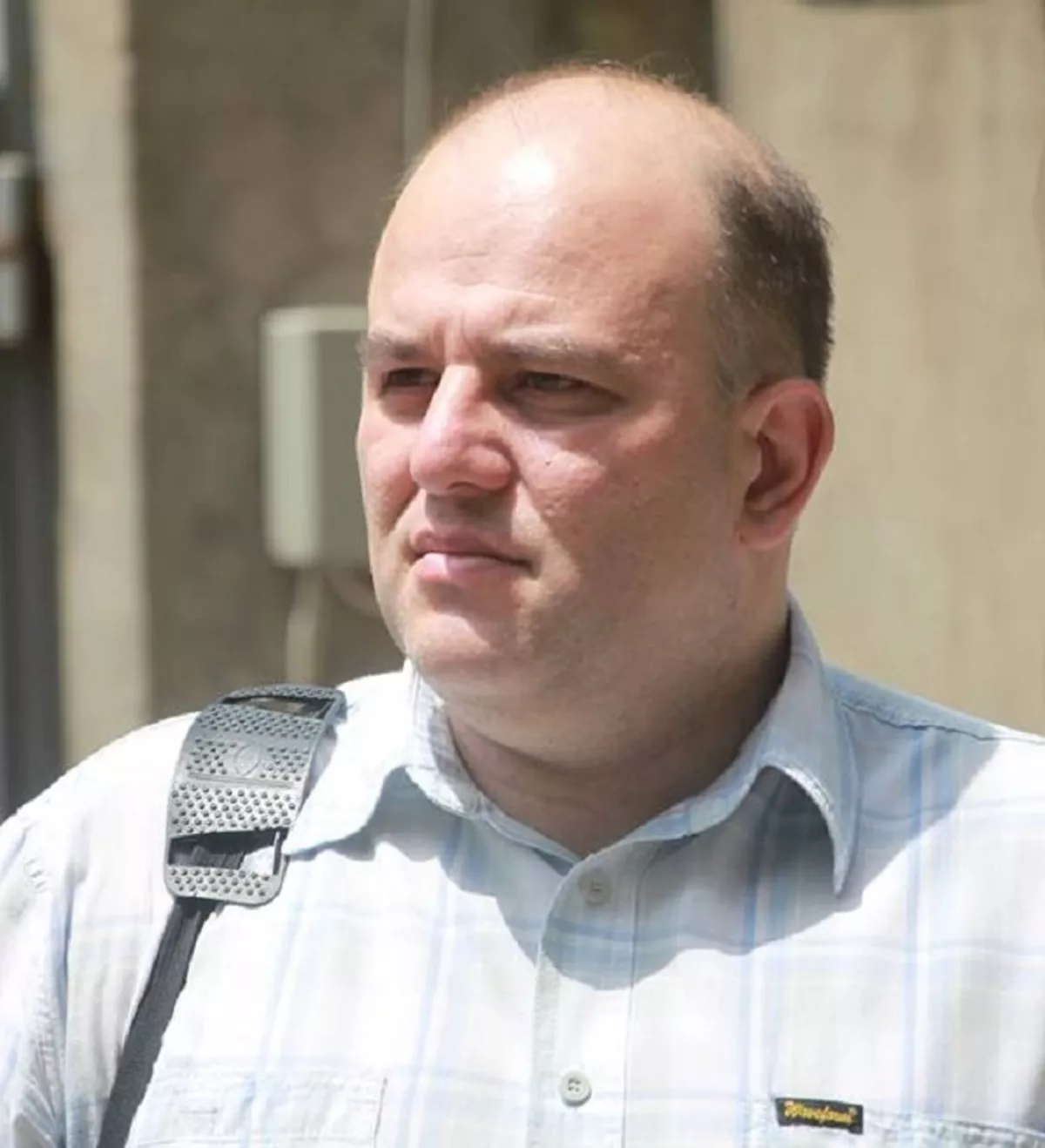
Doctor of Military and Political Sciences, Professor Vakhtang Maisaia (Georgia) noted that military actions in the Middle East and the Persian Gulf could undoubtedly affect the course of hostilities in Eastern Europe.
“Naturally, the types of weapons that were previously supplied to Kyiv may run out. However, I believe that in the near future, Ukraine will still have fairly substantial reserves of weapons in storage and arsenals. The Armed Forces of Ukraine are already transitioning to a strategy of deep defence.
The most important point is that Russian troops also have their own problems. This may not only concern certain types of weapons (since some of them were most likely transferred to Iran), but also the fact that Russian forces are experiencing manpower shortages. Mobilisation resources, contract soldiers, and mercenaries are currently insufficient to expand offensive operations.
As far as I know, Russia will most likely have to officially announce mobilisation, and Vladimir Putin is already preparing this decision. Around 400,000 people are expected to be mobilised, but this will not happen before June. At this stage, the sides will maintain parity, and there will most likely be no advance of Russian troops inside Ukraine. Ukraine may be able to repel attacks for two to three months and even help the countries of the Persian Gulf, Israel, and the United States counter Iranian drones. This is a fact,” Maisaia stated.
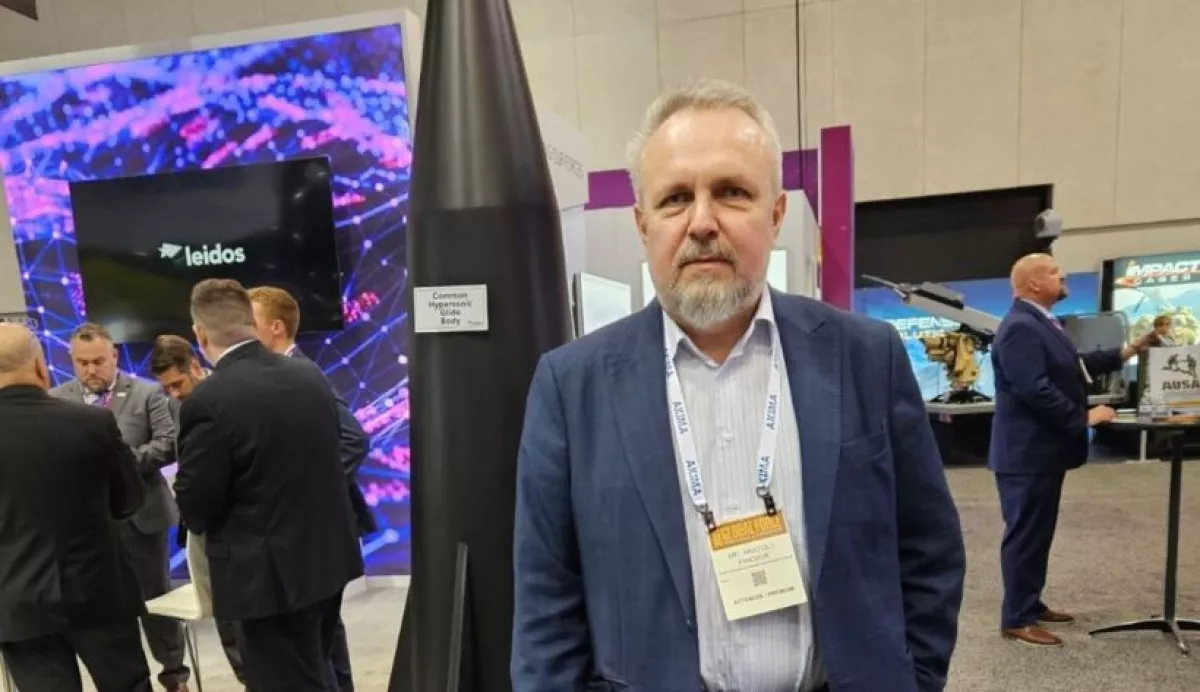
In turn, the head of the board of the Institute for Security of Eastern Europe in Kyiv, Anatolii Pinchuk, noted that the main impact of developments in the Middle East on the war between Russia and Ukraine could be a temporary strengthening of Russia’s economic potential due to rising oil prices and a partial easing of sanctions pressure.
“To defend against Iranian UAVs, significantly cheaper solutions are required than the missiles used by MIM-104 Patriot systems, which Ukraine is currently experiencing an acute shortage of.
On the contrary, Ukrainian companies producing interceptor drones could become suppliers of weapons for the United States and its allies.
And if the United States ultimately pushes the situation toward a regime change in Iran, leading to a more civilised and democratic government, this would collectively improve global security and weaken Russia’s position,” Pinchuk believes.







 editor@caliber.az
 +994 55 444-88-98
 Азербайджан, Баку, ул. Низами, 203, Af Business House, 5-й этаж