










Afghanistan vs Pakistan and the Durand Line war Expert opinions on Caliber.Az
The situation between Afghanistan and Pakistan had escalated to an open armed conflict by the end of February 2026.
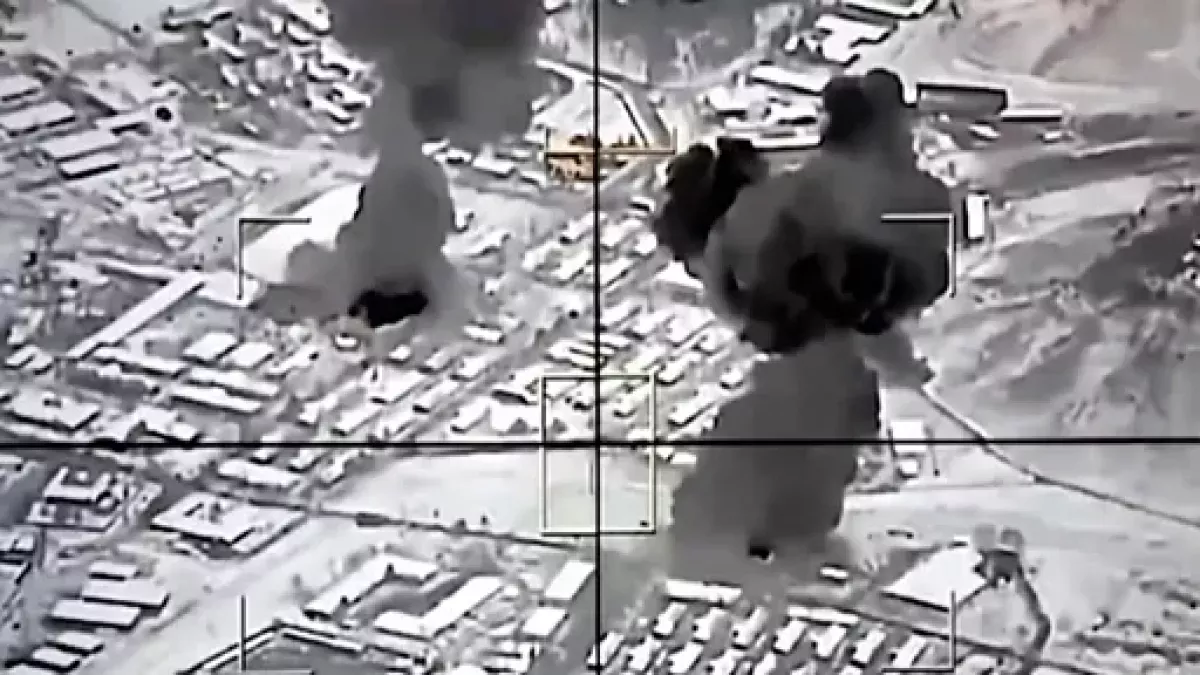
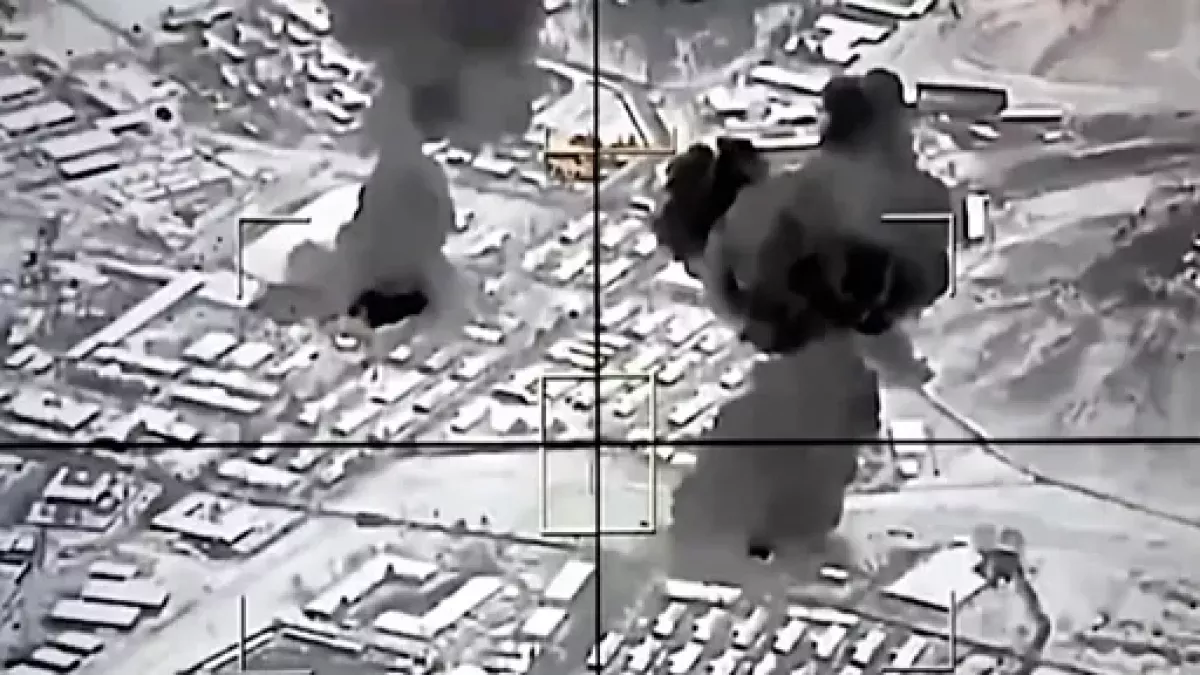
On February 27, 2026, Pakistan officially declared a state of “open war” against the Taliban government in Afghanistan. The Pakistan Air Force carried out a series of strikes on the Afghan capital, Kabul, as well as on Kandahar, Nangarhar, and Paktika provinces. The stated targets were militant camps.
In its turn, on February 26, Afghan forces launched a military operation against Pakistan. Reports indicated strikes on Pakistani territory, including — according to unconfirmed sources — in the direction of facilities linked to the country’s nuclear infrastructure.
Both sides have suffered dozens of casualties, including civilians.
The international reaction has been predictable: neighbouring countries are expressing serious concern and closely monitoring developments along the border.
Why is this happening? What could further escalation lead to? Is it possible to stop the emerging conflict?
Renowned regional experts shared their assessments of the situation with Caliber.Az.
Sergey Danilov, Deputy Director of the Kyiv Center for Middle Eastern Studies, notes that since the Taliban took over Kabul, multiple cross-border incidents between Pakistan and Afghanistan have been recorded.
“These were not isolated clashes involving uncontrolled militias, but symptoms of a chronic problem. The paradox is that under previous Afghan governments, which were formally not as close to the Pakistani authorities, such incidents occurred far less frequently.
The Taliban, like all previous Afghan rulers, do not recognise the border between the two countries. However, unlike their predecessors, they believe they possess an effective tool to exert pressure on Islamabad — the Pakistani Taliban.
Their Pakistani allies have a secure rear base on Afghan territory, as well as serious ambitions, reinforced by the successes of 2021. And even if the situation is managed for now, it will only be another pause in a long cycle of escalation,” says Danilov.

Meanwhile, Russian Middle East expert and Head of the Center for the Study of Afghan Policy, Andrey Serenko, is convinced that an armed conflict between Pakistan and the Taliban regime in Afghanistan was inevitable — both last year and this year.
“It has several causes that, in my view, are practically impossible to eliminate within the current state-political systems and strategies of these two countries. This makes a repeat of such a scenario extremely likely, at least in the near future.
Let me start with the main point. For the Pakistani military-political establishment, which perceives India as the primary existential threat, three strategic axioms are characteristic.
The first — Pakistan must always be prepared for a major war with India, since such a war is sooner or later inevitable.
The second — for success in this war, Pakistan needs strategic depth, allowing it to retreat under enemy pressure and continue the fight from new positions. Afghanistan’s territory is considered such depth.
The third axiom — Pakistan must prevent, at all costs, the emergence of a regime in Afghanistan that is unfriendly to Islamabad and aligned with India, to avoid strategic encirclement and the loss of its depth advantage.
These three principles have defined Islamabad’s regional strategy since Pakistan appeared on the world map in the late 1940s. Since the late 1970s, Pakistan has implemented various projects to achieve these goals. It was with the support of the Pakistani army and intelligence services that the Afghan Taliban consolidated on the political scene, survived twenty years of Western presence, and returned to power in Kabul in August 2021. At that time, Islamabad had every reason to perceive this as its own victory.
However, a serious rift soon emerged between the Afghan Taliban regime in Kabul and Kandahar and Pakistan. Its source was the Tehrik-e-Taliban Pakistan (TTP) movement, with which the Afghan Taliban had maintained close allied ties for many years. Islamabad had previously turned a blind eye while joint Afghan and Pakistani Taliban units fought against American forces and the Afghan republican government.
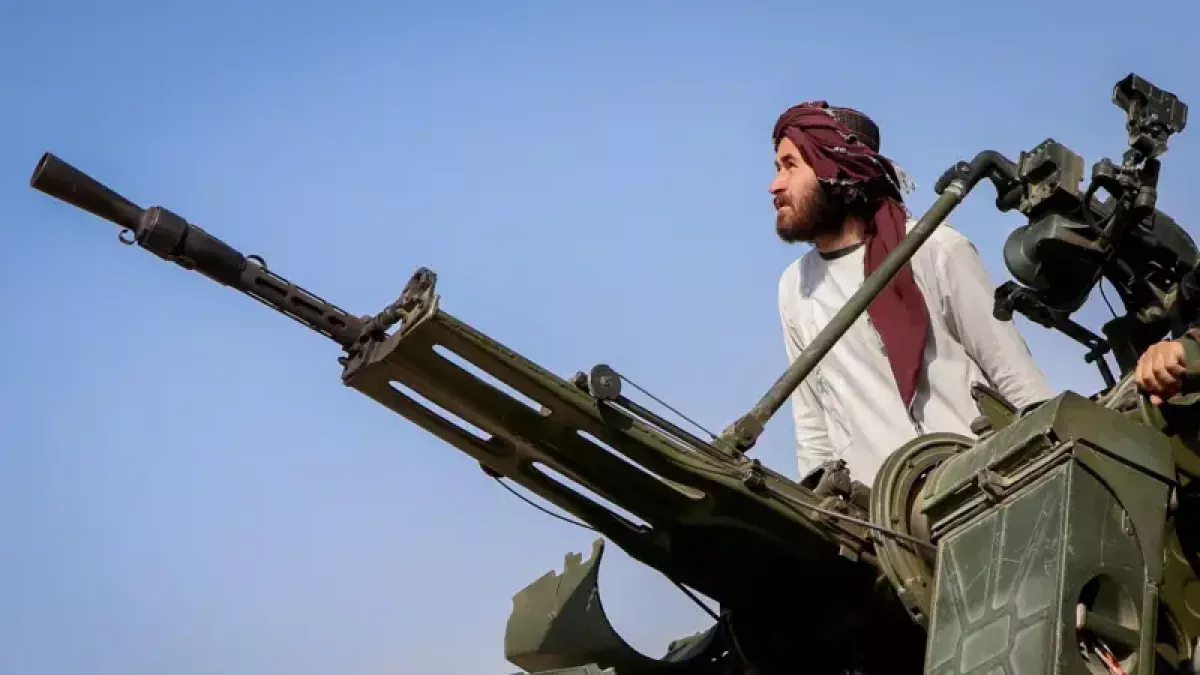
After the Afghan Taliban’s victory in 2021, Pakistani authorities demanded that they sever ties with the TTP and cease supporting Pakistani Taliban fighters. The reason was clear: the TTP had officially declared its goal as an uncompromising struggle against the Pakistani state — primarily the army — to establish an ‘Islamic system’ modelled on Taliban Afghanistan.
In practice, the Pakistani Taliban seek to destabilise central authority and increase autonomy in the Pashtun-majority Khyber Pakhtunkhwa province. Islamabad’s attempts to negotiate with the TTP failed, after which the Pakistani army and intelligence services became increasingly embroiled in a fierce confrontation with the movement.
In this situation, the Afghan Taliban sided with the TTP. Kabul began supplying militants with modern American weapons left in Afghan arsenals following the withdrawal of the Western coalition in the summer of 2021. This led to rising casualties among Pakistani security forces. The TTP gained the ability to establish an extensive infrastructure on Afghan territory, including training camps, recruitment networks, supply points, and medical facilities — all with the support of the Afghan Taliban.
Effectively, Islamabad faced a choice: either watch the TTP grow into an uncontrollable jihadist force or take the fight into Afghan territory, striking at the movement’s leaders and infrastructure. Pakistan chose the second path,” the Afghan expert noted.
According to him, an additional factor was the rapidly developing contacts between Taliban-controlled Kabul and New Delhi.
“For the Pakistani establishment, an old threat re-emerged — the potential alliance of India and Taliban Afghanistan against Islamabad. This created hypothetical opportunities for Indian intelligence to exploit the TTP’s capabilities against Pakistan. Islamabad could not allow such a scenario.
This became the key trigger for the escalation along the ‘Durand Line’ — both in 2025 and in February 2026. The Pakistani army saw direct confrontation with the Afghan Taliban as the lesser evil, aiming to prevent the formation of a new anti-Pakistan coalition — India, Taliban Afghanistan, and the TTP.
Now, Pakistani forces are attempting, if not to completely eliminate, then at least to severely weaken the most vulnerable elements of this potential coalition.
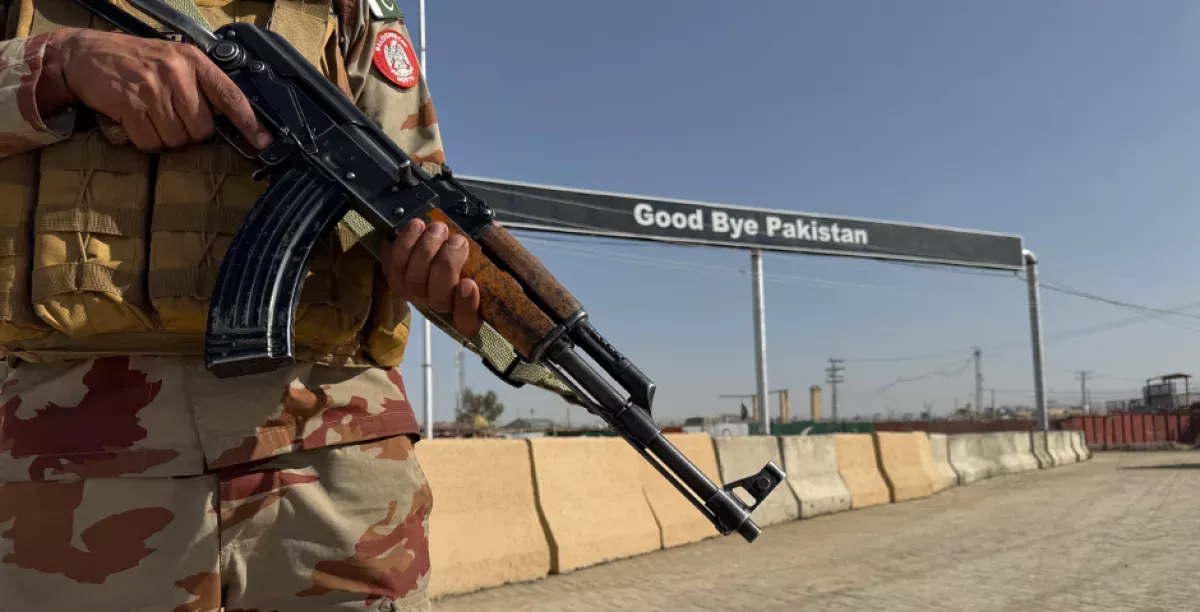
Taking all these circumstances into account, one can conclude that, under the current status quo, reconciliation between Pakistan and Taliban-controlled Afghanistan is virtually impossible. For relations to normalise, Kabul would need to abandon its alliance with India and cease support for the TTP. While the first could theoretically be considered, the second is out of the question. The Taliban regime, in its current form, cannot sever ties with the TTP without risking an internal crisis. Such a step would almost inevitably lead to a split within the movement: a significant portion of rank-and-file fighters and field commanders would see it as betrayal. They would either form an alternative ‘new Taliban’ organisation or join the Afghan branch of ISIS — Wilayat Khorasan. Both scenarios could seriously destabilise the current Afghan regime.
Thus, the deadlock leaves the parties no choice but to continue the confrontation. Armed incidents along the ‘Durand Line,’ like those that began on February 26, 2026, are likely to recur at least until a different political regime emerges in Afghanistan — one for which support of the TTP or an alliance with India is not strategically significant.
Islamabad will likely seek to change the current Taliban regime by various means. This could become more probable amid dramatic regional developments — particularly surrounding Iran. Tehran’s support has so far played an important role for the Afghan Taliban regime. If that support weakens as a result of a crisis within Iran itself, Kabul could face serious challenges.
In my view, the coincidence of the crisis surrounding Iran and the escalation along the ‘Durand Line’ at the end of February 2026 is not accidental. I believe that the United States and Israel, which were preparing strikes on Iran on 28 February, not only used the emerging conflict to distract Tehran but may also have influenced its escalation. Given Washington’s ability to impact Islamabad, this scenario seems plausible. The synchronisation of these events could be the result of a deliberate strategy rather than mere coincidence.
Nevertheless, until internal changes occur in Kabul, there is little prospect for long-term peace between Kabul and Islamabad. The interests of the parties are too opposed.
The conflict can be temporarily contained, its intensity regulated, and short-term initiatives proposed. But it cannot be completely eliminated. In this sense, it resembles the Arab-Israeli confrontation: even after periods of calm, the accumulated energy of mutual distrust inevitably erupts again. A similarly protracted and intractable conflict has emerged along the ‘Durand Line.’ Personally, I assess its prospects pessimistically,” concludes Serenko.







 editor@caliber.az
 +994 55 444-88-98
 Азербайджан, Баку, ул. Низами, 203, Af Business House, 5-й этаж