










Europe in search of a nuclear shield Experts weigh the options
Polish President Karol Nawrocki believes that his country should begin developing a nuclear program in response to threats from Russia. In an interview with the Polsat TV channel, he stated that he is “a great advocate for Poland to join the nuclear project,” emphasising that Moscow’s opinion on the matter is of no concern to him.
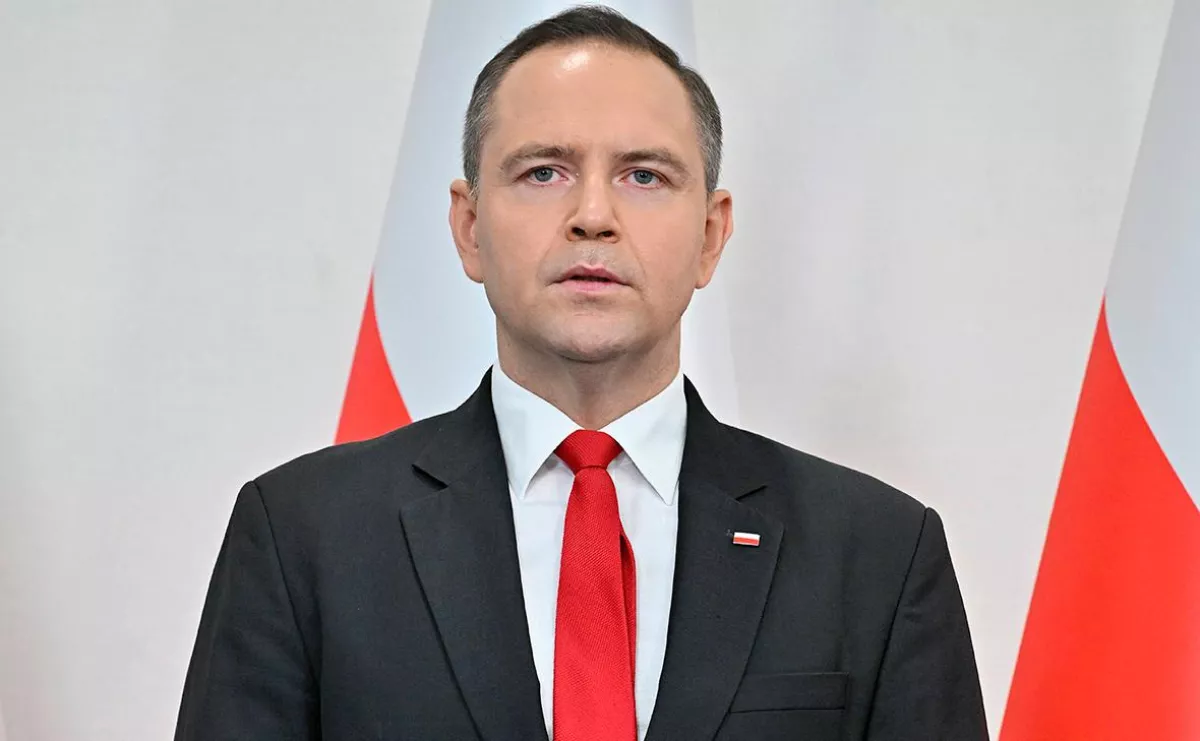
Nawrocki believes that Poland should pursue a path that ensures nuclear deterrence — “in full compliance with all international norms.” The country is a participant in the Treaty on the Non-Proliferation of Nuclear Weapons (NPT), yet the president is confident: “We must move in this direction to get the work started.”
“We are a country on the brink of armed conflict. It is clear how aggressive and imperial Russia’s attitude toward Poland is,” Nawrocki emphasised. For this reason, he supports strengthening the country’s security “even on the basis of nuclear capabilities.”
Meanwhile, there are voices noting that European states have begun seriously discussing the creation of their own nuclear shield, given the uncertainty of the Trump administration’s stance and the rise of confrontational rhetoric from Moscow.
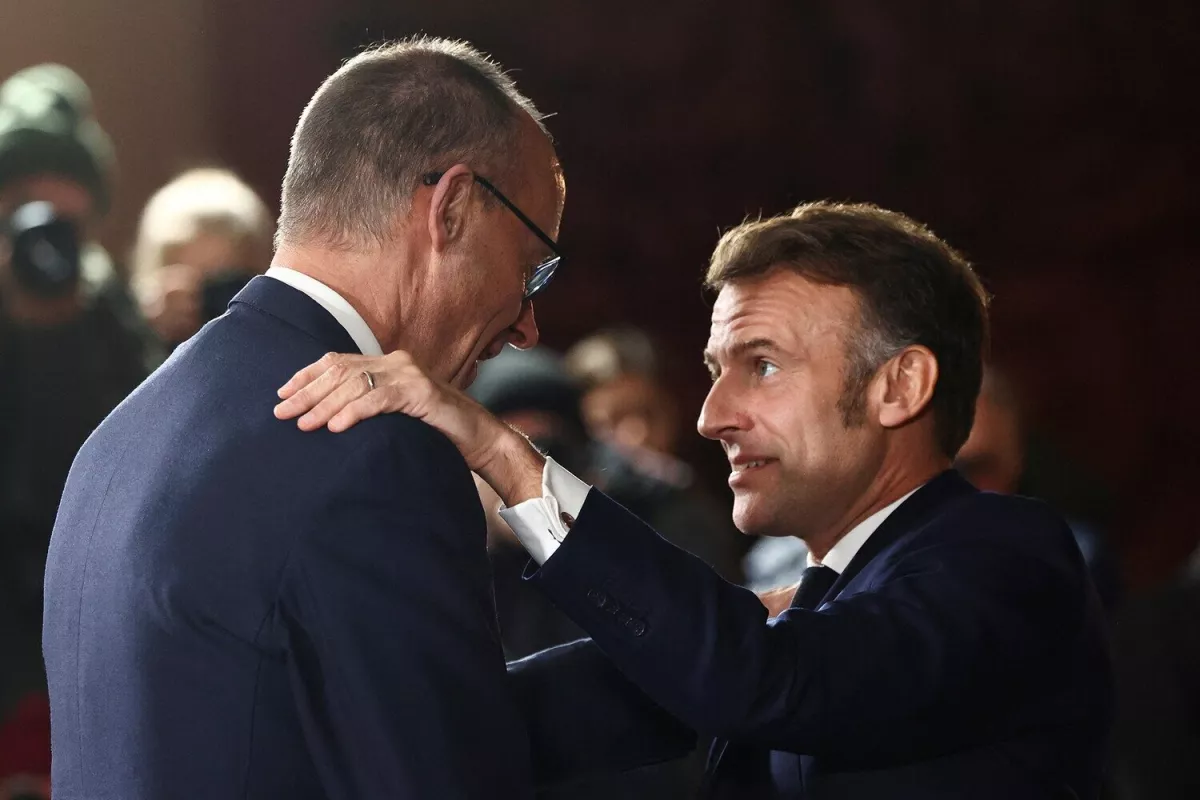
German Chancellor Friedrich Merz announced in Munich that he has begun discussions with France on the idea of establishing a European nuclear defence system. French President Emmanuel Macron is expected to soon propose extending France’s nuclear deterrence capabilities to other European nations, according to Bloomberg.
Against this backdrop, a key question arises: how viable is this approach, and can such a strategy genuinely ensure effective deterrence against aggression? Or, conversely, could it create new risks for international security?
Leading foreign analysts shared their perspectives on this issue with Caliber.Az.
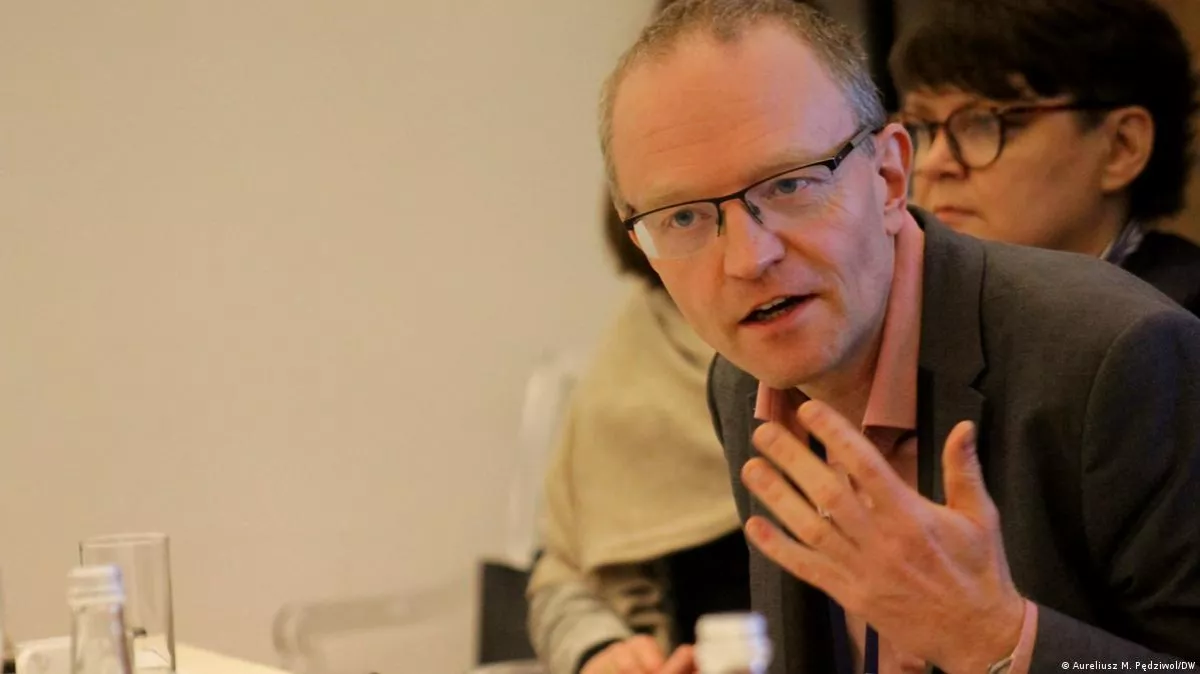
Dr. Stefan Meister, head of the International Order and Democracy program at the German Council on Foreign Relations, stated that this discussion is logically justified, as Europe has lost its previous level of confidence in the U.S.’s willingness to defend NATO members within the alliance.
“Can we still rely on American nuclear deterrence when influential politicians in the U.S. describe Europe as a competitor, or even an enemy? Europe needs to develop its own nuclear deterrence capabilities. It makes sense to explore all possible options—from investing in the French or British ‘nuclear shield’ to creating an entirely new mechanism,” the expert noted.
According to him, this issue is particularly relevant for frontline states in Eastern Europe, which are most likely to face the threat of Russian aggression first, and for which the factor of nuclear coercion could play a significant role.
“I consider it crucial for Europe to develop an integrated approach to establishing its own nuclear deterrence without relying on the U.S., while avoiding fragmented national solutions. This aligns with the position of Chancellor Friedrich Merz, who advocates for a pan-European framework, the strengthening of NATO’s European pillar, and the enhancement of the EU’s role as an independent security actor,” Meister emphasised.
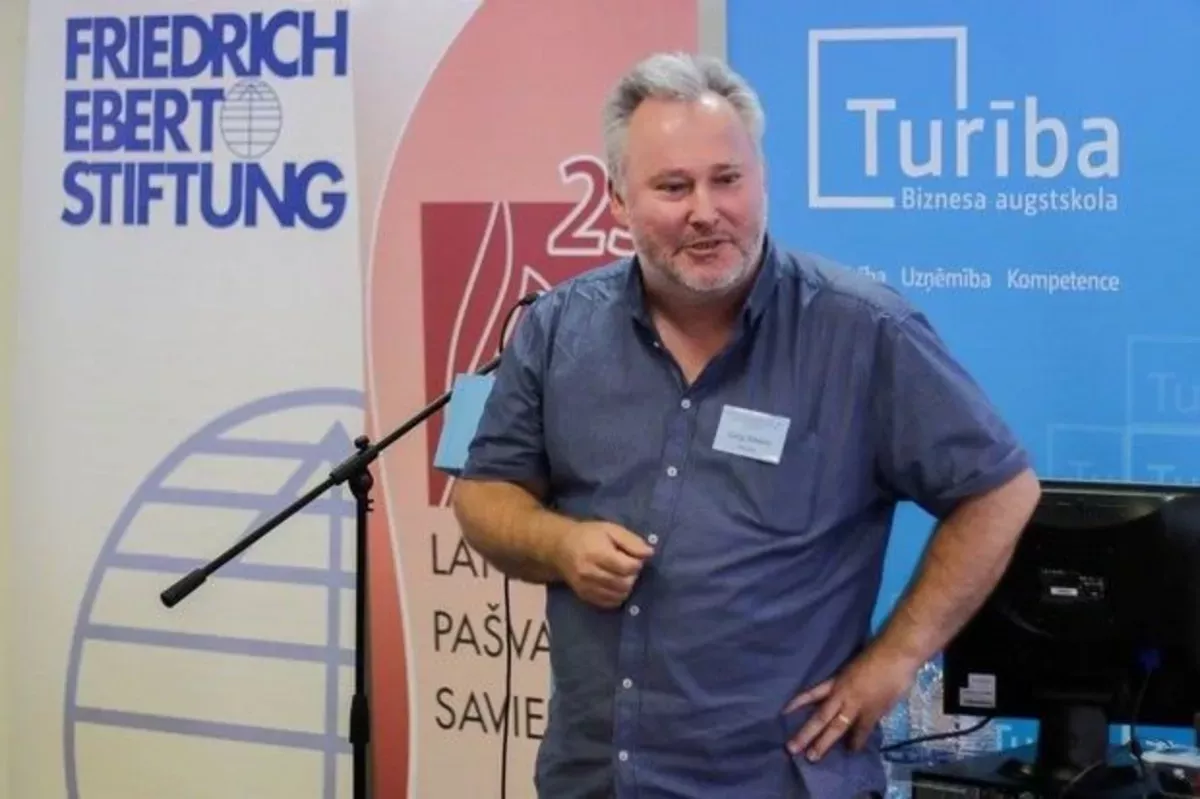
Dr. Greg Simons, PhD, political scientist and professor at Daffodil International University (Dhaka, Bangladesh), offers a contrasting perspective. He argues that pursuing this path is neither prudent nor justified.
“There are several reasons for this, particularly regarding the Baltic states and even Poland. Can their economies realistically fund the development, maintenance, and operation of a nuclear arsenal? The short answer for small countries like Estonia and Latvia—and even for Poland—is NO. Such an endeavour would entail enormous opportunity costs, and the likely geostrategic consequence would be an escalation of the arms race—one that would no longer be constrained by international norms or nuclear treaties.
The naval arms race among European imperial powers on the eve of World War I, for instance, did not enhance security—instead, it undermined it. Measures like these increase the risk of strategic miscalculations and often produce outcomes opposite to their intended objectives.
The perceived threat of aggression rests on flawed assumptions, particularly the idea that modern Russia is geopolitically comparable to the Russian Empire or the Soviet Union. Both premises are false, and it is reckless to base major decisions on them. Poland must also take into account its involvement in the Ukrainian conflict, as such actions ultimately weaken its own security. A more candid self-assessment is urgently needed.
This is not merely a question of potentially creating new threats to peace—they will inevitably arise. As I have emphasised, the proposed policy would be destabilising, undermining rather than enhancing security, while simultaneously increasing risks and vulnerabilities,” Simons stressed.
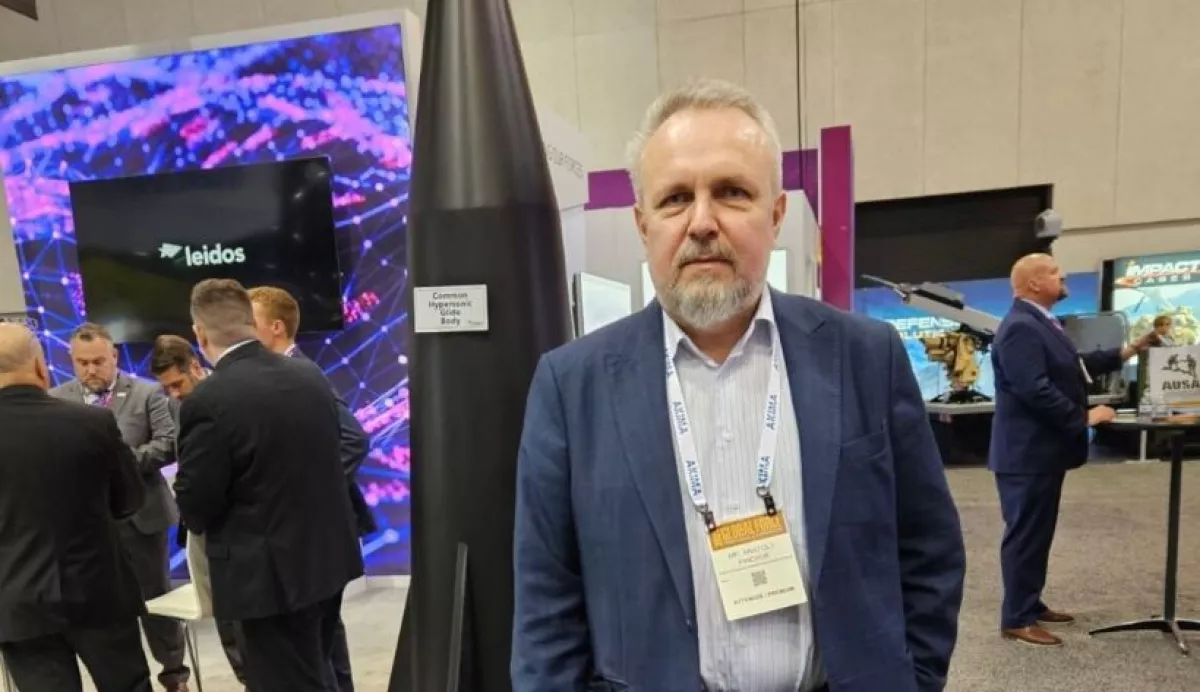
Anatolii Pinchuk, chairman of the board of the Eastern Europe Security Institute (Kyiv), notes that the issue of nuclear deterrence in Europe has intensified following shifts in the U.S.’s foreign policy and national security approach.
“Europeans are uncertain about President Trump and are exploring ways to ensure their security independently. France and the United Kingdom possess relatively small nuclear arsenals—around 290 and 225 warheads, respectively. While these numbers are modest compared to the thousands held by the U.S., Russia, and China, they are not subject to formal limits on expansion. In this context, European countries have begun consultations—primarily with France—regarding the extension of the ‘nuclear umbrella.’ This could have a certain deterrent effect, but it will require significant resources and time. Coordinated efforts by France, the United Kingdom, and other interested European states could play a meaningful role in deterrence,” Pinchuk argues.







 editor@caliber.az
 +994 55 444-88-98
 Азербайджан, Баку, ул. Низами, 203, Af Business House, 5-й этаж