










A new tone from Paris in the South Caucasus? Expert opinions on Caliber.Az
French Foreign Minister Jean-Noël Barrot has expressed France’s support for the normalisation of relations between Armenia and Azerbaijan, as well as between Türkiye and Armenia, according to the Anadolu Agency.
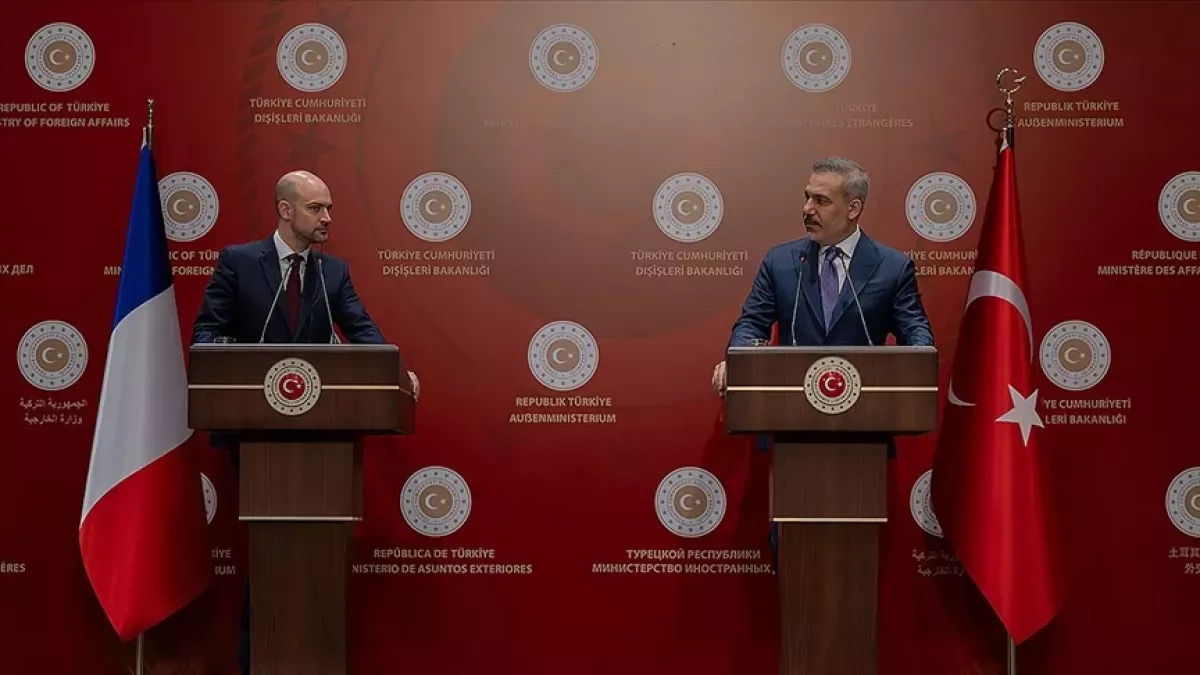
Barrot made the remarks at a joint press conference in Ankara with Turkish Foreign Minister Hakan Fidan. According to him, the reopening of borders is of crucial importance for enhancing regional cooperation, strengthening the sovereignty of Armenia and Azerbaijan, and promoting regional prosperity and the well-being of local populations.
“France supports the process of normalising relations between Armenia and Azerbaijan, as well as between Türkiye and Armenia. In this context, the reopening of borders and the intensification of regional cooperation, with full respect for the sovereignty of both states, are extremely important for the prosperity of the region and for the benefit of all,” Barrot emphasised.
Thus, Paris reaffirmed its readiness to contribute to the establishment of long-term peace between Baku and Yerevan.
In this context, is it reasonable to assume that France is beginning to adopt a more constructive stance on issues related to peacebuilding and the reopening of borders and transport links between Armenia and Türkiye, as well as with Azerbaijan? Can it be assumed that relations with France may gradually improve for both Türkiye and Azerbaijan? And what factors could have prompted a possible shift in Paris’s position toward a more pragmatic approach?
Prominent international analysts shared their assessments with Caliber.Az.
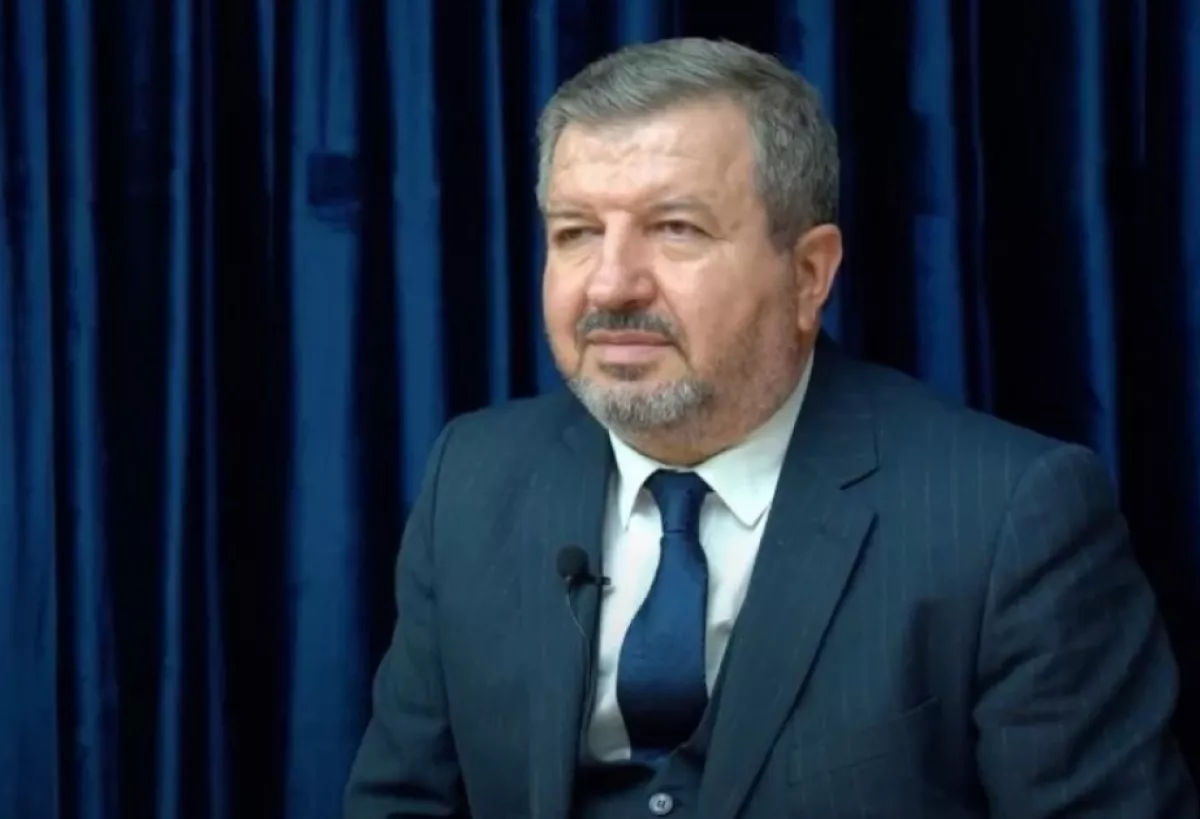
Political scientist and professor at Ankara Üniversitesi, Toghrul Ismayil, noted that Jean-Noël Barrot’s statement in support of the normalisation of relations between Türkiye, Armenia, and Azerbaijan can be seen as an attempt by Paris to adjust its previous approach, which in recent years has been perceived in the region as one-sidedly pro-Armenian and, as a result, largely unconstructive.
“France is effectively acknowledging that the reopening of borders and the restoration of transport and communication links are key elements of sustainable peace and economic development in the South Caucasus. This is an important signal; however, for now it appears to be more a shift in rhetoric than a comprehensive revision of policy,” the professor emphasised.
In his view, it is still premature to speak of a full restoration of trust between France, on the one hand, and Türkiye and Azerbaijan, on the other.
“For Baku, the key issue remains Paris’s neutrality, while for Ankara it is France’s abandonment of an ideologised approach and its practice of exerting pressure through European institutions. Diplomatic statements alone are insufficient to address these concerns.”
According to the expert, the reasons behind France’s more restrained and pragmatic tone lie in the changed regional status quo. Following the definitive conclusion of the Karabakh conflict and the emergence of new realities, it has become clear that developments in the South Caucasus are increasingly shaped within a regional framework, compelling external actors to adapt in order not to be sidelined.
“Thus, France’s position can be described as a cautious move toward realism; however, its practical substance will become evident only through concrete actions rather than declarative statements,” Ismayil concluded.
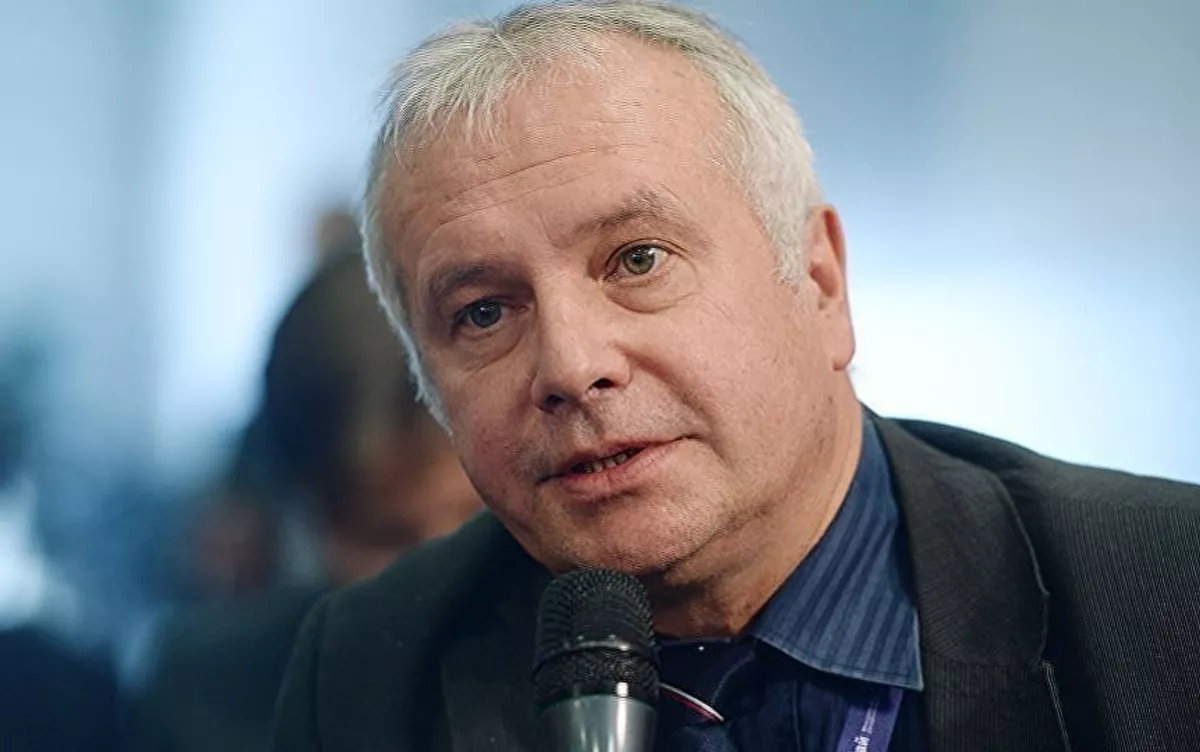
German political scientist and professor at the Institute for International Politics WeltTrends (Potsdam), Alexander Rahr, noted that EU leadership has begun seriously considering the scenario of Armenia moving out of Russia’s orbit and closer to the EU and NATO.
“Many in Europe believe that Russia is gradually ‘losing’ its influence over the Collective Security Treaty Organisation (CSTO) and the Eurasian Economic Union. In their view, a closer strategic partnership between the European Union and Armenia could open doors for the West in the South Caucasus. At the same time, Brussels is well aware that real rapprochement and European alliance with countries in the region is possible only if Türkiye is included in this broader framework. The prospect of pushing Russia out of the South Caucasus may seem very attractive to London, Paris, and Berlin, but at present it remains largely unrealistic,” the German expert argued.
He recalled that France has traditionally held a special position regarding the Azerbaijan-Armenia conflict, largely due to the strong influence of the Armenian diaspora on French politics.
“However, today, France, like Germany, is focusing its efforts on curbing Russia’s influence in the post-Soviet space. Paris, together with Berlin and other European capitals, is prepared to work on developing a common strategy to bring Europe closer to all three South Caucasus countries, with Türkiye playing an active role,” Rahr concluded.







 editor@caliber.az
 +994 55 444-88-98
 Азербайджан, Баку, ул. Низами, 203, Af Business House, 5-й этаж