










Red lines of the Kremlin and the grey zones of the West Can Western forces really hold Ukraine?
Ukraine and its Western partners have reached an agreement on a military response to a potential violation by Moscow of a future ceasefire agreement, Financial Times reports, citing sources familiar with the discussions. According to the plan, within the first 24 hours after a possible Russian provocation, the Ukrainian army is to respond, accompanied by a diplomatic warning.
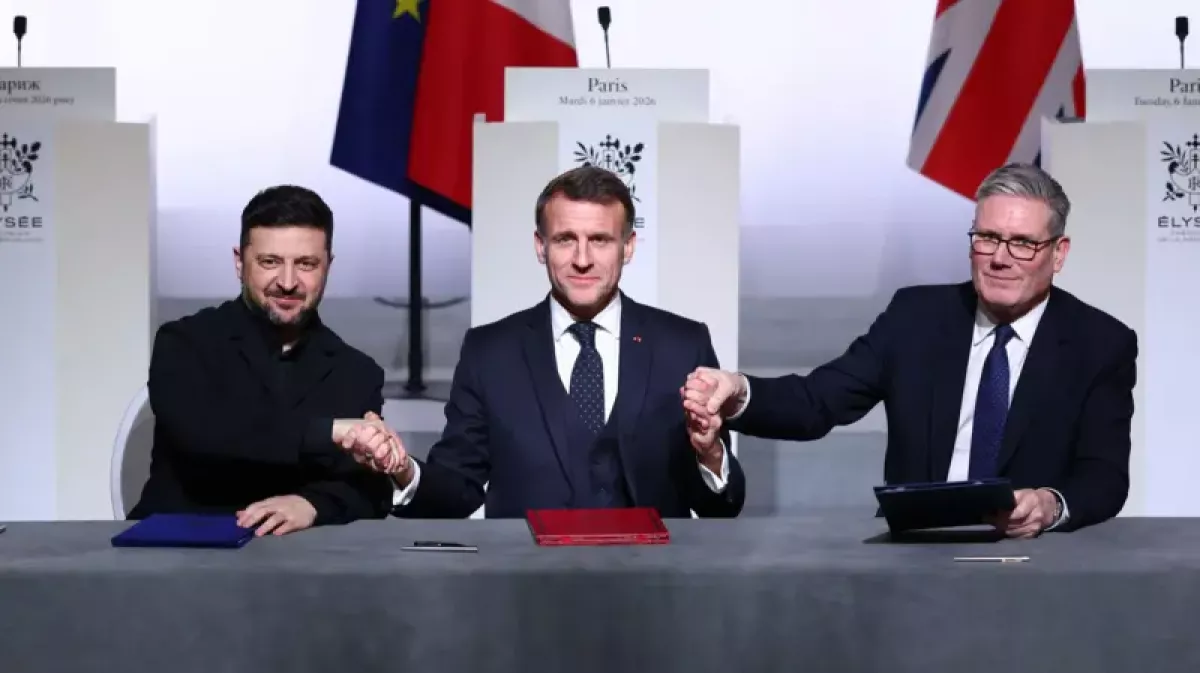
If hostilities continue after the warning, a second phase of intervention would be launched using forces from the so-called “coalition of the willing,” which, according to FT sources, would include EU member states as well as the United Kingdom, Norway, Iceland, and Türkiye.
If provocations by Russia escalate into a full-scale attack, coordinated military action by Western-backed forces, including the U.S. military, could begin 72 hours after the initial ceasefire violation, officials note.
How effective could such conditions be in practice? What exactly would count as a ceasefire violation — one drone or five, one artillery strike or twenty? And what level of European troop presence in Ukraine are their governments willing to commit — a few hundred, or, say, 10,000 soldiers?
Renowned foreign experts shared their assessments on these questions with Caliber.Az.
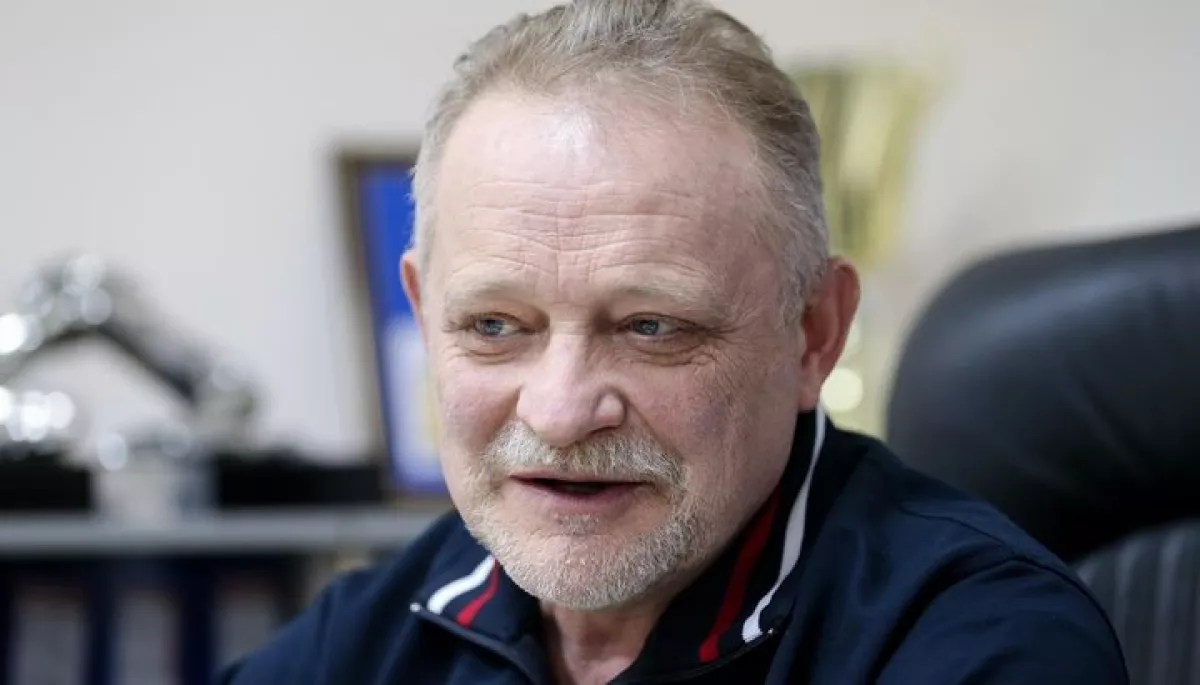
Ukrainian political strategist and head of the analytical centre Third Sector, Andriy Zolotaryov, is not inclined to take the Financial Times report seriously for now.
“There is currently too much disinformation and media manipulation. Without a concrete document, it is premature to make any claims. Journalists often compensate for the lack of facts with flights of fancy.
As for the plan itself, it already raises many questions.
First, we clearly remember February 2022. In 72 hours, a significant part of Ukraine was occupied, including the south. The Zaporizhzhia nuclear plant, the northern part of Kyiv region, Sumy, and Chernihiv regions fell under enemy control. In effect, the enemy was at the gates of Kyiv. According to the described plan, during this time, the idea is to issue warnings and hold consultations. From a military standpoint, this raises serious doubts about feasibility and effectiveness.
Second, even 10,000 troops, given the enormous length of the front, are not a force capable of stopping the aggression.
Third, Europeans, it seems, are terrified of direct military confrontation with Russia. The same caution applies to the U.S., as Donald Trump himself stated that there would be no Third World War over Ukraine. Therefore, the question of American troops being present on Ukrainian soil is, in fact, not even on the table,” Zolotaryov said.
From this, the expert notes, a key question arises — how realistic and reliable is such a plan at all.
“The Kremlin has repeatedly stated that the presence of European troops representing NATO member states is absolutely unacceptable and is regarded as a red line. How it is then supposed to act remains unclear. Therefore, the question of security guarantees remains vague and largely theoretical.
What is being offered to Ukraine today as guarantees is, in spirit, reminiscent of the Budapest Memorandum: in exchange for tangible nuclear weapons, the country received virtual guarantees of moral support. And the subsequent events are well known from the lessons of 2014–2022, when one of the guarantor countries effectively acted as the aggressor. These are facts.
Therefore, I would leave the Financial Times publication to the conscience of the journalists and would not consider it a formal or viable plan for Ukraine’s security guarantees,” Zolotaryov emphasised.
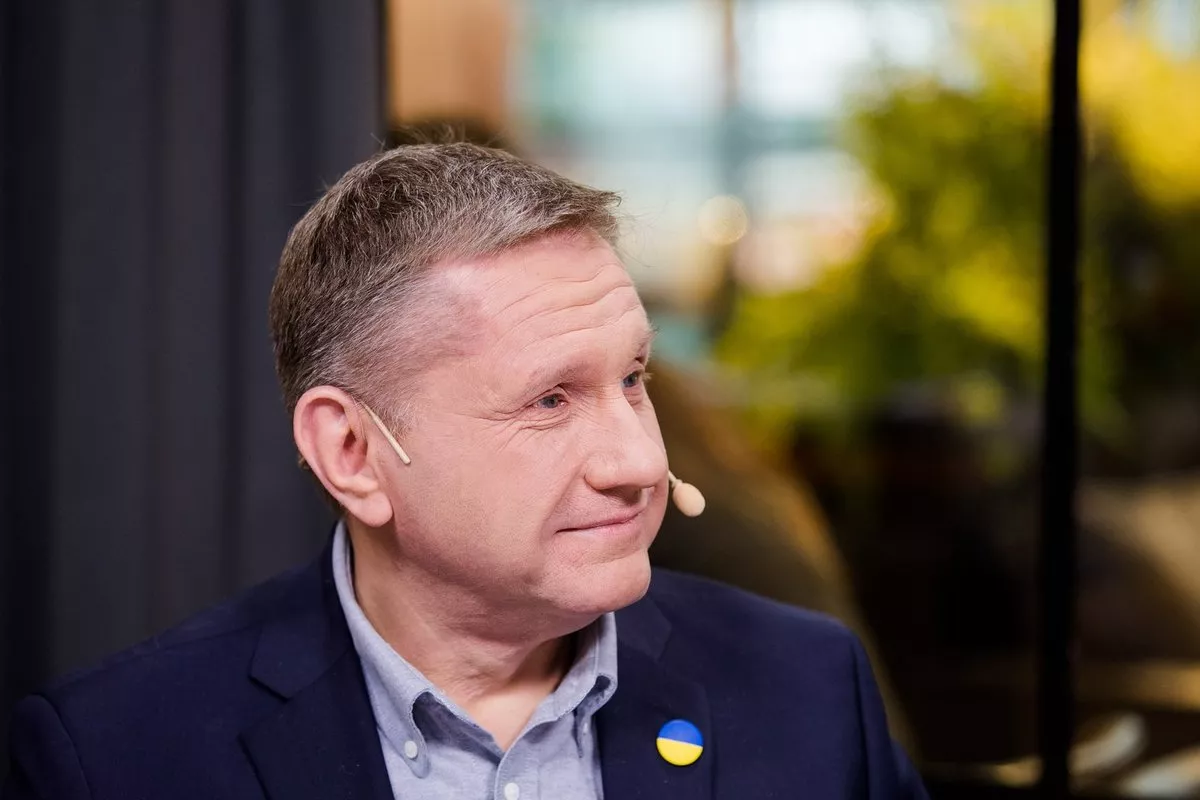
Political analyst and Deutsche Welle columnist Konstantin Eggert (Vilnius) stated that if the Financial Times sources are indeed conveying the real content of the discussions, he is almost certain that Putin would not agree to such an agreement.
“He has repeatedly demanded that there be no Western peacekeeping contingents in Ukraine under any circumstances. The scenario in which he would agree to allow leading NATO allies, including the United States, to strike Russian forces within two or three days seems to me absolutely fantastical.
If such a scheme were actually adopted, it would mean that Putin had undergone some completely unexpected psychological change. Therefore, I do not believe in such an agreement, nor do I think that, under the current Russian regime, any durable and stable peace is possible,” Eggert emphasised.







 editor@caliber.az
 +994 55 444-88-98
 Азербайджан, Баку, ул. Низами, 203, Af Business House, 5-й этаж