










Strait of Hormuz crisis: implications for the South Caucasus Expert opinions on Caliber.Az
The closure of the Strait of Hormuz, triggered by the escalating conflict between Iran, the United States, and Israel, has acted as a catalyst for rising energy prices. In peacetime, around 20 million barrels of crude oil and petroleum products pass through this 33-kilometre-wide maritime artery daily, accounting for roughly a quarter of global seaborne oil trade and a fifth of the world’s oil consumption.
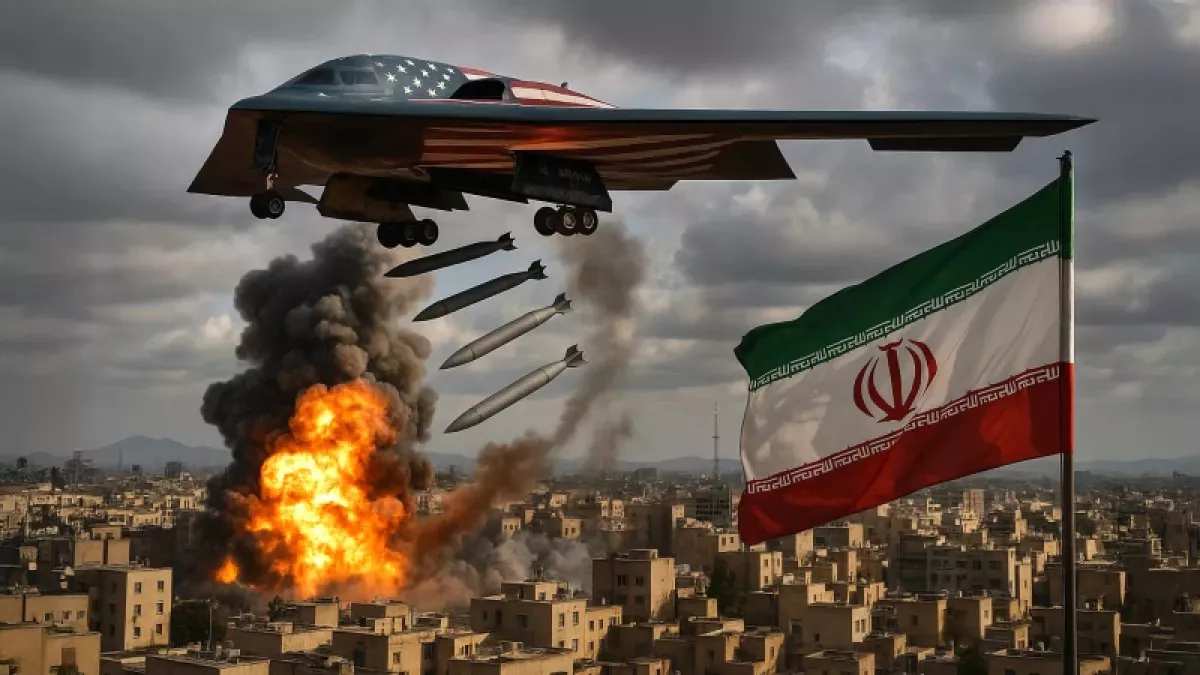
However, analysts note that this is just the tip of the iceberg. The effective blockade of the strait has disrupted supply chains for other critical goods as well, and its effects are expected to soon be felt in the economies of many countries worldwide.
But what impact does the situation around the Strait of Hormuz have on the economies of the South Caucasus and Central Asia? Georgian and Kazakh experts provide their insights to Caliber.Az.

The Georgian political analyst and commentator Giya Kuchava noted that the blockade of shipping in the Strait of Hormuz has already driven up oil prices, and following this, the cost of goods stranded in the strait—unable to reach global markets—may also begin to rise.
“Besides oil and gas, vessels carrying fertilisers and containers with electronic chips are stuck in the strait, which increases the risk of price surges for these products. As a result, there is a possibility of both food and technological crises with significant global repercussions. At present, the most acute problems are in the energy sector, with prices threatening to destabilise the economies of many countries. This has led to serious discussions about shifting logistics corridors from this region to others. This is, of course, an extremely complex and prohibitively expensive undertaking, but if the crisis persists and escalates, concrete work on this issue may begin. For example, many airlines that previously flew through Iranian airspace have now changed their logistics, and one of the new critical air corridors is the South Caucasus.
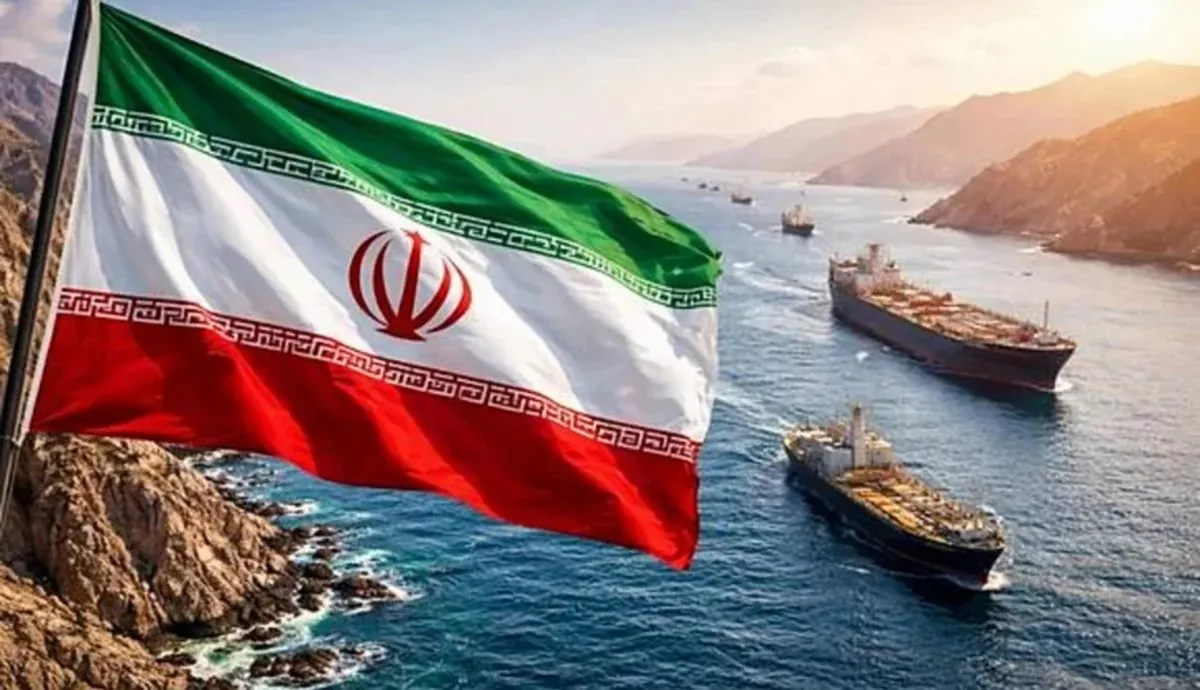
Assessing the situation around the Strait through the lens of unprecedented energy price surges, one could say it is, so to speak, a double-edged sword: on one hand, countries that purchase oil and petroleum products face the risk of budget collapse, while on the other hand, energy-exporting states stand to benefit. Applied to the South Caucasus, it becomes evident that Azerbaijan is emerging as a key supplier for countries in need of energy, and the demand for Azerbaijani oil and gas is expected to rise.
Meanwhile, Armenia, which is not an energy exporter, is unlikely to see such revenues. An important factor in the context of supplies is Kazakhstan, which can export its oil to Europe via pipelines through the Caspian Sea. Georgia will also benefit from these operations. However, it should be noted that even countries remaining profitable during such crises risk losing part of their income due to shortages of other critical goods stranded in the Strait of Hormuz. In this situation, there are no real winners,” emphasised Kuchava.

According to Sharip Ishmukhamedov, a political science candidate, economist, and Kazakh political analyst, the fact that tankers are literally “burning” in the Strait of Hormuz, in addition to soaring oil prices, is prompting many countries to seriously consider alternative routes for oil, gas, and other goods. In this context, the role of the Middle Corridor as a reliable route bypassing crisis regions is increasing.
“Due to the unprecedented rise in oil prices, the profitability of delivering Caspian oil to Europe increases simply because the production cost of this oil is significantly higher. Pipelines, railways, and oil pumping are expensive undertakings, but they become economically viable if oil prices exceed $60 per barrel. I believe that in the current geoeconomic situation, the Middle Corridor will increasingly be viewed as an alternative export route and a means to ensure the energy security of the entire European Union. We see that, amid growing risks to traditional supply routes, the importance of the South Caucasus and Central Asia as transit regions is rising. This is certainly a positive development in terms of strengthening the role of these regions, increasing their strategic significance, and attracting additional investment,” he emphasised.
At the same time, the expert pointed out the dual nature of the consequences: “The negative side is that rising energy prices primarily hit energy-dependent economies. In our regions, this includes countries such as Armenia, Georgia, Kyrgyzstan, and, to some extent, Uzbekistan and Tajikistan. These states either lack their own resources or have them in limited supply, so any increase in oil and gasoline prices automatically leads to inflation, reduced purchasing power, lower economic activity, and a decline in trade turnover. This is a systemic blow to the economy that affects almost all sectors.”
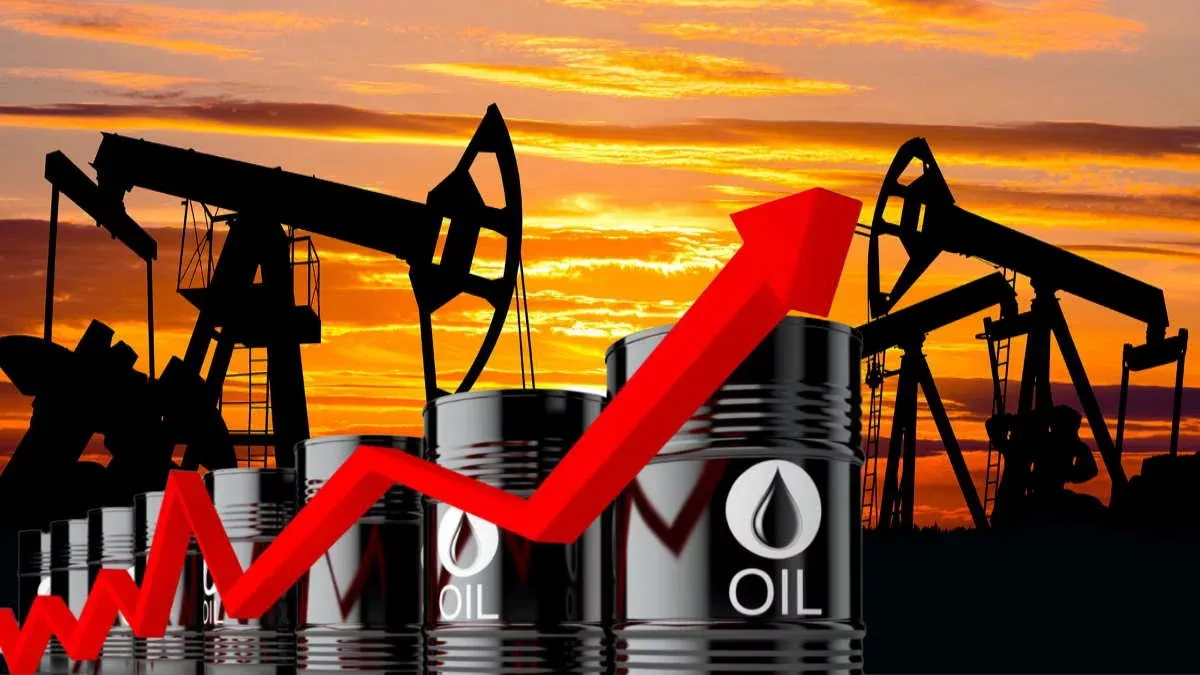
The political analyst also highlighted a paradox for oil and petroleum exporters: “There is a common belief that the higher the price of oil, the better it is for exporting countries, but this is not entirely true. When prices exceed, say, $100 per barrel, it begins to work against the industry itself: risks in the energy business increase, transportation and insurance processes become more complicated, and at the same time, it becomes economically viable to accelerate the transition to alternative energy sources. In other words, high prices effectively push the world away from oil. As the cost of ‘black gold’ rises, we are seeing increased investment in energy-efficient technologies and green energy. Investors are increasingly concluding that the future lies in these directions. In this sense, current crises only accelerate processes that were already underway, and it is quite possible that the oil age will end not because oil runs out, but because a new economy emerges in which it plays a secondary role—just as the Stone Age once came to an end.”
Speaking about geopolitical risks, he noted that the crisis surrounding the Strait of Hormuz vividly demonstrates the vulnerability of the global economy, which depends heavily on traditional energy sources.
“This is a clear example of how dangerous excessive concentration of supply can be and how important it is to develop alternative routes and sources. It also sends a signal to all market participants—both producers and consumers—about the need for strategic transformation. However, despite the complexity of the situation, I believe a resolution can be found relatively quickly, because the risks of infrastructure destruction, market losses, and urgent rerouting of flows are too high, and no one—exporting countries, consuming countries, or transit states—has an interest in such outcomes. Therefore, I expect that a solution could emerge within the coming weeks: just as the situation escalated rapidly, it could stabilise just as quickly, since the global energy market is too interdependent for prolonged crises of this kind,” concluded Ishmukhamedov.







 editor@caliber.az
 +994 55 444-88-98
 Азербайджан, Баку, ул. Низами, 203, Af Business House, 5-й этаж