










“No slice for Russia”: Armenia stands firm on the Trump Route Expert opinions on Caliber.Az
"Trump Route for International Peace and Prosperity" — TRIPP continues to attract the attention of many countries around the world, showing a clearly genuine interest in the project.
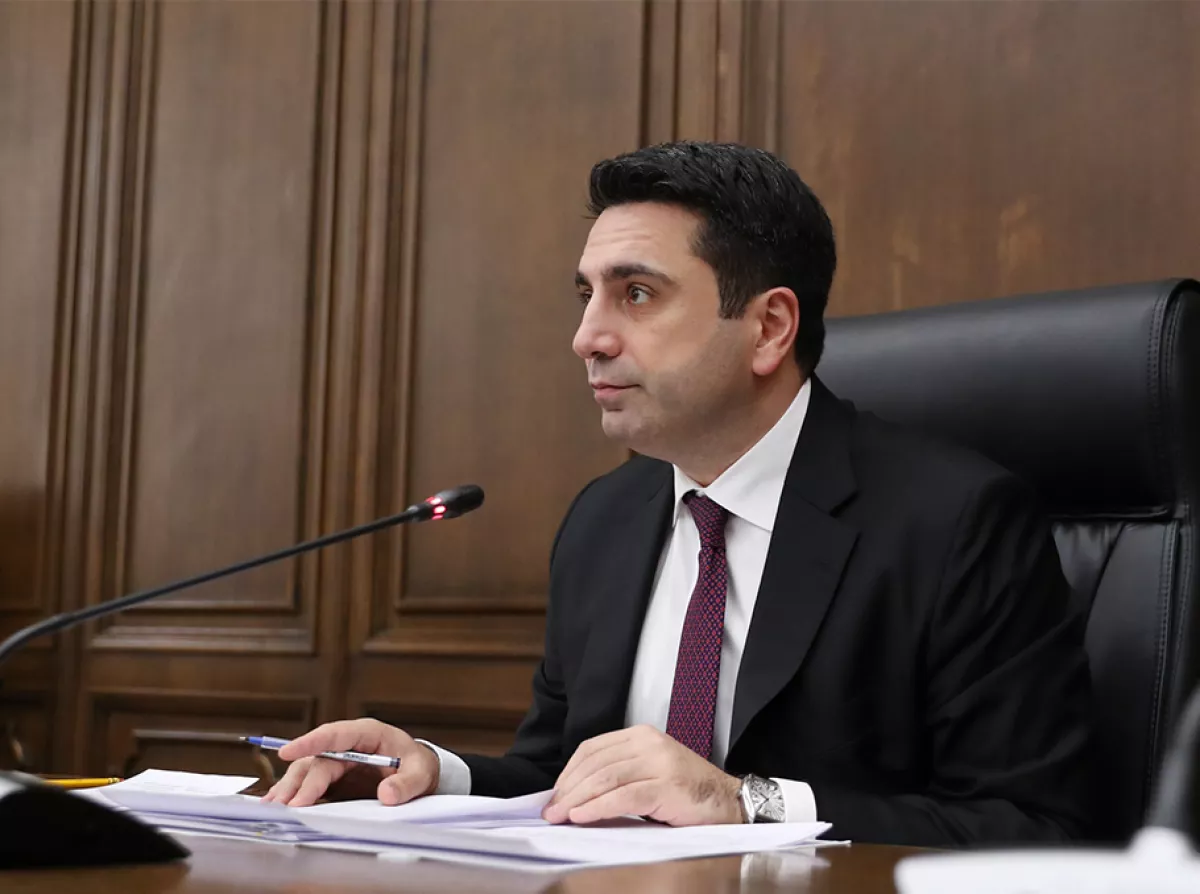
Recently, the Speaker of the National Assembly of Armenia, Alen Simonyan, in an interview with Factor TV, essentially responded to a recent statement by the official representative of the Russian Foreign Ministry, Maria Zakharova, in which Russia confirmed its readiness to explore possible options for joining the “Trump Route”, “including taking into account the unique expertise of Russian Railways (RZhD).”
The Armenian parliamentary speaker specifically emphasised that Russia’s participation in the TRIPP project is not being considered, as it was originally conceived as an Armenian-American initiative, and involving other countries would undermine its effectiveness.
"If we are talking about opening any route or road, in my opinion, this should be done as a separate initiative. Within the framework of TRIPP, it seems somewhat absurd, as it would essentially mean doing everything to prevent TRIPP from working," he stated.
Thus, in this case, the Russian side found itself in a situation of conflicting interests, while Yerevan clearly defined its position regarding Russia’s participation in the “Trump Route.” What do the neighbouring countries think about the positions of the parties involved? Caliber.Az addresses this question with insights from experts across the CIS.
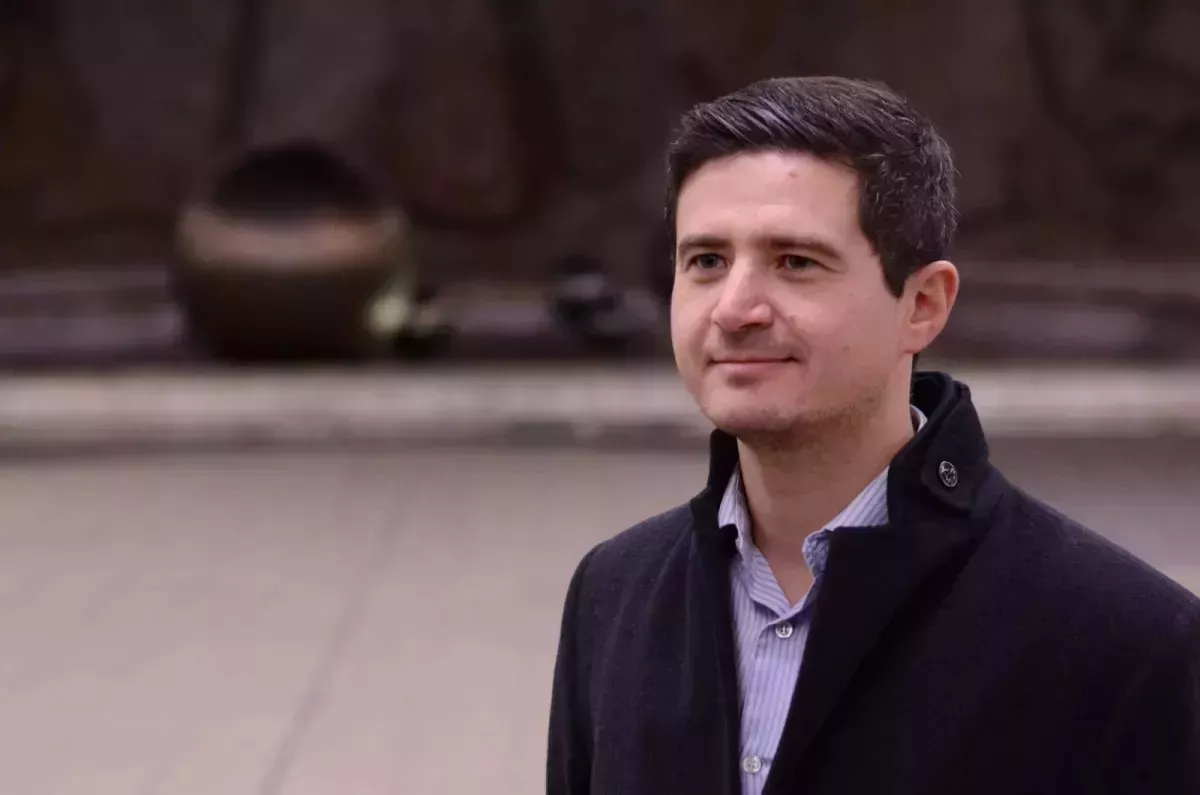
Political analyst and chief expert at the Belarusian Centre for Analytical Forecasting, Alexey Chernov, believes that Russia is, in a sense, currently gaining some benefit from a rather unclear strategy in the South Caucasus, although a more diplomatic approach could have been chosen in this context.
"Russia still has a chance to jump on the bandwagon, but it will be more difficult to do so now. If we analyse all the statements regarding TRIPP made over the past six months, primarily by the official representative of the Russian Foreign Ministry, Maria Zakharova, we can see that Russia’s position has been cautious and detached, without any clear initiatives or attempts to negotiate with the Armenian side or propose any cooperation models. It is immediately apparent that Moscow has not conducted, and is not conducting, any behind-the-scenes talks with Yerevan on this issue, and if such talks did take place, they were extremely careless in nature.
It is obvious that Russia assumed that its ownership of Russian Railways (RZhD) and the network of Armenian railways—formally subordinated to the company’s assets—would sooner or later make Yerevan more compliant and willing to negotiate. However, this clearly represents, as the saying goes, an overestimation of its leverage. Essentially, this is about maintaining a sphere of influence in the region, and even by doing ‘nothing,’ Russia retained significant advantages in this game.
But, I repeat, Moscow’s foreign policy in recent months has lacked constructiveness. In particular, we heard lengthy statements claiming that Russia sees the South Caucasus as ‘a zone of its interests and will not tolerate interference from third parties,’ yet in practice, these remained mere words, immediately forgotten after being voiced. Meanwhile, Zakharova’s statements were usually filled with messages like Russia ‘is considering’ or ‘studying’ the possibilities of its involvement in unblocking regional communications, as if someone had begged it to do so.
Meanwhile, Prime Minister Pashinyan has mentioned several times that Armenia needs Russia’s involvement in restoring key railway communications that connect to transit routes beyond the country’s borders, and he was waiting for a response from Moscow—that is, a constructive and clear proposal. However, the Russian side once again demonstrated imperial indifference, whereas the approach should have been precisely the opposite, especially following the harsh lesson from Washington on August 8 last year.
On the other hand, Zakharova’s recent statement came across as a favour to Yerevan, something along the lines of ‘we’ll consider it, if you ask nicely.’ Yet Pashinyan’s recent disappointment regarding cooperation with RZhD in restoring communications within Armenia showed that there had apparently been some discussion with one of the Kremlin towers, where the prime minister seemingly received a negative response—meaning that, instead of negotiating, Moscow apparently decided to ‘pass the Armenian leader off.’
Russia has dragged out this behind-the-scenes bargaining for too long, clearly trying to raise the stakes, which is why it received such a blunt critique from the Armenian parliamentary speaker. In my view, as I noted earlier, Moscow still has a chance to reach an agreement with Yerevan and regain some of its influence in Armenia, but it must act more proactively, adopting a more skillful strategy of dialogue on equal terms rather than from above,” said Chernov.
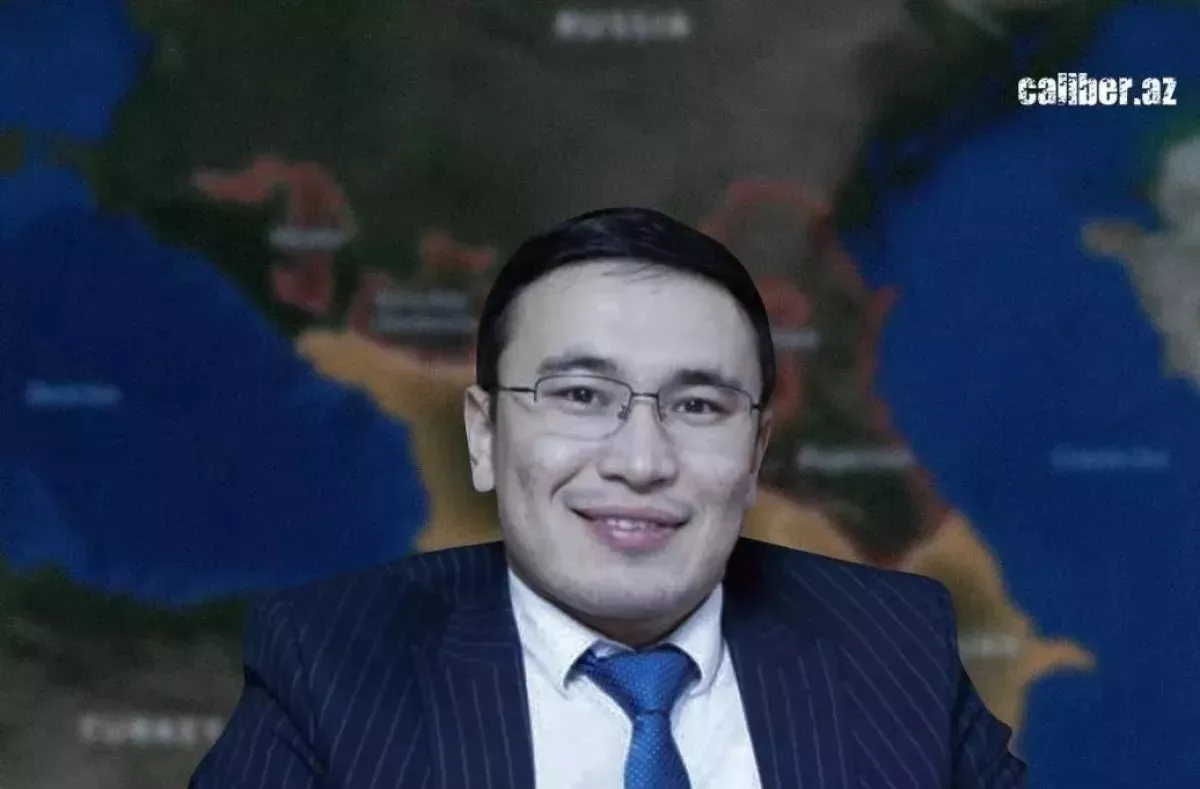
At the same time, according to Kazakh political analyst Azat Akhmetov, Armenia, in general, owes Russia nothing and has every right to decide together with the United States who will act as a moderator or shareholder of TRIPP, since Russia essentially has no role in the agreements made in Washington.
"Moscow’s excessive confidence in what it considers its unshakable positions in the South Caucasus is evident in the official statements of the Russian Foreign Ministry, even though the region is currently experiencing the most dynamic reshuffling of influence. There is a clear sense that Russia is demanding concessions from Yerevan regarding a stake in the 'Trump Route' and is putting pressure on Pashinyan. Meanwhile, Armenia appears to be exploring alternative options and has no particular intention of agreeing to Moscow’s demands.
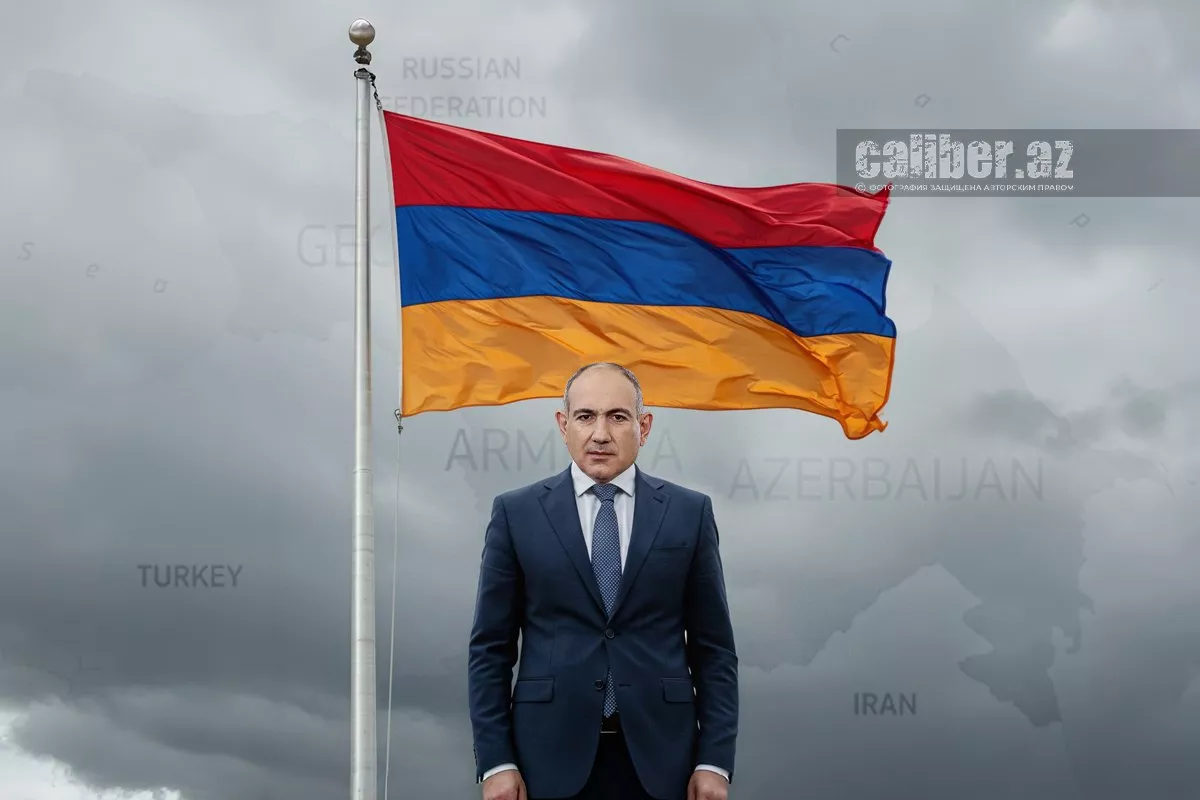
And it is important to note that the Armenian prime minister has already neutralised Russian influence in the region once, turning the Armenian section of the Zangezur Corridor into TRIPP by agreement with Azerbaijan—without asking for Russia’s consent. Therefore, it is reasonable to assume that at some point he could go further and simply take some of the railways out of RZhD’s assets in Armenia, which, by the way, he recently stated quite unambiguously.
It is clear that Yerevan is not bound hand and foot, as Russia believes: confident in American guarantees, Pashinyan is unlikely to yield to Moscow’s pressure or cede any part of TRIPP to the Russian side. Thus, Yerevan has no intention of sharing the ‘Trump Route’ with Russia or giving it a slice of the pie," concluded Akhmetov.







 editor@caliber.az
 +994 55 444-88-98
 Азербайджан, Баку, ул. Низами, 203, Af Business House, 5-й этаж