










Data of 15 million Kazakh citizens allegedly sold on dark web PHOTO / UPDATED
The purportedly stolen personal data of 15 million Kazakhstan residents being offered for sale online is fraudulent, Kazakhstan’s Ministry of Digital Development said.
Authorities confirmed that no breach or compromise of the country’s information systems had occurred, Caliber.Az reports, citing the ministry.
10:41
Data belonging to 15 million residents of Kazakhstan — roughly three-quarters of the country's population — has reportedly been offered for sale on the dark web, with the seller claiming the information was obtained through a breach of the government's eGov service.
The database was reportedly listed by a user operating under the nickname shymzz13, who is asking 0.5 bitcoin for the file, worth about $32,000.
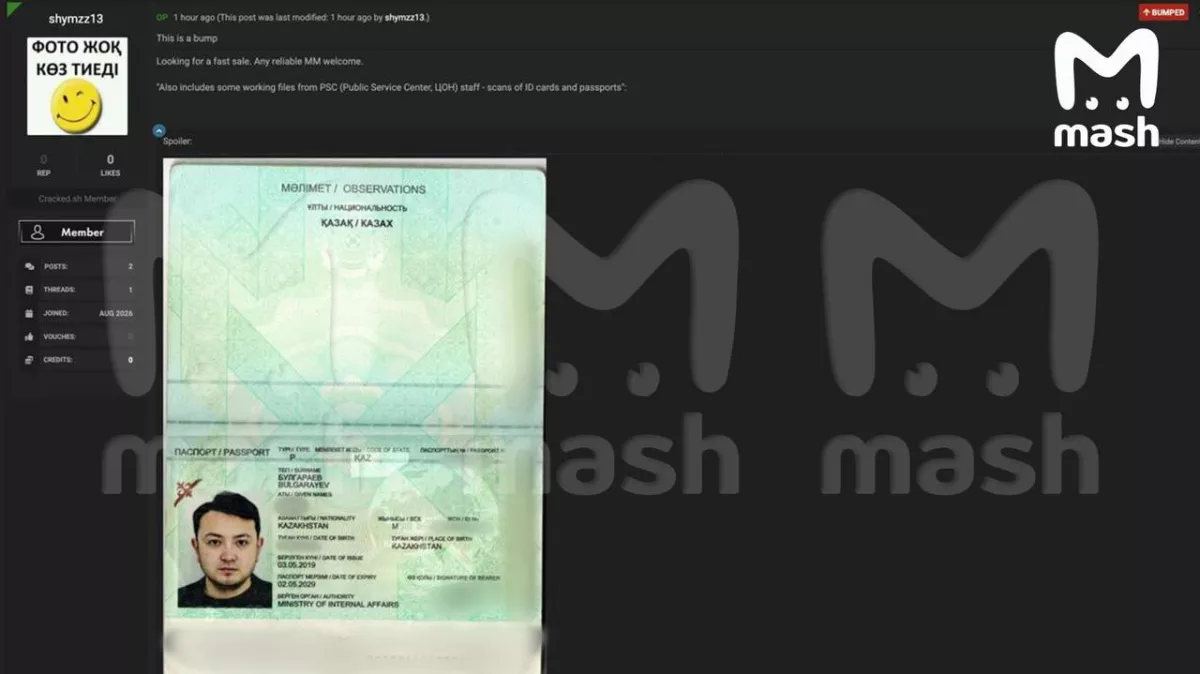
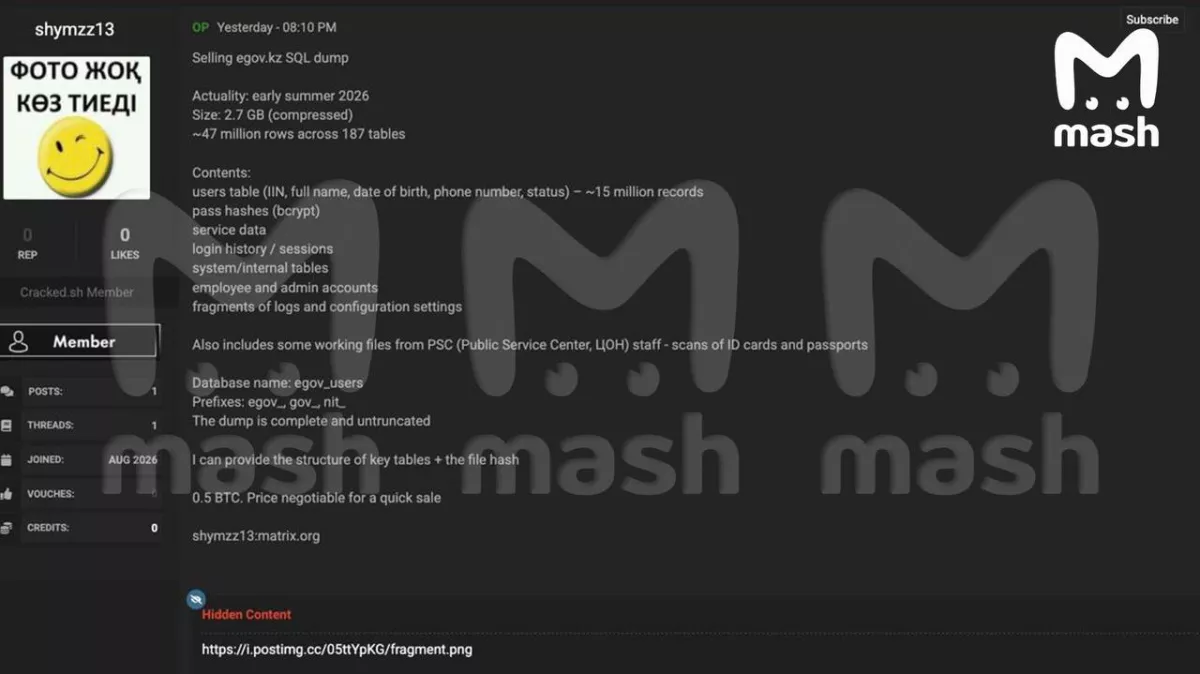
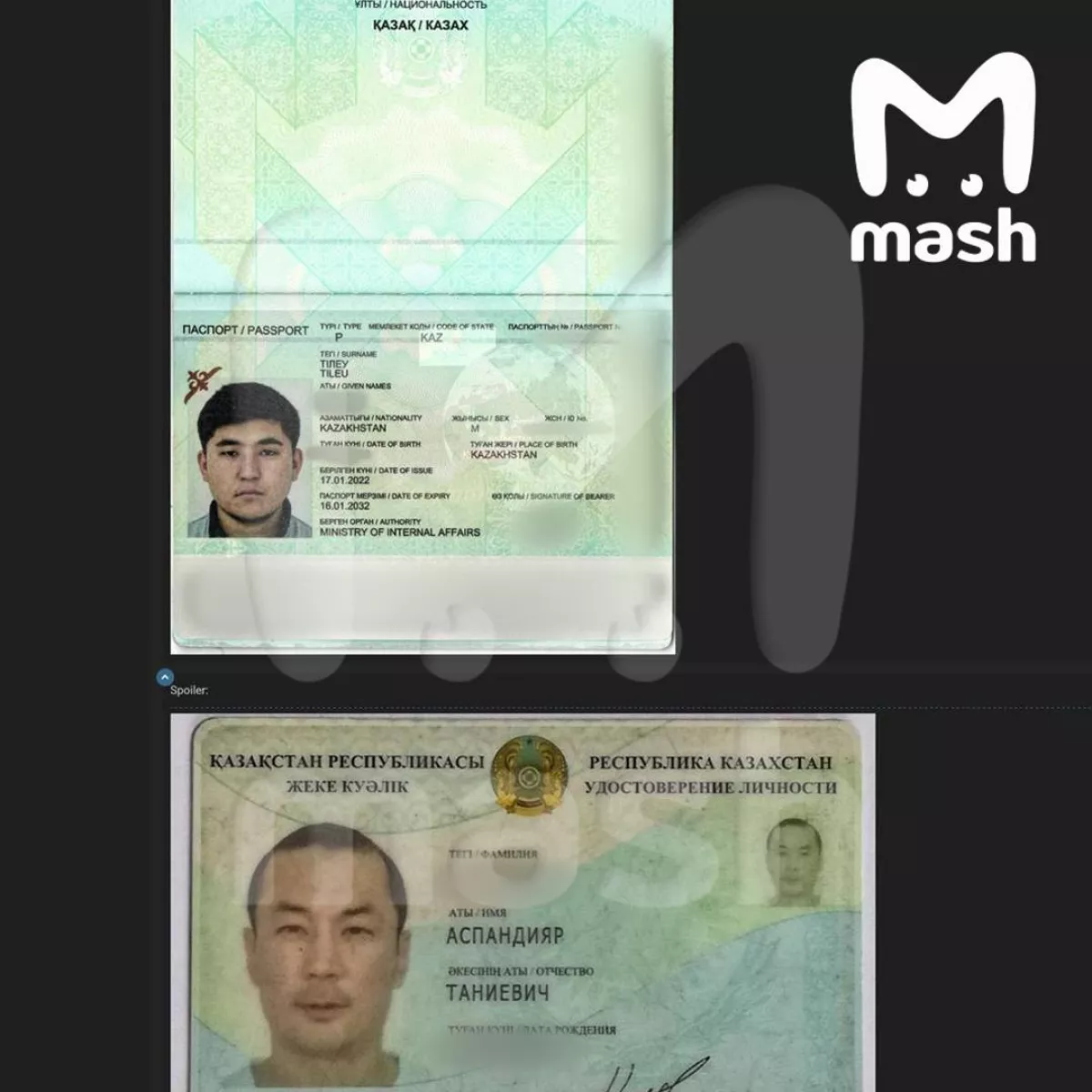
The 2.7-gigabyte file allegedly contains 47 million records, including passport details, telephone numbers, email addresses, places of employment, document scans and passwords.
The claims come amid a series of recent data-security concerns surrounding Kazakhstan's eGov platform. In early August, the service reportedly gave users access to other people's personal pages. In the spring, a Kazakh financier who registered a company through the platform began receiving advertising calls just hours after completing the registration.
In June, law enforcement agencies in the Zhetysu region seized a database containing nearly 16 million records on Kazakh citizens from employees of a debt-collection agency. The database included individual identification numbers, telephone numbers and residential addresses.
Authorities are investigating the illegal storage and use of personal data. The investigation involves internal affairs authorities, the prosecutor's office and the National Security Committee.
The latest reported database sale also comes against the backdrop of a major personal-data leak disclosed in Kazakhstan in the summer of 2025.
The Ministry of Artificial Intelligence and Digital Development said at the time that the leak was most likely not caused by a direct breach of state information systems. Instead, it said, the data was probably exposed through the improper use of legitimate access to government databases.
A subsequent review found that most of the compromised information had already been exposed in 2022. Kazakhstan later opened a criminal investigation into the illegal collection and sale of citizens' personal data.
By Tamilla Hasanova







 editor@caliber.az
 +994 55 444-88-98
 Азербайджан, Баку, ул. Низами, 203, Af Business House, 5-й этаж