










“Trump Route” and Moscow’s interest Russia maintains a tight grip on Armenia
The interest of global actors in the “Trump Route for International Peace and Prosperity” – TRIPP (the section of the Zangezur Corridor that will pass through Armenian territory) – is growing, as they say, not by days but by hours. For instance, the Russian Federation has expressed its intention to get involved.
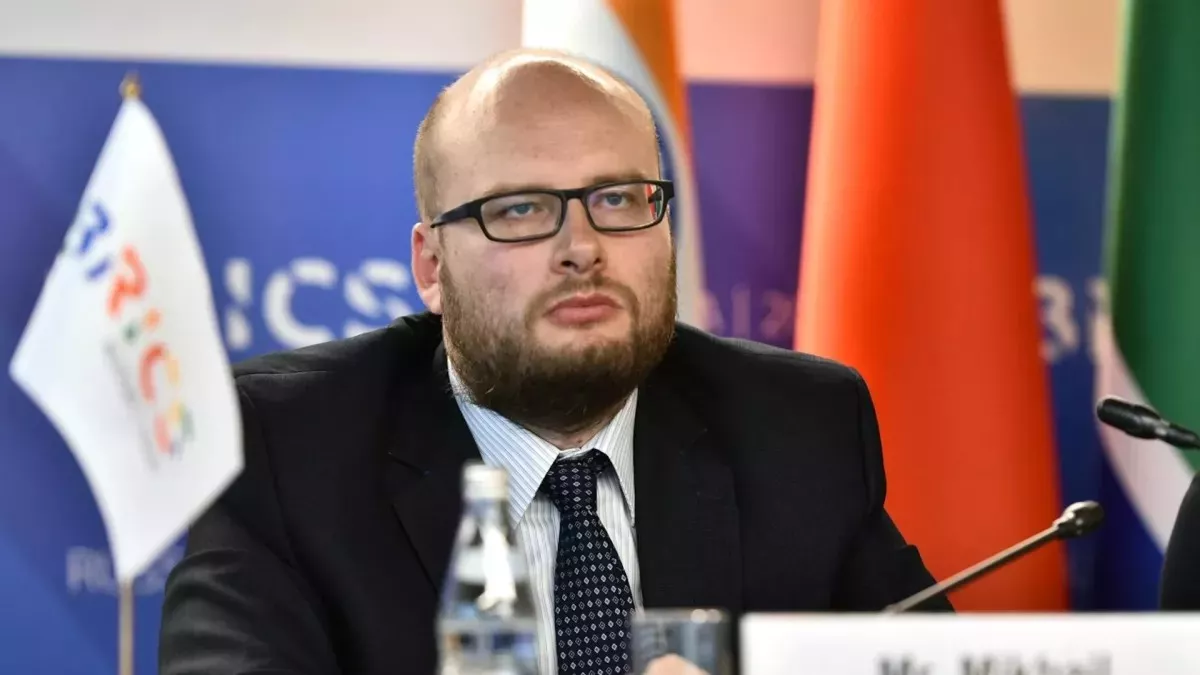
Mikhail Kalugin, Director of the 4th Department for CIS Countries at the Russian Ministry of Foreign Affairs, stated that “We are ready to hold consultations with our Armenian partners on both the parameters of this initiative and Russia’s possible involvement.” At the same time, he did not fail to emphasise that the company “South Caucasus Railway” – a subsidiary of JSC “Russian Railways” – holds a concession to manage Armenia’s railway network, and that Russian railway gauge is used in the region.
Frankly speaking, this initiative from Moscow came as something of a surprise, considering that the Russian side had reacted cautiously to the news of the signing of the agreement to implement this project in Washington. However, it appears that after careful consideration, the Kremlin concluded that participation was necessary, and in our view, this decision is driven by the following factors.
First, Russia intends to regain its lost positions in Armenia, which indicates that Moscow does not plan to abandon its ambitions in the South Caucasus.
Second, the economic aspect plays a significant role here, which is particularly important for Russia, especially given the current harsh Western sanctions and the ongoing war in Ukraine.
Third, by showing interest in TRIPP, Moscow seeks to demonstrate its commitment to the Armenian-Azerbaijani settlement and the establishment of peace in the region, as repeatedly stated by representatives of the country’s foreign ministry. There is, however, one nuance: in doing so, the Russian side does not miss an opportunity to remind of the 2020–2021 trilateral agreements, constantly emphasising that Russia is, so to speak, the architect of the “peace roadmap” between Baku and Yerevan. Yet, as expected, what is overlooked in this context is that despite all these trilateral agreements, during the following five years of the post-conflict period, the Russian side did not take any steps or actions to ensure that Armenia implemented these agreements, which left questions about the opening of transport communications in the region hanging in the air.
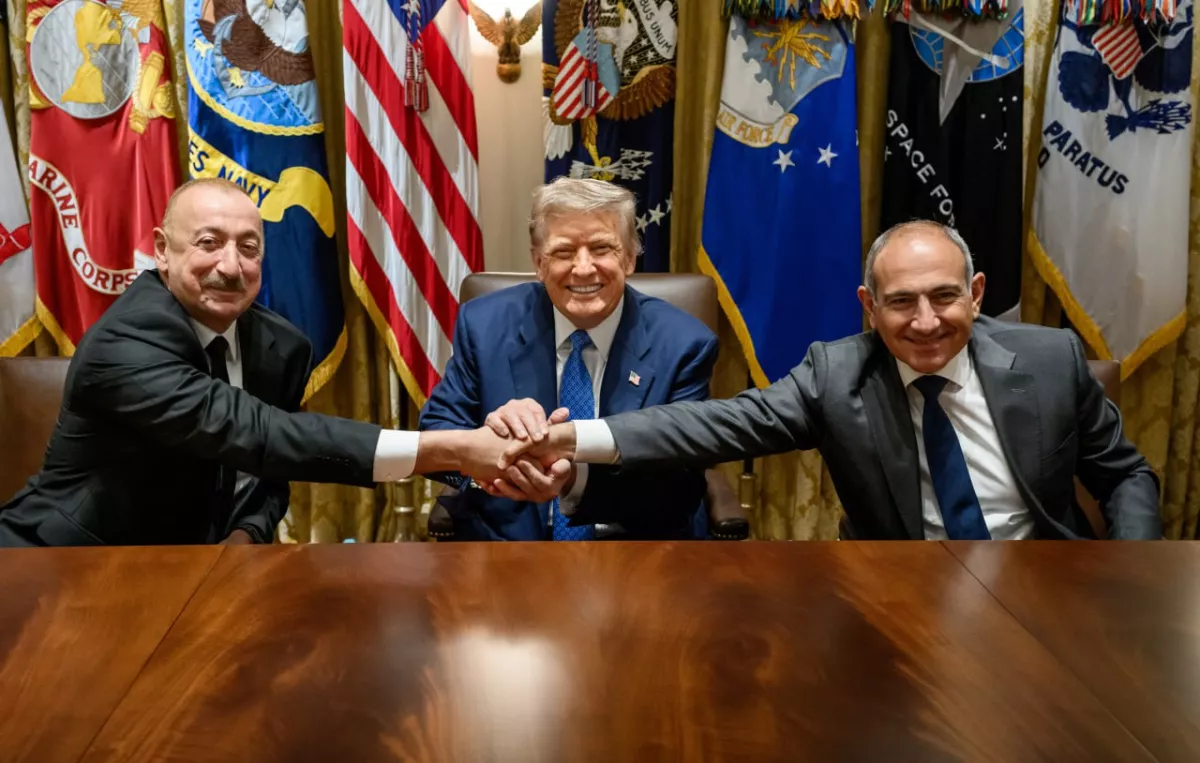
As we all remember, the Armenian-Azerbaijani normalisation process only gained momentum after the historic meeting in Washington in August of this year, where, in the presence of the leaders of Azerbaijan, Armenia, and the United States, the text of the “Agreement on Establishment of Peace and Inter-state Relations between the Republic of Azerbaijan and the Republic of Armenia” was initialled. Therefore, we believe there are every grounds to argue that Russia has no right to claim the status of key moderator in the Armenian-Azerbaijani settlement, since Baku and Yerevan reached the final stretch toward peace precisely as a result of negotiations on the American track.
However, let us return to Mikhail Kalugin’s “fresh” statement, or rather – to one curious point in it. The Russian diplomat emphasised that Yerevan and Washington “will not be able to do without Russia,” noting that the “Trump Route” will largely pass through areas under the responsibility of Russian border guards, while also reminding that Armenia is a member of the Eurasian Economic Union (EAEU).
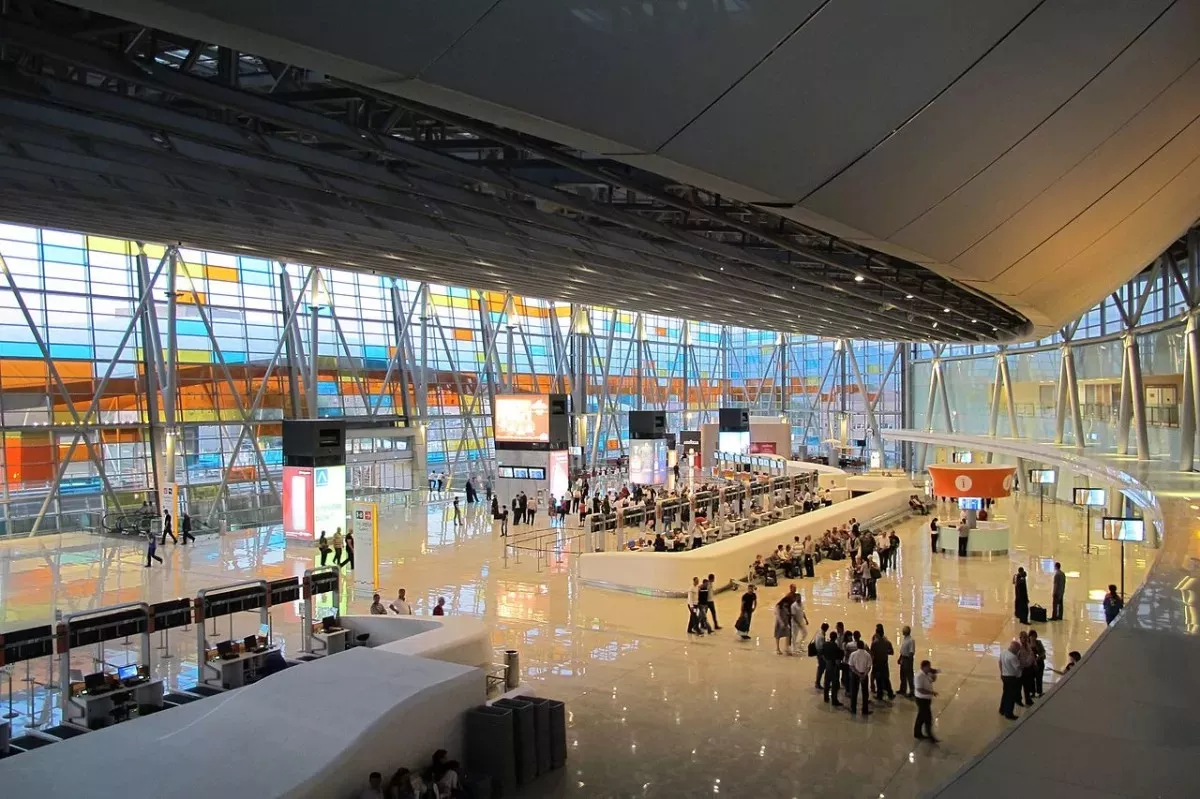
We believe that, given the sensitivity of the issue regarding the presence of Russian border guards in Armenia, the argument presented by Kalugin is difficult to call convincing. It is well known that FSB border guards of Russia, who had been stationed at the Zvartnots airport checkpoint together with Armenian personnel since 1992, were withdrawn in July 2024 in compliance with Yerevan’s request. Currently, Russian border guards are deployed along Armenia’s borders with Türkiye and Iran, providing joint security under bilateral agreements between the Republic of Armenia and the Russian Federation, although since 2025 the checkpoints on the Armenian-Turkish border have come under the control of Armenia's Border Forces.
However, the essence of the matter is that, against the backdrop of Armenia’s steady rapprochement with the West, no one can guarantee Moscow that Yerevan will not, in the future, demand the withdrawal of the remaining Russian border guards.
In addition to all this, one cannot ignore the reaction of Armenian authorities to Russia’s proposal regarding TRIPP, which is difficult to describe as optimistic, at least for now. For example, Ruben Rubinyan, Vice Speaker of the National Assembly of Armenia, stated that “there are no discussions with Russia regarding participation in the project”: “I cannot comment on or explain their statements; no such discussions exist!”
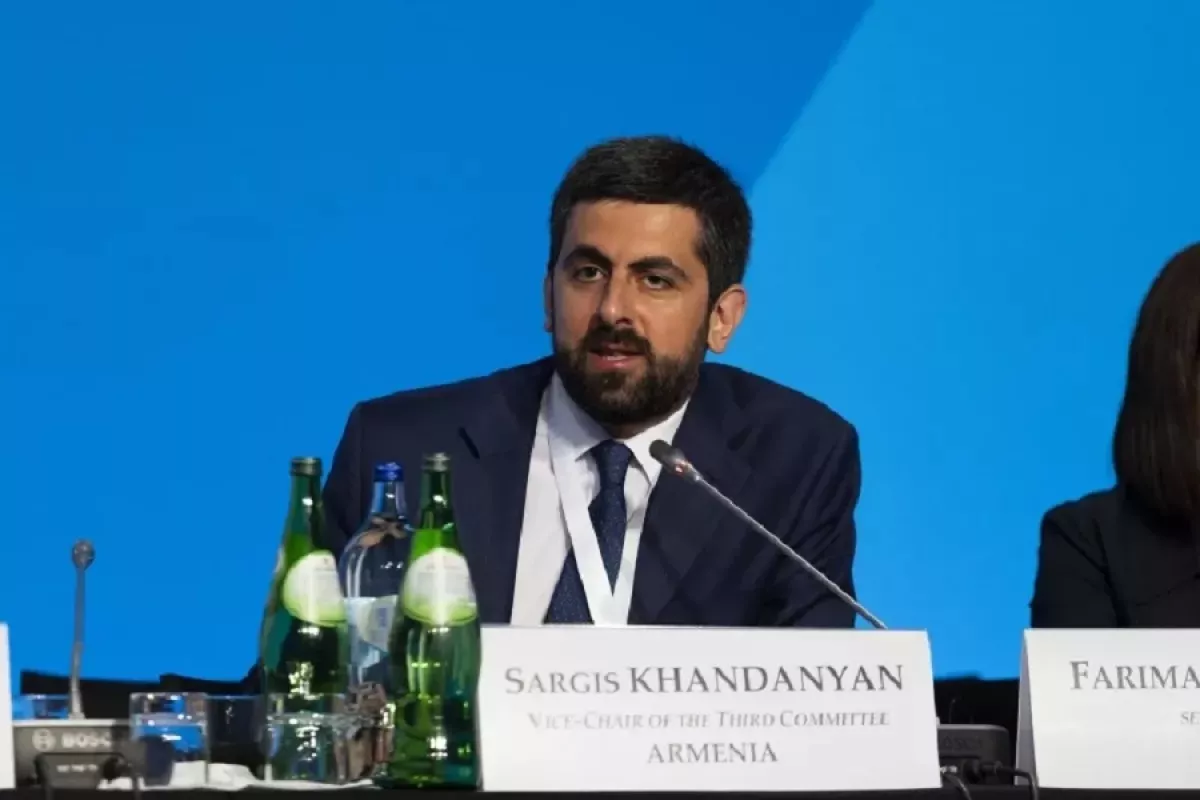
In a similar vein, Sargis Khandanyan, Chairman of the Foreign Relations Committee of Armenia’s parliament, stated that the participation of third parties in the project will be discussed later: “TRIPP is a bilateral project. Negotiations are being conducted between the Republic of Armenia and the United States, and questions regarding the involvement of any other parties will be discussed at a later stage.”
Thus, the Russian initiative to join the “Trump Route” project sends a clear signal, but the feasibility of its actual implementation remains uncertain.
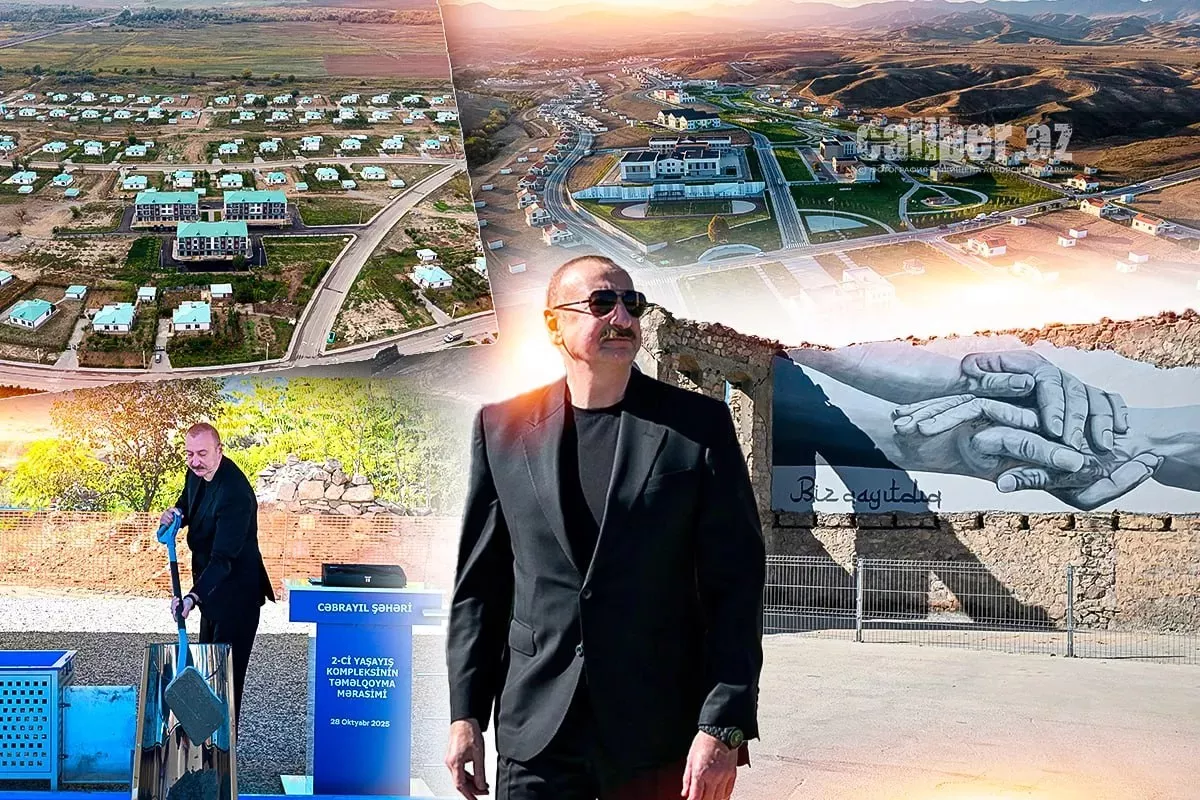
In conclusion, the interest shown by new countries in TRIPP is clear evidence that the idea of implementing the Zangezur Corridor, consistently promoted by Azerbaijan, has proven its worth. This serves as further testament to the foresight and political acumen of President Ilham Aliyev, who has repeatedly emphasised that the Zangezur Corridor will inevitably be opened, serving not merely as a transport route but as a key part of international corridors linking East–West and North–South.







 editor@caliber.az
 +994 55 444-88-98
 Азербайджан, Баку, ул. Низами, 203, Af Business House, 5-й этаж