










Ukraine cracks down on eight mobilisation evasion schemes, 16 arrested PHOTO
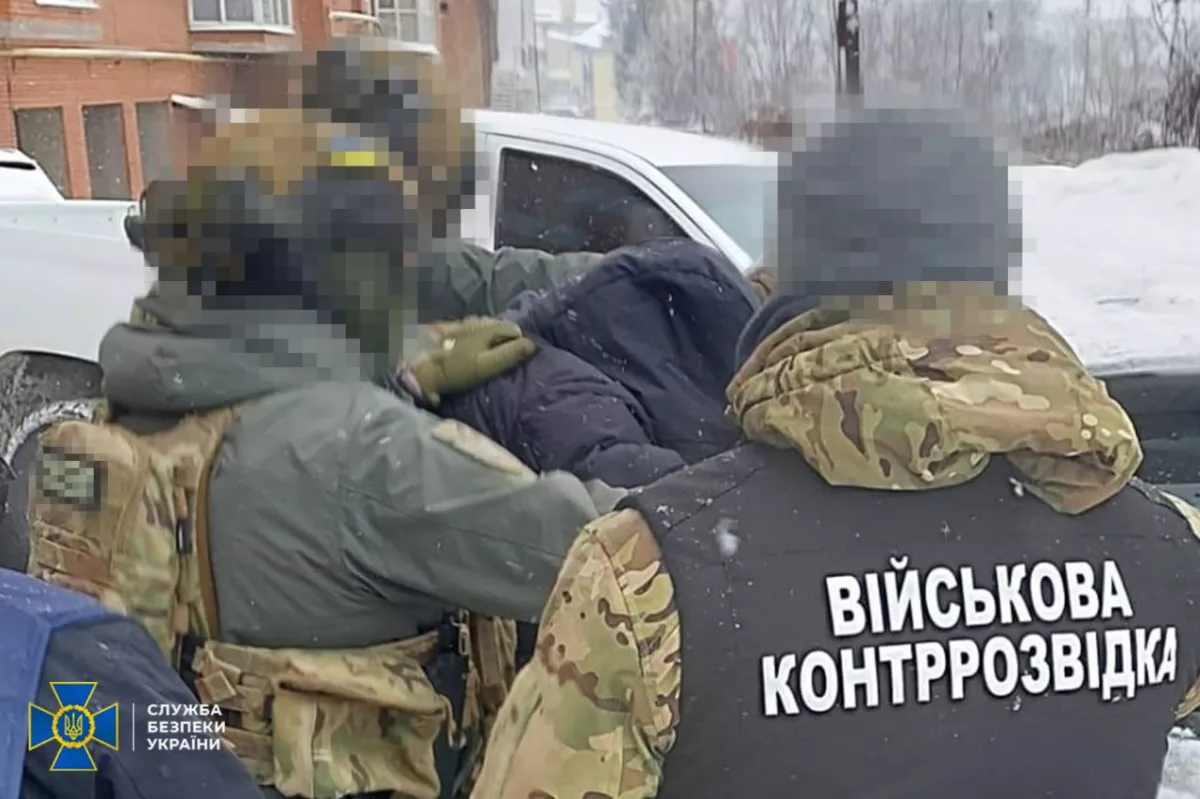
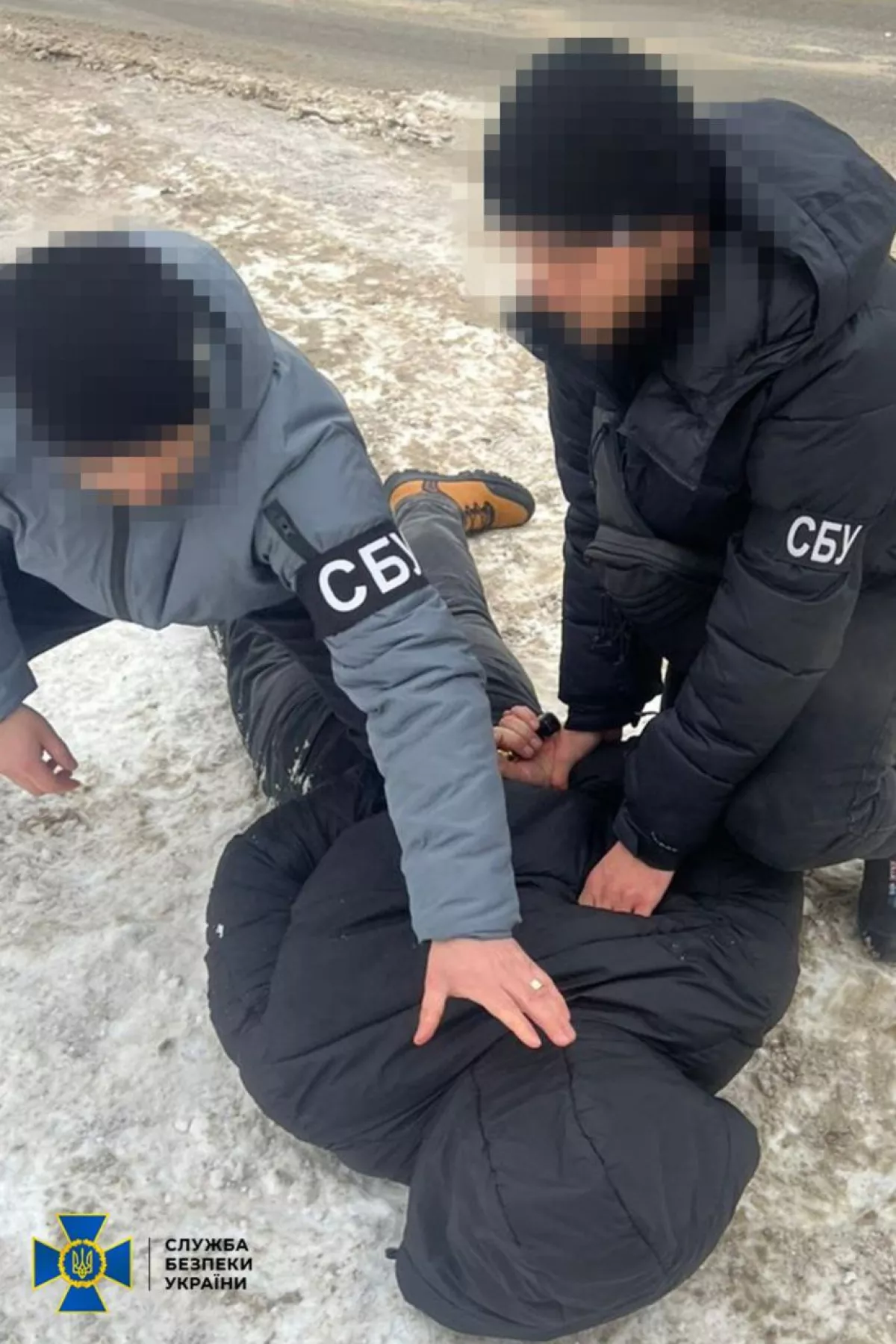
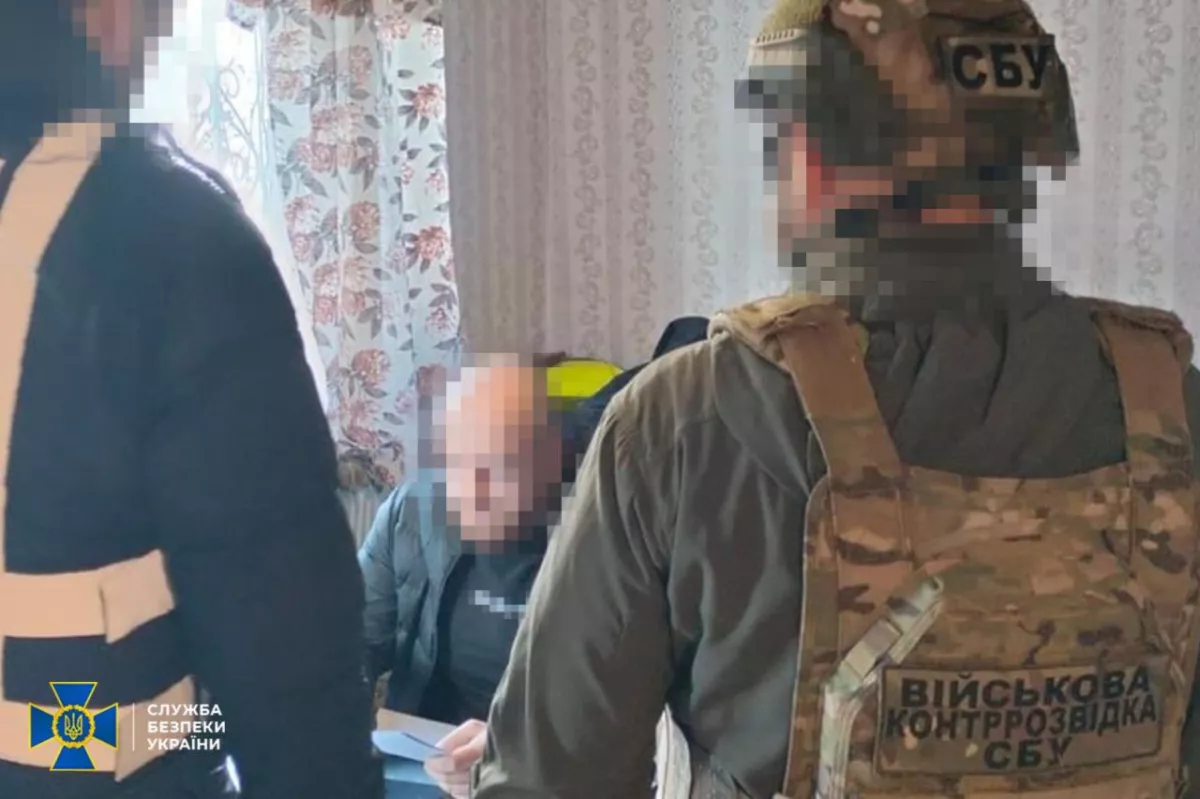
Ukrainian security and police forces have dismantled eight schemes aimed at helping citizens avoid military mobilisation and illegally cross the border, detaining 16 organisers in the process, the Security Service of Ukraine (SBU) said.
The suspects allegedly offered their services for bribes ranging from $3,000 to $16,500, Caliber.Az reports, citing SBU.
In Kharkiv, military counterintelligence officers detained a contract soldier who promised mobilised citizens escape routes to the European Union through forested areas in western Ukraine, using contacts in border regions to bypass official checkpoints.
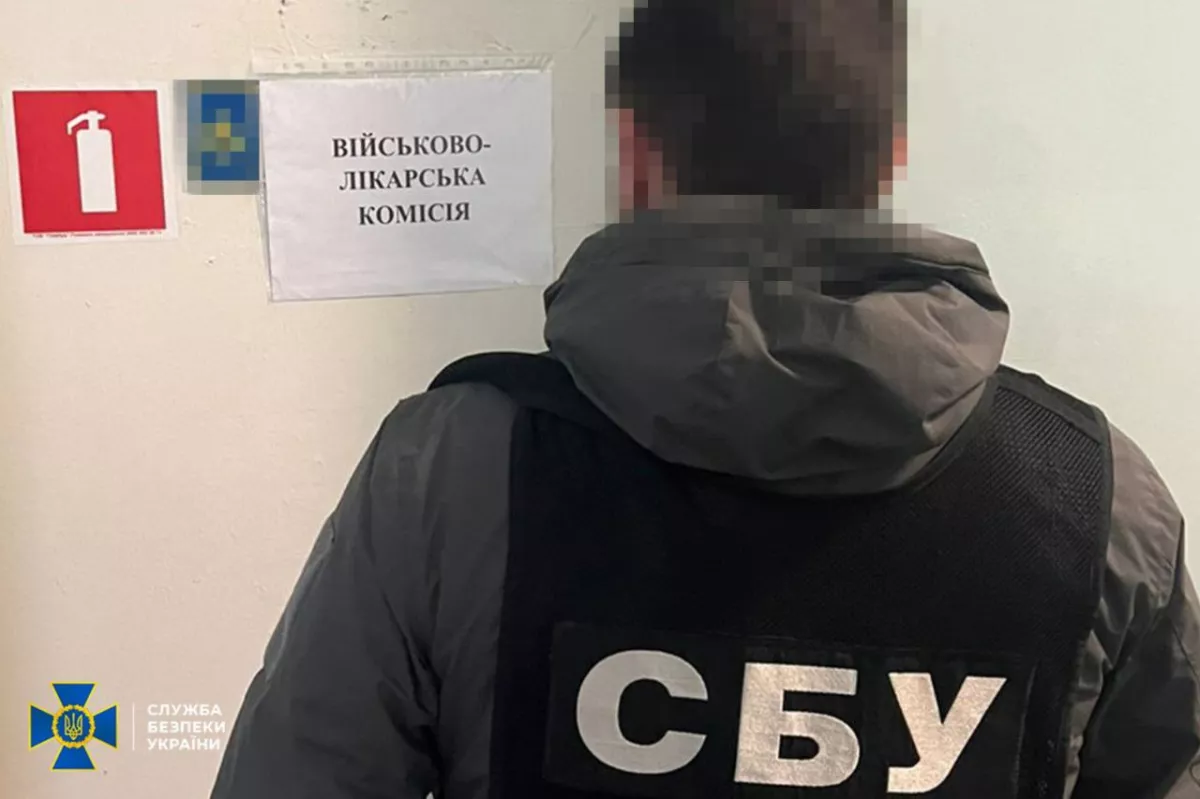
In Lviv, the head of a military training centre was arrested for facilitating unauthorised departures from military facilities, supplying fake medical documents that allowed soldiers to leave without returning.
In Chernivtsi, seven individuals exploited connections within territorial recruitment centres to forge military service documents, enabling conscripts to evade mobilisation.
In Khmelnytskyi, a resident was caught selling fake certificates claiming a third-degree disability, using contacts with former medical commission members to legalise absences from service.
In Zhytomyr, two recruitment centre employees and a former colleague were arrested for removing evaders from wanted lists in exchange for bribes.
In Vinnytsia, a 49-year-old unemployed man was detained for transporting evaders by car to the border and guiding them through forest paths into Moldova.
In Poltava, a businessman was exposed for providing fake medical certificates, claiming conscripts needed to care for sick relatives, in collusion with a family doctor.
In Donetsk, another entrepreneur was caught selling falsified medical documents that helped evaders join rear military units, working with contacts in medical and recruitment centres.
All suspects face charges including bribery, illegal border crossing, document forgery, and obstructing the Ukrainian armed forces. Convictions could carry up to ten years in prison with asset confiscation.




By Aghakazim Guliyev







 editor@caliber.az
 +994 55 444-88-98
 Азербайджан, Баку, ул. Низами, 203, Af Business House, 5-й этаж