










Shamakhi summit: First test for new COP31 model Article by Modern Diplomacy
Amidst scorching temperatures and raging wildfires on the European continent, tropical storms and flash floods in the US, and severe drought in sub-Saharan Africa, high-level negotiators and state representatives gathered for a high-level retreat summit in Shamakhi, Azerbaijan on July 22-23, in preparation for the Climate Conference of Parties (COP 31) in November.
Similar retreats proved successful in 2024 and 2025 in preparing the diplomatically terse soil for negotiating an international agreement on CC vs qmq climate mitigation and adaptation in accordance with the Kyoto and Paris Agreements, as an article published by Modern Diplomacy outlines.
However, the author notes that the recent retreat stands out as it is presented by two host countries rather than one for the first time in the Conference’s history.
“The COP presidency rotates annually between the different member groups. The dual model came about as a compromise between the rivaling candidacies of Türkiye and Australia within the COP Western European and Others groups. While Australia had majority support within its group, Türkiye refused to renounce its candidacy. As a result, a compromise emerged in which Türkiye was granted the formal presidency and hosting of the summit in November, while Australia holds the newly instituted role of President of negotiations, granting it ‘exclusive authority in relation to the negotiations,’” the article notes.
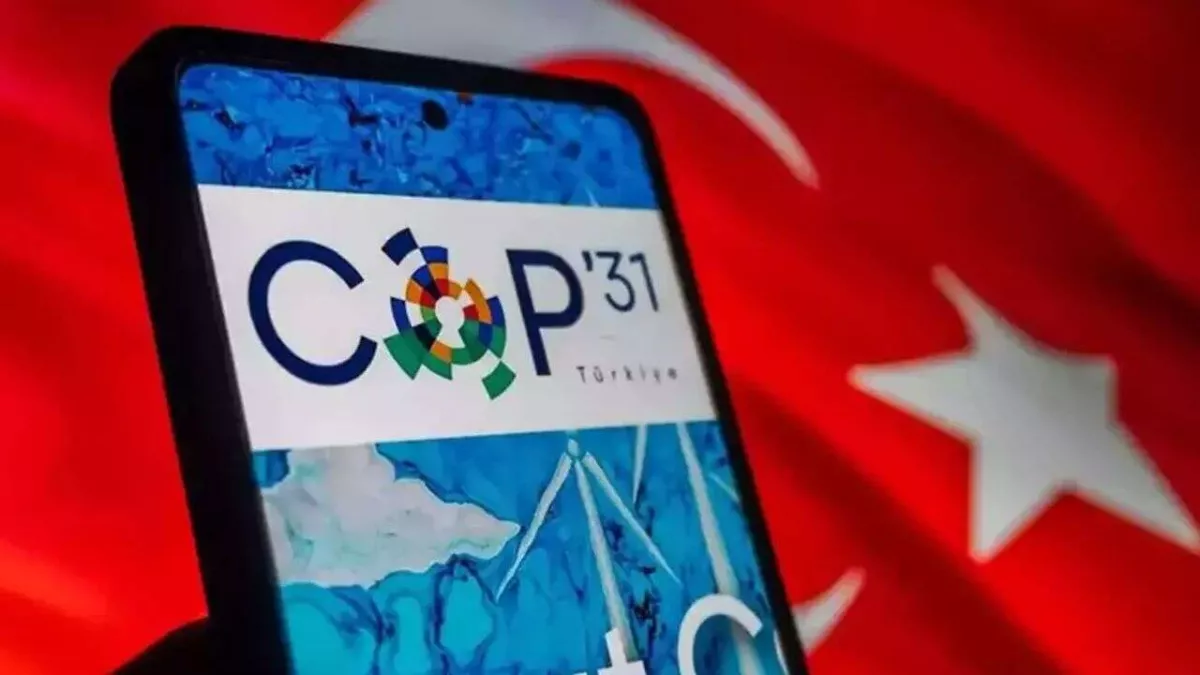
According to the article, the two countries have very different approaches to climate policy. Australia has long been seen at the forefront of climate action, having formed close bilateral agreements with neighbouring Small Island Developing States in the Pacific Ocean like Tuvalu and Fiji, such as the Falepili Union facilitating migration for Tuvaluan citizens to Australia amidst rising sea levels. In addition, Australia is a leading exporter of renewable energies and has seen a quick domestic transition away from fossil fuels in recent years.
By contrast, the author points out that Türkiye remains reliant on fossil fuels for almost 60% of its energy, and is Europe’s largest coal consumer. In addition, Ankara has maintained close ties with Saudi Arabia, Iran and Russia—fossil-reliant countries.
“Thus, some analysts predict that Türkiye, with its emphasis on promoting a concrete implementation of a climate finance plan where developed countries would finance climate adaption in developing by countries, coupled with its portrayal of itself as a bridge between developing and developed countries, may seek to use its influence as COP President to promote Turkish financial interests and investment opportunities in developing countries,” the piece states.
As the author notes, this tendency might already have become manifest in Azerbaijan, with Türkiye discussing cooperation on the development of the Margla National Park the Islamabad Wildlife Management Board on the same lines as the Nairobi National Park with the delegations of Kenya and Pakistan respectively.







 editor@caliber.az
 +994 55 444-88-98
 Азербайджан, Баку, ул. Низами, 203, Af Business House, 5-й этаж