










Ukraine launches regional cybersecurity centres to counter Russian attacks PHOTO
Ukraine’s Security Service (SBU) has established specialised cybersecurity centres across all regions of the country to bolster defence against Russian cyberattacks targeting critical infrastructure.
The new centres are designed to detect vulnerabilities, prevent incidents, and neutralise threats before they can cause damage, the agency said, Caliber.Az reports, citing SBU.
Speaking at the Kyiv International Cyber Resilience Forum, Vladimir Karastelev, head of the SBU’s Cybersecurity Department, said the network of regional centres is strategically located near key facilities to enable rapid response to emerging cyber threats. He emphasised that the approach is proactive, with teams monitoring and securing vital systems around the clock.
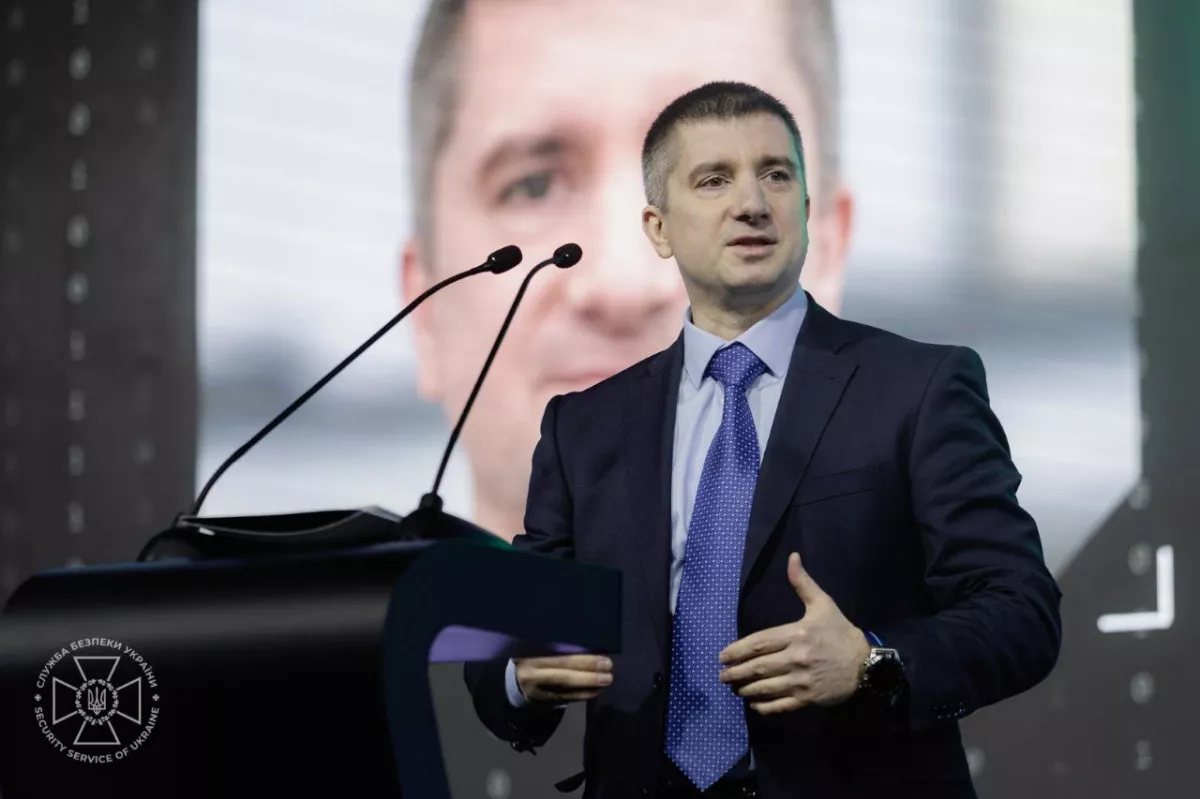
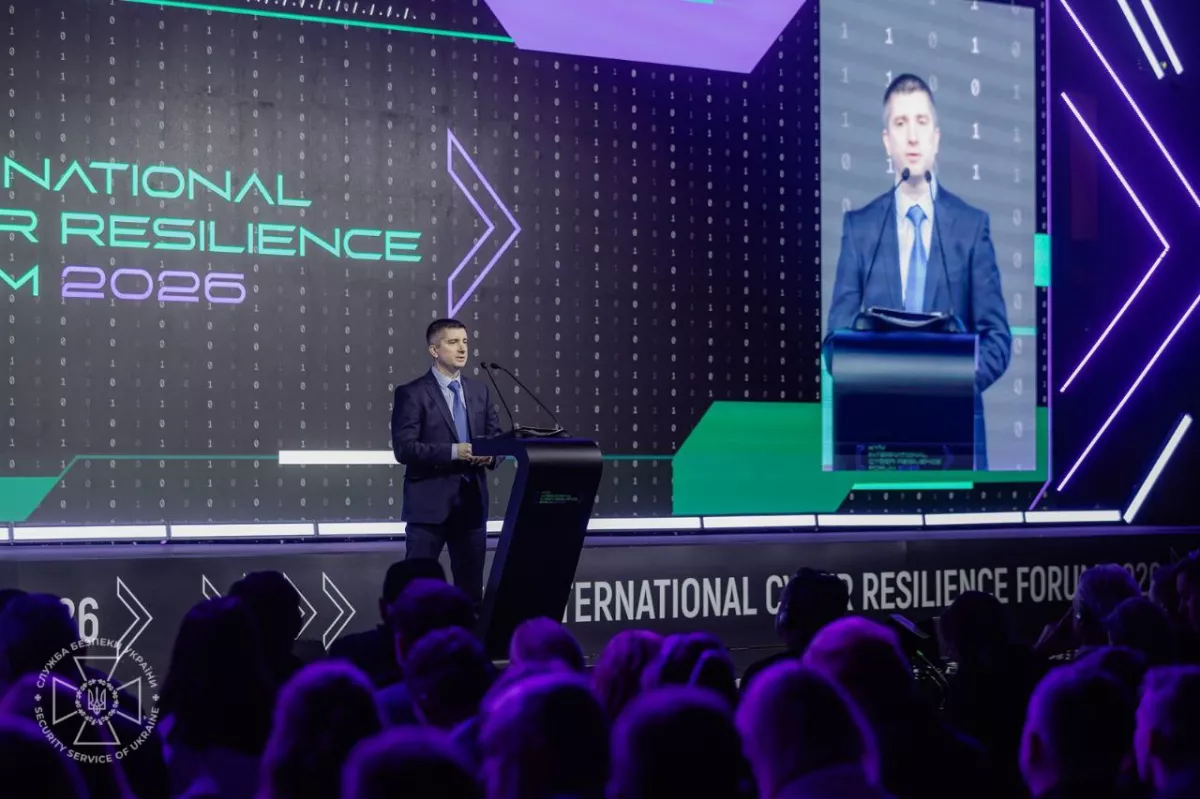
Karastelev added that enhancing Ukraine’s digital capabilities has become a “modern super-priority,” directed by SBU chief Evhen Khmara. “To defeat a powerful enemy, we need to stay a step ahead,” he said.
Since the start of Russia’s full-scale invasion, the department has reportedly neutralised more than 14,000 major cyberattacks and critical incidents. Targets have included central government resources as well as energy, transport, and defence sector enterprises.
Karastelev highlighted a recent operation against the Pterodo virus, which had infected an estimated 18,000 devices in Ukraine over recent years. SBU specialists developed software that blocks the transfer of stolen data to Russian hackers, encrypting the information in transit without needing to cleanse each infected device individually.
“Cyber resilience and cybersecurity are built through collaboration. They cannot be achieved by one country alone; they require joint effort,” Karastelev said.
“Ukraine’s wartime experience has practical value and is already being shared with our partners. Readiness to act together, mutual trust, and knowledge exchange are the foundations of collective security. Cyberspace will remain a battleground even in peacetime.”
By Aghakazim Guliyev







 editor@caliber.az
 +994 55 444-88-98
 Азербайджан, Баку, ул. Низами, 203, Af Business House, 5-й этаж