










“Africa does not need Macron’s grace” Ghanaian media on France’s hypocrisy and reparations
A Ghanaian news website, Citi Newsroom, has published an article criticising the possible participation of French President Emmanuel Macron in the Global Reparations Summit taking place in Accra, Ghana. Caliber.Az reprints the article with minor adaptations.
Let us speak plainly.
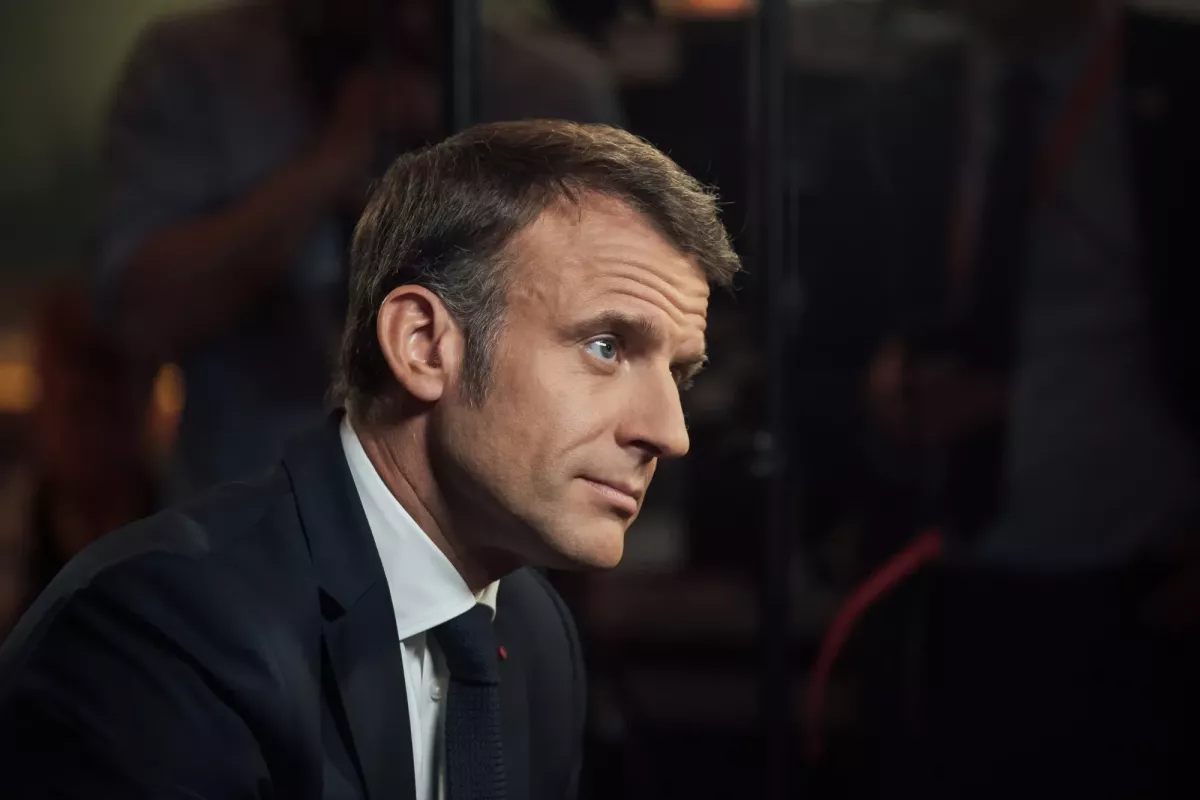
If Emmanuel Macron will participate in a conference on reparative justice, he will not participate as an ally. He will not come as a partner in healing. He will come as a man whose government, just months ago, could not bring itself to vote ‘YES’ on a United Nations resolution calling for that very same justice.
France chose to step aside. Not opposed, perhaps, but certainly not committed. And in the language of international politics, abstention is a very deliberate way of saying no while keeping one’s hands clean.
That is the contradiction at the heart of Macron’s African tour, as it seems. A man who speaks of justice in public and withholds it in private. A government that performs solidarity on the continent while maintaining, year after year, one of the most exploitative economic arrangements in the modern world.
Thomas Sankara, the revolutionary president of Burkina Faso who was assassinated in 1987, once told the world something that remains as urgent today as the day he said it: “He who feeds you, controls you.” Sankara understood that political independence without economic independence is a stage prop.
It looks like freedom from a distance, but it holds no weight. The CFA franc, the monetary system that France created for its former African colonies and continues to operate to this day, is the precise mechanism Sankara was warning against.
Fourteen African nations, from Senegal to Ivory Coast to Cameroon to Gabon, remain bound to this system. Their central banks hold a significant portion of their foreign exchange reserves in the French Treasury. Their monetary policy is shaped by an agreement that was not born from partnership but from the logic of colonial continuity. France earns from this arrangement.
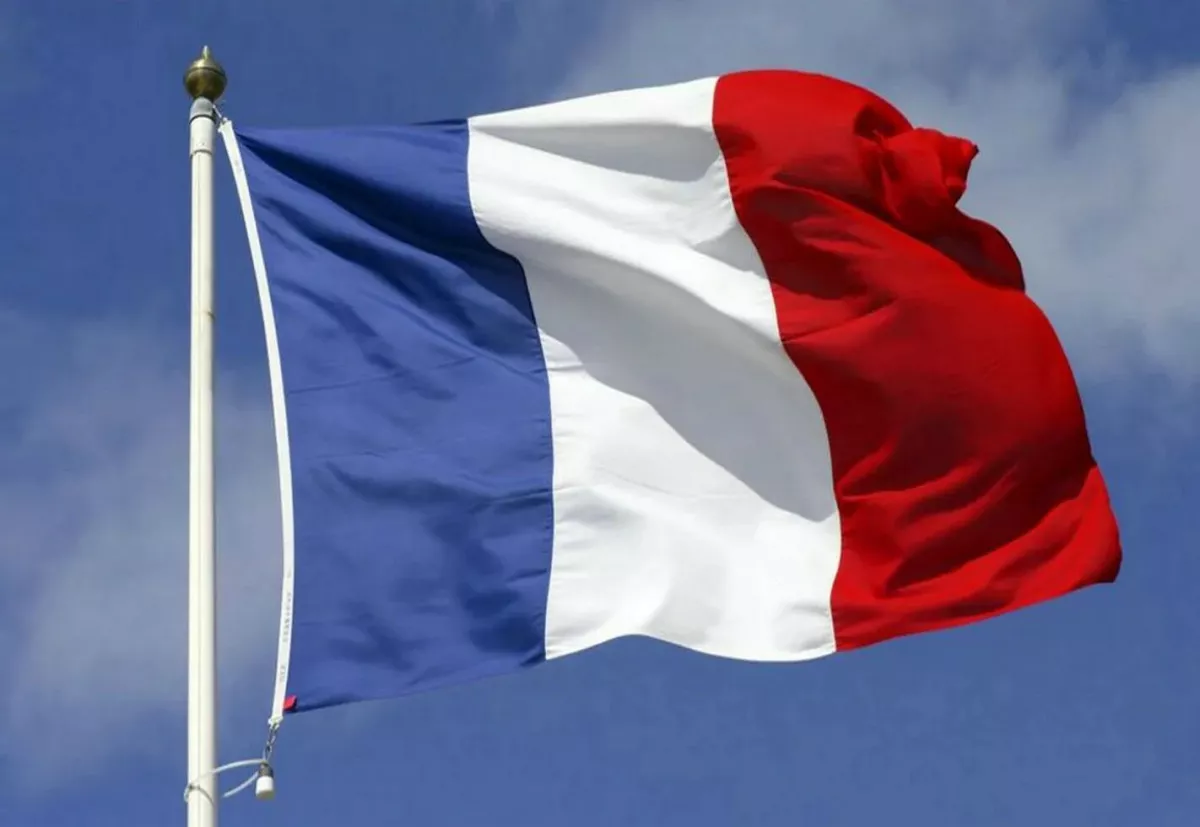
Africa is constrained by it. And Macron, who could use the weight of his office to dismantle it, has chosen instead to fly around Africa and give speeches about solidarity, Pan-Africanism and possibly? Very soon in Accra on Reparative justice.
This is not a coincidence. This is a strategy.
France did not leave the Sahel because it wanted to. It was pushed. Mali said leave. Burkina Faso said leave. Niger said leave. Chad, once a reliable anchor of French military presence in the region, shifted away. France lost access to uranium, gold, cotton, and the strategic geography it had treated for decades as its own.
It lost the military bases, the intelligence networks, the political relationships built on dependency and mutual benefit for elites on both sides. What France lost in the Sahel was significant, and anyone who believes that Macron’s sudden enthusiasm for African justice has nothing to do with that loss is not reading the situation clearly.
The possible visit to Ghana is part of a broader campaign to reintroduce France into African spaces from which it has been expelled or is in danger of being excluded. Kenya, where Macron was met with rejection from activists at the Africa Forward summit who refused to politely receive a man whose country’s actions contradict his words, was another stop on this campaign. The activists in Nairobi understood what some in Ghana’s diplomatic and political circles may still be working out.
They understood that welcoming Macron to a reparative justice forum without demanding accountability is not diplomacy. It is complicity.
Reparative justice is not a networking event. It is a process built on the recognition of specific harm. It involves the theft of African labour through the transatlantic slave trade and colonialism. It involves the extraction of African resources under coerced agreements. It involves the destruction of African governance systems and the imposition of borders, institutions, and economic arrangements that served European interests.
When a representative of a nation that has not acknowledged its colonial crimes in binding legal terms, that has not returned looted artefacts except under sustained international pressure, that has not released African nations from a monetary system designed to preserve French economic advantage, when that representative appears at a reparative justice conference, the appropriate response is not applause. The appropriate response is a question.
Walter Rodney, the Guyanese historian wrote that the institutions and arrangements left behind by colonial powers were designed not to serve African development but to serve the continued extraction of African wealth. The CFA franc is one of his arguments still breathing in the present tense.
Africa’s progressive forces, its activists, its intellectuals, its movements, carry a responsibility in this moment. That responsibility is to refuse to allow the reparative justice process to become a tool of French image rehabilitation. To follow the example of the Kenyan activists who did not suppress their truth to protect the comfort of a visitor who had not earned a seat at the table.
The reparations conversation is too important to be contaminated by the presence of those who have not demonstrated good faith. It requires participants who have paid something, conceded something, acknowledged something in terms that carry legal and moral weight.
Africa does not need Emmanuel Macron’s grace. What it needs is for France to answer the question that the UN resolution posed and that Macron’s government quietly declined to answer in March 2026.
Macron’s attempt to attend the event is proof that Europe is afraid of reparative responsibility, while Africa is winning.
Africa must advance, Africa should feel free to say so, loudly, clearly, and without apology.







 editor@caliber.az
 +994 55 444-88-98
 Азербайджан, Баку, ул. Низами, 203, Af Business House, 5-й этаж