










Citadel of democracy: EU struggles to quell corruption blaze Article by Anadolu
Türkiye’s Anadolu news agency has published an article covering a series of corruption scandals that have recently rocked EU institutions. Caliber.Az reprints an abridged version of the piece.
“A sweeping fraud investigation targeting senior figures within the EU’s diplomatic apparatus has rattled Brussels, renewing long-standing concerns about corruption inside the bloc’s institutions.
On December 2, Belgian police conducted early-morning raids at the European External Action Service (EEAS) in Brussels and the College of Europe in Bruges, detaining former EU foreign policy chief Federica Mogherini and senior European Commission official Stefano Sannino.
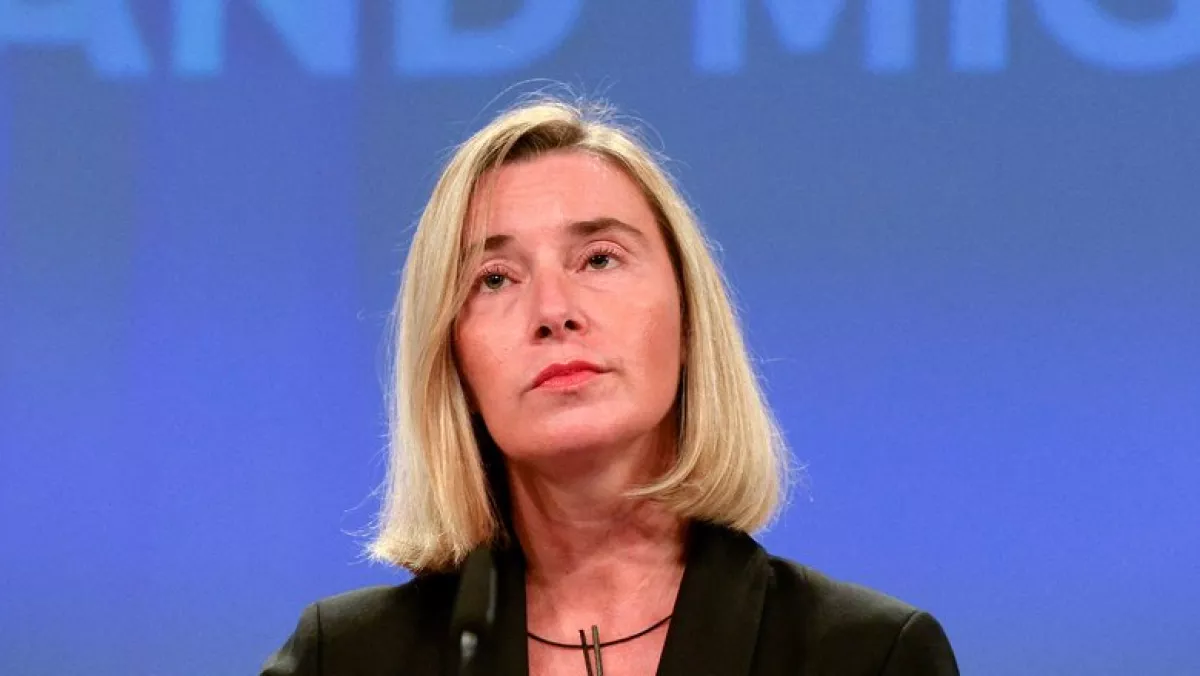
The probe, led by the European Public Prosecutor’s Office (EPPO), centers on suspected irregularities in a 2021-2022 tender for the creation of a new EU Diplomatic Academy.
Prosecutors say they have “strong suspicions” that the tender process “was not fair,” adding that, if substantiated, the alleged misconduct could amount to procurement fraud, corruption, conflict of interest, and breaches of professional secrecy.
EPPO's investigation is ongoing. Belgian authorities are expected to conduct further searches and interviews as they examine additional documents and communications related to the diplomatic academy project.
The new investigation is the most serious case involving figures directly linked to the EU's diplomatic service and the commission in more than a decade. It comes on the heels of a string of corruption controversies that have fueled perceptions of systemic governance failures in Brussels.
2022 – Qatargate
In 2022, Belgian police arrested then-European Parliament Vice President Eva Kaili in a major anti-corruption operation. Authorities seized bags of cash alleged to be linked to attempts by Qatar to influence parliamentary decisions.
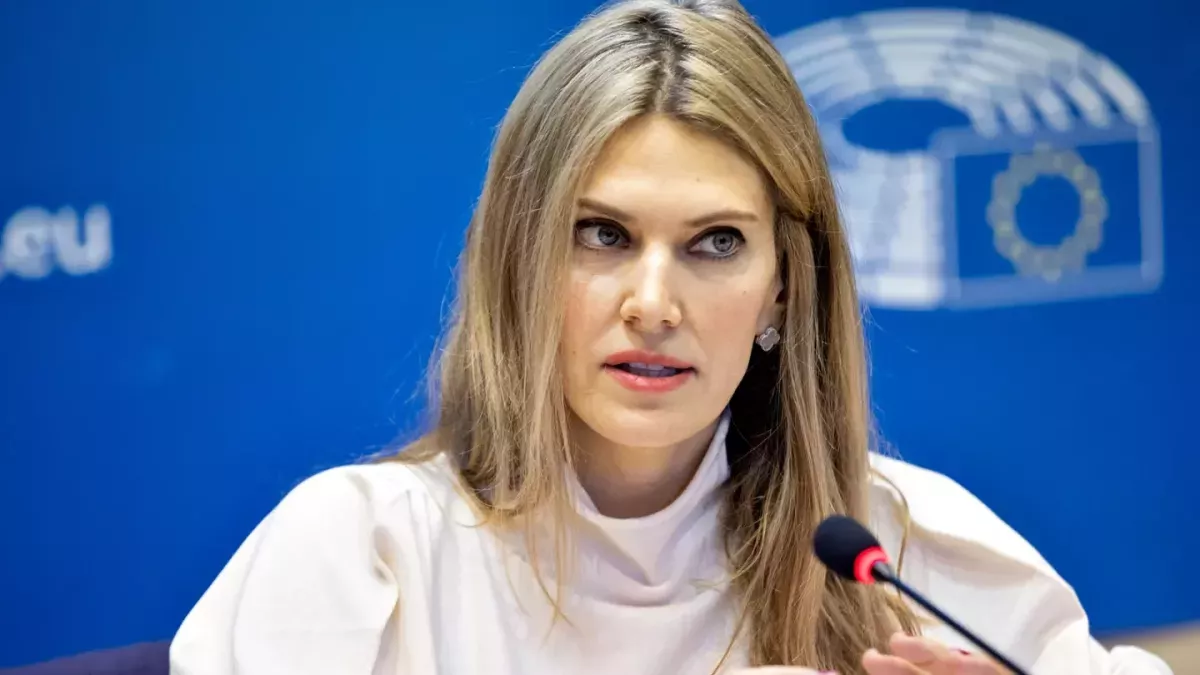
The operation implicated several MEPs and assistants and raised unprecedented questions about oversight of lobbying and foreign influence in the EU's only directly elected institution.
During initial raids, investigators reportedly seized roughly €1.5 million in cash, as well as computers and phones. Some of the money was found in the homes of MEPs or their associates.
The investigation remains ongoing. As of 2025, several more individuals have been charged in connection with the case, apart from the original suspects.
No final verdict or comprehensive ruling has been issued, leaving many questions unresolved.
2020s – Pfizergate
During the COVID-19 pandemic, the European Commission under Ursula von der Leyen negotiated large vaccine purchases with Pfizer, securing hundreds of millions of doses for EU member states.
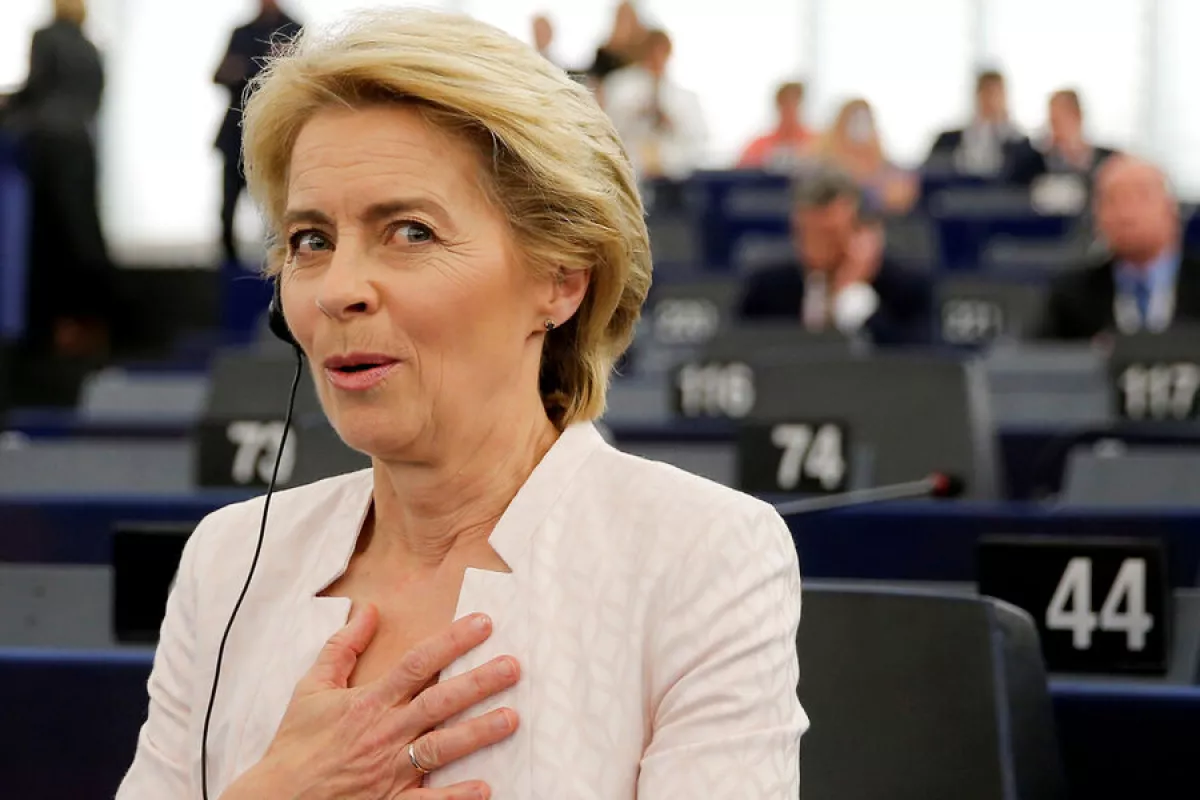
At the time, media reports revealed that von der Leyen and Pfizer CEO Albert Bourla exchanged text messages in 2021-2022 as part of the negotiations. When journalists sought those messages under EU transparency rules, the commission stated it had no records.
In May, the EU General Court annulled the commission’s refusal, determining that text messages are considered “documents” under EU rules and should be retained and potentially disclosed. The court called the commission’s explanation “not credible.” In 2022, the European Ombudsman had already condemned the commission for “maladministration” over the issue.
In July, the European Parliament agreed to debate a motion of censure against von der Leyen, accusing the commission of a lack of transparency by refusing to release the text message exchanges with Pfizer.
Von der Leyen defended herself during the parliamentary debate, dismissing the motion as divisive, and rejecting accusations of secrecy or misconduct.
While the motion failed, the challenge highlighted tensions within the EU about transparency, institutional accountability, and how the commission negotiates high-stakes deals.
2012 – Dalligate
Past cases include the 2012 resignation of EU Health Commissioner John Dalli over a tobacco lobbying scandal.
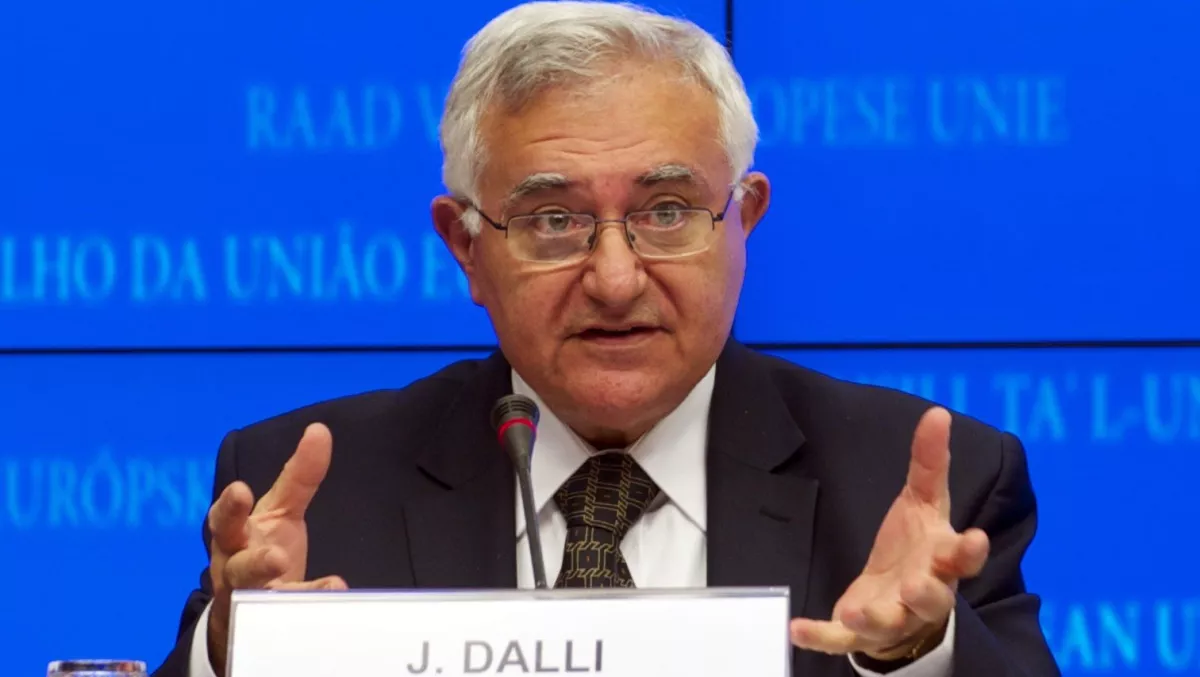
Major tobacco firms met extensively with national and EU officials, hiring consultants, funding studies, and pressuring member states to argue that stricter packaging and ingredient rules would harm jobs and tax revenue.
Tensions peaked in October 2012 when Dalli resigned after an OLAF [European Anti-fraud Office] probe found a Maltese associate allegedly offered to sway EU snus rules for money from Swedish Match, a tobacco company.
Dalli denied involvement, and no charges were filed; the industry also denied wrongdoing; however, health groups called for greater transparency.
1999 – Santer Commission resignation
In the late 1990s, serious concerns built up around the commission’s record in handling the EU’s community budget.
Paul van Buitenen, a commission official and whistle-blower, submitted a report exposing alleged widespread fraud, obstruction of auditors and a “closed culture” intent on hiding the truth.
European Parliament’s report blamed not just individuals but systemic failure: a secretive bureaucracy, lack of accountability, poor audit and control, cronyism, and widespread institutional negligence.
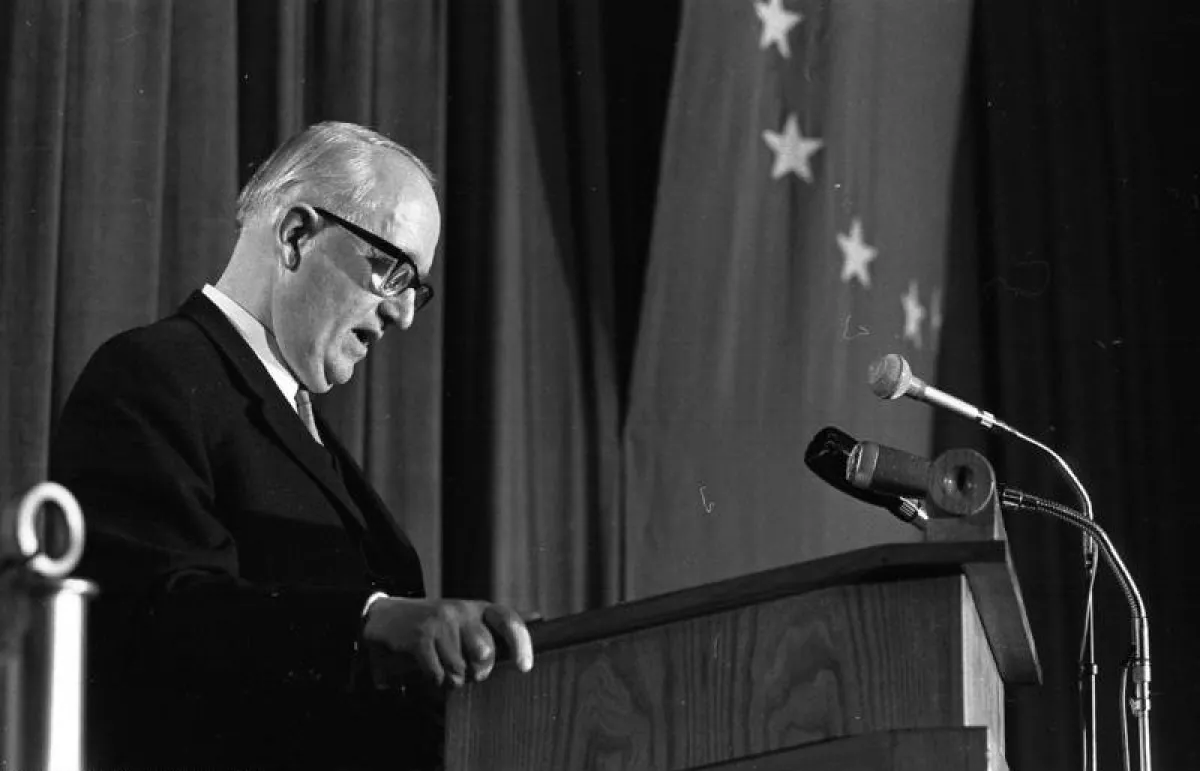
In response, then-commission President Jacques Santer announced that all 20 commissioners would resign on March 15,1999, a historic first for the European Commission,” the article reads.







 editor@caliber.az
 +994 55 444-88-98
 Азербайджан, Баку, ул. Низами, 203, Af Business House, 5-й этаж