










“Dark” oil transfers surge as Strait of Hormuz crisis disrupts flows TANKERTRACKER DATA / PHOTO
Arab states neighbouring Iran are increasingly adopting shipping practices long associated with Tehran’s sanctions-evasion network in order to sustain crude exports amid ongoing disruption in the Persian Gulf, maritime intelligence firm TankerTrackers said, according to Iran International.
The firm reported a sharp rise over the weekend in so-called “dark” ship-to-ship oil transfers across the region, a method typically involving tankers switching off tracking systems to conceal movements.
“This weekend saw a lot of dark ship-to-ship transfers of oil in the Middle East. It's not Iranian oil. Instead, this is oil coming from Iran's Arab neighbours,” TankerTrackers said on X.
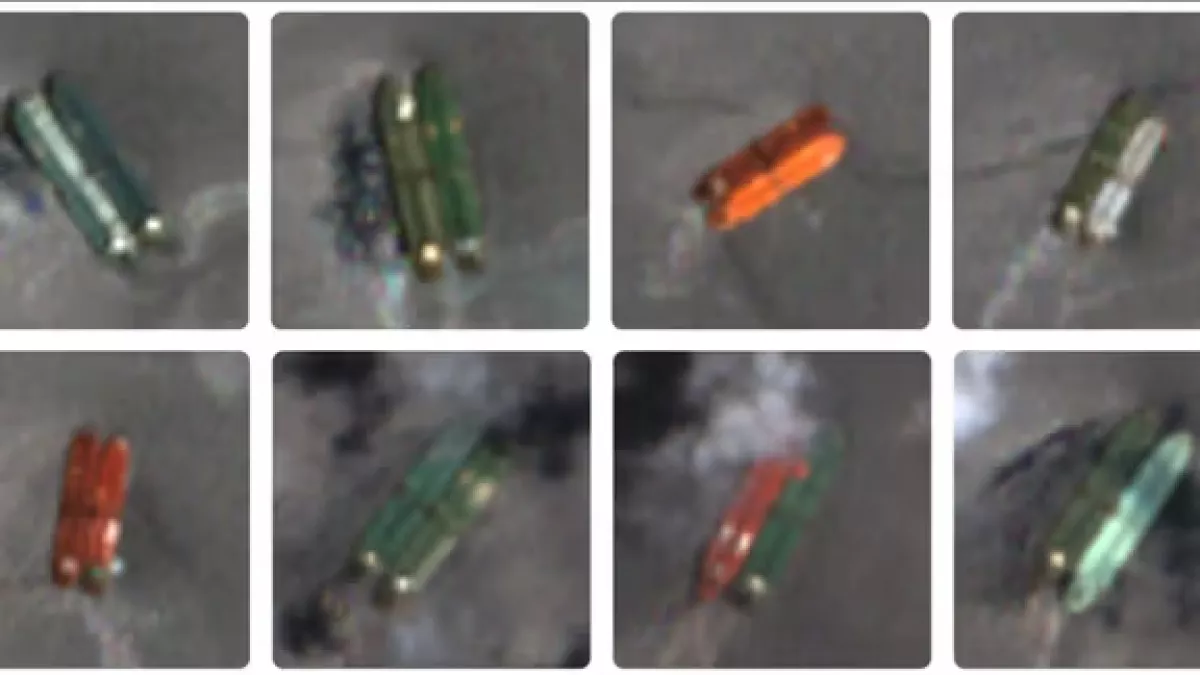
According to the company, such covert operations appear to be helping stabilise global oil markets despite heightened geopolitical tensions.
“Yet another reason why oil isn't $200/barrel right now,” it added.
Dark ship-to-ship transfers and tankers operating with disabled tracking systems have historically been linked to Iranian crude exports aimed at bypassing international sanctions.
Shipping flows through the Persian Gulf have faced significant disruption since early March, when Iran closed the Strait of Hormuz in response to US-Israeli strikes on its territory and subsequent attacks targeting its regional allies.
The situation worsened in mid-April after the United States imposed a naval blockade on Iranian ports, prompting traders and oil-producing states in the region to seek alternative logistics channels to maintain supplies to global markets.
By Tamilla Hasanova







 editor@caliber.az
 +994 55 444-88-98
 Азербайджан, Баку, ул. Низами, 203, Af Business House, 5-й этаж