










Frog saunas and spa baths: Scientists race to save amphibians from global fungus crisis
Innovative “frog saunas” in Sydney and medicated baths in Northern California are helping scientists combat chytrid, a deadly fungus driving amphibians toward extinction worldwide.
Macquarie University biologist Anthony Waddle has developed small heated shelters where endangered green and golden bell frogs can raise their body temperature.
At around 30°C (86°F), the fungus—responsible for the lethal disease chytridiomycosis—cannot survive. Frogs using these saunas not only clear infections but are also 23 times more likely to survive reinfection, according to research published in Nature.
Meanwhile, in the Cascade Mountains, Dr. Jonah Piovia-Scott at Washington State University treats vulnerable froglets with antifungal baths. Hundreds of young frogs are immersed in diluted itraconazole, boosting survival through their first critical winter, a stage when chytrid mortality is highest.
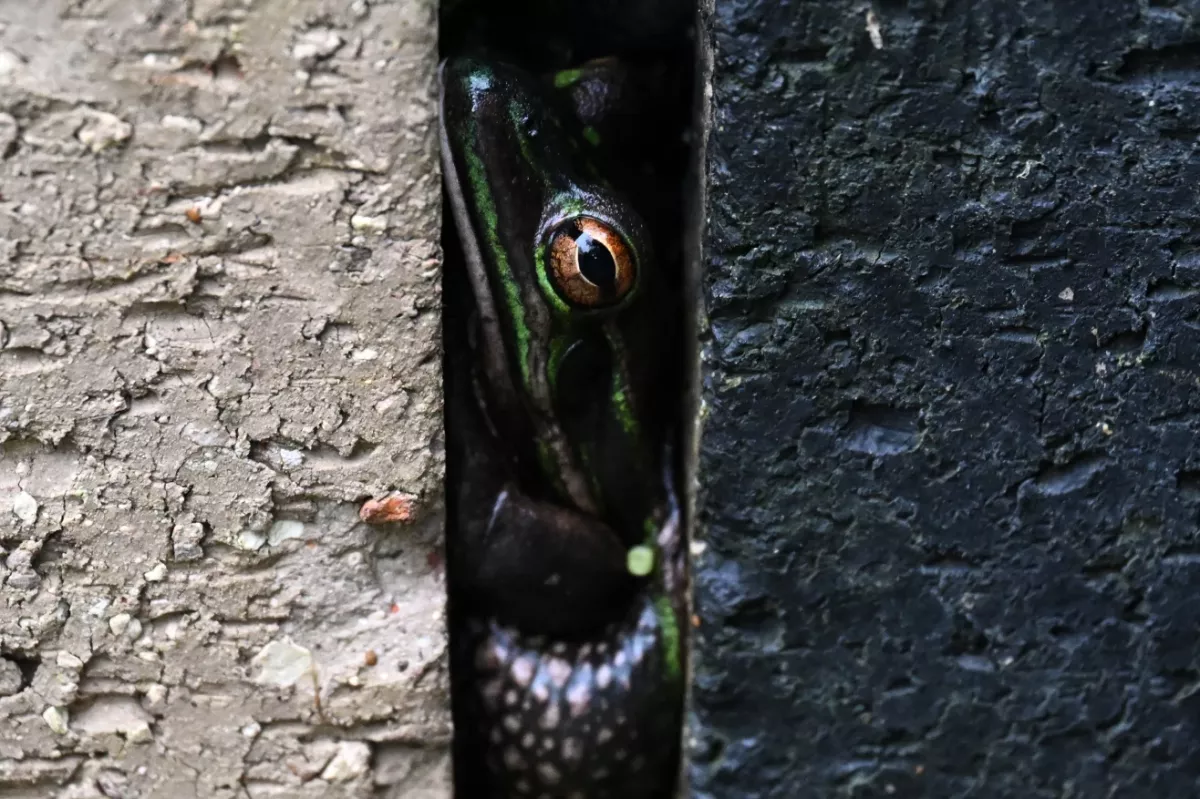
Chytrid, scientifically Batrachochytrium dendrobatidis, has already contributed to the extinction of roughly 90 species and threatens over 500 more.
Experts like Bree Rosenblum of UC Berkeley warn that amphibians play crucial ecological roles, from pest control to maintaining food chain balance, meaning their decline could trigger cascading effects across ecosystems.
Long-term solutions may include genetic interventions. Waddle is exploring ways to confer natural antifungal defenses in frogs through synthetic biology, while emphasizing caution to avoid unintended consequences.
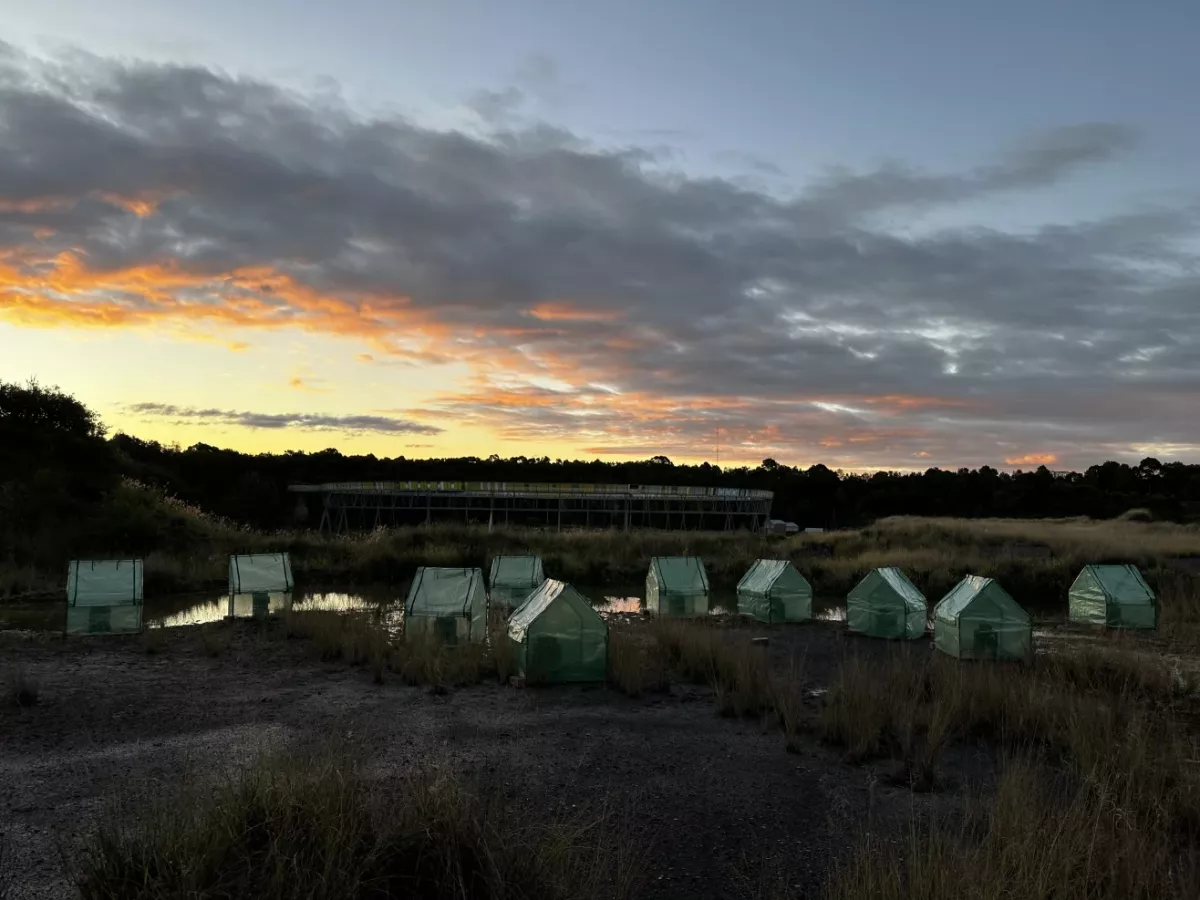
For now, human intervention—through saunas, medicated baths, habitat protection, and translocations—is buying amphibians the time they need to develop natural resistance. Rosenblum sees hope in global collaboration: “If each of us cared about one species besides ourselves, we could blanket the tree of life over and over again.”
By Aghakazim Guliyev







 editor@caliber.az
 +994 55 444-88-98
 Азербайджан, Баку, ул. Низами, 203, Af Business House, 5-й этаж