










Iran vs Israel: between peace and war Expert opinions on Caliber.Az
The possibility of a new military clash between Iran and Israel is once again in the spotlight, intensifying tensions across the Middle East. Recent Iranian missile exercises were seen in Israel as a potential cover for a sudden strike. Meanwhile, according to some reports, consultations between the IDF and U.S. Central Command have gone beyond routine intelligence exchanges.
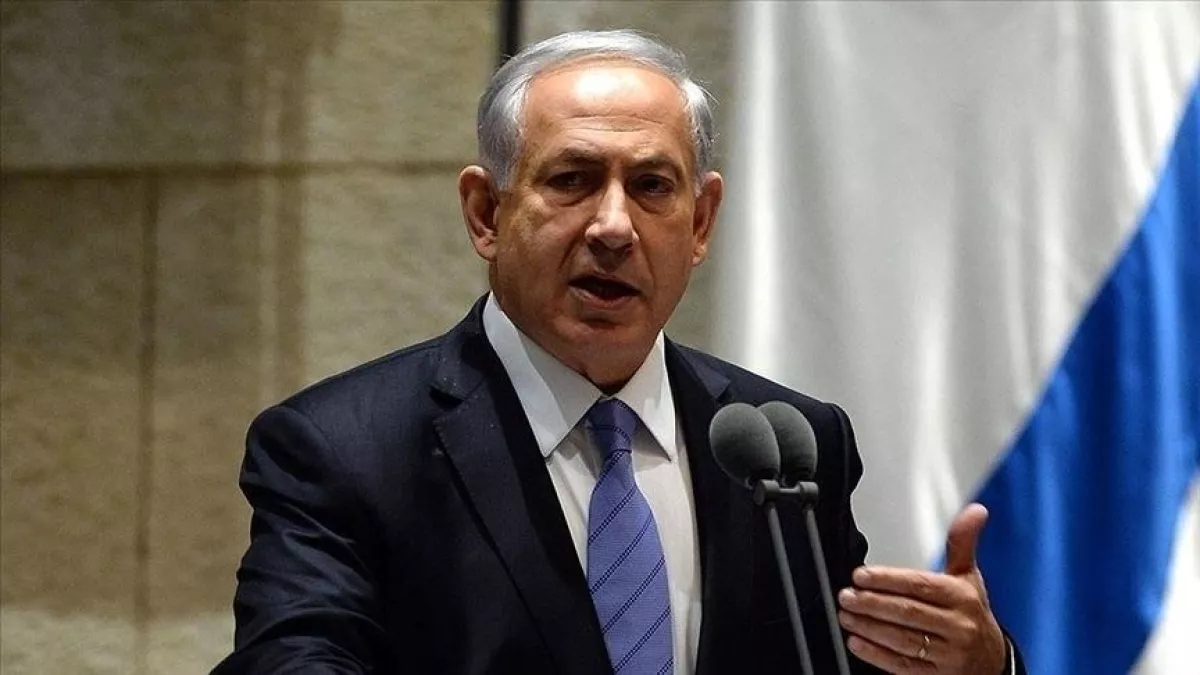
Israeli Prime Minister Benjamin Netanyahu, in turn, stated that Israel would take decisive action in response to any Iranian moves against it.
“I want to convey this clearly to Iran: Any action against Israel will be met with a very severe response,” The Times of Israel quoted him as saying. Tehran, for its part, rejects the logic of military pressure while declaring that it is working to restore its military capabilities and nuclear facilities, emphasising its readiness for confrontation.
Against this backdrop, the meeting between Netanyahu and Donald Trump on December 29 takes on key significance. According to some experts, the Israeli prime minister expects to secure political support from the U.S. at this meeting for possible preemptive actions against Iran.
This raises two key questions: “Could a new war between Iran and Israel erupt in the near future?” and “If so, who would strike first?” To assess the likelihood of such a military confrontation, Caliber.Az consulted both an Israeli political analyst and a Georgian expert on the Middle East.

Avraam Shmulevich, an Israeli political analyst specialising in the Caucasus, the Islamic world, and the Middle East, and chairman of the Institute of Eastern Partnership (Jerusalem), believes that a unique situation is now taking shape in which Israel sees an optimal moment to strike Iran’s nuclear program. According to him, this “window of opportunity” rests on three key factors.
“First, Iran finds itself in an extremely weakened state. The loss of Syria as a strategic foothold, the degradation of Hezbollah after its conflict with Israel, the destruction of Hamas’s leadership and infrastructure, and the elimination of key IRGC figures have all shattered the ‘Axis of Resistance’ that Iran spent decades building.
Second, after the 12-day war, Trump declared that Iran’s nuclear program had been destroyed. Any restoration of Iran’s missile and nuclear potential would therefore amount to a complete discrediting of the US president, who has already demonstrated his willingness to carry out preemptive strikes. For example, on December 20, the United States conducted a large-scale operation against ISIS positions in Syria, striking more than 70 targets. Trump described the strikes as ‘massive’ and said they were ‘very successful’ and highly precise. In addition, since September 2025, the United States has carried out strikes against drug trafficking in the Caribbean Sea and the Pacific Ocean, destroying nearly 30 vessels in international waters and killing at least 105 people
Third, and most importantly, the Islamic Republic of Iran is rapidly restoring its missile and nuclear programs, with assistance from China.
In addition, Tehran may choose to escalate tensions because of domestic problems such as a water crisis, runaway inflation, and massive youth unemployment, all of which create a revolutionary situation. Dictatorships have traditionally used external wars to consolidate society and justify repression,” the political analyst stated.
He also noted that Tehran’s active restoration of its missile and nuclear capabilities is viewed in Tel Aviv and Washington as a direct strategic threat. The Israeli establishment clearly understands that the longer it waits, the more difficult it will become to contain the Islamic Republic.
According to the expert, at the December 29 meeting, the Israeli prime minister will seek political support from Washington for a preemptive strike, coordination of sanctions pressure, guarantees of military assistance in the event of escalation, and alignment of positions on the postwar regional order.
“The issue is not about ‘permission to bomb,’ but about agreeing on the framework. For example, under what conditions can Israel carry out a preemptive strike? What level of political cover and coordination is the United States prepared to provide? Which targets can be considered legitimate in the context of the threat? Trump has previously supported the use of force against Iran and views the Iranian issue through the prism of rivalry with China. This makes an informal carte blanche for Israel possible, and the US president will most likely give a ‘yellow light’—that is, he will not obstruct an Israeli operation but will avoid direct US military involvement. A key issue may be Washington’s readiness to confront China through the Iranian conflict,” the expert said.
The political analyst estimated the probability of an Israeli strike on Iran in the first quarter of 2026 at 60–70 per cent.
“This would not be a full-scale war, but rather a series of powerful air strikes using F-35s and ballistic missiles against 10–15 key facilities. The goal would be to push Iran’s nuclear program back by three to five years and to demonstrate the vulnerability of the regime. In other words, if Israel strikes, the targets will not be ‘symbolic’ but strategic—specifically those that determine the pace of restoration of Iran’s missile and nuclear potential. Priority targets would most likely include IRGC facilities that enable the actual use of ballistic missiles, such as the Imam Ali base near Khorramabad, underground missile complexes in the Kermanshah area, and positions of mobile launchers. Israel has already demonstrated that it targets not only storage sites but also production. Follow-up targets could include the production chains of the missile program, for example, structures linked to the former SPND [the Organisation of Defensive Innovation and Research] in Tehran, engine and fuel system manufacturing plants, and scientific-industrial sites involved in the modernisation of MRBMs [medium-range ballistic missiles] and cruise missiles.
As for nuclear facilities, if signs of program restoration emerge, sites in Natanz, Fordow, Isfahan, and Arak would once again move to the top of the priority list. To enable subsequent waves of strikes, Israel would suppress IRGC command centres, key radar stations, and communications hubs, as well as air defence zones surrounding nuclear and missile facilities. In the second tier of targets, depending on how the operation unfolds, Israel could include facilities linked to maritime UAVs and the missile fleet, as well as supply hubs for Iranian proxies in Syria, Iraq, and Lebanon,” Shmulevich said.
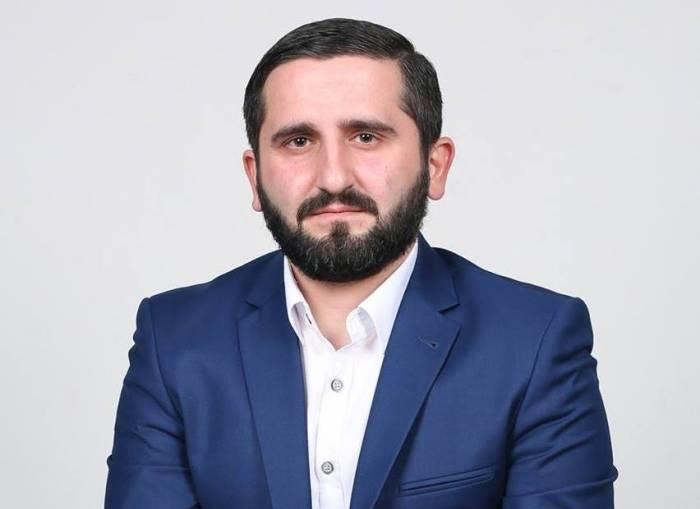
In turn, Georgian political analyst and Middle East expert Vasiliy Papava noted that Israel is indeed showing extreme caution regarding the recent missile manoeuvres conducted by the IRGC, viewing them as a potential signal of preparations for a strike. It is precisely in this context that Tel Aviv is holding intensive consultations with Washington, since carrying out a full-scale preemptive operation against Iranian targets would require from Israel not merely US political approval, but comprehensive operational support—ranging from real-time intelligence sharing to logistics and the use of American air defence systems, including THAAD batteries already deployed in the south of the country.
“Israeli intelligence, including warnings voiced by Chief of the General Staff Lieutenant General Eyal Zamir, assesses these IRGC exercises as possible cover for mobilisation, although there is still no direct evidence of an imminent attack. US intelligence agencies, on the whole, do not share this level of alarm and assess the risk of a sudden Iranian strike as low. The main factor behind Israel’s hypersensitivity is the trauma of the June war, when Iran responded with a massive missile barrage, and now any suspicious manoeuvre by the Iranian side is interpreted with virtually zero margin for error,” he said.
According to the expert, a large-scale independent campaign against Iran would expose Israel to massive losses from retaliatory fire, especially given that Tehran has restored a significant portion of its ballistic missile arsenal.
“The United States provides critical defence components—Patriot and THAAD systems—real-time intelligence, and diplomatic cover. Prime Minister Benjamin Netanyahu intends to discuss these scenarios with President Donald Trump at their meeting in late December, including options for joint strikes on underground missile facilities in Kermanshah in 2026. Overall, the picture is as follows: Israel is prepared to take preemptive action at the slightest confirmation of a threat, but without a ‘green light’ from the White House, such action is extremely dangerous. Meanwhile, the Islamic Republic of Iran demonstrates its defensive readiness through exercises but shows no signs of initiating a new war,” Papava emphasised.
In his view, based on current expert assessments, the likelihood that Iran is actively preparing for a direct new war with Israel at this moment remains quite low—American and most Western intelligence agencies estimate it at below 20–25 per cent.
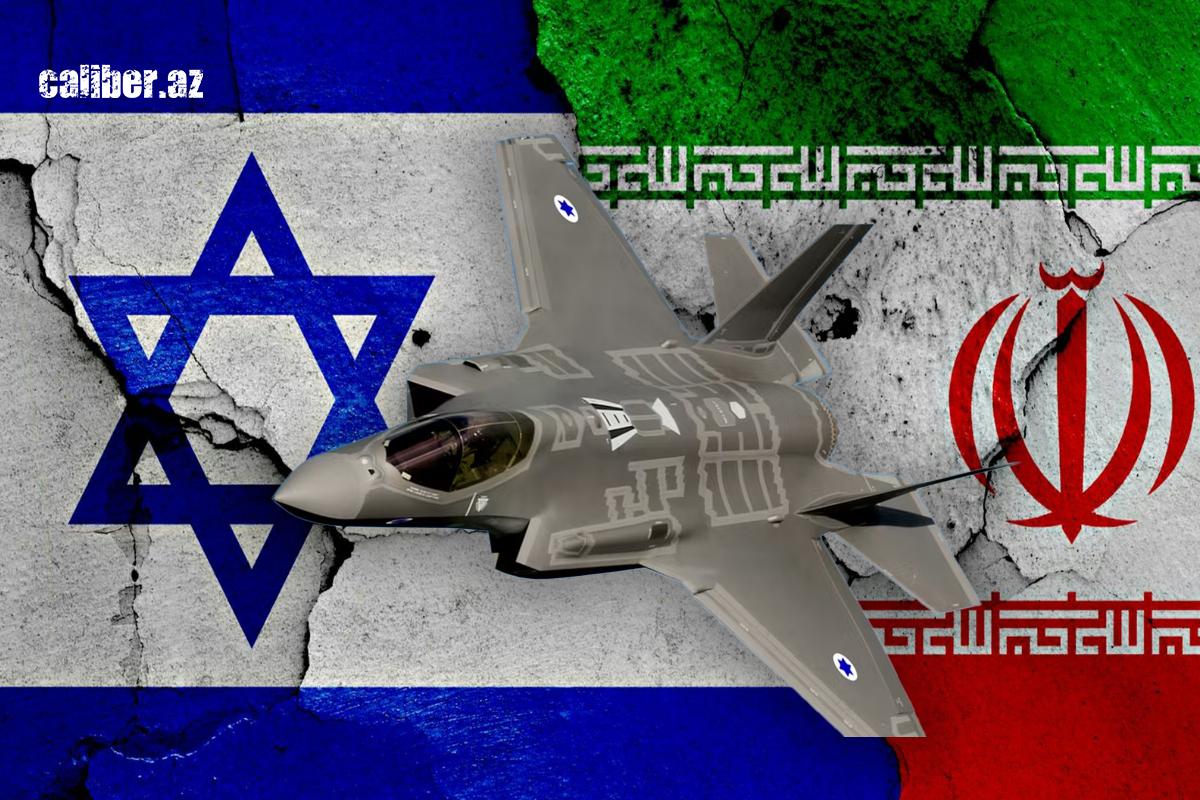
“The IRGC’s missile exercises in December were the largest since June, featuring live launches of Shahab-3, Ghadr, Emad, and manoeuvrable hypersonic Fattah-2 warheads. However, all launches took place in pre-announced zones, with notifications issued to aviation and without any covert mobilisation of ground forces. This represents a typical show of force and a political message, rather than final preparations for a strike. During the June war, Iran lost between 35 and 50 per cent of its arsenal of precision ballistic and cruise missiles, along with a significant portion of its underground production facilities. Currently, Tehran has devoted all resources to reconstruction: Israeli intelligence reports that Iran is now producing 170–200 solid-fuel missiles per month, compared to 50–70 before the war. The pace is impressive, but it remains far from the level that would allow Iran to risk a direct confrontation with Israel, even if Tel Aviv had American support.
It is also worth taking into account that after June, Ayatollah Khamenei personally approved an updated doctrine of ‘strategic patience’—no direct adventurism until at least 70–80 per cent of capabilities have been restored. He clearly understands the risks: a new strike would trigger retaliation against Iran’s oil infrastructure (Kharg Island and the terminals in Bandar Abbas), which would deal a devastating blow to the Iranian economy already suffering from inflation. Therefore, the Supreme Leader is unlikely to opt for a direct war at present; he authorises only actions that do not cross the ‘red line,’ such as missile supplies to the Houthis and proxy strikes on US bases in Al-Tanf and Al-Shaddadi. The only realistic scenario in which Khamenei might sanction an attack in the coming months would be if Israel strikes first—either at nuclear facilities in Natanz or at the IRGC leadership. At this stage, the Islamic Republic is building up its strength with an eye toward 2027–2028, when its arsenal is expected to once again exceed 3,000–3,500 missiles and Bavar-373 air defence systems will enter widespread operational service. Until then, no direct military initiative from Tehran should be expected,” Papava concluded.







 editor@caliber.az
 +994 55 444-88-98
 Азербайджан, Баку, ул. Низами, 203, Af Business House, 5-й этаж