










Streets, ports and flights halted as Argentina divides over labour reform photo / video
A nationwide general strike opposing sweeping labour reforms proposed by Javier Milei brought major disruptions across Argentina on February 11, halting public transport, affecting hospitals, ports and schools, and deepening tensions between the libertarian government and the country’s powerful trade unions.
The protests coincided with a heated parliamentary debate over the administration’s flagship overhaul of labour legislation. Early on February 20, the lower chamber of the National Congress of Argentina approved the bill by a vote of 135 to 115, backing measures that would significantly expand employers’ flexibility in hiring, dismissals, severance arrangements and collective bargaining rules, as per American media.
The reform had already received preliminary approval from the Senate last week, but it must now return to senators for a final vote before it can become law. The renewed review became necessary after the government agreed to remove a controversial provision that would have reduced salaries by half for workers on leave due to illness or injury not related to their jobs, following strong objections from opposition lawmakers.
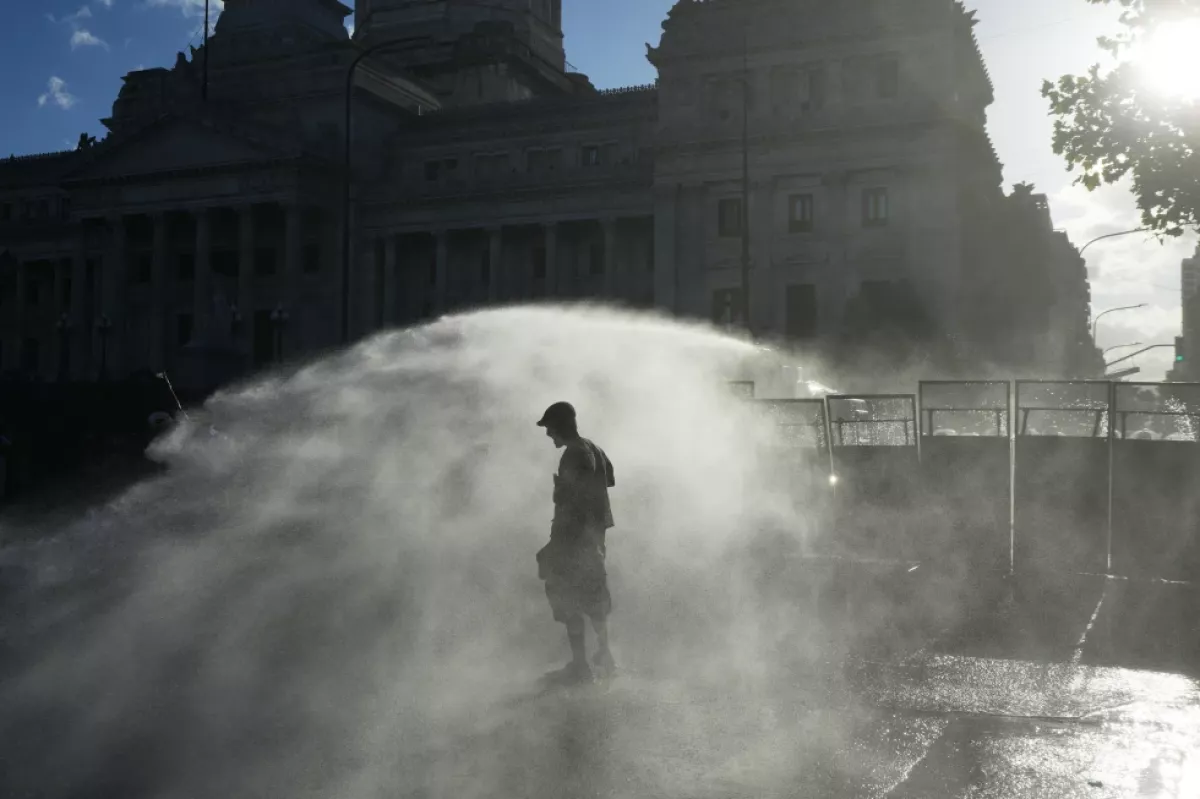
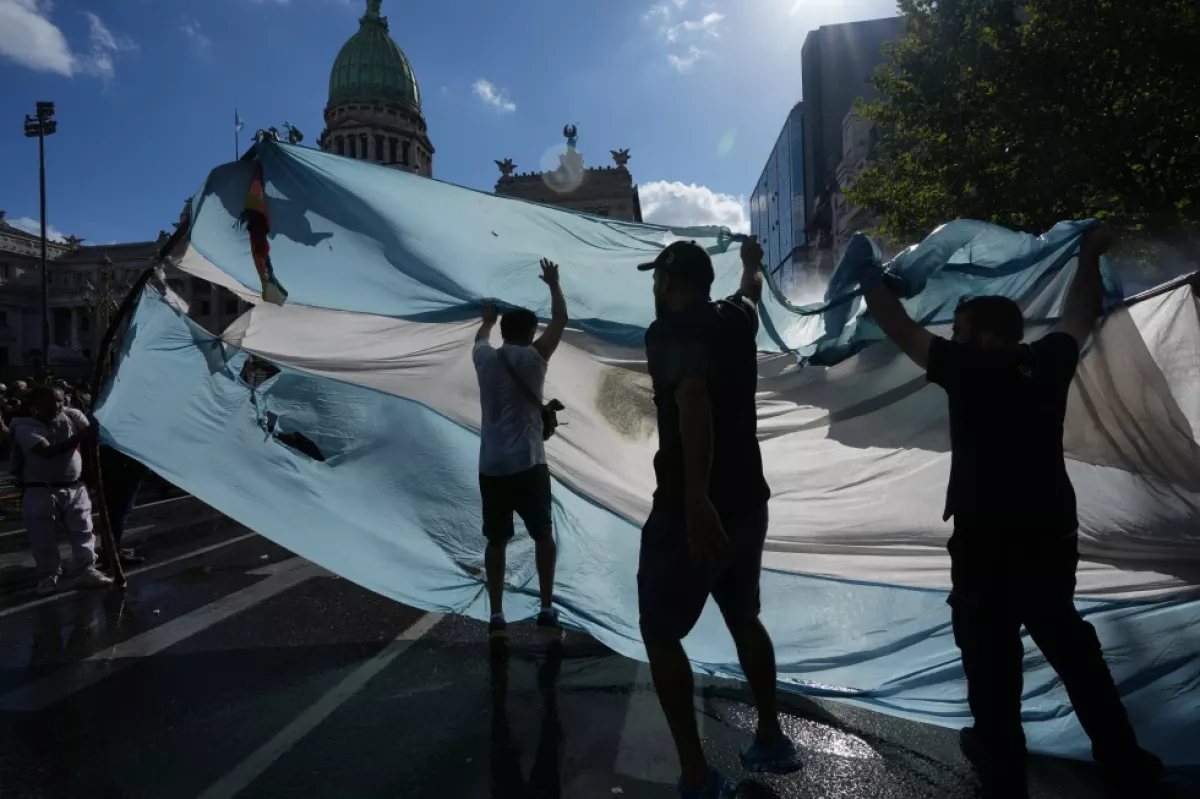
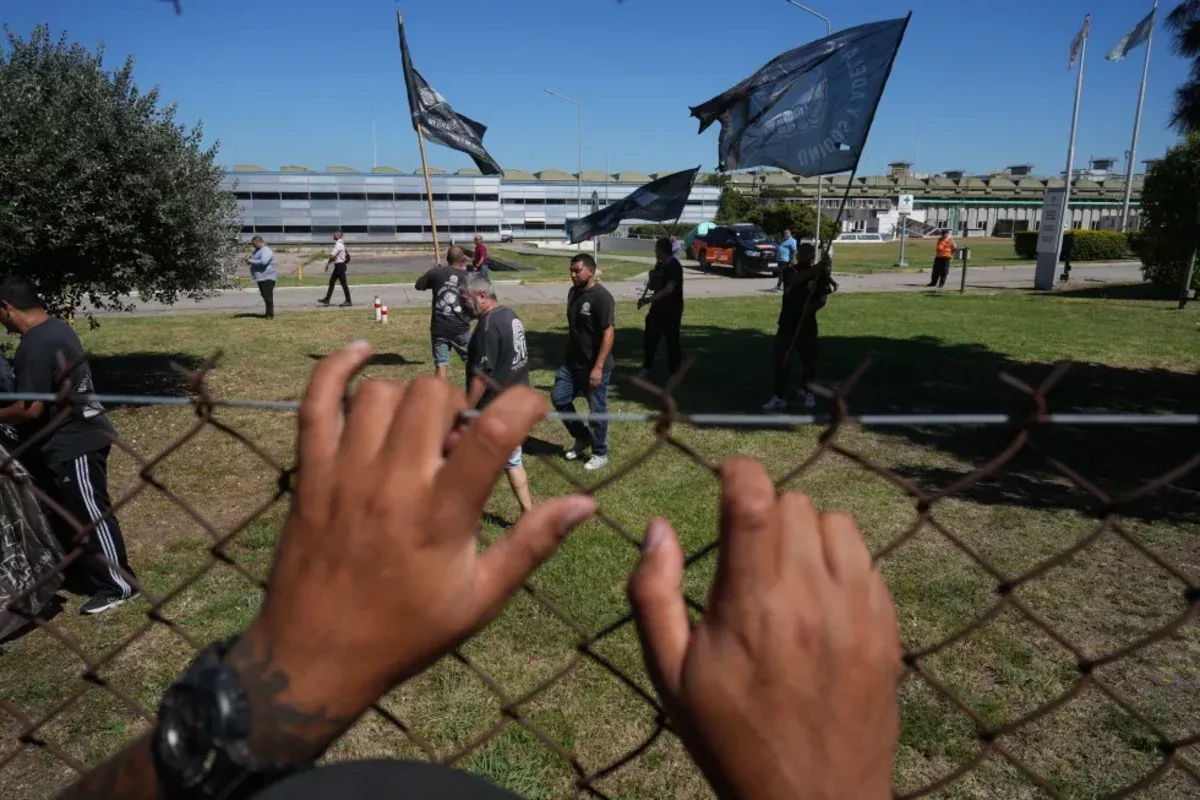
As legislators debated the proposal, the strike caused widespread disruption nationwide. Bus and subway services stopped running, factories suspended operations, banks shut their doors, and airlines cancelled hundreds of flights. Public hospitals postponed all non-emergency surgeries, while uncollected garbage accumulated in streets and commercial districts. A march toward Congress organised by radical left-wing unions briefly turned violent, with police deploying water cannons against protesters who threw stones and bottles.
Milei has argued that revising the country’s decades-old labour code is essential to attracting foreign investment, raising productivity and stimulating job creation in an economy where roughly two out of every five workers operate in the informal sector.
Trade unions, however, warn that the reform would erode long-standing labour protections that have shaped Argentina’s social model since the rise of Peronist politics in the mid-20th century. Union estimates indicate that about 40 per cent of the country’s 13 million registered workers belong to organised labour, many of them closely aligned with that political tradition.
Under the proposed legislation, the right to strike would be restricted, unions’ bargaining leverage reduced, and companies granted broader authority to dismiss employees by extending probation periods and limiting workers’ ability to challenge layoffs in court. The bill would also lower traditionally high severance payments and allow employers to introduce 12-hour workdays, replacing the current eight-hour standard.







 editor@caliber.az
 +994 55 444-88-98
 Азербайджан, Баку, ул. Низами, 203, Af Business House, 5-й этаж