










Azerbaijan–US rapprochement and the shadow of Section 907 US experts on Caliber.Az
Recent developments in the peace process between Baku and Yerevan clearly indicate that the time has come to repeal the originally unjust Section 907, which was passed by the U.S. Congress back in 1992 under pressure from the Armenian lobby, which accused Azerbaijan of “blockading Armenia.”
For instance, the initialling on August 8 in Washington of the “Agreement on the Establishment of Peace and Interstate Relations between the Republic of Armenia and the Republic of Azerbaijan” and the launch of the Zangezur Corridor project—agreements also reached in the U.S. capital—have opened a new era for political and economic cooperation in the South Caucasus. This logic is fully reflected in Baku’s recent steps, such as lifting restrictions on the transit of goods to Armenia through Azerbaijani territory and beginning the supply of Azerbaijani petroleum products to that country.
Thus, it can be said that Baku and Yerevan have stepped into a new era of cooperation, one where there is no place for the political sanctions that the collective West has so freely imposed on Azerbaijan. The U.S. leadership has also begun addressing this serious political issue: in the summer of 2025, President Donald Trump suspended Section 907, and in December of this year, House Representative Anna Paulina Luna introduced a bill aimed at its full repeal. However, it seems that all political activity around this issue has since stalled.
So, what is missing for the final decision on repealing Section 907—political will among senators, or is it being blocked by bureaucratic red tape and the Armenian lobby in Congress? American political analysts specialising in the South Caucasus answer this question for Caliber.Az.
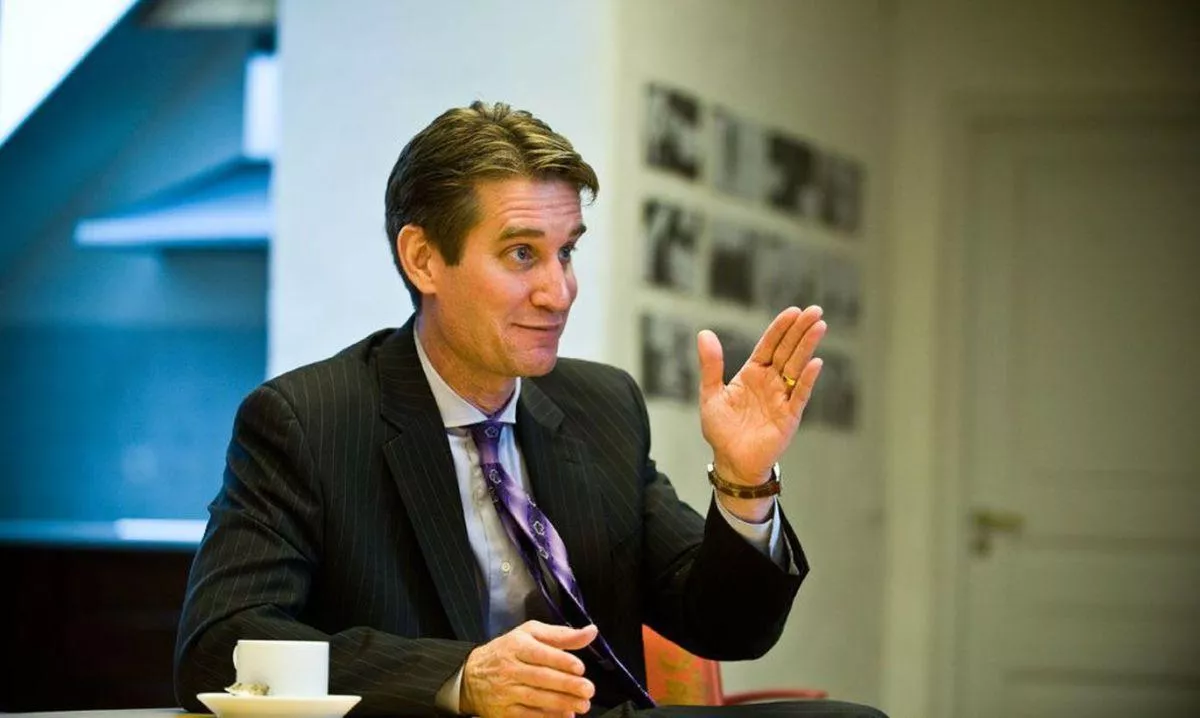
According to political expert and former U.S. Ambassador to Azerbaijan Matthew Bryza, Section 907 should be seen as a political anachronism that is no longer relevant from a legal standpoint for several reasons.
“First, President Trump has already announced that he will not enforce it. Second, whether the Section 907 is suspended or not, it has no practical significance for Azerbaijan, since the country’s government does not rely on economic or financial assistance from the U.S. Therefore, its continued existence is essentially just a meaningless political irritant, although I understand that it still causes concern in official Baku as an anti-Azerbaijani act embedded in U.S. law,” he said.
The former ambassador also noted that the bill to repeal Section 907, introduced in the U.S. Congress by Florida Representative Anna Paulina Luna, is currently under consideration by the House Foreign Affairs Committee.
“But the fact is that since 2023, another Armenian-lobby-backed bill, approved by the U.S. Senate and called the ‘Armenian Protection Act of 2023’ (S.3000), has been under consideration in the House of Representatives. This legislation strengthens support for Yerevan. It requires Section 907 to be maintained indefinitely and obliges the President not to repeal it, even using a temporary veto. Therefore, I believe that members of the House Foreign Affairs Committee will need a significant amount of time to resolve the existing dilemma—whether to repeal the amendment or preserve it. As I have already noted, President Trump has made his position on this clear, but the final decision rests with the Speaker of the House and the committee chairs. Of course, Donald Trump could exert pressure on them to advance Anna Luna’s bill, but at this stage, it is difficult for me to predict what decisions he will make on this issue going forward,” said Bryza.

Meanwhile, political analyst Andrew Korybko reminded that President Trump suspended Section 907 earlier this summer, but its full repeal requires congressional approval. This issue remains unresolved due to the continuing influence of the Armenian lobby and some so-called “Christian nationalists,” who still view the settled conflict between Armenia and Azerbaijan through a religious lens of Christian–Muslim confrontation, rather than as a political-territorial issue.
“However, in light of the bill introduced by Representative Anna Luna—a politician close to Trump—to repeal this act, and given that the current U.S. president supports the repeal of this amendment, it can be said that the legislative process has begun. Azerbaijan, naturally, is seeking its swift repeal out of pragmatic reasons and to create a predictable atmosphere in its relations with the United States, so that in the future no Democratic president reactivates the amendment under the influence of the Armenian lobby or other factors. The pace and outcome of this process will, of course, depend on domestic political dynamics, but even if it fails, Donald Trump will likely continue to veto the enforcement of Section 907.
At the moment, it is difficult to assess the likelihood of a full repeal of this anti-Azerbaijani act. The current head of the White House supports this initiative, but congressional approval will be required. I believe a positive decision on the repeal will eventually be made, but if it does not happen before the midterm elections, or if the Democrats— as some fear—regain control of the House of Representatives, these forces will likely not approve the bill. Therefore, it is very important to resolve this issue through Congress in the near future, rather than several years from now,” Korybko concluded.







 editor@caliber.az
 +994 55 444-88-98
 Азербайджан, Баку, ул. Низами, 203, Af Business House, 5-й этаж