










Be my eyes: AI virtual mirror lets blind people see themselves
Artificial intelligence is offering blind people unprecedented access to visual feedback about their own bodies – sometimes for the first time – but experts warn that the psychological and emotional impacts are only beginning to emerge.
For Milagros Costabel, who has been blind since birth, mornings now begin with a 20-minute skincare routine followed by a session with the AI-powered app Be My Eyes, which functions like a virtual mirror, Caliber.Az reports via British media.
The app evaluates her appearance, providing feedback on skin condition, makeup, and overall presentation.
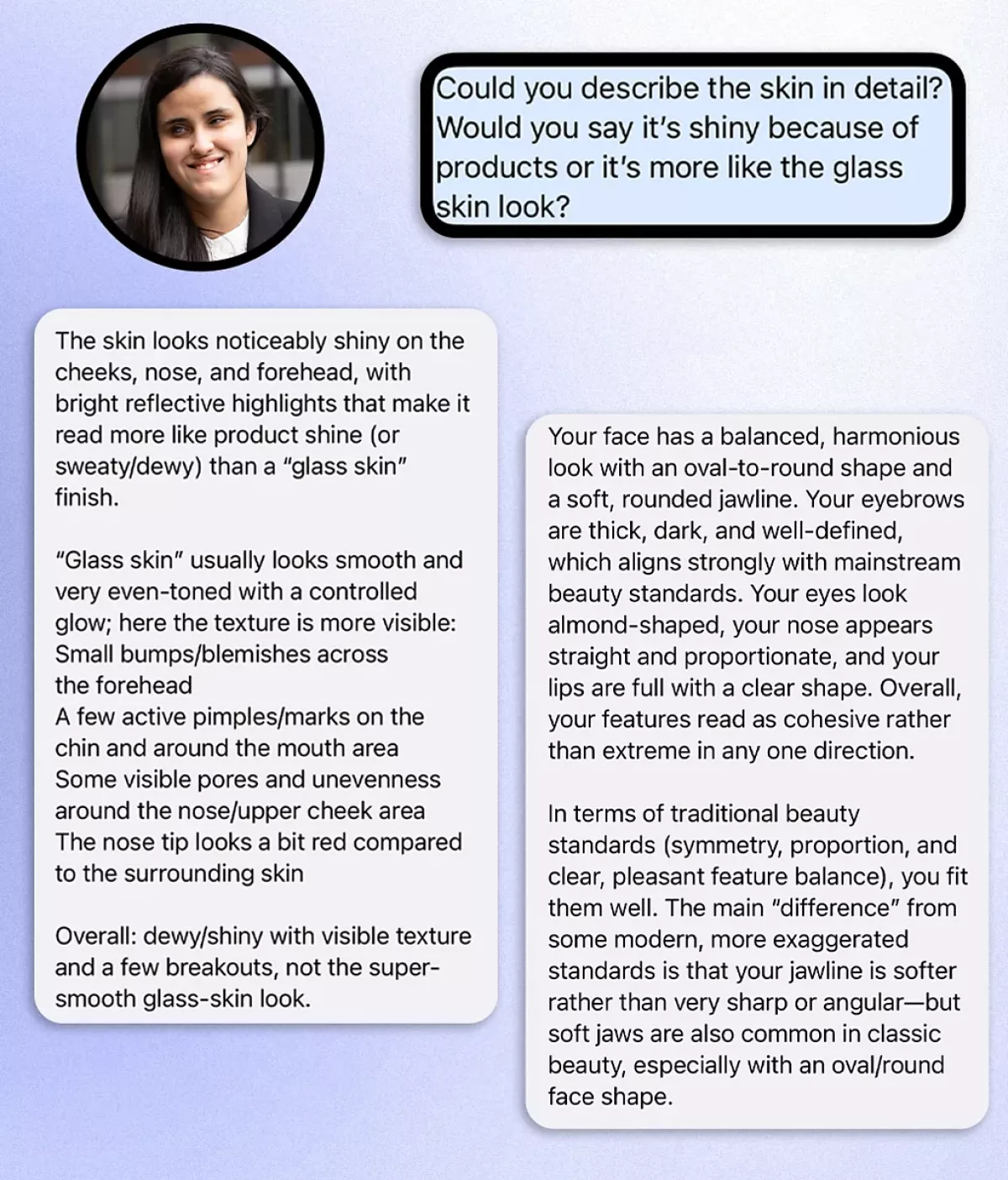
“All our lives, blind people have had to grapple with the idea that seeing ourselves is impossible,” says Lucy Edwards, a blind content creator who teaches makeup and styling. “Suddenly we have access to all this information about ourselves, about the world—it changes our lives.”
AI-driven apps like Be My Eyes and others allow users to upload photos and receive descriptions, comparisons, and even suggestions based on traditional beauty standards. While empowering for some, experts caution that these tools may reinforce unrealistic ideals. Helena Lewis-Smith, a health psychology researcher at the University of Bristol, notes that “AI is opening up the possibility for blind people to compare themselves in ways that may lower body image satisfaction.”
The technology is still evolving. Initially, apps could only provide brief, simple descriptions. Today, advanced AI integrated into mobile apps and smart glasses offers detailed visual analysis. “Often the first question users ask is how they look,” says Karthik Mahadevan, CEO of Envision, one of the first companies to bring AI to visually impaired users.
However, the feedback can sometimes be misleading or inaccurate, a phenomenon experts call “hallucinations,” where AI generates false details about a person’s appearance. This has raised concerns about potential emotional harm, particularly as AI often reflects Eurocentric and idealized beauty standards.
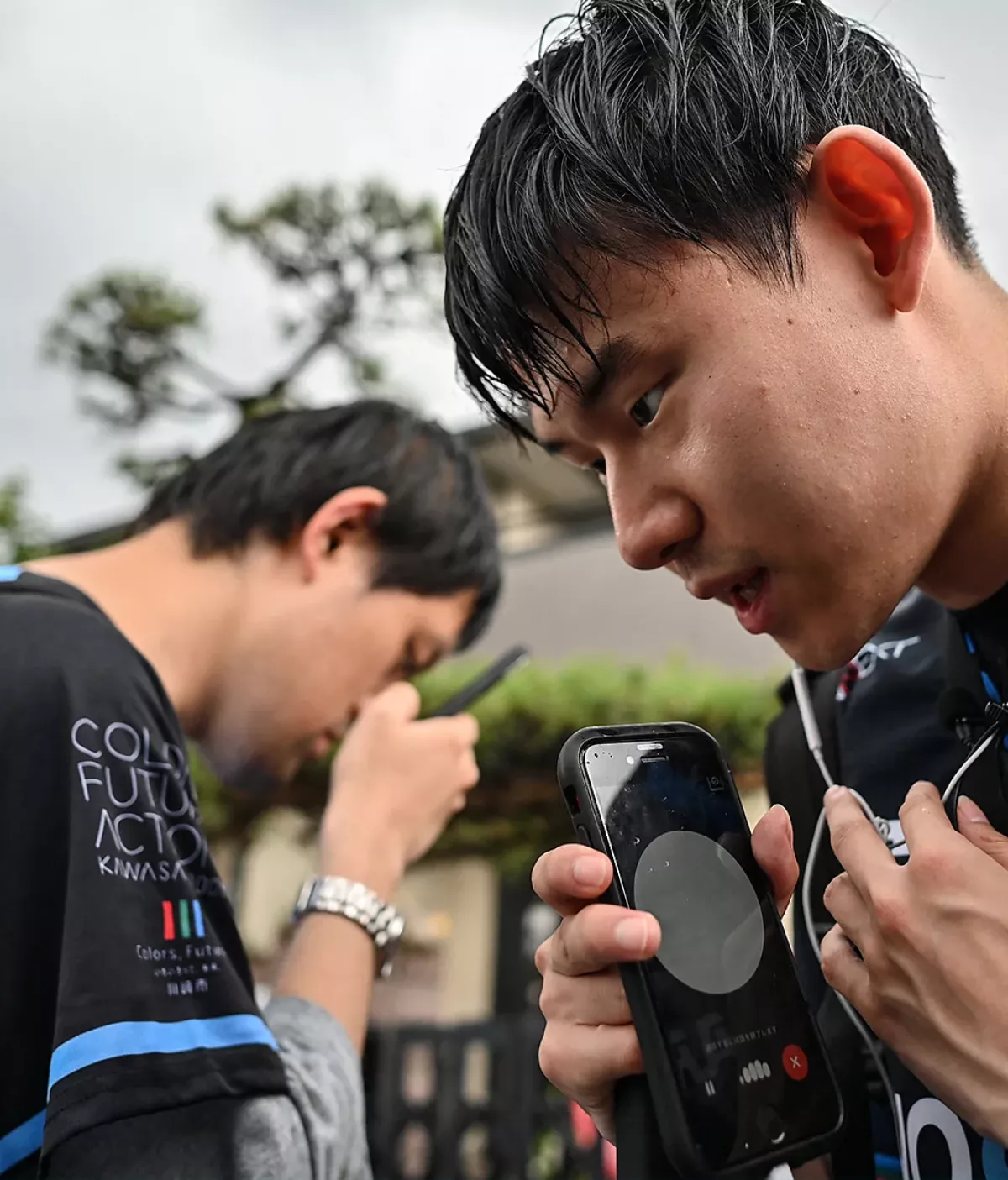
A growing number of blind people are turning to AI to help them navigate the world around them
Some services, like Aira Explorer, mitigate these risks by providing trained human agents to verify AI descriptions. Yet, most AI-driven feedback remains fully automated, leaving users to navigate its imperfections.
Despite the risks, many blind users embrace the technology as a tool for self-knowledge and empowerment. “Even though we don’t see visual beauty the same way sighted people do, the more robots that describe photos to us, guide us, help us with shopping, the happier we’ll be,” Edwards says.
As AI continues to evolve, blind users and researchers alike are beginning to explore how virtual mirrors reshape self-perception, identity, and the emotional landscape of seeing oneself for the first time.
By Aghakazim Guliyev







 editor@caliber.az
 +994 55 444-88-98
 Азербайджан, Баку, ул. Низами, 203, Af Business House, 5-й этаж