










Budapest celebrates as Europe cheers, while Moscow looks on coldly
Jubilation in Budapest will reverberate across Europe after a surprise election result unseated long-serving Hungarian prime minister Viktor Orbán, while leaving Moscow cold, Katya Adler, BBC’s Europe editor, writes.
In the capital, Budapest, celebrations centred on the Chain Bridge, illuminated in national colours as supporters of Péter Magyar and his Tisza party marked what they called a historic turning point in Hungary’s political landscape.
Turnout was high as voters delivered a decisive defeat to Orbán’s Fidesz government after 16 years in power, despite his control of much of the media and a heavily shaped electoral system.
Supporters of Péter Magyar said they felt they were reclaiming their country, while the new leader promised reforms aimed at rolling back what he described as the Orbán era and restoring closer ties with the European Union.
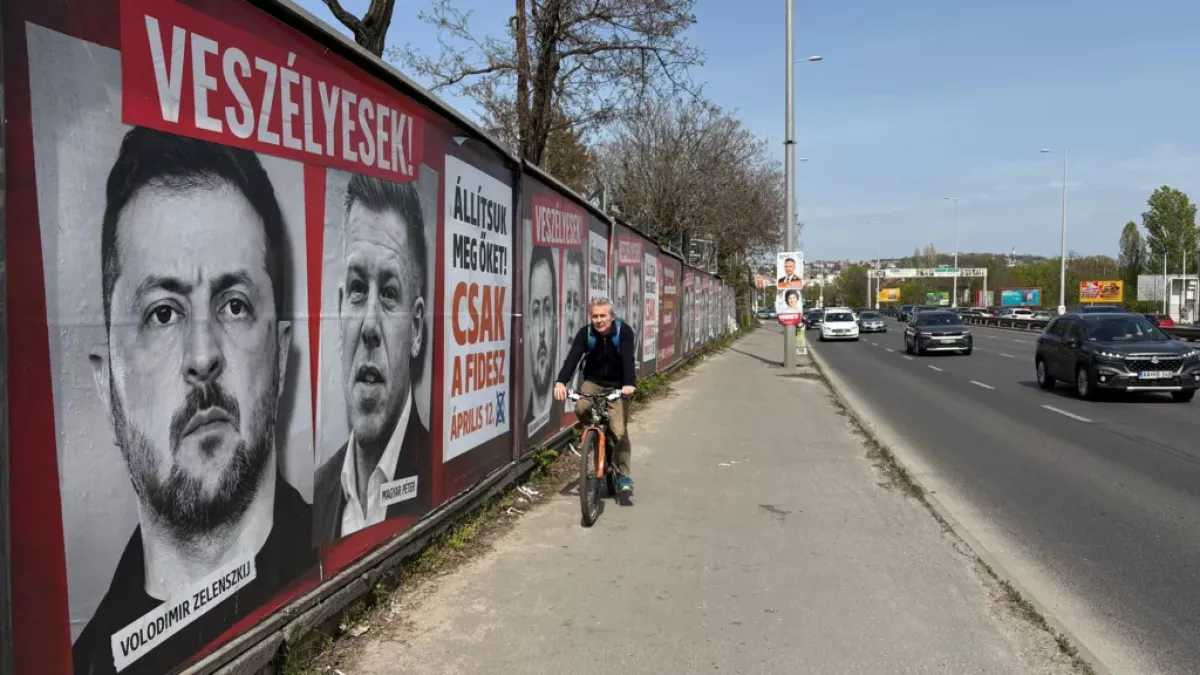
International reaction was swift, with European leaders welcoming the change and noting potential implications for policy on Russia, Ukraine and EU decision-making.
In Brussels, officials expressed relief at the likely end of Hungary’s role as a persistent blocker of sanctions packages and financial support measures for Kyiv.
In Washington, reactions were more muted, with allies of Donald Trump acknowledging the loss of a key European partner aligned with his nationalist agenda.
Péter Magyar, a former Fidesz insider turned opposition figure, is expected to take office after formal approval from Hungary’s president, marking a new but uncertain chapter in Hungarian politics.
He faces the challenge of balancing domestic expectations for economic improvement with foreign policy pressures from both Brussels and Moscow as Europe recalibrates its political balance.
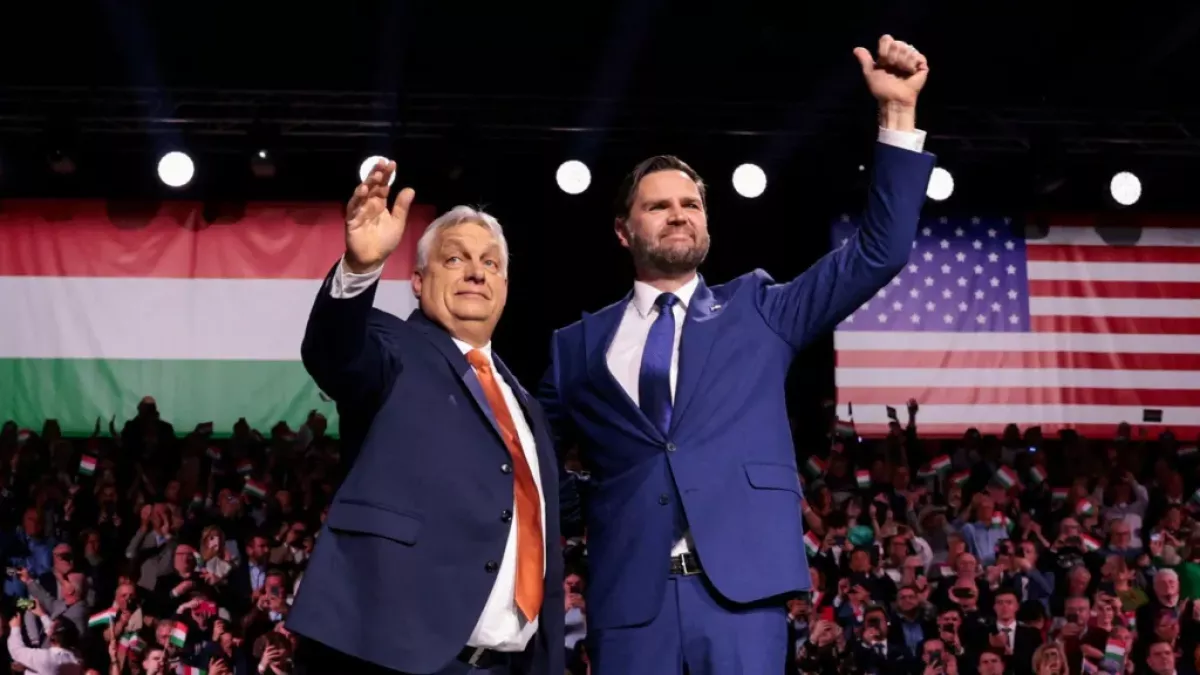
Analysts say the result reflects deep domestic fatigue with years of economic strain, rising living costs and concerns over governance standards under Orbán’s long tenure. While Magyar’s campaign promises to reset relations with European partners and unfreeze cooperation with Ukraine, his ability to govern will depend on navigating a fragmented political environment and managing expectations among voters who united more against the incumbent than around a detailed policy platform. Early signals suggest continuity in some areas of social policy, alongside a more pragmatic approach to EU institutions. However, tensions with Moscow are likely to persist given Hungary’s energy dependence and geopolitical positioning. The outcome also feeds into wider European debates about the durability of populist nationalist movements, even as leaders in Brussels cautiously welcome what they see as a potential realignment in Central Europe.
Observers warn that the political transition will not be immediate and could be shaped by institutional constraints and coalition bargaining in the months ahead across Hungary’s parliament and governing coalition formation.







 editor@caliber.az
 +994 55 444-88-98
 Азербайджан, Баку, ул. Низами, 203, Af Business House, 5-й этаж