










He was right Churchill’s lesson for Afghanistan and Pakistan
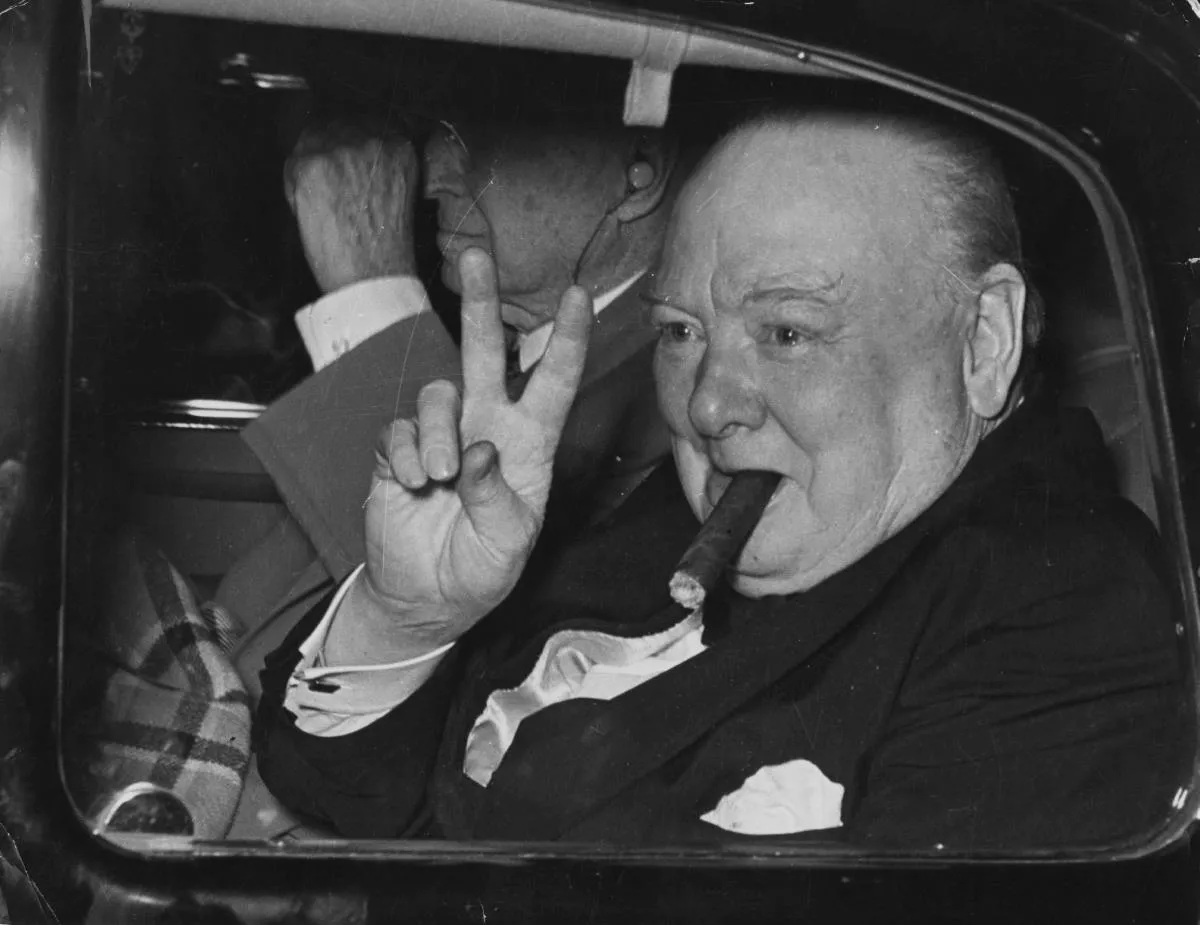
I’m talking about Churchill—not the cigar, but Winston. He was right in many instances, especially when he said that in politics there are no friends, only interests.
In the original phrasing, he said: Britain has no permanent friends or permanent enemies, only permanent interests. But the exact words aren’t the point. Nor is it crucial that interests, despite their “permanence,” change over time, as do the ways they are pursued.
Paradoxical scenarios abound: yesterday’s friends and brothers can today find themselves on opposite sides of barricades, and tomorrow they might be exchanging blows. There’s even a theory that allies are really enemies who share a common foe demanding urgent attention. Yet, even understanding the fleeting nature of partnerships, the relationship between Afghanistan and Pakistan defies comprehension for anyone with even a modest knowledge of regional history. I won’t venture too deep into that history—though the temptation is strong—but even if we limit ourselves to the recent past, the Durand Line alone (the 2,600-kilometre border that exists only on the map) says enough.
Let’s go back to the late 20th century, when the USSR rushed into Afghanistan “to fulfil its international duty.” Pakistan became the hope and backbone of the mujahideen opposing the Soviet army. It was across the mountain trails along that border that streams of weapons and fighters entered Afghanistan, ultimately leading to the inglorious conclusion of the “payment process.” The USSR withdrew from Afghanistan. Apparently, in Moscow, they decided the debt was paid.
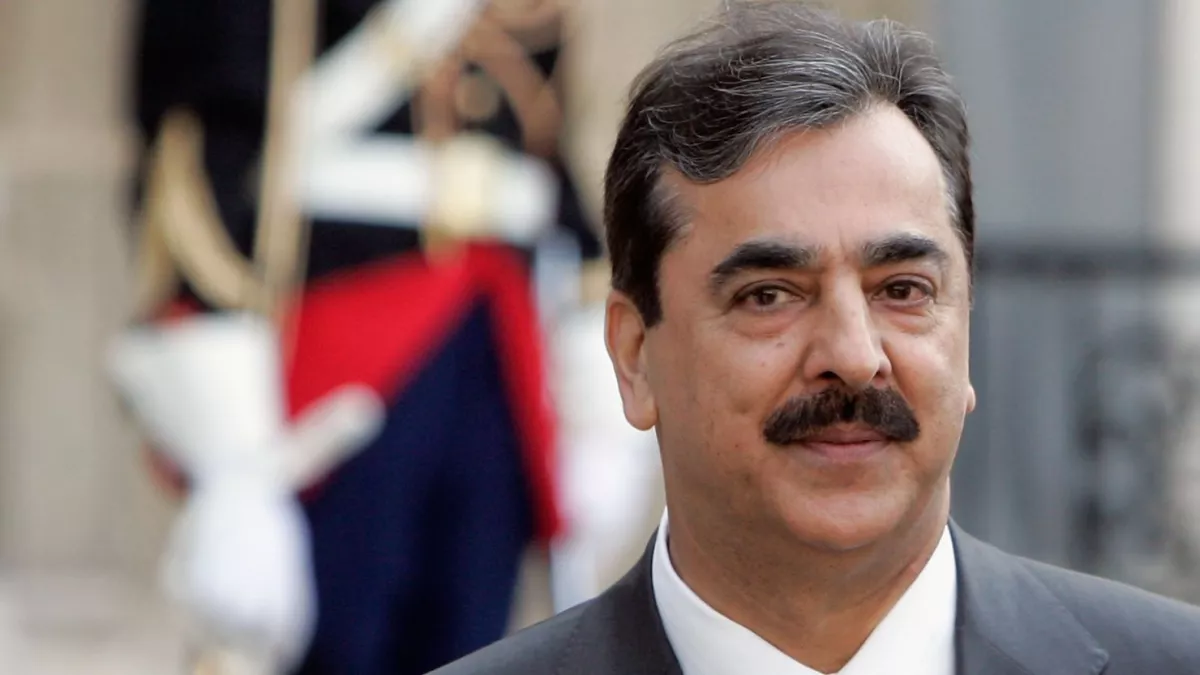
Pakistan continued to play a significant role afterward, sometimes even facing accusations of supporting not just the mujahideen but the Taliban. For example, in 2008, U.S. President George W. Bush openly confronted then-Pakistani Prime Minister Yusuf Raza Gilani over Islamabad’s alleged involvement in the attack on the Indian embassy in Kabul.
Pakistan rejected the allegations as baseless. No evidence ever emerged. Yet the Afghan Taliban have always regarded Pakistan as a second homeland, and given the artificiality of the border, one could argue that many consider the territories of both countries as a single continuous homeland. A case in point is the area around the Tora Bora cave fortress, where in 2001 the U.S. military hunted Osama bin Laden—ultimately without success.
It might seem that the Taliban serve as a bond between Pakistan and Afghanistan, a tested and proven link. Yet, paradoxically, this is precisely where the rift began, leading to clashes along the border, heightened tensions between the two countries, and Kabul’s overtures toward Delhi—an almost fantastical development. The Taliban have always harboured deep hostility toward Delhi, and the Indians reciprocated in kind. Some believe that India’s Ministry of Foreign Affairs desperately tried to dissuade its U.S. partners from withdrawing from Afghanistan in 2021—but to no avail. Incidentally, India was one of the largest donors attempting to help build a functioning state in Afghanistan during the Karzai era and later under Ghani—but that too ultimately failed.
To understand what happened, we need to take a closer look at the “Taliban.” And, frankly, it’s not the most pleasant task—they are dangerous, even explosive. The “Taliban” is not a single monolithic organisation; it is a collective term for a number of effective, well-organised, and highly motivated groups operating across Pakistan and Afghanistan. There are dozens of subgroups and offshoots: the Pakistani Taliban is represented by Tehrik-e-Taliban, while the Afghan Taliban forms the Islamic Emirate, which serves as the official authority in Afghanistan. The capabilities of these groups were clearly demonstrated by the withdrawal—or flight—of the U.S.-led coalition from Afghanistan in 2021. While these “guys” have much in common, there are also differences—fundamental ones, as it turns out.
Upon coming to power, the Afghan Taliban attempt to maintain stability in the country and the region, albeit in their own uniquely Afghan manner and style. Pakistani counterparts, however, do not share this relative peacefulness at all—they crave turmoil and have no interest in calm. Their objectives today include even the official authorities in Pakistan. Official Kabul is far from pleased, but severing ties with these spiritually and culturally close “cousins” is not so simple.
Instead, a closed loop emerges: Islamabad accuses Kabul of enabling forces seeking to destabilise Pakistan, while Kabul persistently denies these claims and simultaneously attempts, if not to control (unlikely), then at least to regulate the actions of its Pakistani counterparts. Meanwhile, Kabul is struggling for legitimacy and faces numerous internal challenges (the gender issue alone is enough). Connections with these disruptive actors can only undermine that legitimacy, not strengthen it.
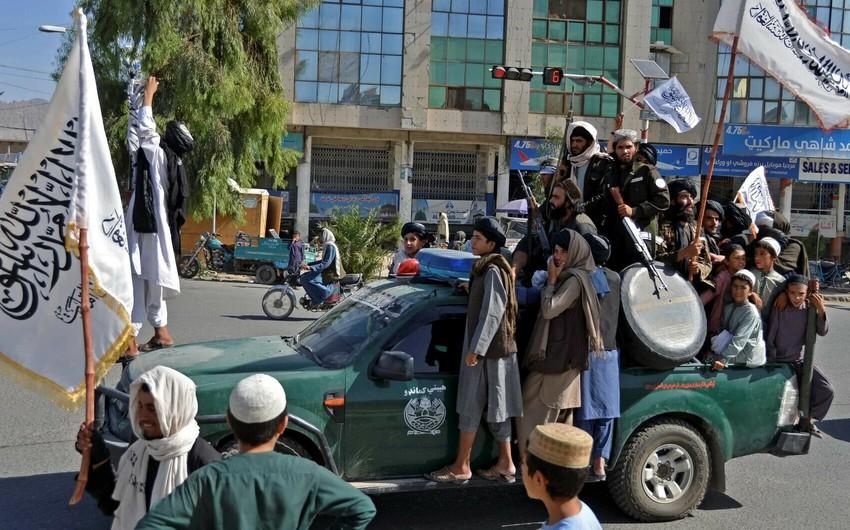
One could, of course, say that when loved ones quarrel, it’s just play. But this is not that case. And it’s not even about whether they can be called “lovable.” The dynamics at play affect not only these two countries but the entire region. The Taliban—whether Tehrik-e-Taliban or the Islamic Emirate—hang over all of Central Asia like a Damoclean sword, precariously swaying and threatening to fall. Despite the successes of regional states in addressing various challenges, the threat posed by militant Islamism, compounded by real issues in education and unemployment, cannot be underestimated.
Afghans and Pakistanis have not lost wars in a long time—one or two battles, perhaps. But even a major, high-profile victory over them today can turn into dozens of small defeats tomorrow and the day after, leading to a loss of control over processes, countries, and a boomerang effect reminiscent of the Soviet era.
And since we began with a Churchill quote, we’ll end with him: the greatest lesson in life is that even fools can be right. Winston Churchill, of course, was no fool.







 editor@caliber.az
 +994 55 444-88-98
 Азербайджан, Баку, ул. Низами, 203, Af Business House, 5-й этаж