










Moscow’s warnings, Yerevan’s choice Armenia between the EAEU and the EU
Armenia’s close engagement with the European Union continues to remain in Moscow’s spotlight as one of the Kremlin’s main irritants. This is evidenced by the recent remarks—laced with undisguised sarcasm—made by Vladislav Maslennikov, Director of the Department for European Affairs at Russia’s Ministry of Foreign Affairs, in an interview with TASS.
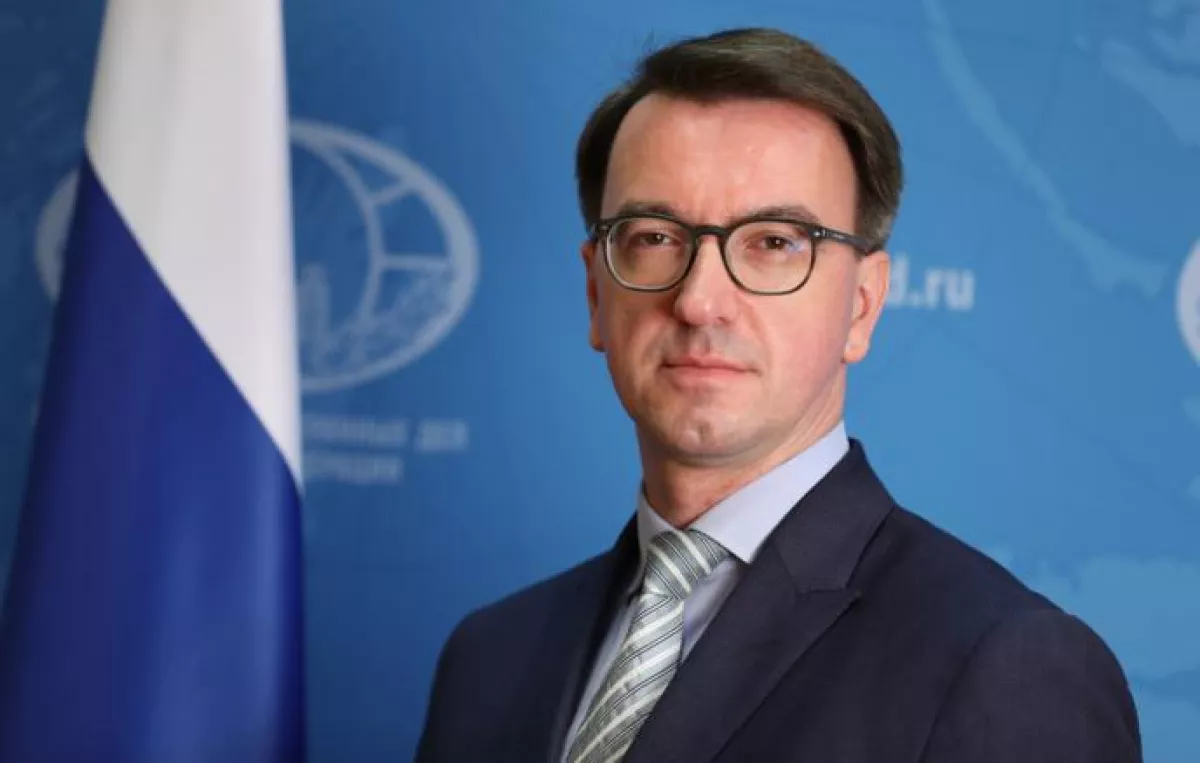
In particular, he stated that Armenia’s “accelerated rapprochement with the European Union would have negative consequences both for allied relations with Russia and for the development of integration processes across the entire post-Soviet space,” adding that Armenia’s interest in EU membership cannot but cause concern in Moscow given the organisation’s strategic course aimed at confrontation with Russia.
“We expect that Armenia, as a member state of the Eurasian Economic Union (EAEU), will recognise the potential negative consequences of an accelerated rapprochement with Brussels,” Maslennikov emphasised.
Statements of this kind have been voiced repeatedly by representatives of the Russian political establishment, making it possible to conclude that the Kremlin is attempting—through such verbal pressure on Yerevan—to restore its significantly weakened positions in Armenia. At the same time, Russia appears to be relying on a familiar scenario from the past. It is worth recalling that in 2013 the Armenian authorities intended to sign an Association Agreement with the EU, but the Kremlin nipped this initiative in the bud. As a result, then-President Serzh Sargsyan returned from Moscow to Yerevan looking utterly dejected.
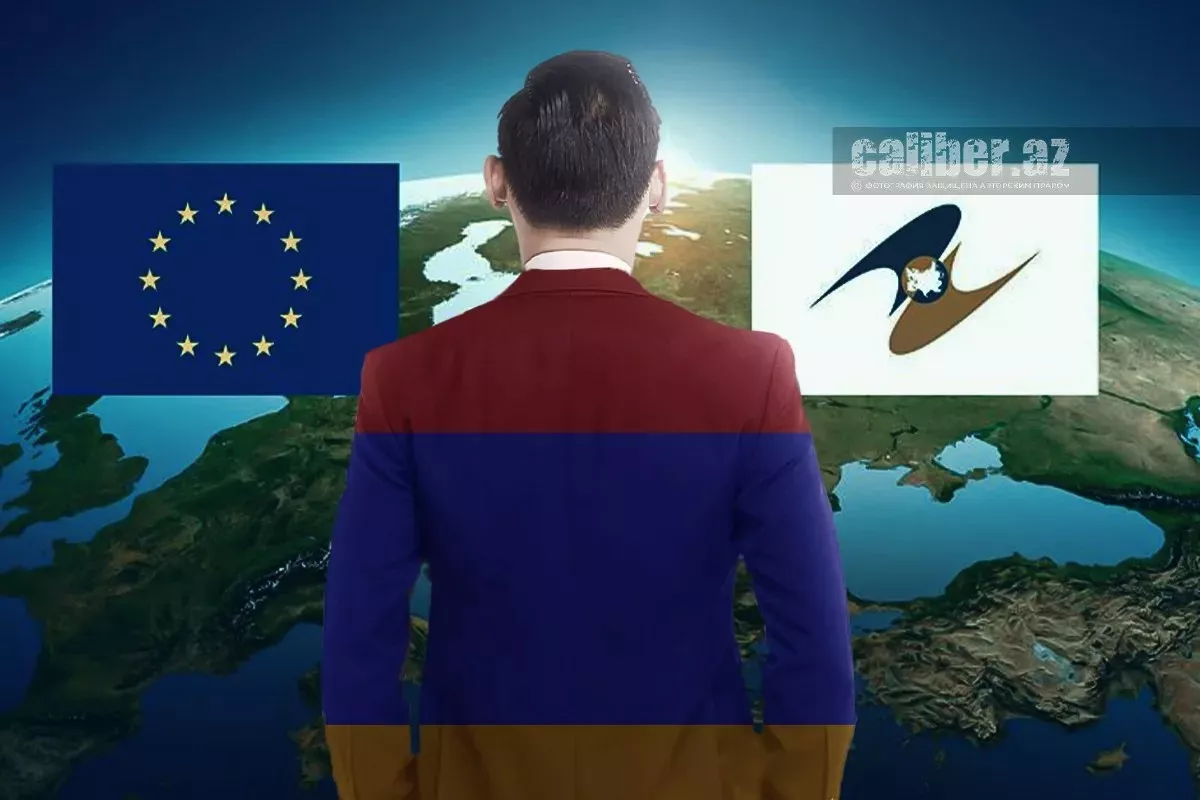
Today, in an effort to prevent Armenia from drawing closer to the European Union, the Russian side is actively playing its economic trump card—namely, the country’s membership in the EAEU, which, one way or another, remains Yerevan’s Achilles’ heel. Maslennikov also addressed this issue in his interview.
“Brussels has begun actively imposing on Yerevan a politically motivated transition to EU standards, which fundamentally disregards this South Caucasian republic’s membership in the EAEU and the obligations arising from it. The fact remains: simultaneous membership in the EAEU and the EU is impossible by definition,” he stressed.
We believe that by “EU standards” the head of the Russian Foreign Ministry’s department most likely also meant the EU’s attempts to persuade Yerevan to join anti-Russian sanctions—a precedent for which has already existed.
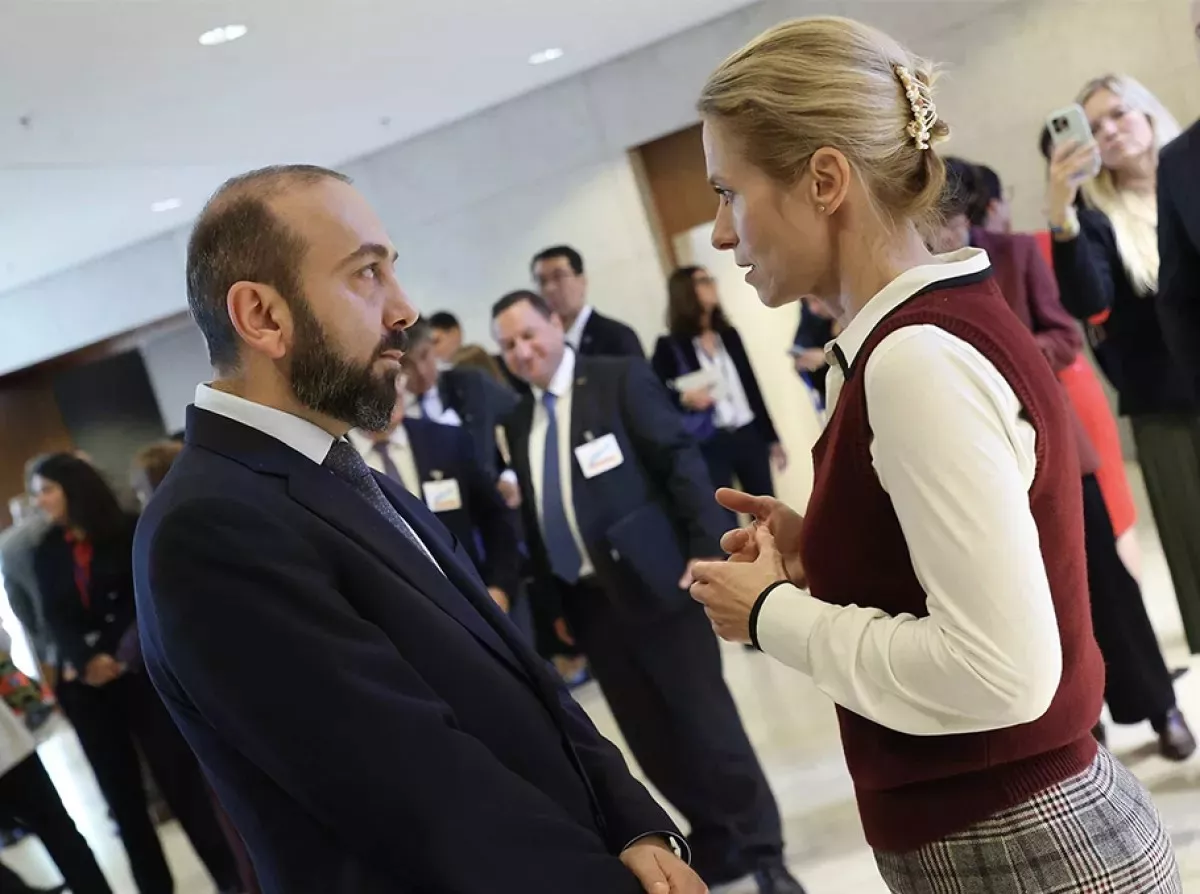
During the December visit of Armenian Foreign Minister Ararat Mirzoyan to Brussels, the EU’s High Representative for Foreign Affairs and Security Policy, Kaja Kallas, called on the Armenian side to join the sanctions against Russia, which immediately provoked a sharp reaction from Moscow. In particular, Russia’s Ambassador to Yerevan, Sergei Kopyrkin, warned in an interview with the newspaper Noah’s Ark about the consequences such a move could have for Armenia’s economy should the country join Western sanctions against Russia: “Apparently, in Brussels they do not give much thought to the consequences this step could have for the Armenian economy.”
However, despite all the Kremlin’s reprimands, the current Armenian authorities continue to take steps towards closer ties with the EU. This is evidenced both by the Armenian parliament’s adoption of a law launching the process of the country’s accession to the European Union, and by a number of quite concrete statements made by the republic’s official representatives.
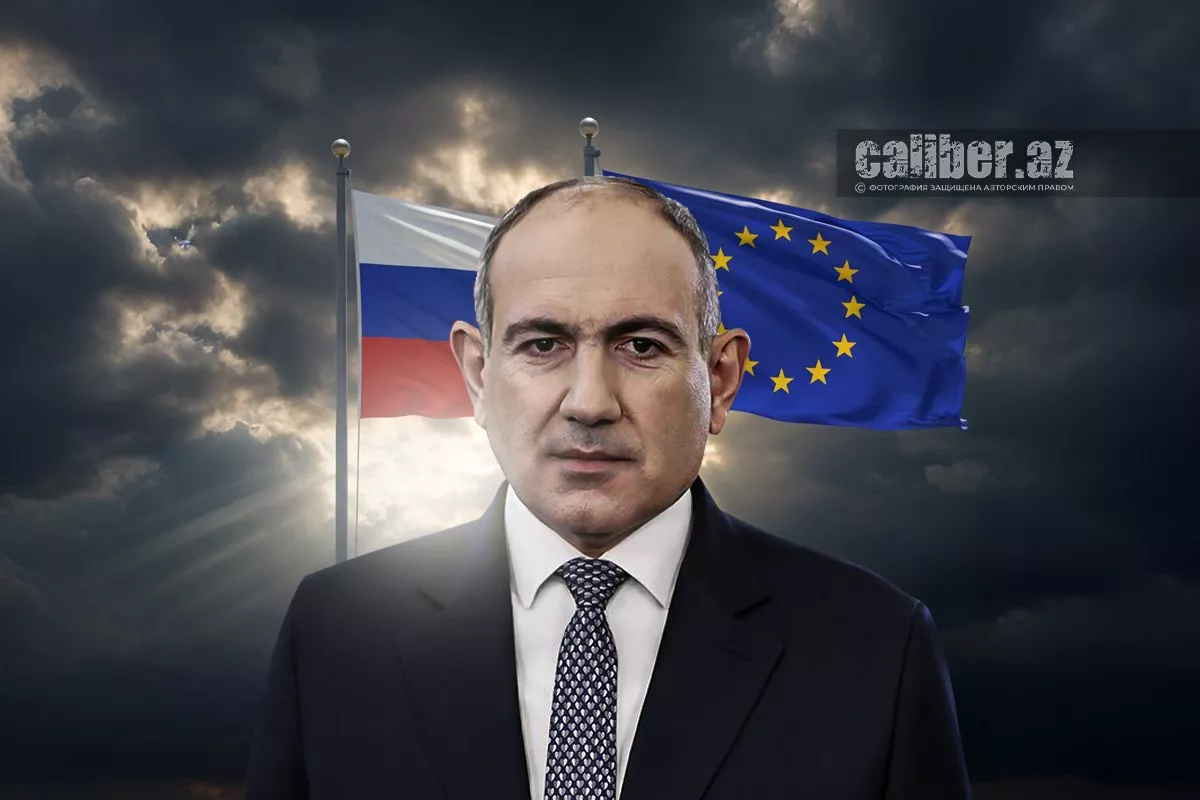
For example, Prime Minister Nikol Pashinyan, speaking at the conference “Armenia and Peace at the Crossroads of Risks and Opportunities”, attended by the ambassadors of the United States and the EU, stated that “once we reach European Union standards, we will have two options—either we are accepted into the EU, or we are not. But in both cases, we benefit. If we are not accepted, we will still meet European standards and will have a developed and modern state.”
This line was continued by Ararat Mirzoyan in his address at a discussion held on January 30 at the European Parliament’s Committee on Foreign Affairs in Brussels. Speaking about the prospects for deepening ties between Armenia and the EU, as well as the country’s ambitious programme of democratic reforms, he emphasised: “The choice lies between sovereign democracy and an authoritarian path leading to subservience, and we have already made our choice.”
Moreover, the Kremlin’s level of irritation was likely further heightened by a recent remark from the Armenian prime minister regarding the repair of border railway sections. He noted that “the Armenian government intends to deepen cooperation with Russian partners on the issue of unblocking regional communications. If, for some reason, our Russian partners are unwilling to make the investments, we will take these sections over ourselves and do everything on our own.”
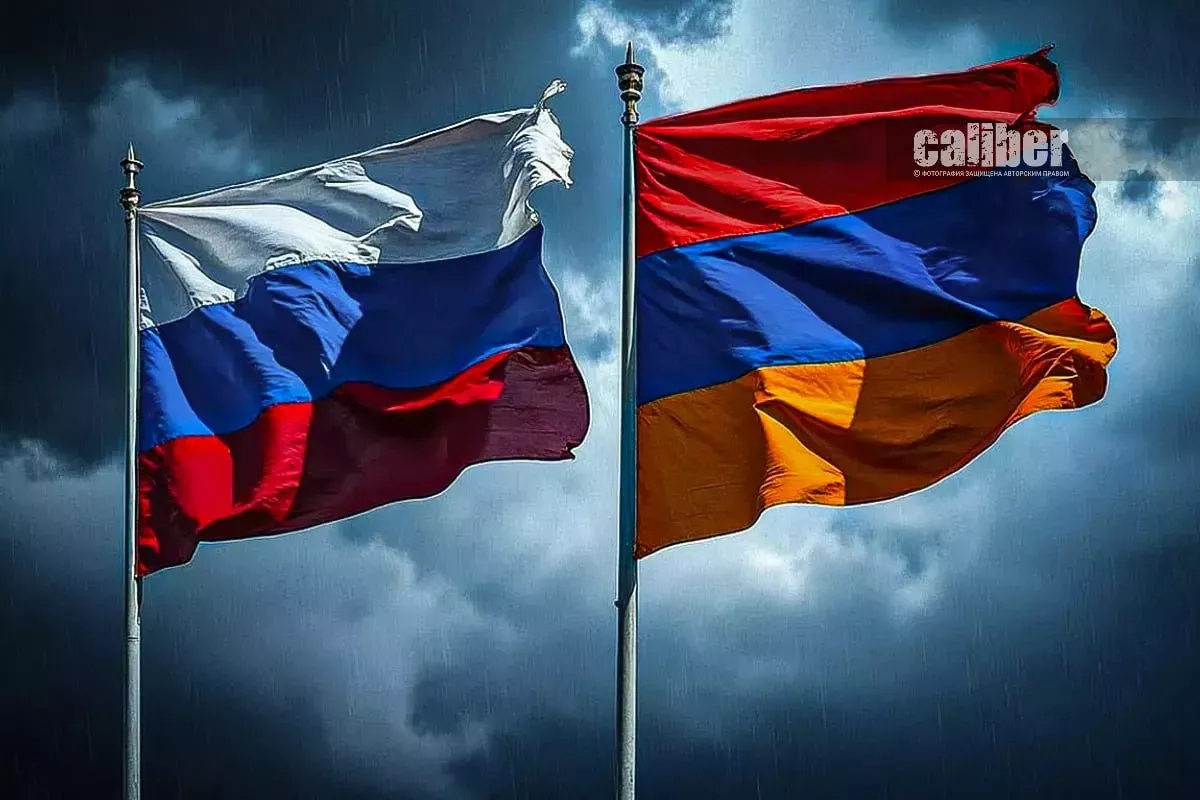
All of these statements clearly indicate that the Armenian side is firmly oriented towards European integration. These priorities are expected to be discussed in detail during the upcoming visit of National Assembly Speaker Alen Simonyan to Moscow. What impact this visit will have on Russian–Armenian relations, and what the Speaker will return to Yerevan with, remains to be seen.







 editor@caliber.az
 +994 55 444-88-98
 Азербайджан, Баку, ул. Низами, 203, Af Business House, 5-й этаж