










Scientists reveal ancient sunglasses of Arctic inhabitants PHOTO
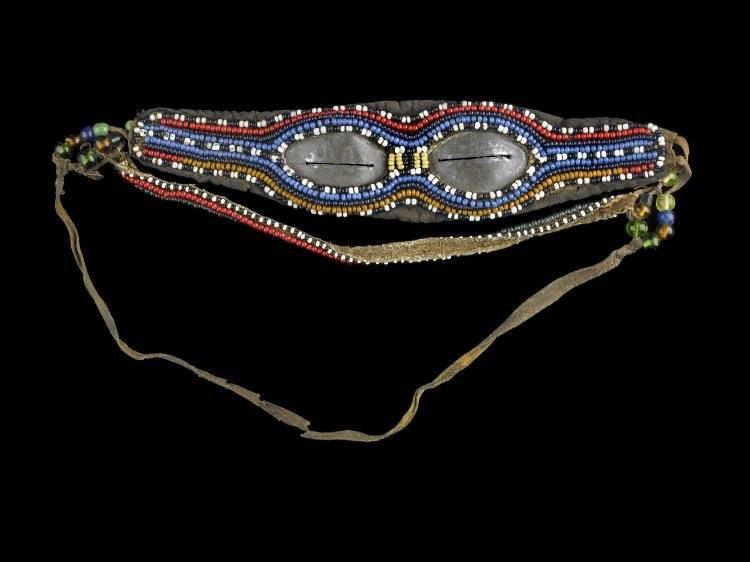
In a remarkable unveiling, scientists at the Arctic Development Project Office have showcased ancient eyewear belonging to Arctic inhabitants.
These sunglasses, identified as Nganasan sunglasses, were presented in an exclusive revelation reported by the NIA-Zapolyarye news portal.
Unlike modern sunglasses with lenses, these historic eyepieces featured narrow slits intended for the eyes. Indigenous Arctic dwellers utilized these ingenious devices during specific months, notably in the spring when the sun's intensity heightened, causing the snow to dazzle and sparkle due to ray refraction.
The necessity for such eyewear stemmed from the hazardous conditions posed by prolonged exposure to the sun's brilliance on the snow-covered terrain. Excessive brightness and glare could lead to inflammation and discomfort in the eyes, rendering protective measures imperative.
Crafted from a variety of materials including wood, bone, walrus tusk, reindeer horn, and coastal vegetation, these sunglasses were meticulously tailored to the contours of the wearer's face. Horizontal slits were intricately carved into the material, restricting light entry to a narrow passage. Some variants even featured soot applications on the interior surfaces to further diminish glare.
The snug fit ensured that light penetrated solely through the slits, enhancing visual clarity while safeguarding against harmful brightness. The width of the slits was calibrated not only to control light intake but also to optimize visual acuity. A smaller slit width resulted in a narrower field of vision, thereby enhancing focus and reducing the overwhelming glare from the sun's reflection on snow.







 editor@caliber.az
 +994 55 444-88-98
 Азербайджан, Баку, ул. Низами, 203, Af Business House, 5-й этаж