










Iran’s targeting of missile defence radars could punch holes in warning system
Iran has repeatedly targeted key missile-defence radar installations across the Middle East in retaliation for the ongoing joint US-Israeli air campaign, highlighting the vulnerability of these critical systems. Initial reports indicate that Iran may have destroyed a US AN/TPY-2 radar in Jordan and damaged the large American-made AN/FPS-132 phased-array radar in Qatar.
As those news raise immediate concerns about gaps in radar coverage needed to respond to further missile or drone attacks, an analysis by the military outlet The War Zone (TWZ) points to the underlying irony being that the relatively low-cost Iranian long-range kamikaze drones may represent one of the biggest threats to highly sophisticated radar systems designed to track and intercept targets traveling at hypersonic speeds.
In its assessment of the latest developments in the air war, the outlet argues that the loss or damage of these radar systems should serve as a stark warning about the vulnerability of such critical but largely static assets.
Although Iran has targeted a wide range of military and civilian sites, the analysis notes a clear and deliberate effort to strike air- and missile-defence radar installations as part of its retaliatory campaign. The destruction or temporary loss of key radar systems risks degrading the ability of regional defences to detect and intercept incoming Iranian missiles and drones, increasing the chances that such attacks will succeed.
Disabling radar installations at high-value military sites can also leave those areas far more exposed to follow-on strikes. At the same time, damaging these systems reduces the broader situational awareness of their operators and could carry strategic implications beyond the immediate region.
The report cites a CNN investigation that obtained satellite imagery from Planet Labs showing an AN/TPY-2 radar damaged — or possibly destroyed — after an Iranian attack on Muwaffaq Salti Air Base in Jordan. The base has long served as a major hub for US operations in the region and is currently being heavily used during the conflict.
Muwaffaq Salti hosts one of the largest concentrations of US tactical aircraft in the Middle East, making it a highly valuable target. Even a single ballistic missile strike on the base’s aircraft parking areas could destroy multiple fighter jets and potentially cause significant casualties among US personnel.
The active electronically scanned array AN/TPY-2 radar is most closely associated with the US Terminal High Altitude Area defence (THAAD) system, but it can also provide tracking data to Patriot air-defence batteries. THAAD forms a key upper-tier layer of missile defence deployed in the Middle East and is capable of intercepting some of Iran’s most advanced ballistic missiles during the final phases of their flight.
AN/TPY-2 radars can also operate independently as sensors within a wider integrated air-defence network. Although the system is trailer-mounted and technically road-mobile, it is not designed for frequent relocation or operation while on the move.
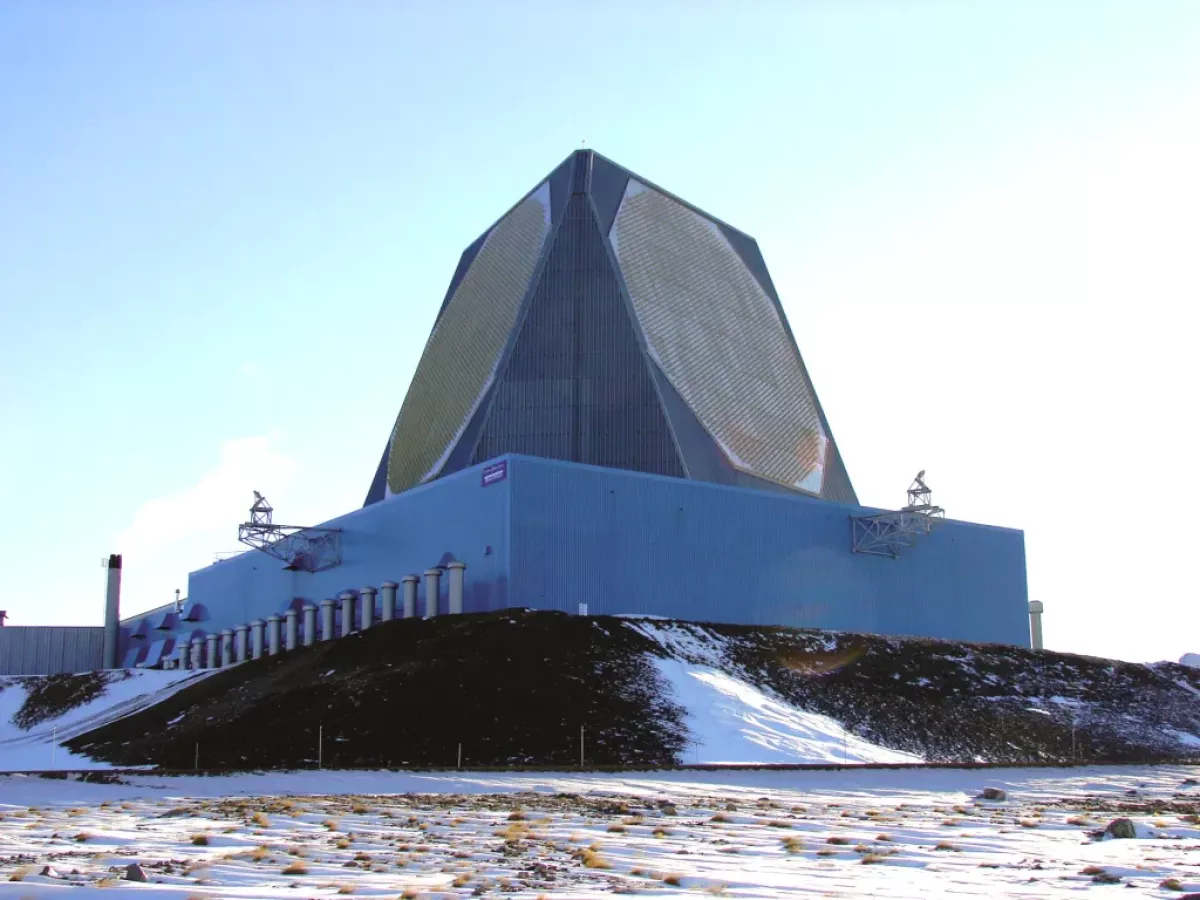
Additional satellite imagery from Planet Labs has also confirmed that the large AN/FPS-132 radar in Qatar was damaged during an Iranian attack on the first day of the conflict. Several variants of the AN/FPS-132 exist, but all are fixed-site solid-state phased-array radar systems designed primarily to provide early warning of incoming ballistic missile threats.
The AN/FPS-132 belongs to a broader family of strategic early-warning radars used by the US military at multiple locations, including sites in the United States and Greenland. A similar system is also operated by the Royal Air Force at RAF Fylingdales in the United Kingdom.
The article also points to concerns raised by unconfirmed sources regarding the immediate impact of the damage to these radar systems. While Iranian retaliatory attacks have slowed, they have not stopped entirely. Some reports suggest that the damage to US radar installations may have delayed early-warning alerts about incoming missiles.
Even if those claims remain unverified, analysts note that it is difficult to imagine the loss of such systems not causing at least some reduction in overall radar coverage. Other land-based sensors and sea-based systems such as Aegis Ballistic Missile defence ships may help fill some of the gaps.
The United States, Israel and several Gulf Arab states do operate additional air- and missile-defence radars across the region, but systems comparable to the AN/TPY-2 — and especially the AN/FPS-132 — remain relatively rare.
Only about 16 AN/TPY-2 radars are believed to have been produced worldwide for all customers, with each system costing roughly $250–300 million, the outlet notes.
Over the past several years, the US and its regional partners have spent billions of dollars building a layered missile-defence architecture across the Middle East. Systems such as the AN/TPY-2 and the AN/FPS-132 radar in Qatar form key components of that network.
Although Iran’s expanding ballistic-missile arsenal has been the primary driver behind the creation of this defensive shield, Washington also views these assets as an important element of its broader global missile-defence architecture designed to counter threats beyond the Middle East.
By Nazrin Sadigova







 editor@caliber.az
 +994 55 444-88-98
 Азербайджан, Баку, ул. Низами, 203, Af Business House, 5-й этаж