










Media: Thousands shot as Iran silences press amid nationwide violence
At least 12,000 people have been killed in Iran over two nights of nationwide protests, verified reports confirm. Amid a sweeping media blackout and communications shutdown, eyewitness accounts and reports from medical staff paint a chilling picture of organized and unprecedented violence, with many victims under the age of 30, Iran International reports.
In recent days, after receiving scattered but deeply troubling reports, Iran International focused on verifying information to build a clearer picture of the killings during the latest protests. The editorial board, in a rigorous multi-stage process adhering to professional standards, reviewed data from multiple sources, including insiders close to the Supreme National Security Council, officials in the presidential office, members of the Islamic Revolutionary Guard Corps (IRGC) in Mashhad, Kermanshah, and Isfahan, as well as eyewitnesses, families of victims, medical staff, and field reports.
Based on these reviews, Iran International stated:
In what is described as the largest killing in Iran’s contemporary history, at least 12,000 people were killed, largely over two consecutive nights on January 8 and 9.
The scale, intensity, and rapidity of the violence are unprecedented in the country’s history.
Victims were predominantly shot by IRGC and Basij forces.
The killings were fully organized, not the result of sporadic or unplanned clashes.
Information from the Supreme National Security Council and the presidential office indicates the operation was carried out on the direct orders of Supreme Leader Ali Khamenei, with the knowledge and approval of the heads of all three branches of government, and an explicit order for live fire issued by the Council.
Many of those killed were under the age of 30, highlighting the profound generational impact of the crackdown. Iran International noted that confirming a final casualty figure will require continued documentation due to the communications blockade and deliberate suppression of information. The outlet committed to refining the figure through ongoing verification and collection of eyewitness accounts, ensuring no victim is forgotten.
Meanwhile, media restrictions have intensified. Hundreds of national and local newspapers have ceased operations, an unprecedented development in Iran’s press history. Apart from Islamic Republic of Iran Broadcasting (IRIB), only a handful of news websites remain active inside the country, operating under strict government oversight.
“This is not ‘crisis control.’ It is an admission of fear that the truth will be exposed,” Iran International stated, urging citizens inside and outside the country to submit documents, videos, photographs, audio testimony, and any verifiable information related to the recent violence. The organization emphasized that source security and confidentiality remain a top priority, promising to share verified findings with international bodies and institutions.
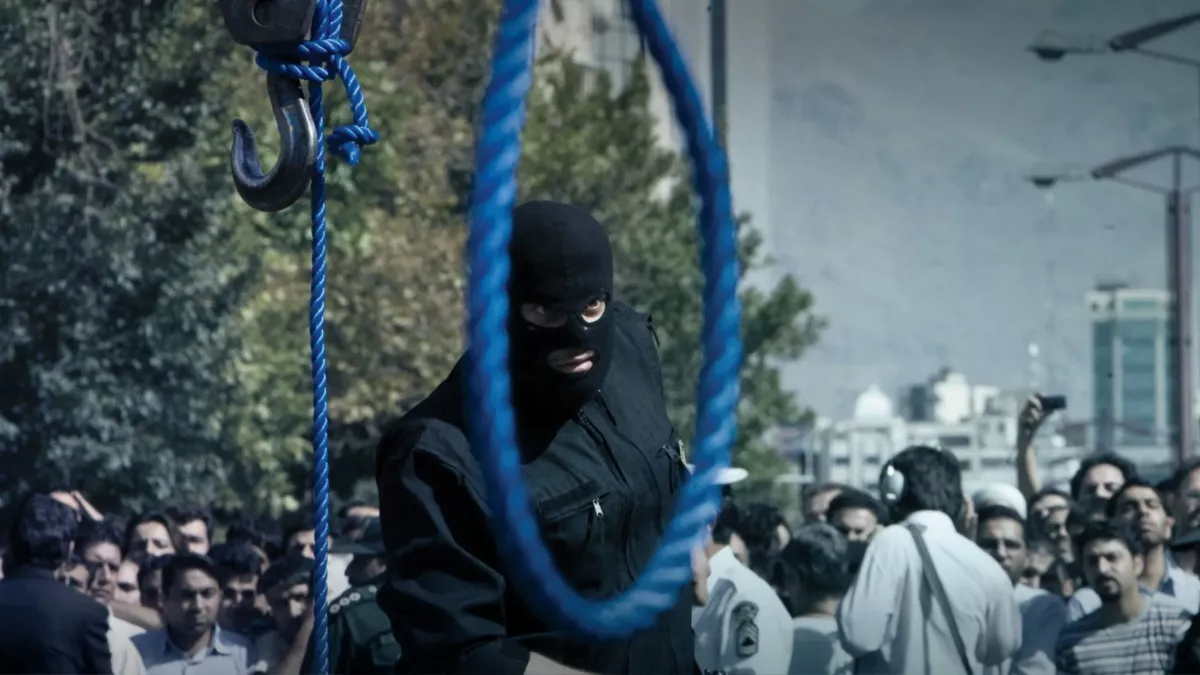
In related developments, Tehran’s judiciary announced that some protest-related cases have been sent to court. The province’s top judicial official, Ali Alghasimehr, stated that the judiciary is prepared to handle cases involving those he described as terrorists and protest detainees, including charges of moharebeh, a term under Iranian law that can carry the death penalty.
“The Tehran provincial judiciary has full readiness to deal with these cases,” Alghasimehr said, noting that special branches had been assigned, though he did not provide details on the number of cases or individuals involved.
By Vafa Guliyeva







 editor@caliber.az
 +994 55 444-88-98
 Азербайджан, Баку, ул. Низами, 203, Af Business House, 5-й этаж