










21 hours in Pakistan: How Vance’s bid for Iran breakthrough ended in deadlock
Vice President JD Vance led marathon negotiations in Islamabad that ended without any agreement between the United States and Iran, marking a significant setback in high-level diplomacy aimed at de-escalating a widening regional conflict.
After more than 21 hours of closed-door meetings involving American, Pakistani and Iranian representatives, the talks concluded early Sunday (April 11) with both sides acknowledging that no progress had been achieved on core issues, including Iran’s nuclear programme and wider regional security arrangements, US media reports.
Speaking briefly after the negotiations, Vance struck a subdued tone, referring to “shortcomings” and an inability to “make headway”. He offered no concrete details on the discussions and took only a handful of questions before departing the venue, signalling the abrupt end of what had been billed as the most significant US–Iran contact in decades.
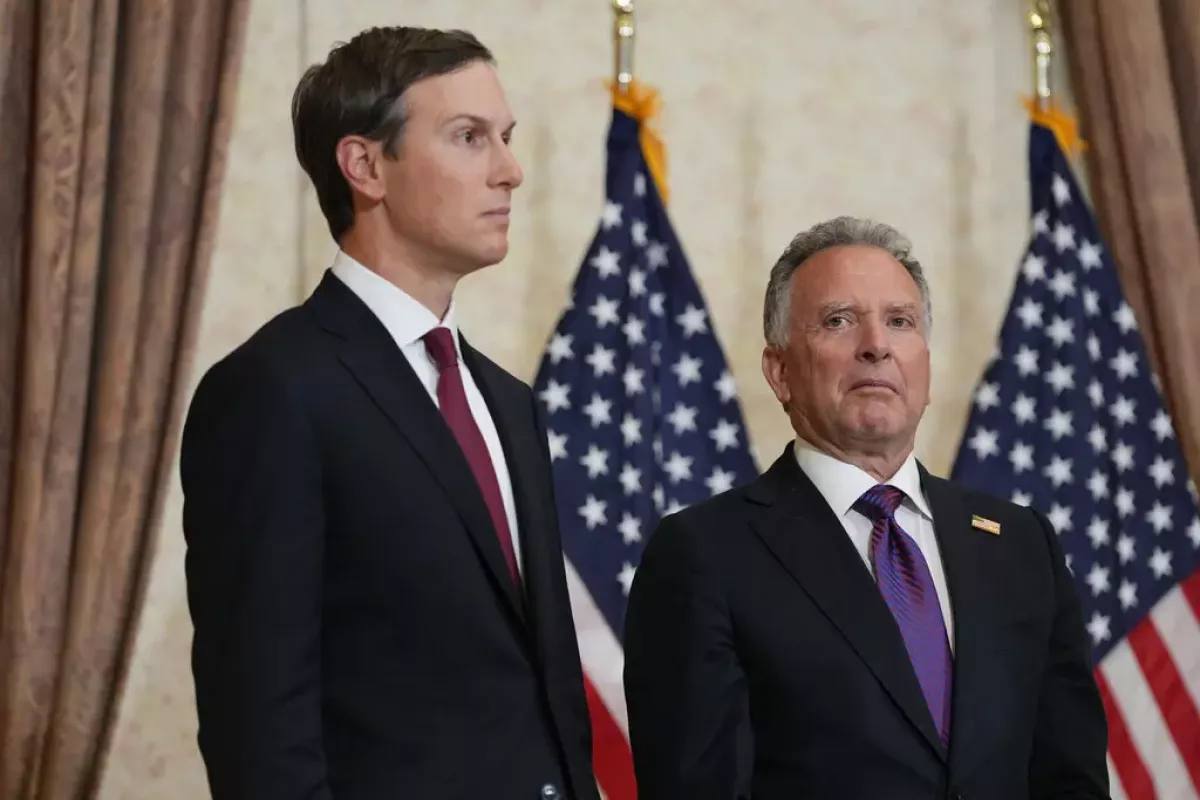
The talks came against the backdrop of escalating tensions following weeks of strikes in the Middle East, disruptions to global shipping routes and growing concerns over energy security, particularly around the Strait of Hormuz, a vital maritime chokepoint.
US President Donald Trump, who has taken a hardline public stance on Iran throughout the crisis, continued to project confidence despite the diplomatic failure. In remarks during the weekend, he insisted that the United States remained in a strong position, even as no ceasefire or framework for future negotiations emerged from the Islamabad discussions.
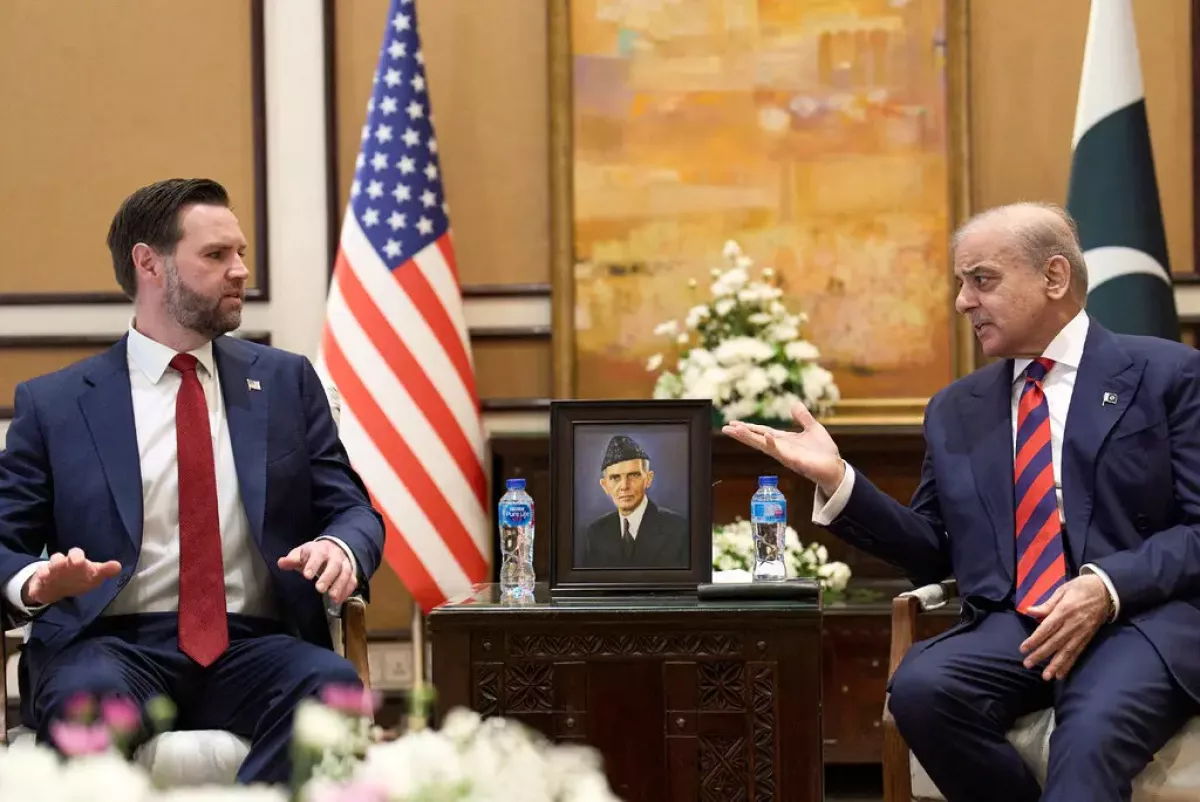
Vance, who has previously expressed scepticism about military escalation with Iran, was tasked with leading the delegation despite limited traditional diplomatic experience. His role underscored internal divisions within the US administration over how aggressively to respond to the conflict and whether negotiations could still deliver a breakthrough.
Iranian officials, meanwhile, maintained that they were unwilling to accept US conditions without significant concessions, including relief on frozen assets and broader regional guarantees. The gap between the two sides appeared to widen during the talks rather than narrow.
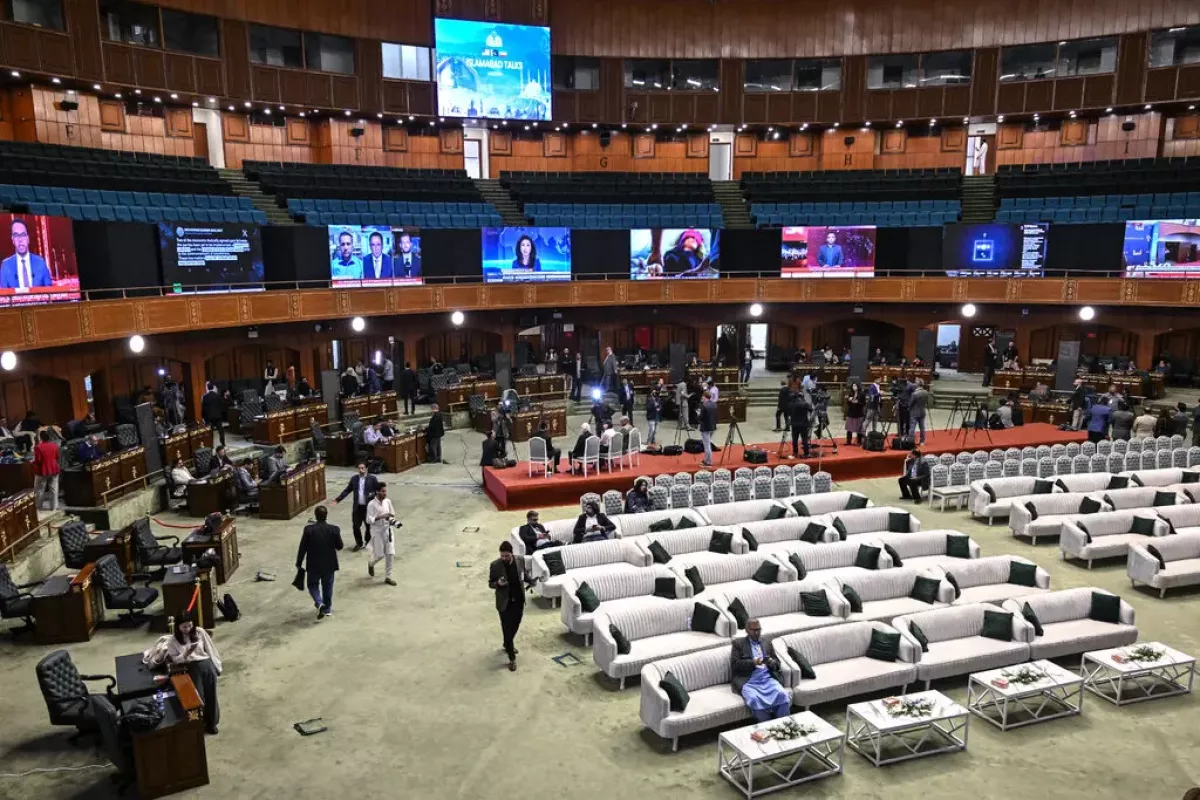
The Islamabad meeting was tightly controlled, with restricted media access and limited transparency. Journalists stationed nearby reported long periods of uncertainty as negotiations continued behind closed doors, with little indication of progress until the final conclusion.
For Pakistan, which hosted the talks, the summit was presented as a rare diplomatic opportunity, though it ultimately failed to produce tangible results.
As Vance left Islamabad, the outcome underscored the fragility of current US–Iran diplomacy and the difficulty of achieving de-escalation amid broader regional conflict. With no agreement reached, attention now shifts to whether further negotiations will be attempted—or whether tensions will escalate further in the coming weeks.
By Aghakazim Guliyev







 editor@caliber.az
 +994 55 444-88-98
 Азербайджан, Баку, ул. Низами, 203, Af Business House, 5-й этаж