










Atmospheric chemist warns: Iran's "acid rain" could spread toxic pollutants
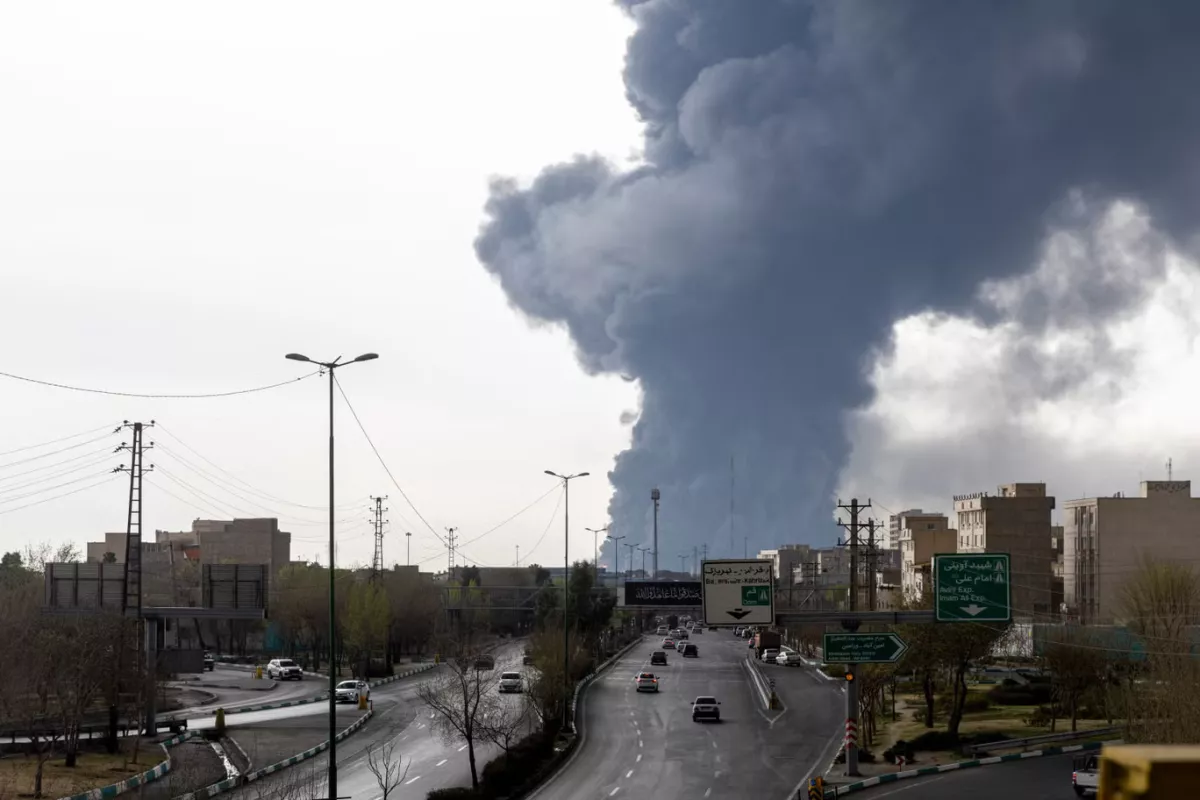
Reports are emerging of black-coloured rainfall in parts of Iran in the hours after US-Israeli airstrikes targeted oil depots over the weekend, with some outlets describing the phenomenon as “acid rain.”
In an analysis published by The Independent, an atmospheric chemist warns that the phenomenon could involve far more than conventional acid rain, potentially exposing residents to a mixture of hazardous chemicals and fine particles.
Residents in affected areas have reported headaches, breathing difficulties and oily residue from rain settling on buildings and vehicles. Iran’s Red Crescent Society warned that rainfall following the strikes could be “highly dangerous and acidic.”
The reports have prompted concern among scientists studying air pollution. An atmospheric chemist and chemical engineer Gabriel da Silva writes for the Independent that the situation suggests something potentially more dangerous than standard acid rain.
“This rain would include acids, but also likely a host of other pollutants that are harmful to humans and the environment in the short and long term,” the analysis said, adding that the contamination “may even be worse than the term ‘acid rain’ conveys.”
How pollution enters rainfall
According to the analysis, rainfall is one of the main natural processes that removes pollution from the atmosphere. When large amounts of pollutants are present in the air, falling water droplets absorb them and carry them to the ground.
This process may explain the reported black rain.
“That’s why we are getting these reports of black rain falling from the sky after the oil depots were struck – evidence of just how contaminated the local air must be,” the chemical engineer explains.
The rainfall may contain hydrocarbons, ultrafine particles known as PM2.5, and carcinogenic compounds called polycyclic aromatic hydrocarbons (PAHs). In addition, other substances may also be present, including heavy metals and inorganic compounds released from burning fuel, damaged infrastructure and building materials.
The smoke produced by burning oil depots would also likely contain sulfur dioxide and nitrogen dioxide. According to the analysis, these gases are key precursors to the formation of sulfuric and nitric acids in the atmosphere. When they mix with water droplets in clouds, the result is the acidic rainfall commonly known as acid rain.
While acid rain became widely known decades ago due to emissions from fossil fuels, the current situation could involve a more complex mixture of pollutants.
Health risks from toxic smoke
The analysis also highlights the dangers posed by thick smoke clouds over densely populated areas.
“All smoke is toxic; if you can smell it, it can be at levels that are harming you,” the analysis noted.
In the short term, exposure could cause headaches and breathing problems, particularly among people with asthma or other lung diseases. Vulnerable groups — including older people, children and people with disabilities — face higher risks.
Exposure during pregnancy may also contribute to lower birth weights.
Over the longer term, inhaling ultrafine particles such as PM2.5 can allow pollutants to enter the bloodstream. According to the analysis, this exposure has been linked to cancers, neurological conditions including cognitive impairment, and cardiovascular disease.
Environmental damage is another concern. Once contaminated rain carries pollutants into rivers, lakes or reservoirs, the chemicals can affect aquatic ecosystems and potentially drinking water supplies.
Pollutants deposited on buildings and roads may also become airborne again when disturbed by wind or other activity, prolonging exposure.
The analysis notes that the environmental consequences of conflict have drawn increasing attention in recent years. Past conflicts, including those involving oil fires and burn pits, have demonstrated long-term health impacts on both soldiers and civilian populations.
By Sabina Mammadli







 editor@caliber.az
 +994 55 444-88-98
 Азербайджан, Баку, ул. Низами, 203, Af Business House, 5-й этаж