










Dashkasan's stone bridge: A guardian of history and architectural traditions A journey into history on Caliber.Az
Azerbaijan is rich in historical monuments that reflect the country's centuries-long path of development and cultural heritage. This legacy has been shaped over the course of centuries, preserving the distinctive features of different eras and traditions. Among its most remarkable treasures are the bridges scattered across the country. Distinguished by their diverse architectural designs, wide stylistic variety, and historical significance, these structures are not merely feats of engineering but also enduring symbols of the connection between past and present.
Many historic bridges have survived to the present day, bearing witness to the exceptional craftsmanship and artistic vision of the master builders of the past. Among them are the Khudafarin Bridges, the Red Bridge, the bridges in Dashkasan known as the "Siemens Bridges," the bridges of Gadabay, as well as numerous monuments located in Karabakh and other regions. Beyond their practical function, these structures constitute an important part of the country's historical and architectural heritage.
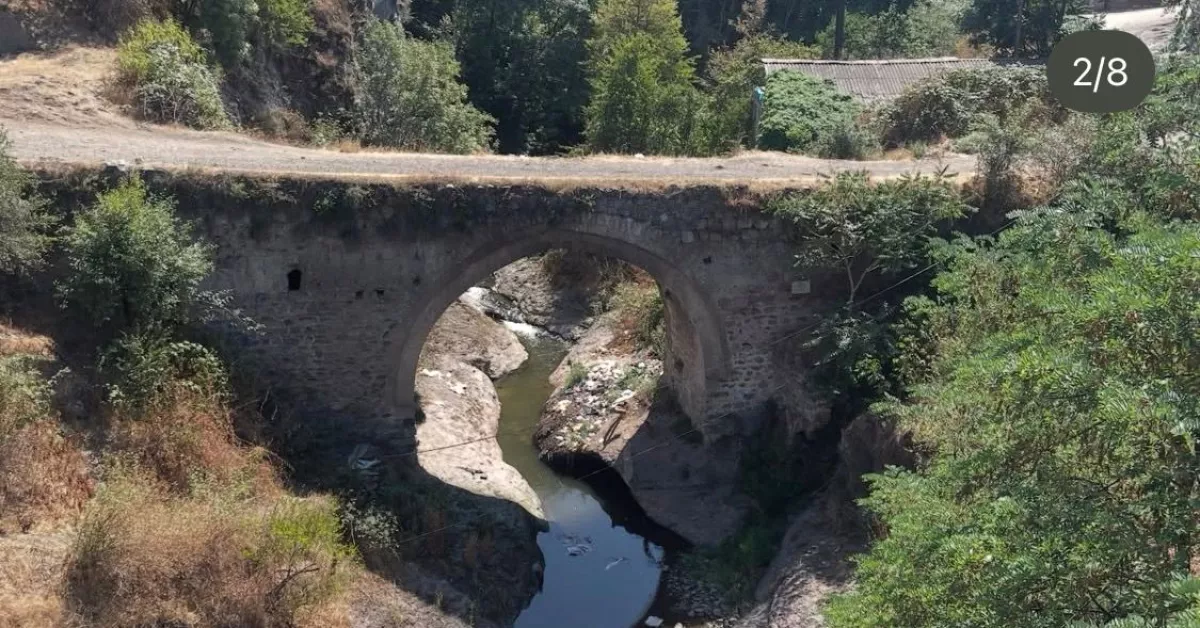
One such bridge is located in Dashkasan. It is a valuable historical monument that reflects the distinctive features of local architecture and the engineering expertise of its era. According to various sources, this impressive stone bridge dates back to the nineteenth century, although some accounts suggest an earlier origin in the seventeenth century. Regardless of its exact date of construction, the bridge has preserved its imposing character and architectural integrity. Built of roughly hewn stone, it possesses a rugged yet harmonious and monumental appearance.
Its single-arched span stretches confidently across the narrow riverbed, demonstrating the remarkable skill of the master builders who constructed it. The graceful curve of the arch creates a sense of lightness despite the bridge's massive and solid structure.
Over time, the stone masonry has acquired a distinguished texture, bearing the marks of centuries of exposure to the elements. Its modest yet expressive architectural details emphasise the structure's functionality while enhancing its aesthetic appeal.
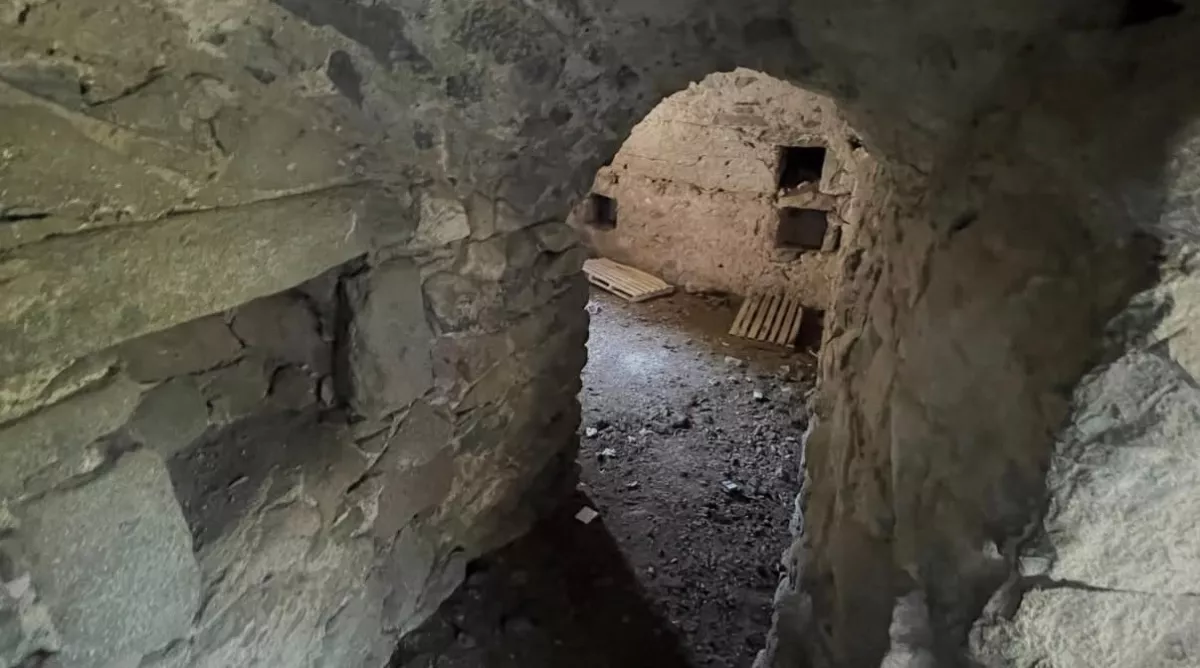
One of the most distinctive features of bridges of this type, erected throughout the country, is the presence of chambers integrated into their construction. Scholars have proposed various theories regarding their purpose, but the most widely accepted interpretation is that they served as guardrooms, although alternative explanations also exist.
A relatively spacious chamber located at the entrance to the bridge is fitted with windows overlooking the surrounding landscape, allowing those inside to observe the adjacent area. At the same time, it remains discreetly integrated into the structure, blending seamlessly with the bridge's architecture and highlighting the thoughtful design and restrained elegance of the composition. Today, it can be reached by a narrow path that gently descends toward this concealed yet significant feature of the stone bridge.
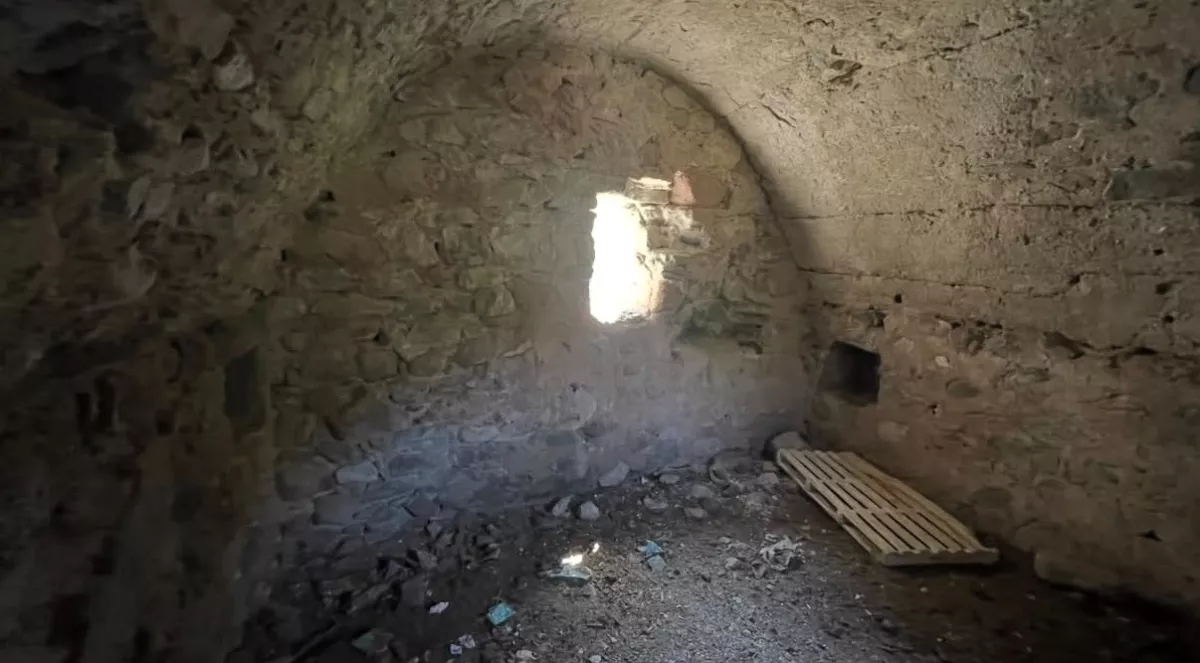
Today, the bridge is regarded as a valuable monument to history and engineering. Its appearance preserves the spirit of its era, serving as a reminder of the craftsmanship of the generations who created this enduring and remarkable architectural structure.
Bridges are far more than functional architectural works; they are invaluable monuments that embody the living history and spirit of their time. The distinctive architectural tradition that shaped their design serves as a symbolic bridge between generations, linking the past, the present, and the future. By preserving this heritage, we safeguard not only the physical evidence of history but also the cultural memory that has been passed down through the centuries. Within these stones and graceful lines lives the legacy of the master builders whose vision continues to shape our perception of space. This is why it is so important to protect and preserve this heritage, passing it on to future generations as a delicate yet enduring thread connecting the past, the present, and the future.
By Vahid Shukurov, exclusively for Caliber.Az







 editor@caliber.az
 +994 55 444-88-98
 Азербайджан, Баку, ул. Низами, 203, Af Business House, 5-й этаж