










Dhaka, New Delhi tensions further sour as Indian spox condemns killing of Hindu man
The death of a member of Bangladesh's Hindu community serves as yet another spark to the already flaming diplomatic tensions between New Delhi and Dhaka ahead of Bangladesh’s upcoming elections and in the aftermath of the recent killing of a prominent student activist. A spokesperson for the Indian Ministry of External Affairs has called the incident an act of "unremitting hostility against minorities in Bangladesh."
Only hours before protests broke out in Bangladesh over the news of Bangladeshi student activist Sharif Osman Hadi, a member of Bangladesh's Hindu minority was killed during violent protests in Bangladesh, pushing already strained ties between Dhaka and Delhi into a deeper crisis.
The Indian government on December 26 condemned the lynching of a Hindu man in Bangladesh, as protests erupted in New Delhi.
Randhir Jaiswal, the official ministry spokesperson, said: "The unremitting hostility against minorities in Bangladesh, including Hindus, Christians, and Buddhists at the hands of extremists, is a matter of grave concern. We condemn the recent gruesome killing of a Hindu youth in Mymensingh and expect that the perpetrators of the crime would be brought to justice."
The incident has sparked widespread outrage. Hundreds of protesters gathered in India’s capital on December 23 to denounce the killing of 25-year-old Dipu Chandra Das, a Hindu garment worker who was reportedly lynched and burned alive on allegations of blasphemy in Bangladesh’s Mymensingh district. The demonstration, primarily organized by the Hindu nationalist group Vishva Hindu Parishad (VHP), took place outside the Bangladesh High Commission in New Delhi. Dhaka strongly objected to the demonstration by a Hindu group, calling it "unjustifiable."
The earlier shooting of the student leader has already prompted a fresh diplomatic spat between the two South Asian neighbours, with New Delhi summoning Bangladesh’s envoy and Dhaka calling in the Indian envoy.
In recent weeks, both countries have suspended visa services in several cities, including Delhi, and accused each other of failing to ensure security at diplomatic missions.
The news of Hadi’s death also triggered unrest across Bangladesh. Protesters attacked and torched the offices of two leading national dailies, prompting calls for calm from interim leader and Nobel Peace Prize laureate Muhammad Yunus.
The political landscape in Bangladesh is now dominated by Hasina’s archrival, former Prime Minister Khaleda Zia’s Bangladesh Nationalist Party, which seeks to form the next government after the February 12 elections, and the Jamaat-e-Islami party, the country’s largest Islamist party, which is leading an alliance aiming to expand its influence in the absence of Hasina’s party.
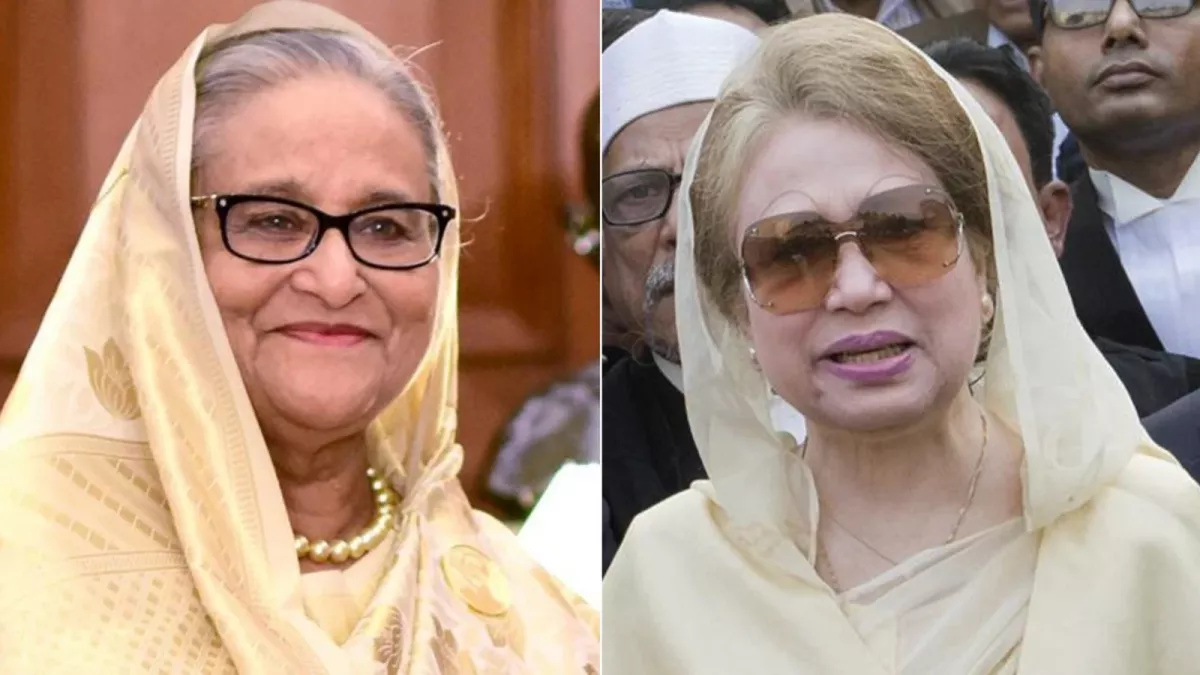
Hasina herself has been sentenced to death on charges of crimes against humanity. However, India has not responded to repeated requests from the Yunus-led government for her extradition, a development that has fueled long-standing resentment in Bangladesh over what many perceive as Indian interference during Hasina’s rule.
"I have not seen this kind of suspicion and mistrust between the two sides before," said Humayun Kabir, a former senior Bangladeshi diplomat.
By Nazrin Sadigova







 editor@caliber.az
 +994 55 444-88-98
 Азербайджан, Баку, ул. Низами, 203, Af Business House, 5-й этаж