










Europe’s defence build-up faces race against time Analysis by Bloomberg
According to Bloomberg, Europe is accelerating efforts to rebuild its military capabilities as concerns over Russian expansionism intensify and the United States signals a reduced role in NATO security.
The European Commission has mobilised €150 billion ($171 billion) in low-cost loans to support joint defence procurement, while easing fiscal rules to allow higher military spending. Germany has launched a vast rearmament program worth hundreds of billions of dollars, and most European NATO members are moving to increase defence budgets toward 3.5% of economic output, up from levels as low as 1%.
Despite this momentum, major structural weaknesses persist. European armed forces remain fragmented across 27 national systems with differing standards and supply chains, driving up costs and limiting efficiency. The region operates multiple competing weapons platforms — including 12 types of main battle tanks — and continues to rely heavily on the US for air power, intelligence, logistics and command capabilities.
The urgency is compounded by warnings from Western intelligence that Russia could escalate from hybrid tactics to a direct challenge against NATO, even as Washington reduces its military footprint in Europe. US President Donald Trump’s неоднозначная stance on NATO’s collective defence principle has further unsettled allies and sparked debate over continued reliance on American-made weapons.
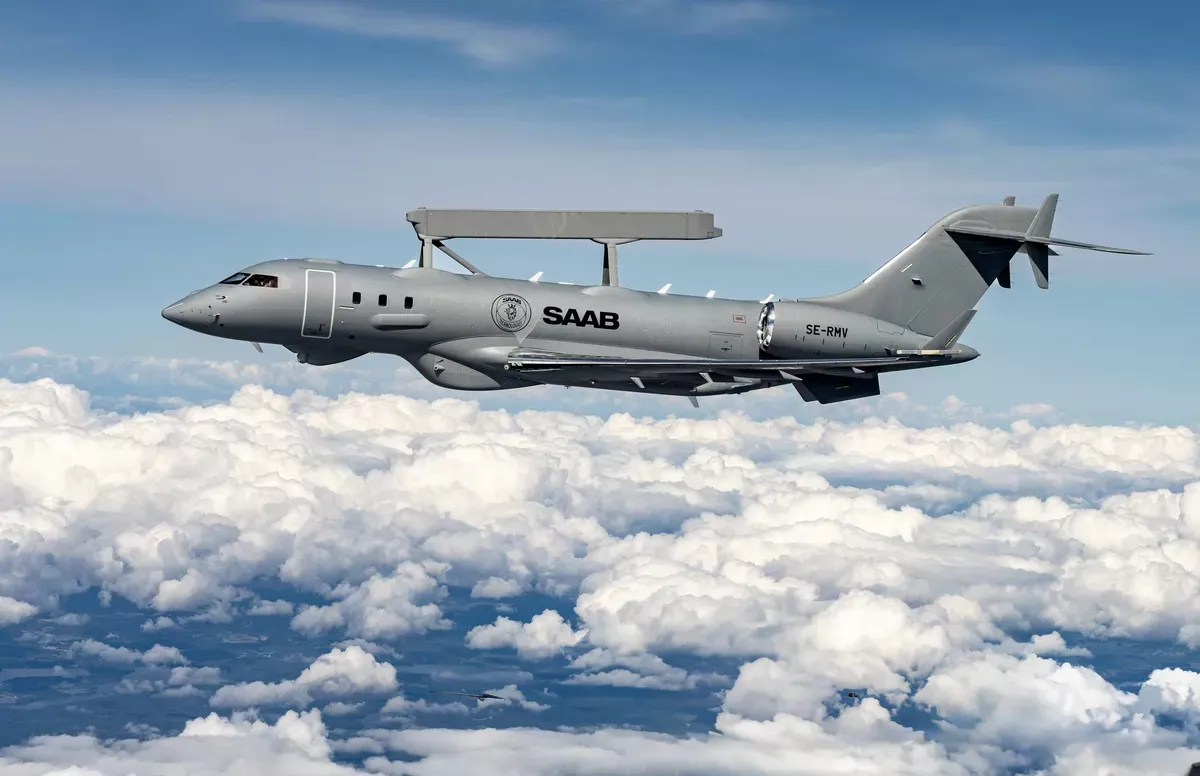
One of Europe’s most critical gaps is in intelligence, surveillance and reconnaissance (ISR). The US currently provides the bulk of NATO’s ISR capabilities, but recent decisions in Washington to scale back deployments — including reconnaissance drones and strategic assets — have exposed vulnerabilities. Replacing key US space-based intelligence systems alone could cost up to $4.8 billion.
European governments are increasing investment in satellites and exploring closer intelligence coordination, including proposals for a joint intelligence-sharing framework. However, limited launch capacity and higher costs compared to US providers remain obstacles.
Long-range strike capabilities are another weak point. Europe lacks sufficient stockpiles and range compared to the US and Russia. Existing systems such as Germany’s Taurus and the Franco-British Storm Shadow/SCALP missiles have limited numbers, further reduced by transfers to Ukraine. A joint project — the European Long-Range Strike Approach (ELSA) — aims to develop missiles capable of hitting targets over 2,000 kilometers away, but it remains in development.
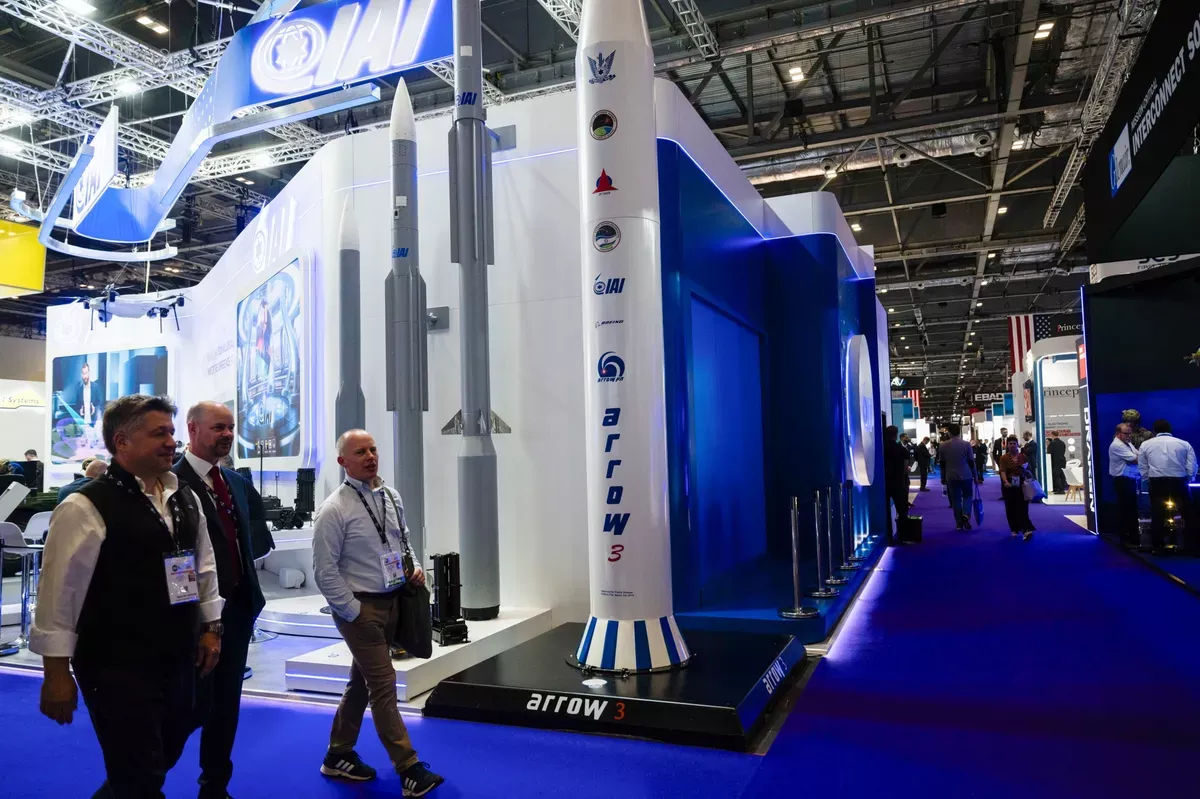
Air and missile defense also falls short of requirements. While systems such as Patriot, Aegis Ashore and Israel’s Arrow 3 provide partial coverage, NATO officials say spending on integrated defenses must increase significantly. Production constraints and low stockpiles raise concerns about sustaining a prolonged conflict.
Meanwhile, the war in Ukraine has underscored the growing importance of drones. European countries are investing in uncrewed systems and adjusting procurement rules to involve smaller manufacturers and leverage Ukrainian battlefield experience. Germany and the UK have already committed billions toward expanding drone capabilities.
Although Europe’s rearmament is underway, analysts caution that rebuilding military strength will take years due to industrial limitations and coordination challenges — leaving the region exposed during a critical period of geopolitical uncertainty.
By Tamilla Hasanova







 editor@caliber.az
 +994 55 444-88-98
 Азербайджан, Баку, ул. Низами, 203, Af Business House, 5-й этаж