










SOCAR’s new deal: Baku strengthens its European energy position Romanian media coverage
The Romanian outlet Energy Industry Review has published an article by journalist Rona Rita David examining Azerbaijan’s expanding role in the European energy market. Caliber.Az presents the most noteworthy excerpts from the piece.
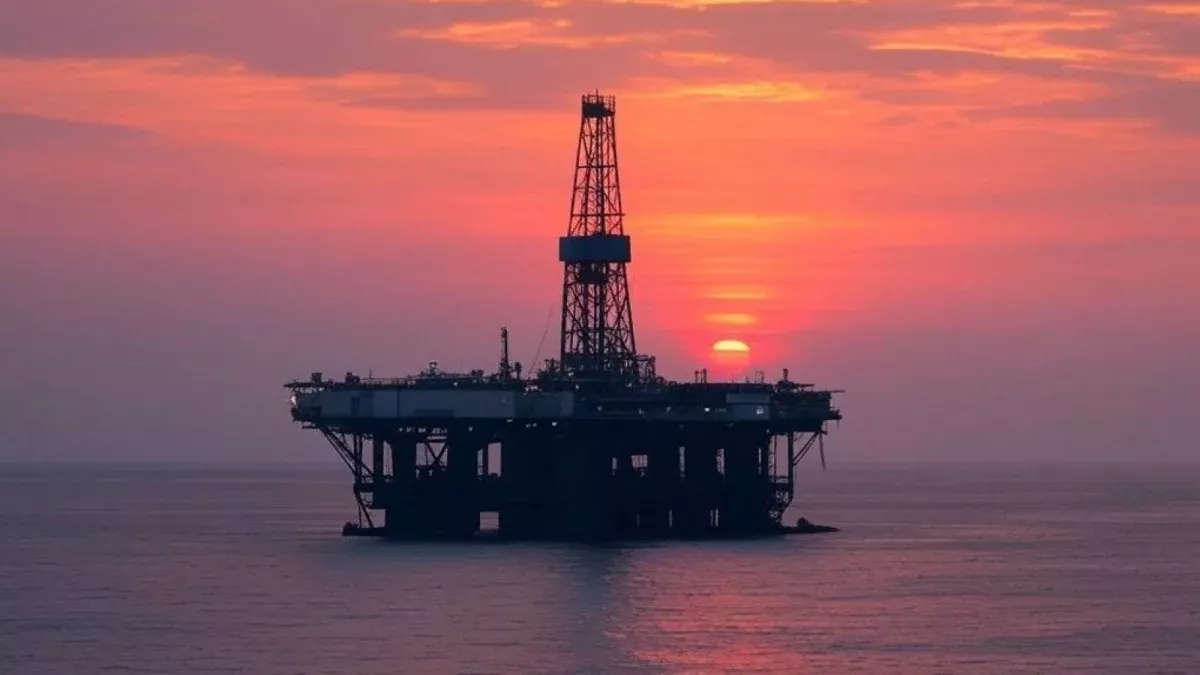
Azerbaijan is taking another major step toward strengthening its role in the European energy market, following SOCAR’s signing of a long-term agreement with TotalEnergies, XRG—ADNOC’s investment platform—and the Turkish operator BOTAŞ to market gas from the offshore Absheron field.
The agreement, which covers exports starting in 2029 via the Southern Gas Corridor, strengthens Azerbaijan’s position as a key supplier to Turkey and Europe at a time when the European Union continues to reduce its dependence on Russian gas and seek alternative sources of supply. The partnership highlights the strategic importance of the Caspian Sea region and the growing interest of major international companies in the energy infrastructure linking Central Asia to European markets.
For Romania, the new Absheron agreement represents a consolidation of the role of the Balkan energy corridor and new opportunities for transit and regional trade.
“This will strengthen cooperation between the various companies, Azerbaijan, Turkey, and our foreign partners. It also contributes to increasing the importance of the Southern Gas Corridor,” said SOCAR spokesperson Emin Sevdimaliyev.
The Southern Gas Corridor, which carries gas from the Caspian Sea to Turkey and then on to Europe, has gained increased importance since Russia’s full-scale invasion of Ukraine in 2022, which prompted European governments to accelerate their efforts to reduce their dependence on Russian gas.
Since then, Azerbaijan has steadily increased its gas exports to Europe, and policymakers in Brussels view supplies from the Caspian Sea as a key element of their diversification efforts.
Türkiye reinforces its status as an energy transit hub
Azerbaijan is already one of Turkey’s main gas suppliers.
The agreement is expected to further strengthen the relationship as Ankara seeks to diversify its supply sources.
As far as SOCAR’s foreign market is concerned, Turkey is the most important importer, as the company is one of the largest foreign investors in the country controlling strategic assets such as: STAR Refinery. SOCAR has interests in distribution networks and energy infrastructure offering petrochemical facilities.
The value of SOCAR’s investments in Turkey is estimated at over $18-20 billion over the last decade. SOCAR is the main supporter of: South Caucasus Pipeline; Trans-Anatolian Natural Gas Pipeline; Trans Adriatic Pipeline.
Azerbaijan’s importance to Europe is closely linked to the role it plays in the Southern Gas Corridor, one of the most significant energy initiatives developed by the EU to diversify supply sources and routes. Gas extracted from Azerbaijani fields is transported to Turkey via the Trans-Anatolian Natural Gas Pipeline (TANAP), and from there continues its journey to European markets through the interconnection networks serving Greece, Italy, and the Western Balkan states. This energy corridor has become a key element of the European strategy to reduce dependence on Russian gas and increase the resilience of the regional energy system.
Next target for Azerbaijani gas
Authorities in Baku and their European partners are already discussing the possibility of expanding exports and entering new markets. Particular attention is being paid to the countries of Central and Eastern Europe.
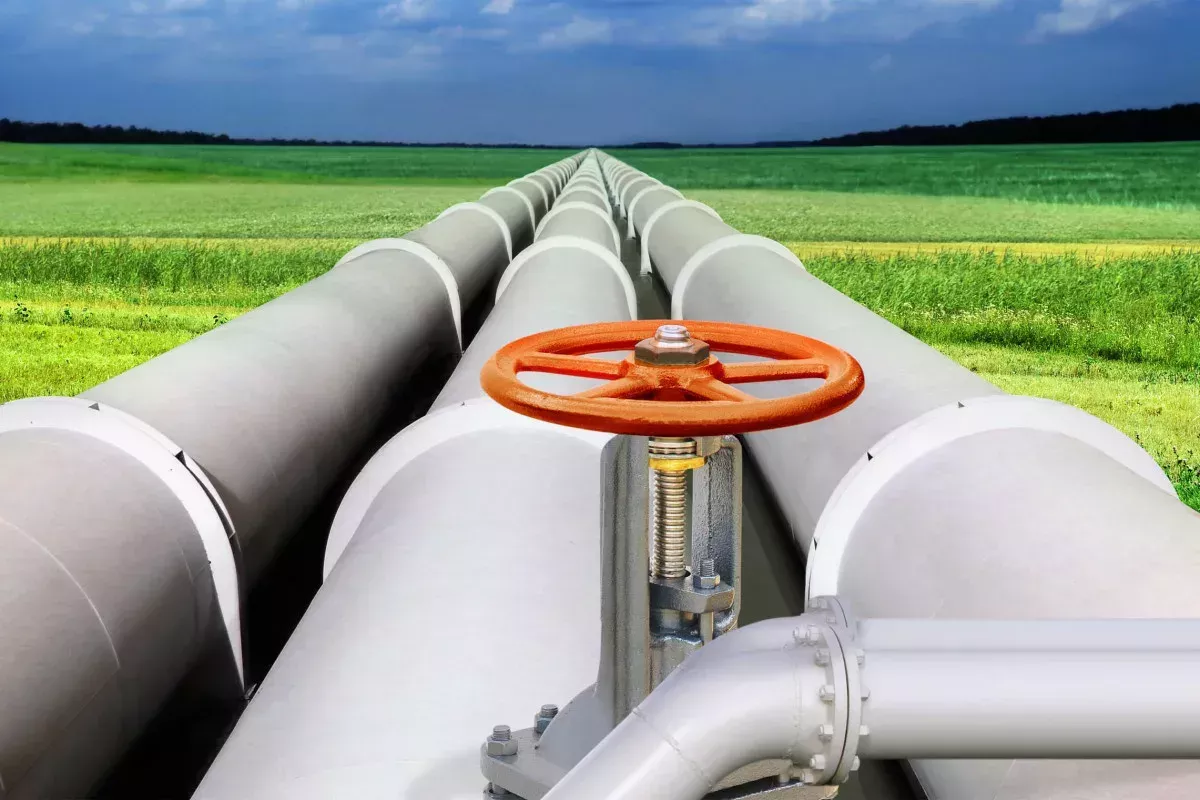
Currently, projects and technical solutions are being analysed that could enable the transport of additional quantities of Azerbaijani gas to Slovakia, Hungary, Romania, etc.
Consequently, Azerbaijan’s role in the European energy market is expected to grow in the future.
What the new Absheron agreement means for Romania
For Romania, Azerbaijani gas is a tool for diversifying and strengthening its regional role. Combined with domestic production and future offshore volumes from the Neptun Deep project, access to Azerbaijani gas could transform Romania into one of the most important energy hubs in Southeast Europe.
Gas from Azerbaijan reaches Romania via the Southern Gas Corridor, which includes the TANAP and TAP pipelines, followed by interconnection infrastructure in the Balkans.
In recent years, ROMGAZ and other entities in the Romanian energy sector have held discussions and concluded agreements for the purchase of Azerbaijani gas through the Azerbaijani state-owned company SOCAR. In Romania, the SOCAR brand is already well-known through its network of filling stations.
Energy cooperation between the two countries is not limited to natural gas, as Romania is involved, alongside Azerbaijan, Georgia, and Hungary, in a strategic project to transport green energy via an undersea cable across the Black Sea. The project aims to transport renewable energy produced in the Caspian region, as well as to integrate energy markets and develop a new energy corridor between Asia and Europe.
XRG and SOCAR
For ADNOC, this agreement represents a new step in its international expansion through XRG, its investment platform, illustrating Abu Dhabi’s growing interest in establishing a presence in the global gas infrastructure.
The Absheron field is estimated to contain approximately 350 billion cubic meters of natural gas and 100 million tons of condensate. Production has already begun. The first phase of the project came online in July 2023 and produces approximately 4 million cubic meters of gas per day and 12,000 barrels of condensate per day.
As for the second phase, it will effectively triple production.
The project projects that at full capacity, production would reach approximately 12.7 million cubic meters of gas and 35,000 barrels of condensate per day.
According to SOCAR and TotalEnergies estimates, total production from the two phases could exceed 4.5 billion cubic metres annually.







 editor@caliber.az
 +994 55 444-88-98
 Азербайджан, Баку, ул. Низами, 203, Af Business House, 5-й этаж