










South America steps into spotlight as global oil markets shift
While much of the world's attention has focused on disruptions to oil flows from the Middle East, South America has quietly emerged as the fastest-growing source of additional crude supply, helping to cushion global markets as buyers seek alternatives to shipments that normally pass through the Strait of Hormuz.
The region has increased its oil exports by more than the United States so far this year, according to a Reuters article, driven primarily by rising production in Brazil, Guyana and Venezuela.
Brazil has expanded output through a series of new offshore platforms in its prolific Santos pre-salt basin, while Guyana continues to ramp up production as the Exxon-led consortium brings additional developments online in the Stabroek Block, where more than 11 billion barrels of oil equivalent have been discovered over the past decade.
Although crude production has continued to decline in Colombia, Ecuador and Peru, Venezuela has reversed years of contraction. Following the easing of US sanctions and the return of several international energy companies, the country has steadily increased both production and exports, with overseas shipments reaching their highest level in seven years in recent months.
According to the Reuters analyst, the timing has proven particularly favourable for South American producers as the conflict in the Middle East has severely disrupted exports from the Persian Gulf. This prompted refiners across Asia and Europe to seek crude supplies that do not rely on transit through the Strait of Hormuz.
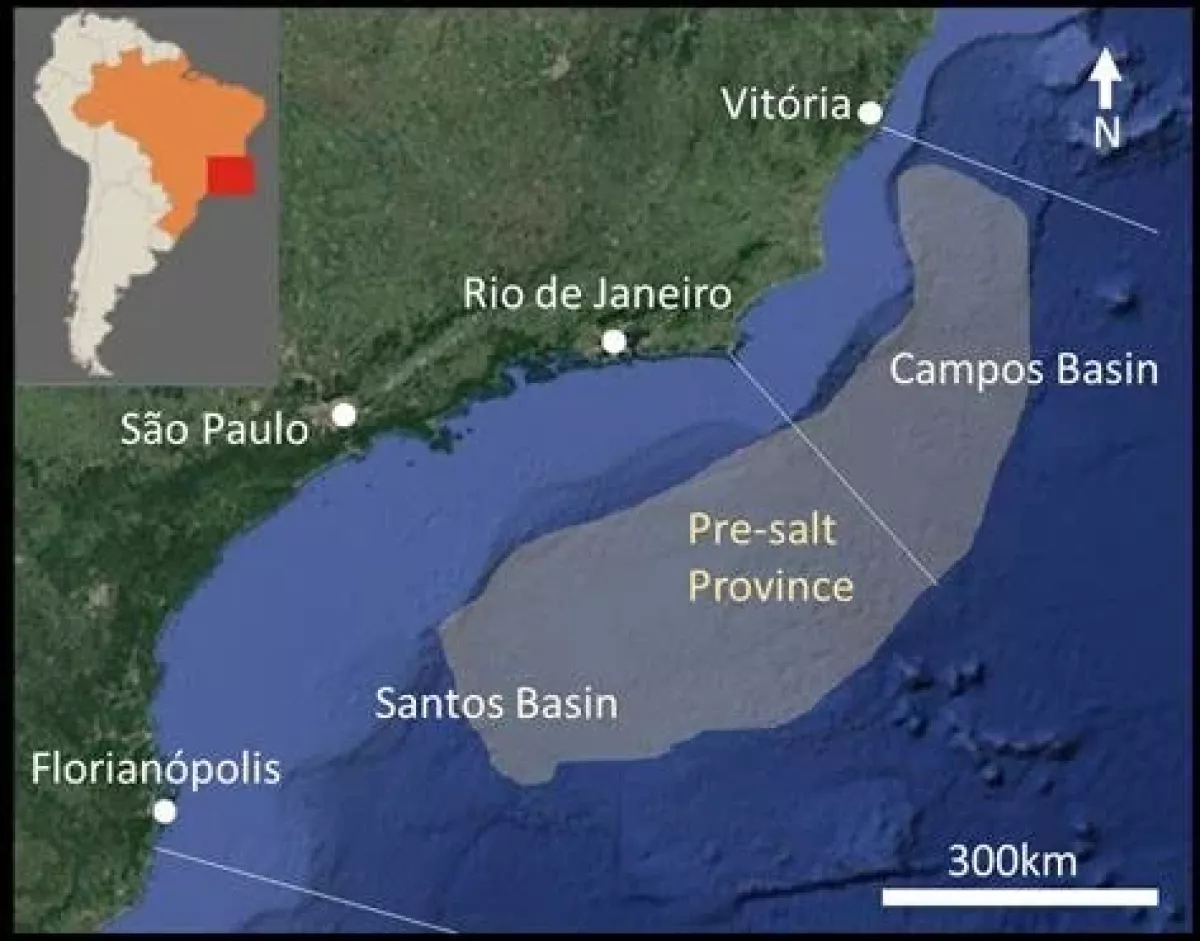
According to data from commodities intelligence firm Kpler cited in the piece, South America's crude exports increased by roughly 155 million barrels between January and May compared with the same period last year. That exceeded the United States' additional export growth of around 112 million barrels over the same period.
While the United States remains the single largest exporter in terms of country-level growth, with crude shipments reaching record highs this year, South America has become the largest regional contributor to the increase in global oil supply.
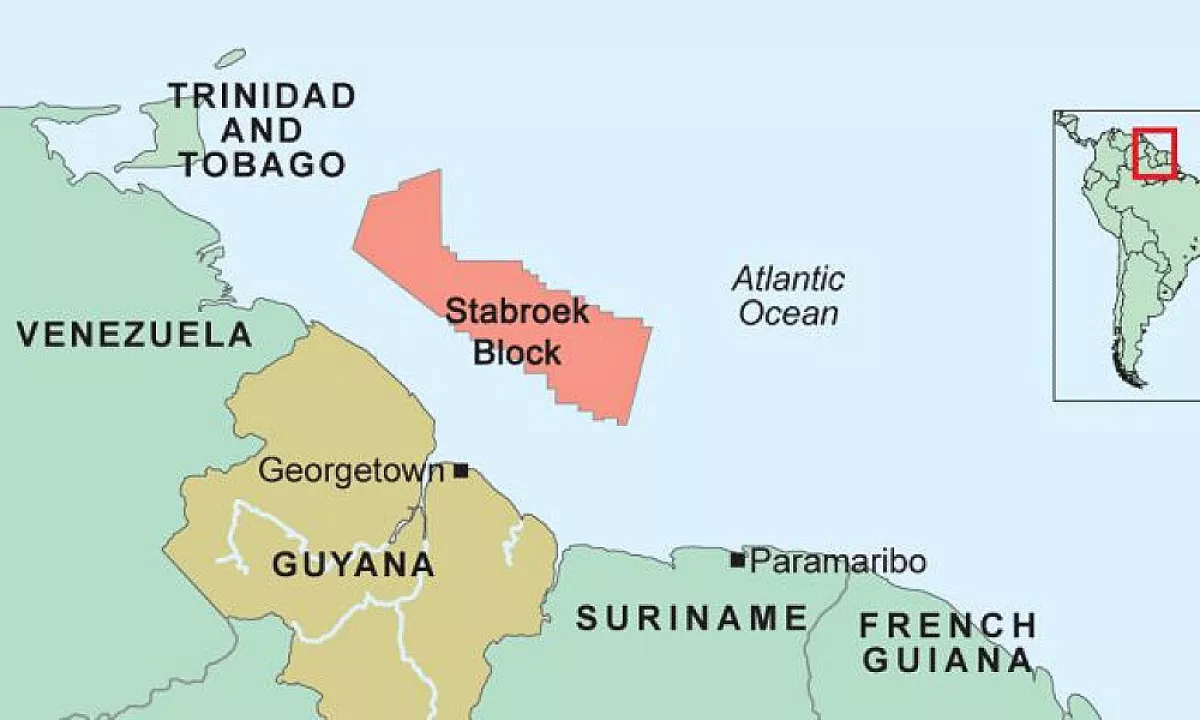
Brazil, Guyana and Venezuela have accounted for nearly all of the region's export growth, with Brazil consolidating its position as South America's leading exporter and Guyana posting one of the fastest production expansions anywhere in the world.
Despite these stark increases, the additional barrels from the Atlantic Basin remain insufficient to fully compensate for the tremendous losses of Middle Eastern supply. Kpler estimates that disruptions linked to the conflict have already prevented around 675 million barrels of oil from reaching international buyers this year. Combined with widespread production shut-ins across the Gulf, global markets have lost more than one billion barrels of potential oil supply since the outbreak of the conflict.
By Nazrin Sadigova







 editor@caliber.az
 +994 55 444-88-98
 Азербайджан, Баку, ул. Низами, 203, Af Business House, 5-й этаж