










TRIPPing over diplomacy: Armenia’s quest to woo Israel Article by Jewish News Syndicate
Armenia is quietly manoeuvring to reshape its ties in the Middle East, and its relationship with Israel is drawing renewed attention. The Israeli newspaper Jewish News Syndicate recently published an article examining these developments and Caliber.Az presents an excerpt for its readers.
The piece is authored by Joseph Epstein, an Israeli analyst and research fellow at the Middle East Truth Foundation (EMET), who provides an in-depth look at the diplomatic and strategic implications of Armenia’s latest moves.
"Amid ongoing progress on Azerbaijan-Armenia normalisation and Yerevan’s regional integration, Deputy Foreign Minister Vahan Kostanyan made a visit to Israel. He met with Eden Bar-Tal, director-general of Israel’s Foreign Ministry, to discuss a new chapter in bilateral relations and explore opportunities for cooperation in political and economic spheres, highlighting high tech, tourism, agriculture, and medicine as sectors of mutual interest.
The visit marked a first public step toward improving historically strained relations between the two countries, but it was also notable given Kostanyan’s portfolio. Armenian Prime Minister Nikol Pashinyan tasked him with overseeing progress on the Trump Route for International Peace and Prosperity (TRIPP), a transport corridor linking Azerbaijan to its Nakhichevan exclave via Armenia’s Syunik Province. Israeli and Armenian media reports suggest TRIPP was the main item on the agenda.

Kostanyan’s involvement signals that Yerevan is serious about realigning with the West and is willing to risk Iran’s ire. Israel has two strategic interests in TRIPP: supporting U.S. and Azerbaijani initiatives and bypassing Iran.
For Pashinyan, however, TRIPP is essential. Armenia agreed to provide Azerbaijan with transport access to Nakhichevan in the 2020 Nagorno-Karabakh ceasefire. During the August 8 Washington Peace Summit, Pashinyan and Azerbaijani President Ilham Aliyev granted the U.S. exclusive development rights over the route. The summit provoked a slew of criticism in Iranian state media.
The most searing response came from the senior adviser to Khamenei, Ali Akbar Velayati, who called the corridor a threat to national security and threatened to turn the region into a “graveyard of the mercenaries of Donald Trump.” Simultaneously, Iranian Foreign Minister Abbas Araghchi reported that Armenia assured it would “observe all of Iran’s red lines.”
Given these sensitivities, Pashinyan’s decision to assign TRIPP oversight to Kostanyan was deliberate. A Persian speaker who studied in the United States and Iran, Kostanyan participated in multiple high-level delegations to Iran, including an August visit after the Washington summit, meeting with Velayati, Araghchi and other officials. His appointment signaled Armenia’s recognition of Iran’s importance to TRIPP’s success.
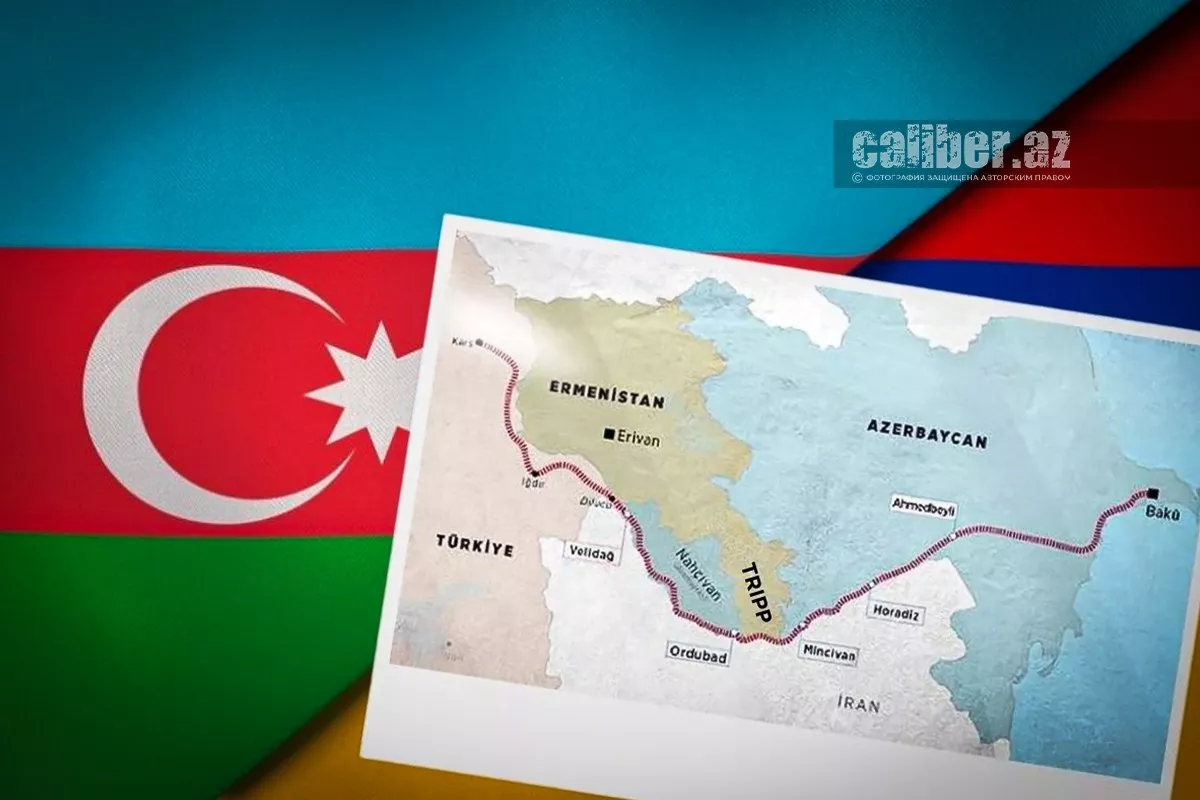
Kostanyan’s visit to Israel, therefore, is strategically significant. It suggests Yerevan is willing to risk Iranian displeasure to advance TRIPP and accelerate alignment with the U.S. and its allies. How Tehran will respond—through cooperation, pressure, or confrontation—remains an open question.
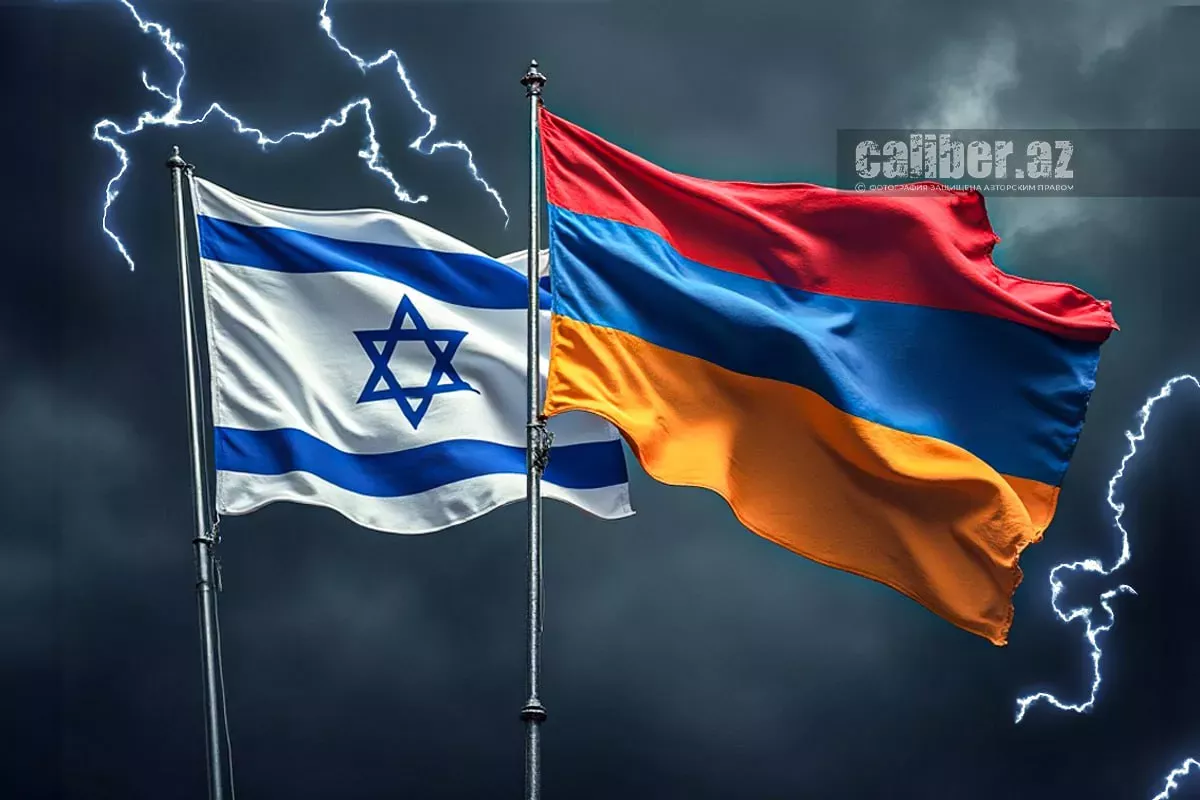
Armenian-Israeli relations have long been tense. At the heart of the dispute are the close connections with the other adversaries. Since the 1990s, Israel has developed close relations with Azerbaijan in the military, political, and economic spheres. Jerusalem was one of the largest weapons exporters to Baku.
In recent years, Iranian support has become increasingly visible, manifesting in major arms agreements, intelligence collaboration, high-level meetings with Khamenei, and public assurances of Iran’s commitment to Armenia’s defense. Bilateral trade recently surpassed $700 million, with both sides aspiring to reach $3 billion. The U.S. Office of Foreign Assets Control has reported that Iran uses Armenia to circumvent sanctions.
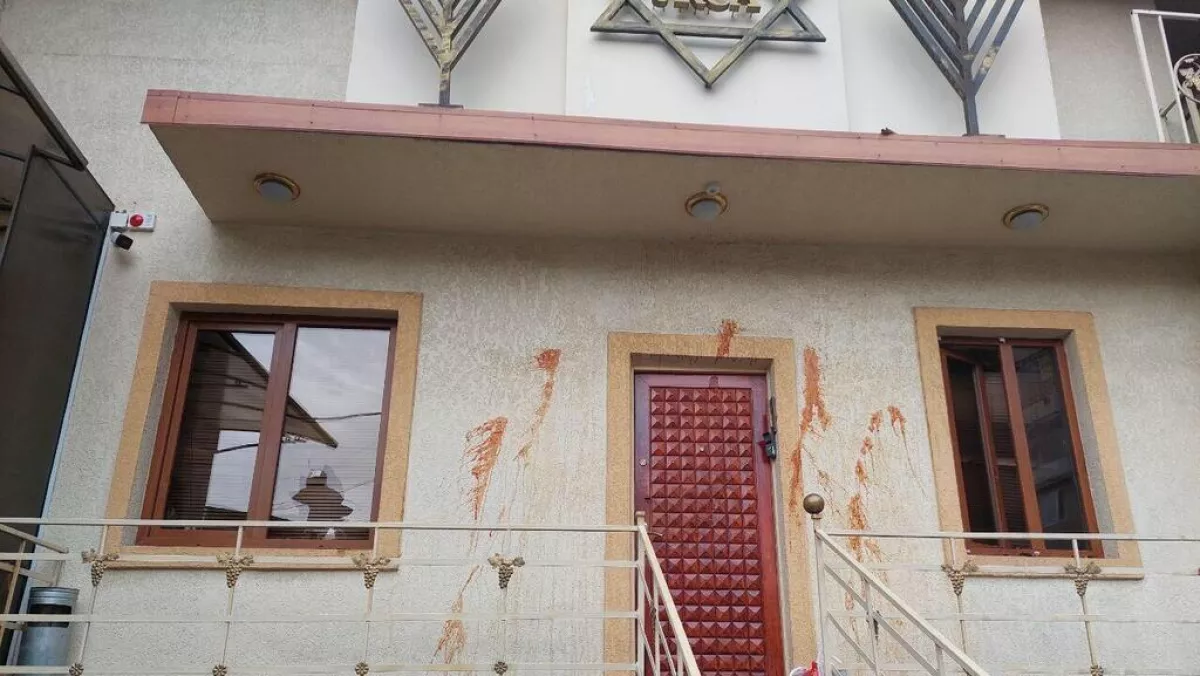
However, friendly relations with the others’ adversaries are not the only grievances. Israeli media have highlighted the rise in antisemitism in Armenia, largely related to Israel’s ties with Azerbaijan, as a barrier to improved relations. Since 2020, perpetrators have vandalized, graffitied, and even attempted to burn down Yerevan’s synagogue and Jewish Center. The Israel Ministry of Diaspora Affairs has reported an uptick in antisemitism over the past five years, corroborated by groups such as the Anti-Defamation League and the Institute for the Study of Global Antisemitism.
The most serious obstacle to improved Armenia-Israel relations remains Armenian-Iranian ties, but even this is not insurmountable.
Over the past 30 years, Armenia’s biggest strategic mistake has been relying entirely on Russia for security. While Moscow provided patronage, the cost was Armenian independence. Russia monopolised basic goods and prevented Yerevan from joining Western regional alliances, including the European Union. Its role as a security guarantor allowed it to manipulate the conflict with Azerbaijan.
Pashinyan has long stressed that Armenia must diversify partnerships to maintain independence. While closer ties with Israel may have limited economic or political payoff, sending Kostanyan demonstrates that Armenia will not repeat the mistake of relying entirely on Russia or Iran.
Kostanyan’s visit to Israel reflects Pashinyan’s broader approach: hedging Armenia’s security and diplomatic bets by aligning more closely with American-backed regional actors while pursuing normalisation with Azerbaijan and maintaining pragmatic ties with Tehran," Epstein writes.







 editor@caliber.az
 +994 55 444-88-98
 Азербайджан, Баку, ул. Низами, 203, Af Business House, 5-й этаж