










Ankara, Damascus step up cooperation on Ottoman-era railway project PHOTO
Türkiye and Syria have launched discussions to revive the historic Hejaz Railway, one of the Ottoman Empire’s last major infrastructure projects.
The announcement followed a meeting between Türkiye’s ambassador to Damascus, Nuh Yılmaz, and Syrian Transport Minister Yarub Bedir, Caliber.Az reports via Turkish media.
According to Yılmaz, the restoration of the railway was among the issues discussed during their talks.
Sharing a photo from the meeting, Yılmaz said: “The revival of the Hejaz Railway was also one of the items on the agenda.” Discussions also covered steps to increase direct bilateral and transit transport under the Road Transport Memorandum of Understanding, as well as further cooperation in the railway sector.
A project with religious and strategic significance
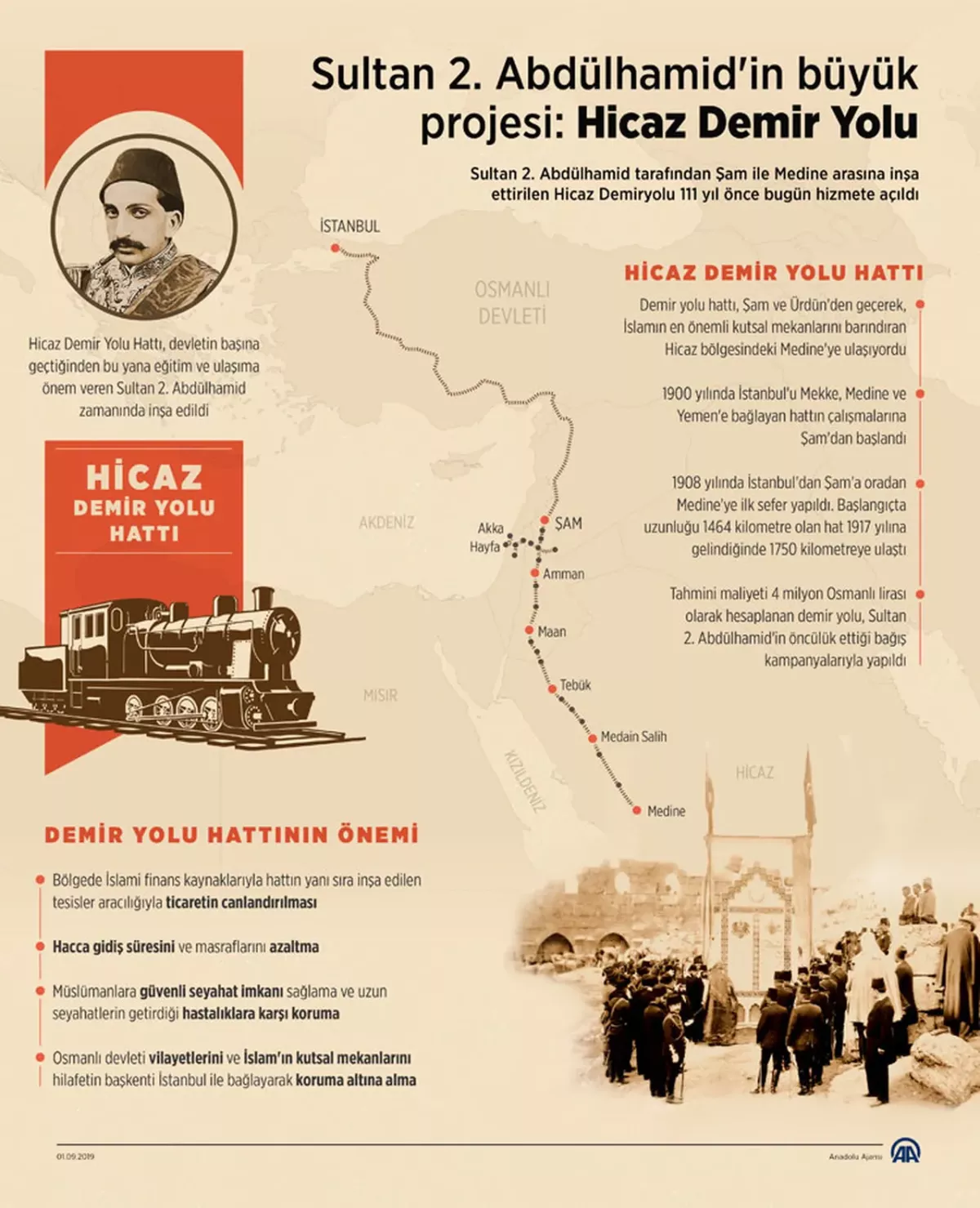
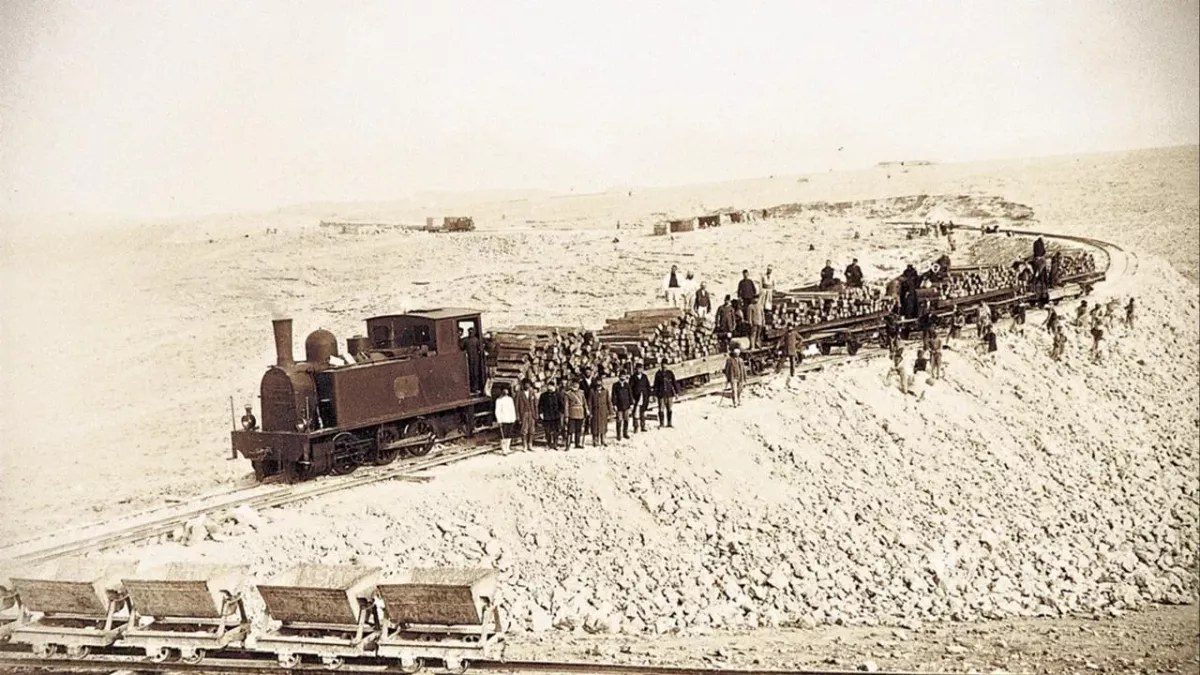
The Hejaz Railway was launched in 1900, marking the 25th anniversary of Sultan Abdulhamid II’s accession to the throne. Stretching 1,464 kilometres from Damascus to Medina, the railway aimed to facilitate the pilgrimage to the holy cities while also serving strategic military and economic purposes for the Ottoman Empire.
A special commission, the Komisyon-ı Ali, was established in Istanbul to oversee construction. The project involved the building of thousands of bridges, tunnels, and stations. Funding came largely from donations within the Ottoman Empire and from Muslims worldwide, with Sultan Abdulhamid II himself contributing an initial 50,000 Ottoman lira.
Although the 450-kilometre stretch between Medina and Mecca was never completed due to Bedouin attacks and political obstacles, the railway played a critical role in troop movements and regional trade during the Ottoman era.







 editor@caliber.az
 +994 55 444-88-98
 Азербайджан, Баку, ул. Низами, 203, Af Business House, 5-й этаж