










Baku takes centre stage: WUF13 sparks global dialogue on cities in crisis Article by Euronews
Euronews has published an article on the challenges of urban development amid global crises, as discussed at the World Urban Forum (WUF13) in Baku. Caliber.Az reprints some excerpts from the piece for its readers.
“Delegates at the World Urban Forum in Baku warned on day three that war and climate change are affecting cities faster than governments can respond, urging a shift away from standardised housing models.
A Ukrainian official said his region alone had restored nearly 30,000 damaged or destroyed structures since Russia launched its full-scale invasion.
"When it comes to the Kyiv region, we have been leading the way in reconstruction," Mykola Kalashnik, head of the Kyiv Regional Administration, told Euronews in Baku. "Thanks to our president, government, parliament, and international partners, we have managed to rebuild 80% of them. The total number of restored facilities now stands at 24,000."
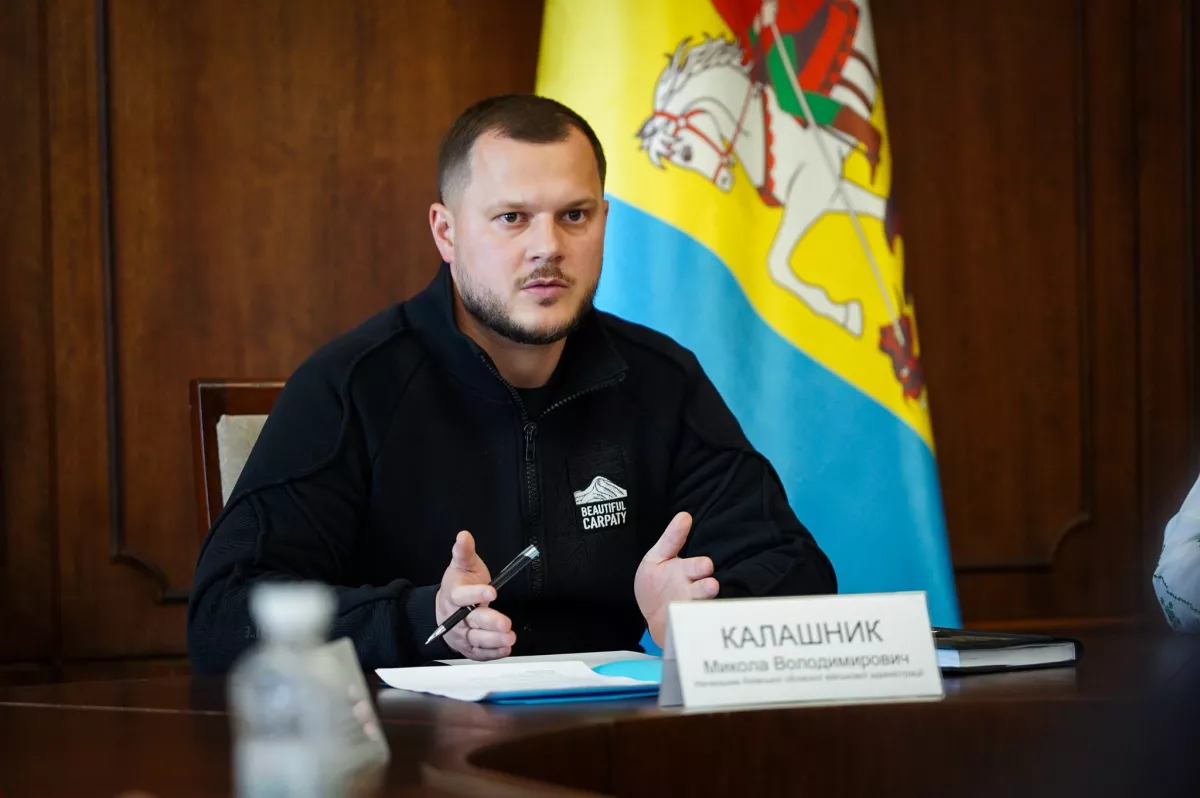
Kalashnik said Azerbaijan had become a direct partner in that effort.
"Azerbaijan is helping us rebuild the Kyiv region. Two projects have already been completed: a school in Irpin, as well as a hospital and a shelter, because our area is dangerous and we need safe underground spaces, which our partners helped us build."
Azerbaijan, with SOCAR among the partners, is involved in delivering a further four projects, he said, including a multi-unit residential building, an arts centre, a sports school for children and youth, and a social infrastructure project.
The cooperation extended beyond construction. Irpin, one of the most heavily damaged cities in the Kyiv region, has established a partnership with Lachin in Azerbaijan's Karabakh region — itself rebuilt after years of conflict. Kalashnik said 100 children from the Kyiv region would attend a health retreat in Azerbaijan this summer.
Climate change was the other dominant theme of the day. Dr Moges Tadesse, chief resilience officer for Addis Ababa, told Euronews the consequences for African cities were already severe.
"Climate change is a global challenge, but it doesn't affect only housing. It affects the economy, it affects also the human life, and it is very disastrous," he told Euronews.“I think the global community should invest a lot in order to mitigate the impact of the climate change.”
Economist Jeffrey Sachs, president of the Sustainable Development Solutions Network, warned delegates that "Africa will not be rural in 25 years."
Sub-Saharan Africa's urban population is forecast to double within a quarter-century, adding roughly 1 billion people to cities that are already struggling — a shift that will require massive investment in housing and jobs.

Saudi philanthropist Princess Lamia bint Majid Al Saud pushed back against uniform global housing models.
"We don't have a one size fits all, because whatever suits in Saudi Arabia, it doesn't suit in India, it doesn't suit in Europe, it doesn't suit in America," she told Euronews, stating that cities needed to design communities around their own contexts rather than importing solutions developed elsewhere.
The European Union's own housing crisis drew sharp commentary from Matthew Robert Baldwin, the European Commission's deputy director-general leading its Affordable Housing Task Force. He noted that an estimated 20% of housing units across the 27-member bloc sit vacant while short-term rentals surge.
He struck an optimistic note on the broader global picture, however.
"There are many different arrows in our quiver, and for the first time, we've got housing as a priority issue," he said. "Let's take the bull by the horns and challenge it."
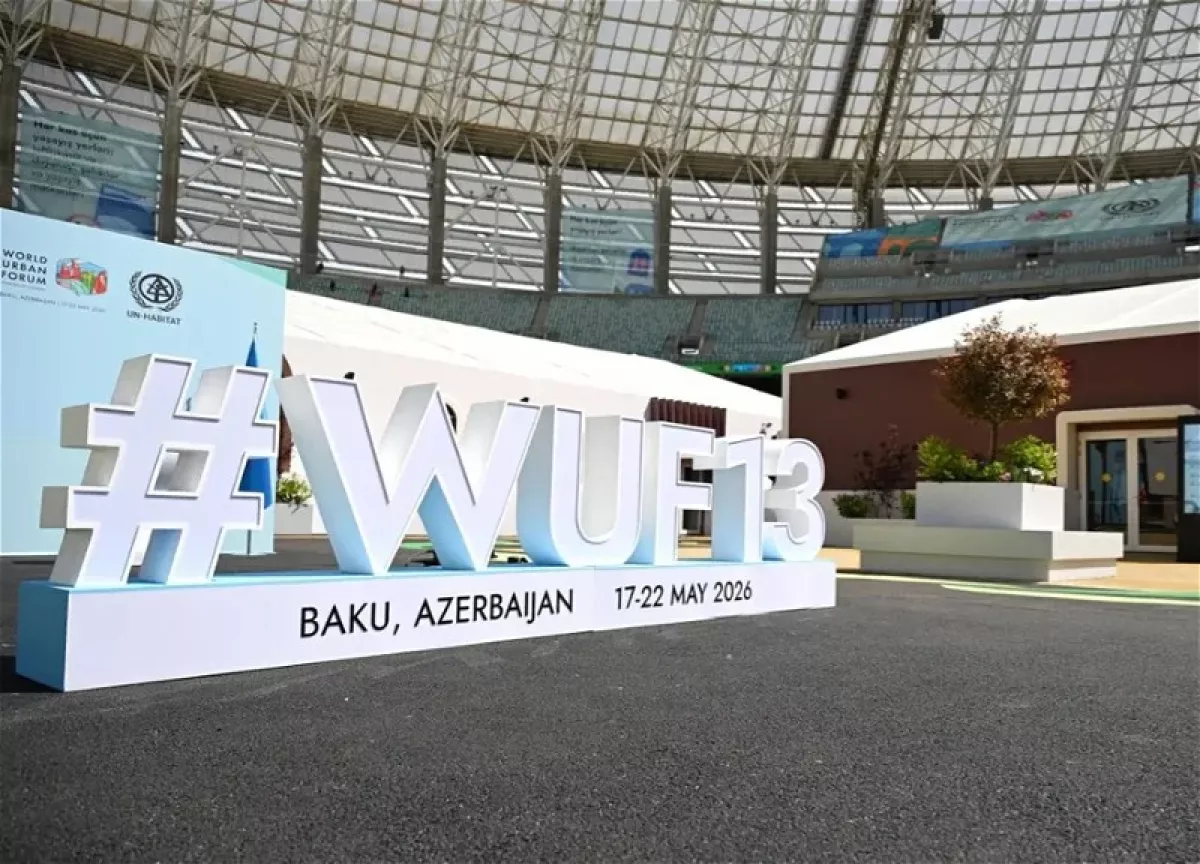
The discussions were organised around the launch of UN-Habitat's latest World Cities report, which found that nearly 3 billion people worldwide are affected by inadequate housing, unaffordable costs or lack of access to basic services, while more than 1.1 billion continue to live in slums and informal settlements.
"Housing problems in cities will increase even more by 2050," said Ben Arimah, head of UN-Habitat's Global Reports and Trends Unit. "Only 25% of the world's population can use mortgages to secure housing. This shows that the financial capacity of the majority of people is insufficient."
The forum continues in Baku through 22 May,” the article reads.







 editor@caliber.az
 +994 55 444-88-98
 Азербайджан, Баку, ул. Низами, 203, Af Business House, 5-й этаж