










Controversial parenting tests for Inuit people put Denmark under UN scrutiny
The United Nations has warned Denmark that the removal of a Greenlandic mother’s newborn child following controversial parenting tests “may amount to ethnic discrimination,” raising fresh concerns about systemic bias in child welfare decisions.
The case centres on Keira Alexandra Kronvold, an Inuit woman whose daughter was taken into care just two hours after birth in November 2024. She is due to appear before the Danish High Court on May 1 in her latest attempt to regain custody, as reported by The Guardian.
In a letter sent to Danish authorities in late April—but made public only now—three UN special rapporteurs, including Reem Alsalem, said they had reason to believe “human rights violations have occurred.” They requested clarification on Kronvold’s case and others involving families of Greenlandic origin.
Kronvold’s child was removed after she underwent so-called parental competency assessments, known in Denmark as FKU tests. She says she was told the evaluation would determine whether she was “civilised enough” to raise her child.
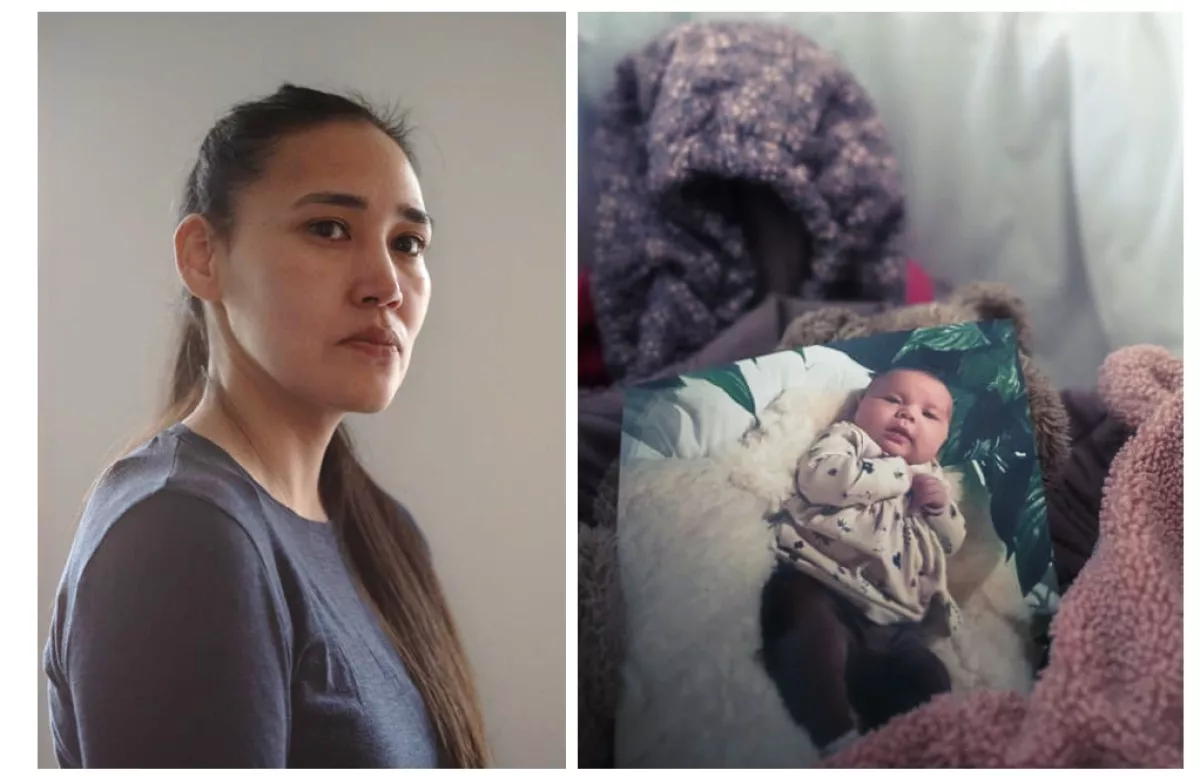
She is believed to be one of dozens of Inuit women in Denmark who remain separated from their children after undergoing these widely criticised tests.
Controversial measure seen as reflective of systemic discrimination
FKU assessments are used in complex welfare cases where authorities suspect a child may be at risk. They typically include interviews, personality and emotional evaluations, and cognitive tasks such as memory tests or general knowledge questions.
Supporters argue the tests provide a more standardized and objective basis for decision-making than subjective judgments by social workers.
Critics, however, say they fail to predict parenting ability and are culturally biased. They point out that the tests are designed around Danish norms and conducted in Danish rather than Kalaallisut—the primary language of many Greenlanders—raising the risk of misunderstanding and unfair outcomes.
In Kronvold’s case, she said she was asked questions such as: “Who is Mother Teresa?” and “How long does it take for the sun’s rays to reach the Earth?”
The controversy extends beyond a single case. According to the article, citing the Danish Centre for Social Research, Greenlandic parents in Denmark are 5.6 times more likely to have their children placed into care than Danish parents.
In May 2025, Denmark banned the use of FKU tests specifically on Greenlandic families after decades of criticism, though they remain in use for cases of other families.
Authorities have since pledged to review around 300 cases involving the forced removal of Greenlandic children, including those tied to FKU assessments.
Other testimonies have intensified concerns. One Inuit woman told the BBC that during a psychological inkblot test during her FKA exam, she described seeing a woman gutting a seal—a common practice in Greenlandic hunting culture. She alleges the psychologist responded by calling her a “barbarian” for her statement.
Psychologists who defend the system say such questions are intended to assess general knowledge and interpretive thinking, not cultural background.
The UN’s intervention adds international pressure on Denmark to reassess how its child welfare system treats Indigenous families. At stake is not only Kronvold’s custody battle, but also broader questions about cultural bias, legal safeguards, and the balance between child protection and minority rights.
By Nazrin Sadigova







 editor@caliber.az
 +994 55 444-88-98
 Азербайджан, Баку, ул. Низами, 203, Af Business House, 5-й этаж