










How Trump is pushing to MAGAfy the world Overtly backing allies and toppling opponents abroad
President Donald Trump has transformed the traditional limits of presidential influence abroad, openly using his office to shape foreign politics in line with his populist, nationalist agenda. Unlike predecessors who maintained the veneer of non-interference, Trump has abandoned that pretence entirely, promoting leaders who flatter him, share his ideology, or face legal challenges reminiscent of his own, CNN writes.
His strategy spans continents, from Latin America to Europe and Asia, reflecting a vision of the United States as a global arbiter of populist politics.
In Israel, Trump recently intervened by pushing for a pardon for Prime Minister Benjamin Netanyahu, currently facing bribery and fraud charges. Speaking at Mar-a-Lago, Trump said, “He’s a wartime prime minister who’s a hero.
How do you not give a pardon?” While Israel’s President Isaac Herzog denied a direct conversation with Trump, the effort underscores the president’s willingness to leverage U.S. influence to protect allies and cultivate personal political debts.
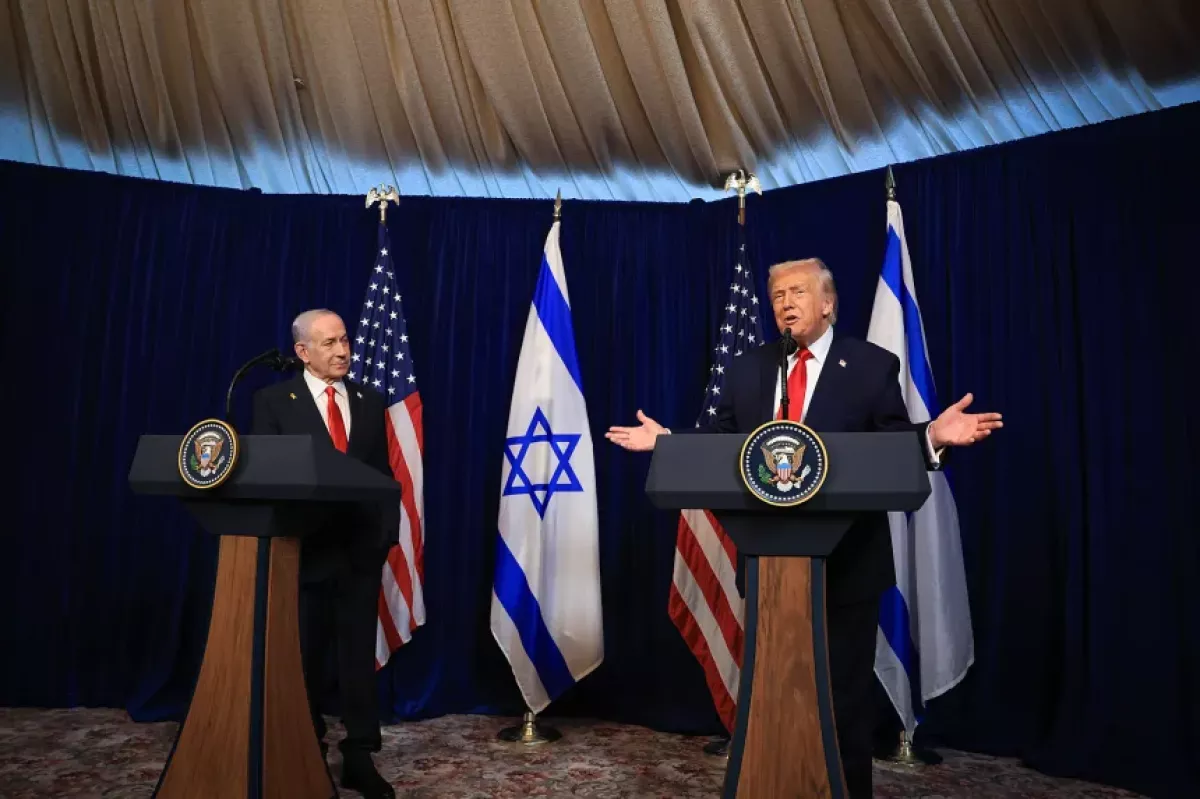
Netanyahu reciprocated with lavish praise, calling Trump the first foreigner to receive the Israel Prize in the Peace category—never before granted. Trump framed the endorsement as a political pitch, stating, “If you had 8 out of 10 prime ministers in his position right now …. you wouldn’t have Israel any longer.”
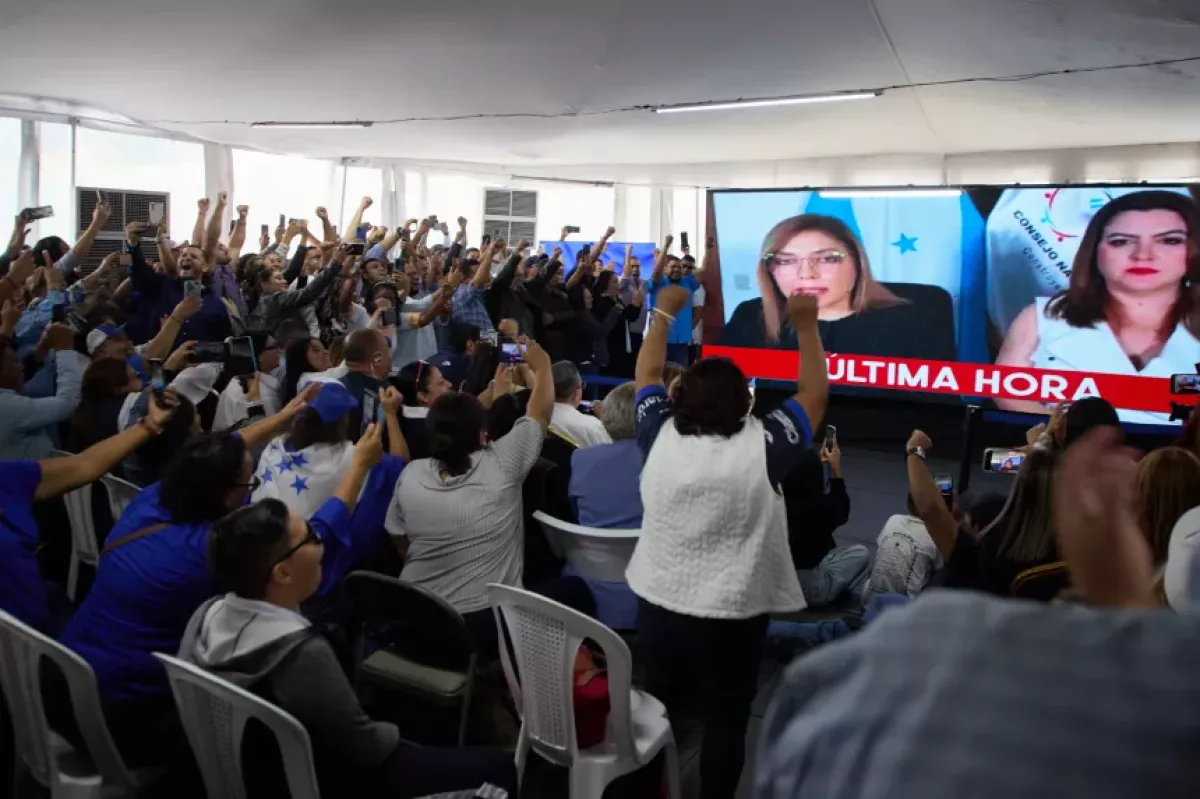
Trump’s interventions are not limited to the Middle East. In Honduras, he warned of “hell to pay” if conservative National Party candidate Nasry Asfura did not win, while Argentina’s $20 billion economic bailout was reportedly tied to the reelection of his ally Javier Milei.
In Brazil, Trump imposed a 50% tariff in response to the prosecution of former President Jair Bolsonaro. In Venezuela, he deployed a naval armada to pressure Nicolás Maduro, ostensibly to curb the narcotics trade but potentially aiming to install a friendly regime, possibly triggering a domino effect in Cuba.
Asia has also felt Trump’s reach. In South Korea, he publicly criticised alleged church raids just before talks with President Lee Jae Myung, while in South Africa, he attempted to destabilise Cyril Ramaphosa domestically through provocative messaging.
Europe is another focus of Trump’s strategy. His administration’s new national security strategy explicitly supports far-right populists, framing Muslim immigration as a threat to European culture. Leaders in France, Germany, and Britain have warned that parties endorsed by Trump, such as the National Rally, AfD, and Reform UK, undermine liberal democratic institutions.
While U.S. presidents have long meddled abroad—through covert operations, economic threats, or diplomatic pressure—Trump’s approach is far more overt. By openly promoting allies, punishing opponents, and using both political and economic leverage, he positions himself as the global head of a nationalist movement, reflecting a presidency that views the world as a chessboard for partisan influence.
His “everywhere, all at once” strategy underscores both his personal dominance and the unprecedented international ambitions of his MAGA-driven agenda.
By Aghakazim Guliyev







 editor@caliber.az
 +994 55 444-88-98
 Азербайджан, Баку, ул. Низами, 203, Af Business House, 5-й этаж