










Lung fluid may provide basis for cancer-treating vaccines: Israeli research PHOTO
Scientists say specific proteins found in lung fluid could theoretically be used to develop new methods for diagnosing and possibly treating cancer.
Fluid from the lungs could be used to develop new methods for diagnosing and possibly treating cancer, The Times of Israel reports.
The research found that specific peptides found in fluid from the lungs can “serve as a rich source of biomarkers for tumour diagnosis.”
HLA peptides are proteins involved in the immune response to infections. Scientists from the Technion-Israel Institute of Technology and Sheba Medical Center discovered that they are present in lung fluid, and found a methodology for purifying and analyzing the fluid in order to detect them.
They studied many litres of the lung fluid and found that the HLA peptides it contains actually “store” enough information to detect some types of lung cancer. They published their peer-reviewed findings in the Journal for Immunotherapy in Cancer (JITC).
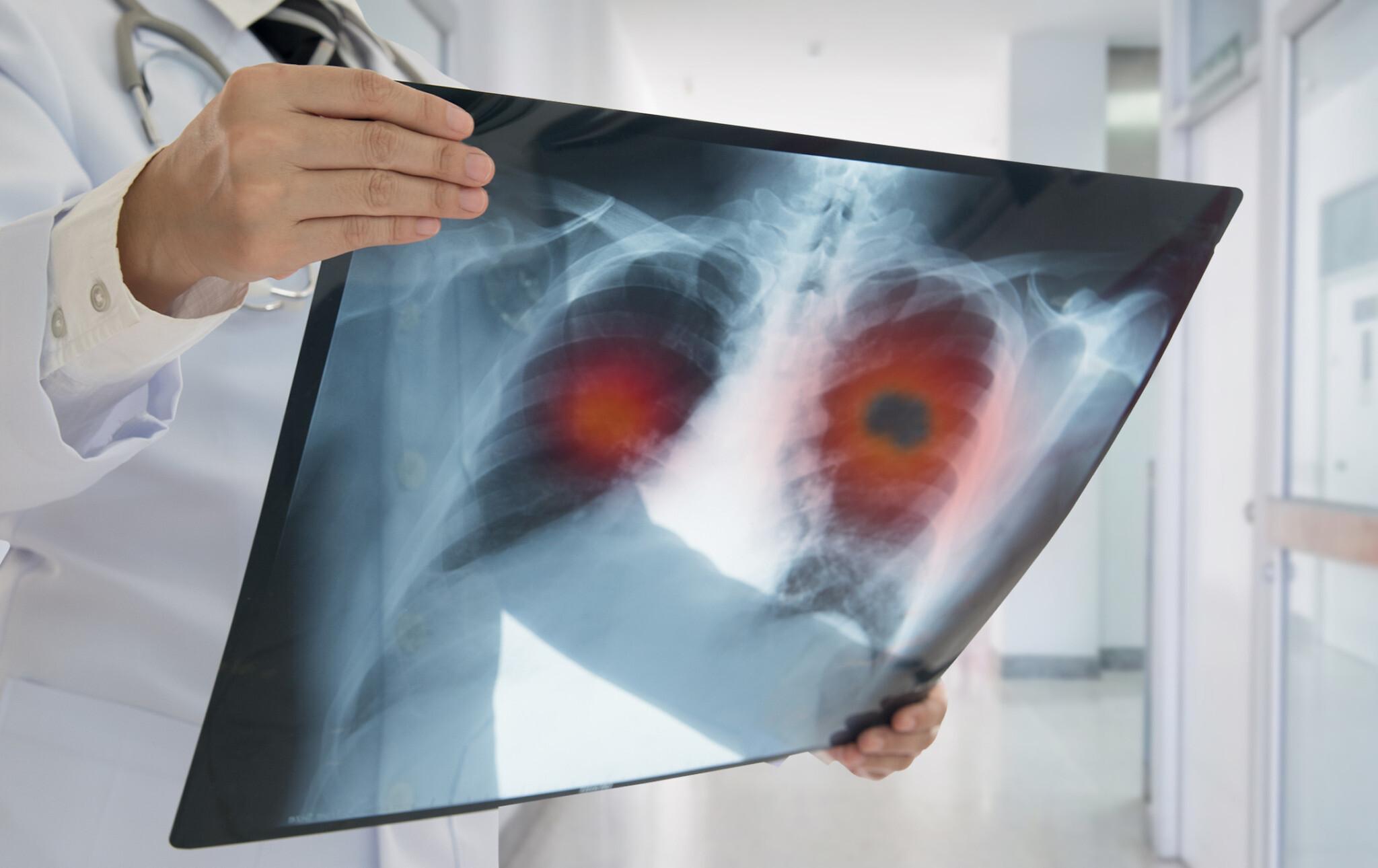
“We can detect the peptides, and theoretically they could be used as a new way to detect cancer, and also to create a cancer-fighting vaccine for specific patients,” Dr. Michael Peled of Sheba Medical Center, one of the researchers told.
“It’s important to emphasize this is still at a research level and there is no clinical trial at the moment.”
The study he conducted with Prof. Arie Admon from the Technion and his PhD student Sofia Khazan-Kost concluded that lung fluid could prove a rich source of antigens for fighting cancer, as well as information for diagnosing.
The HLA molecules carry many antigens that originate in cancer cells and their environment. They have capability of fighting cancer if they remain in place, but instead are carried away to lung fluid, Peled said.
His team is suggesting retrieving them from the fluid for therapeutic use in the patient they are gathered from.
Admon commented: “These antigens could be used to stimulate the immune system so that it attacks the tumour.” He elaborated that they could form the basis of a “therapeutic vaccine” — meaning new immunotherapy to slow the impact of cancer.
The researchers hope that drug developers will use his research as the groundwork for such a treatment. Admon said: “This has the potential to activate the body’s own immune system against the tumour.”







 editor@caliber.az
 +994 55 444-88-98
 Азербайджан, Баку, ул. Низами, 203, Af Business House, 5-й этаж