










The birth of an iron giant: how Azerbaijan is building a maritime power A shipbuilding triumph on the shores of the Caspian / PHOTO / VIDEO
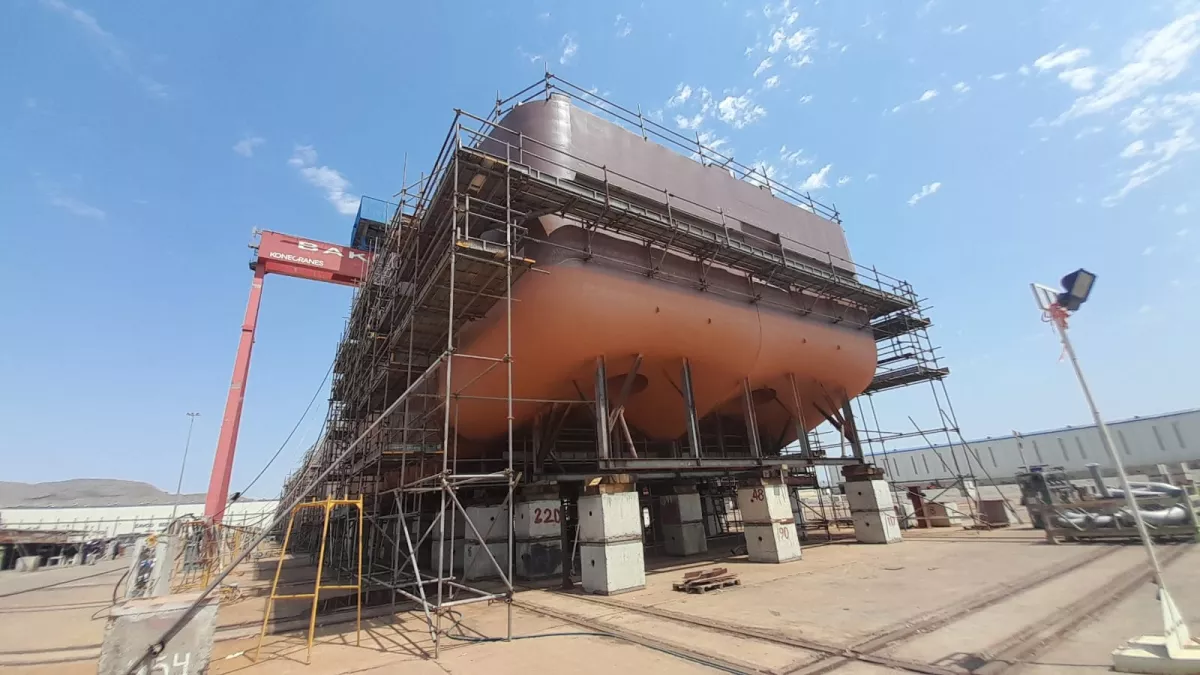
Soon, this mighty steel hull will be cutting through rough seas. Its hawse pipes will gaze sternly across the vast expanse of the ocean, as if scanning the horizon. Its main engines will roar to life, the crew will begin settling into their new home, and the cries of seagulls will once again echo above the deck. For now, however, this future conqueror of the seas appears calm and almost ordinary—as though a giant whale has drifted ashore near Baku, pausing to regain its strength before embarking on another long voyage.
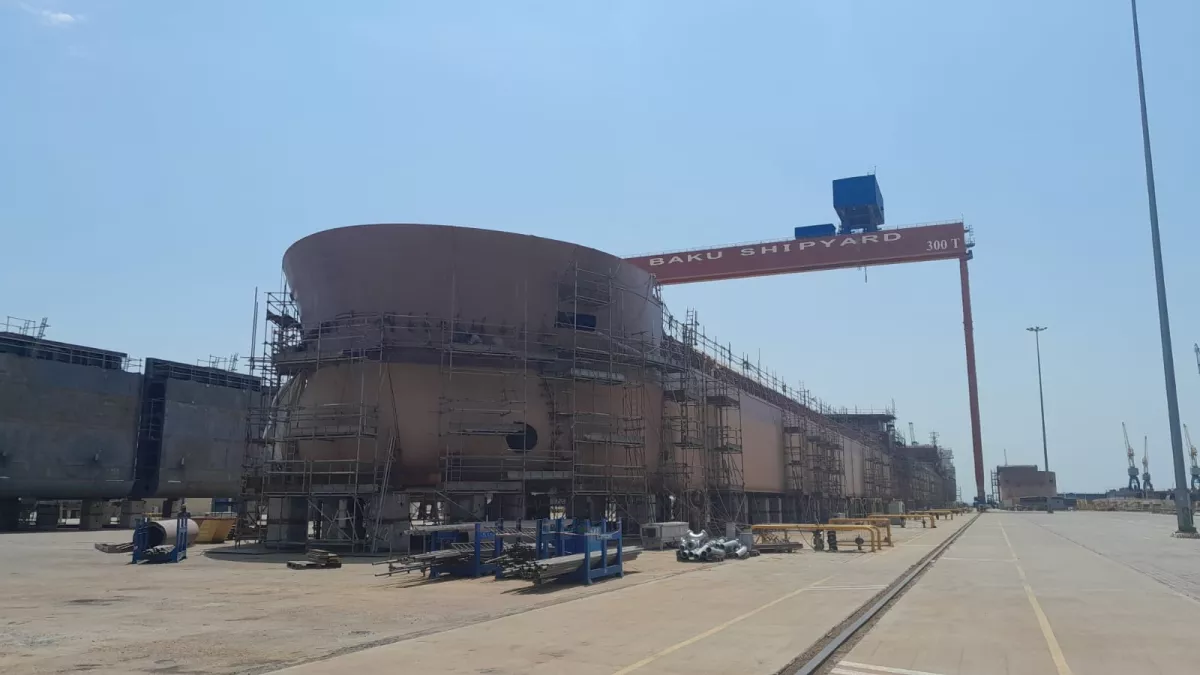
…They say that when you pour a piece of your soul into something, it gives your creation an emotional dimension, imbuing it with deeper meaning and purpose. In that metaphorical sense, the tanker currently under construction at the Baku Shipyard for the Azerbaijan Caspian Shipping Company (ASCO), part of AZCON Holding, is more than just a vessel—it is a symbol of Azerbaijan’s growing maritime power.
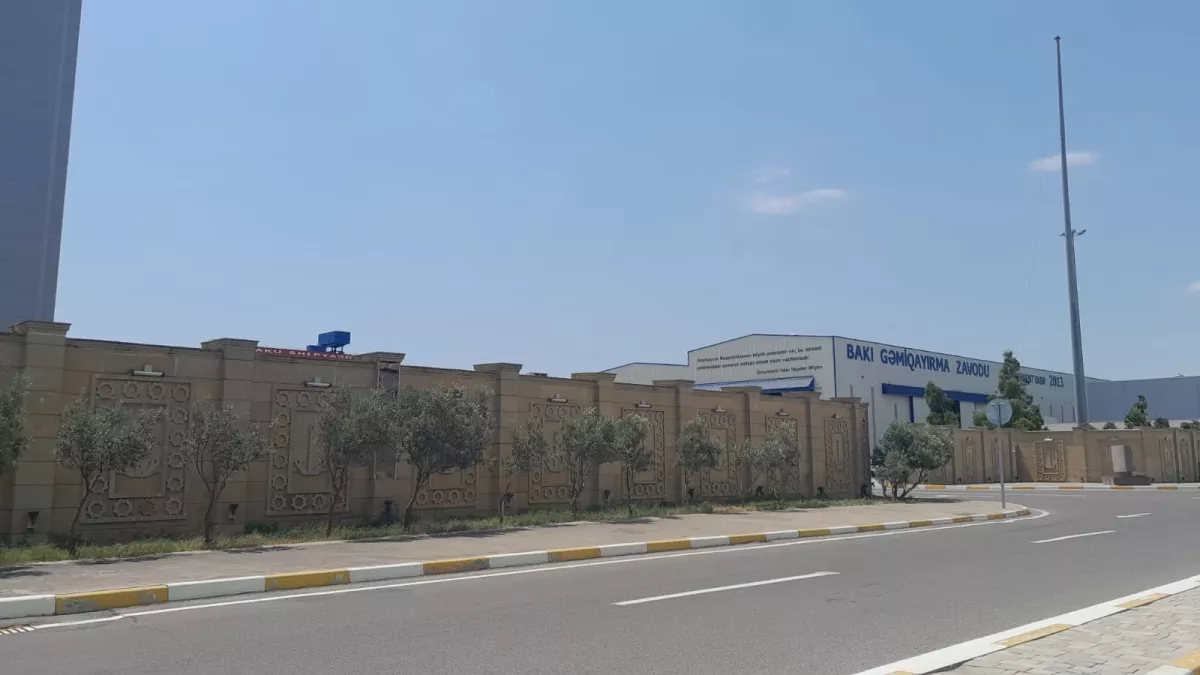
But how are such steel giants actually built? To answer that question, on a scorching July day, a Caliber.Az journalist, with the permission and support of AZCON, ASCO (the customer), and Baku Shipyard (the builder), visited the shipyard to gain an in-depth understanding of the construction of three identical tankers. Accompanied by Rasim Jafarli, the engineer overseeing the project, the journalist toured one of the vessels from stem to stern, exploring every stage of its construction.
Seafarers have a saying: every ship battling stormy seas longs for the quiet harbor of its home port, while every vessel moored safely alongside dreams of returning to the open waters, where countless waves crash against its double hull in a spray of foam. One cannot help but think that this still-unnamed tanker already has a soul of its own—and dreams waiting to be fulfilled.
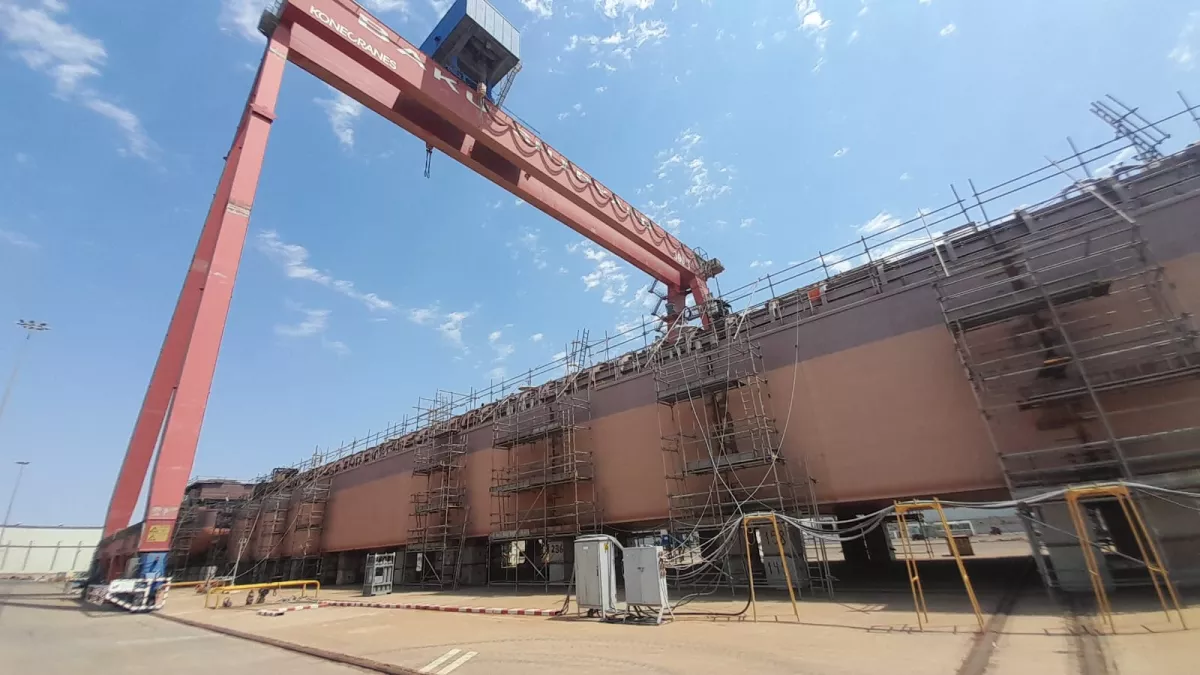
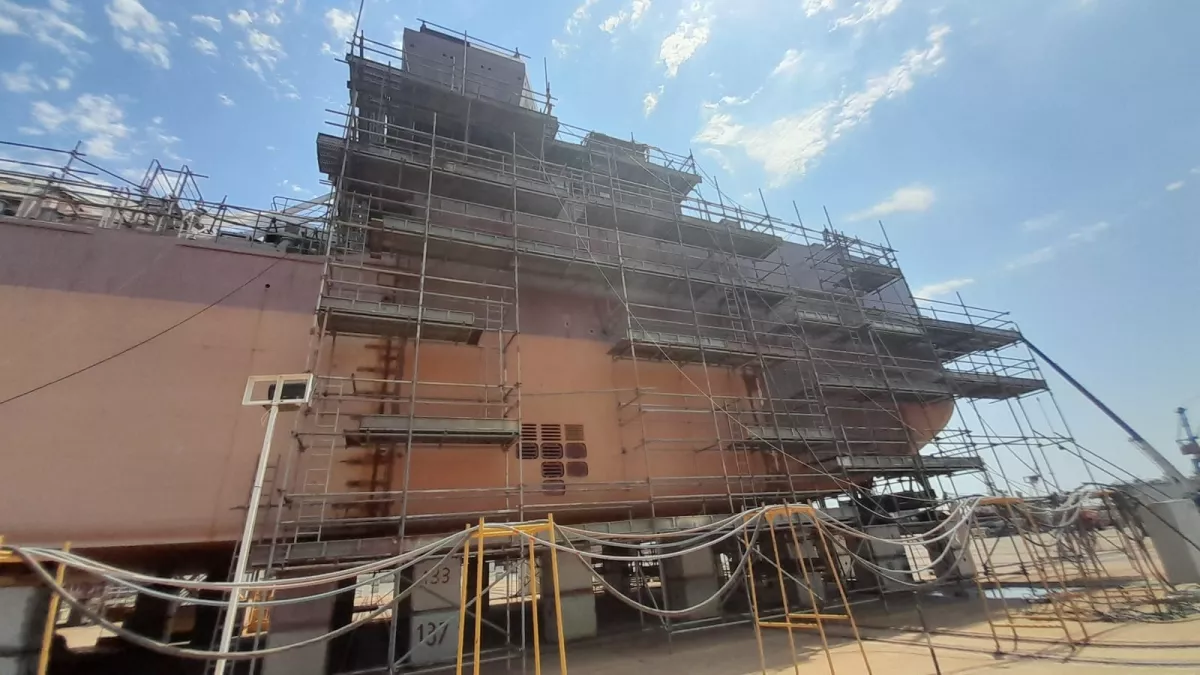
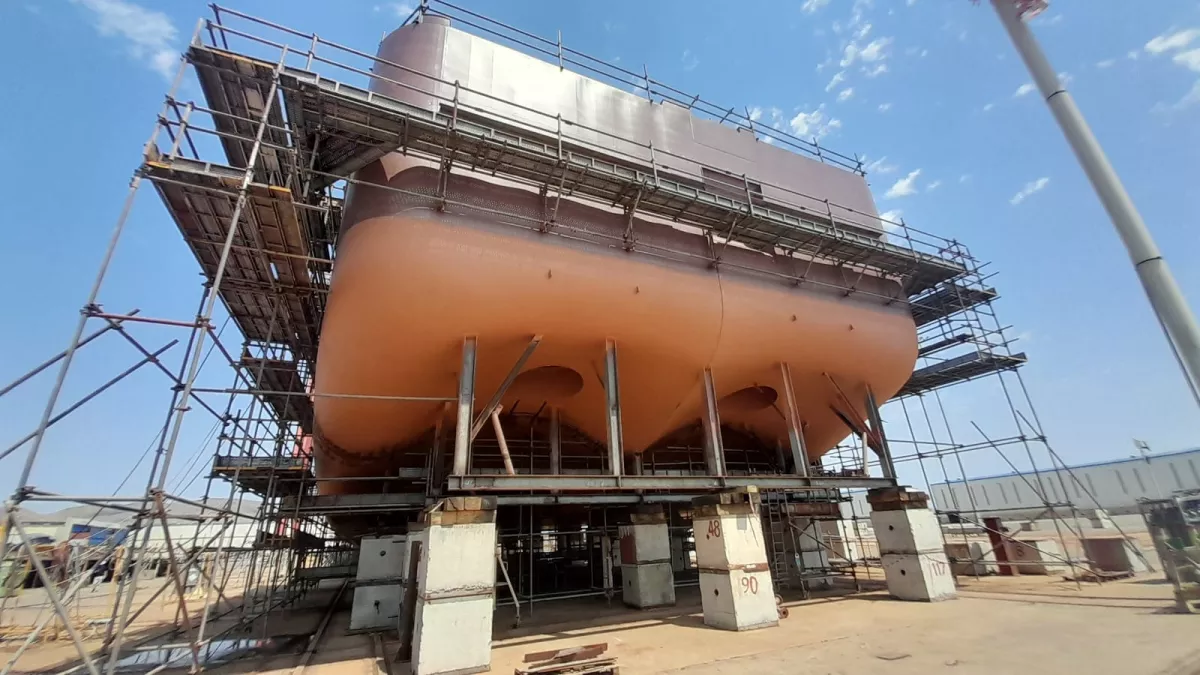
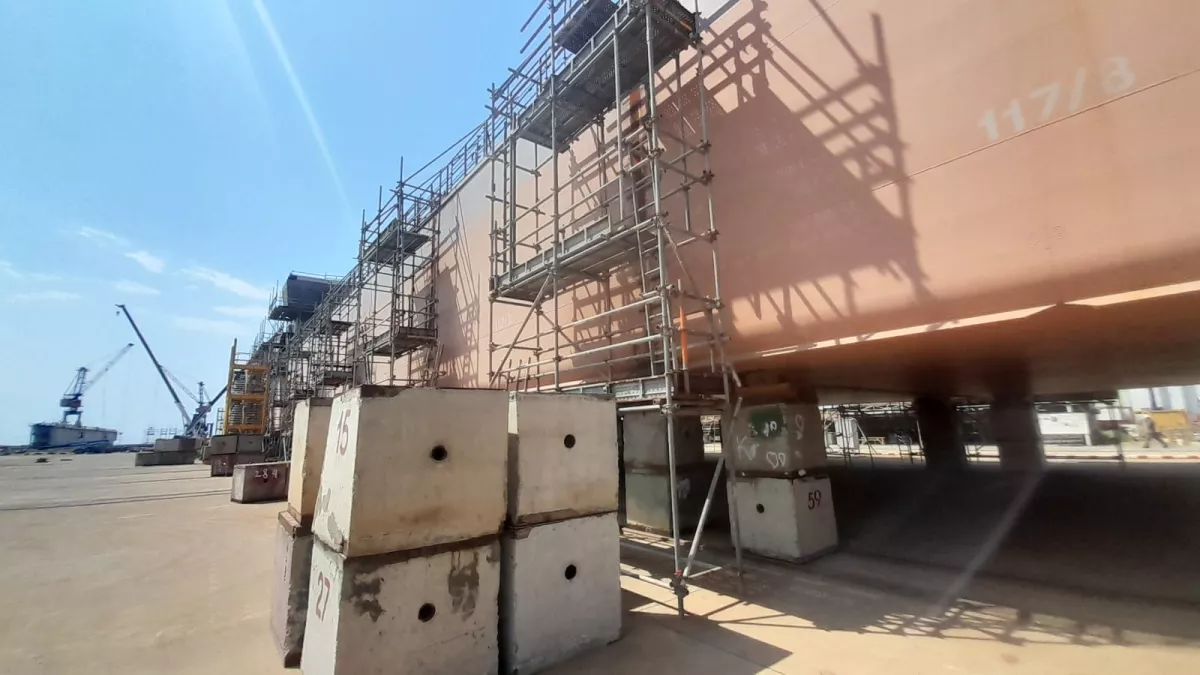
The steel giant has a deadweight capacity of 7,875 tonnes, measures 141 metres in length and 16.9 metres in beam, and already stands as tall as a five-storey building. It features six cargo tanks for transporting crude oil and petroleum products. The vessel has a draft of 4.6 metres and will be operated by a crew of 15.
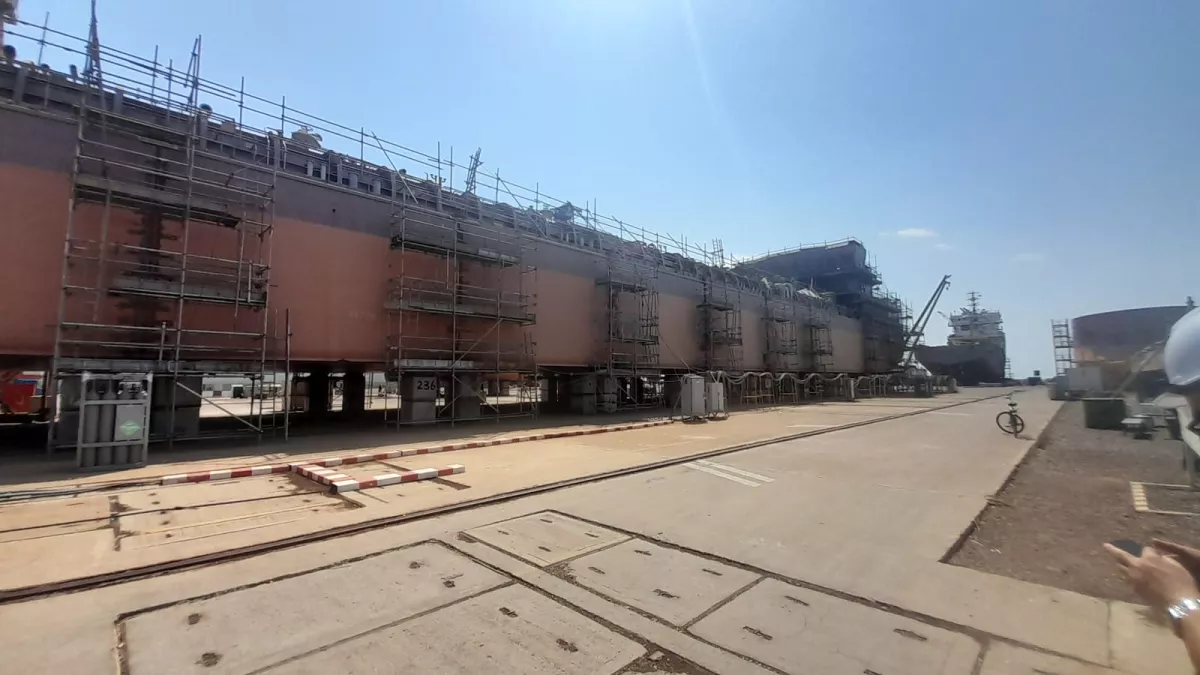
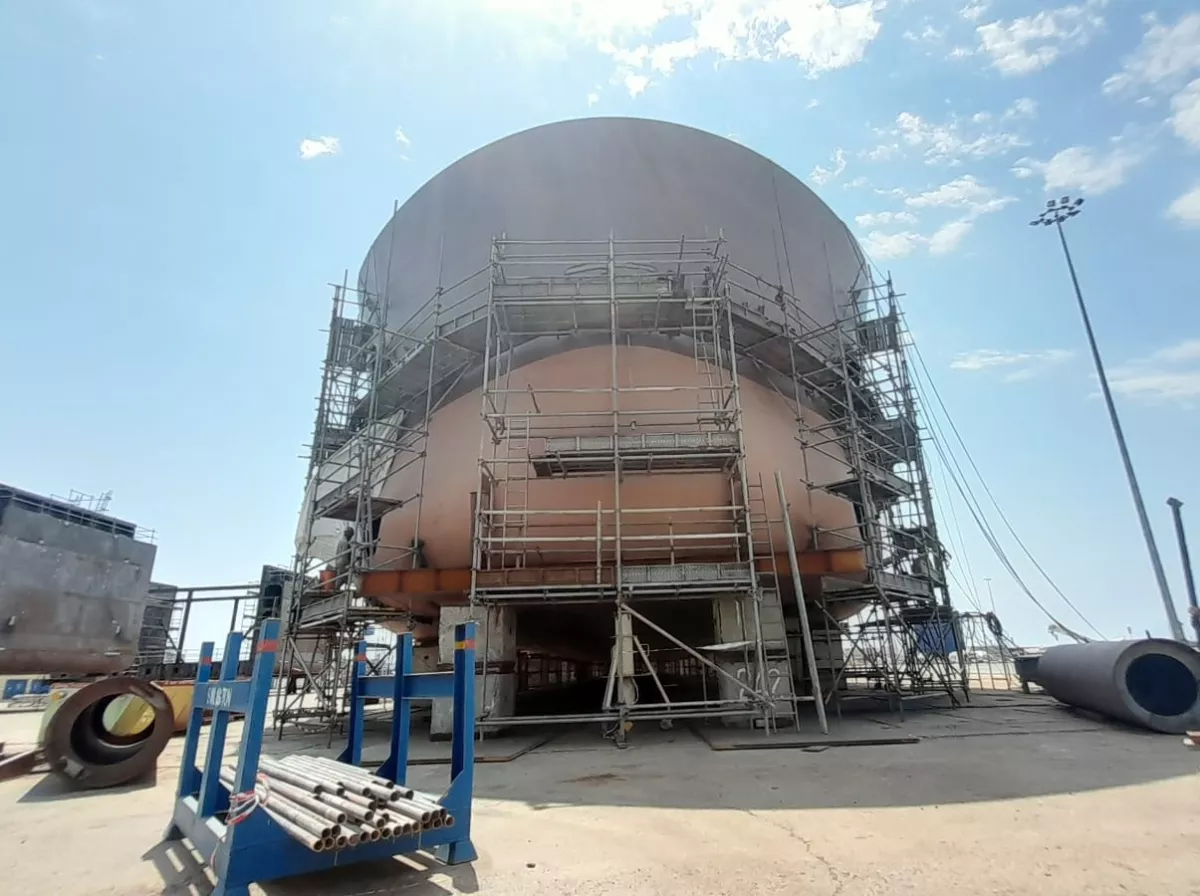
Now it is time to get a closer look at the hero of our report. Standing directly in front of the ship's bow, I found the perfect shot: the massive tanker looked down at me from above with quiet majesty, while I gazed up at it with admiration. Bathed in the midday sun, the vessel seemed almost alive—as though it might sound its horn and begin moving at any moment.
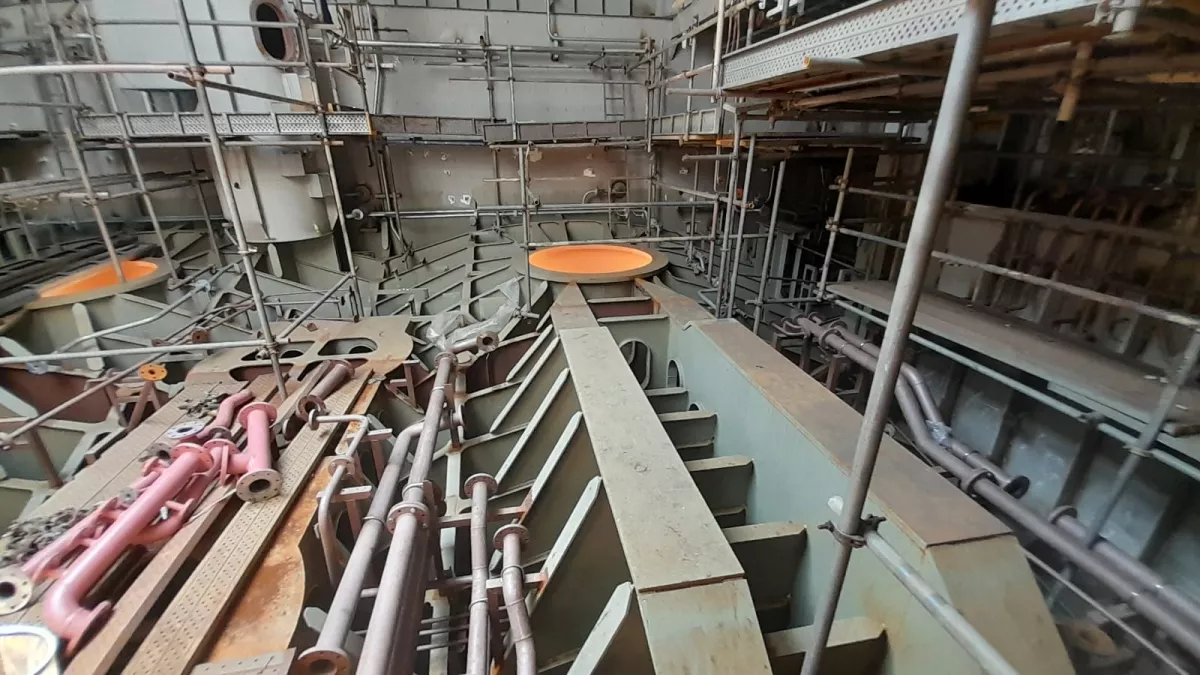
Climbing aboard, I was met on deck by what resembled a giant Gordian knot—a maze of hundreds of steel pipes of every conceivable diameter, length and shape. Together they stretch for 14 kilometres and 371 metres throughout the vessel. At first glance, it seems impossible to understand where each one leads or what purpose it serves, yet for the shipbuilders and the future crew, every pipe has its precise place and function.
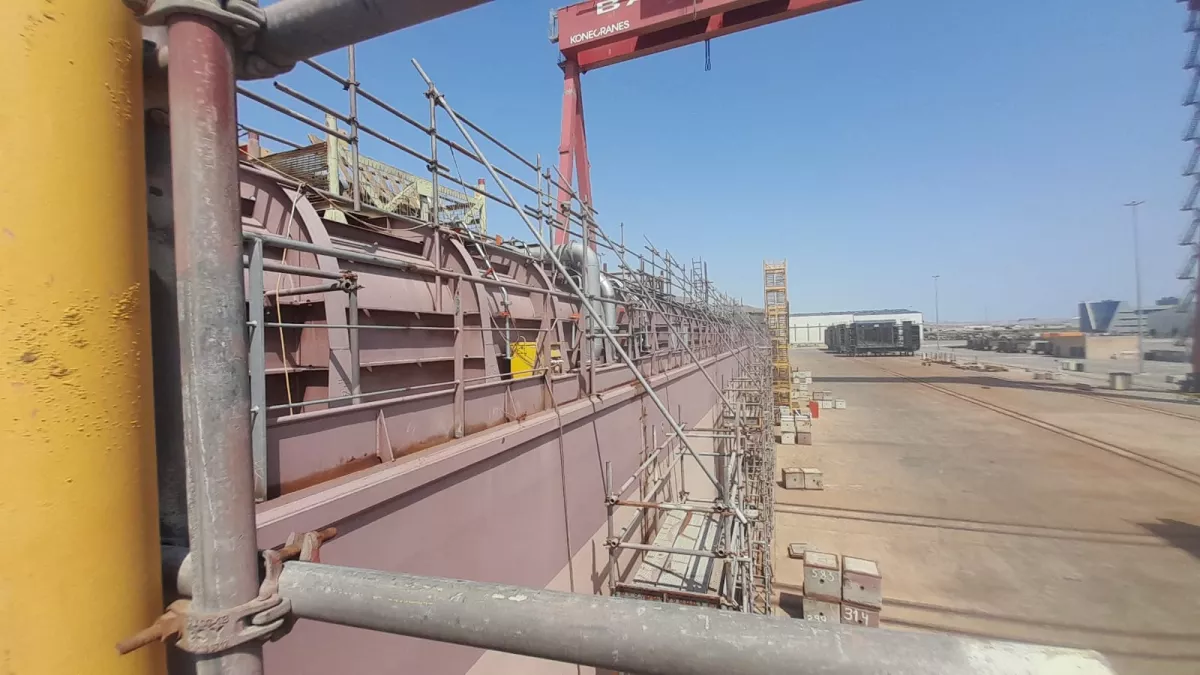
Some of the pipelines connect the cargo tanks to powerful pumps, allowing crude oil to be transferred rapidly from shore into the ship's tanks—or pumped ashore just as efficiently. Others are used to fill the ballast tanks with seawater when the tanker is sailing empty, ensuring the vessel maintains proper stability.
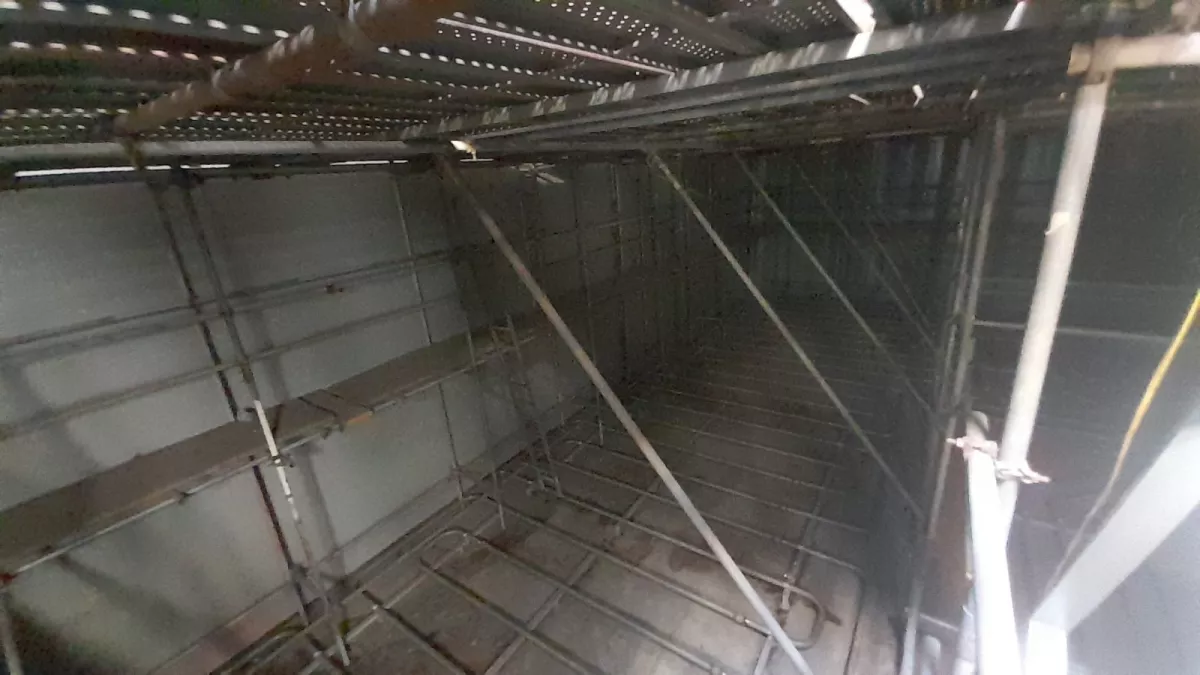
From the deck, I descended a vertical ladder into the heart of the ship—to the cargo tanks, which have a combined capacity of 9,212 cubic metres. This is where the vessel's future treasure—its "black gold"—will be stored. The cavernous compartments, criss-crossed by an intricate network of pipes, leave a lasting impression. Unfortunately, the lower sections were too dark for photographs, but the sheer scale of the structure is unmistakable. Every detail has been carefully considered, including a gas detection system that will protect the crew by continuously monitoring the atmosphere and providing early warning of any dangerous accumulation of hazardous vapours.
Emerging from the vessel's cavernous interior, my guide and I made our way to the more "exclusive" section of the ship—the superstructure. Here, work is in full swing. Workers move briskly from one task to another, while bursts of light from electric welding briefly illuminate the unfinished compartments, casting our elongated shadows across the steel walls.
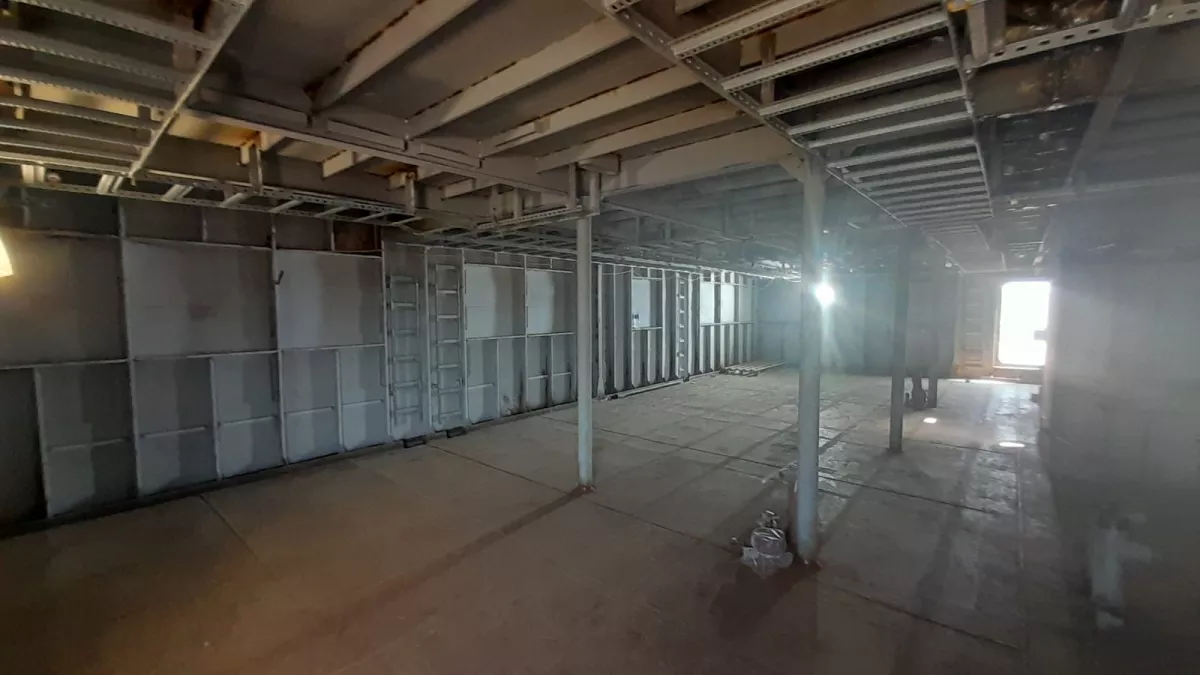
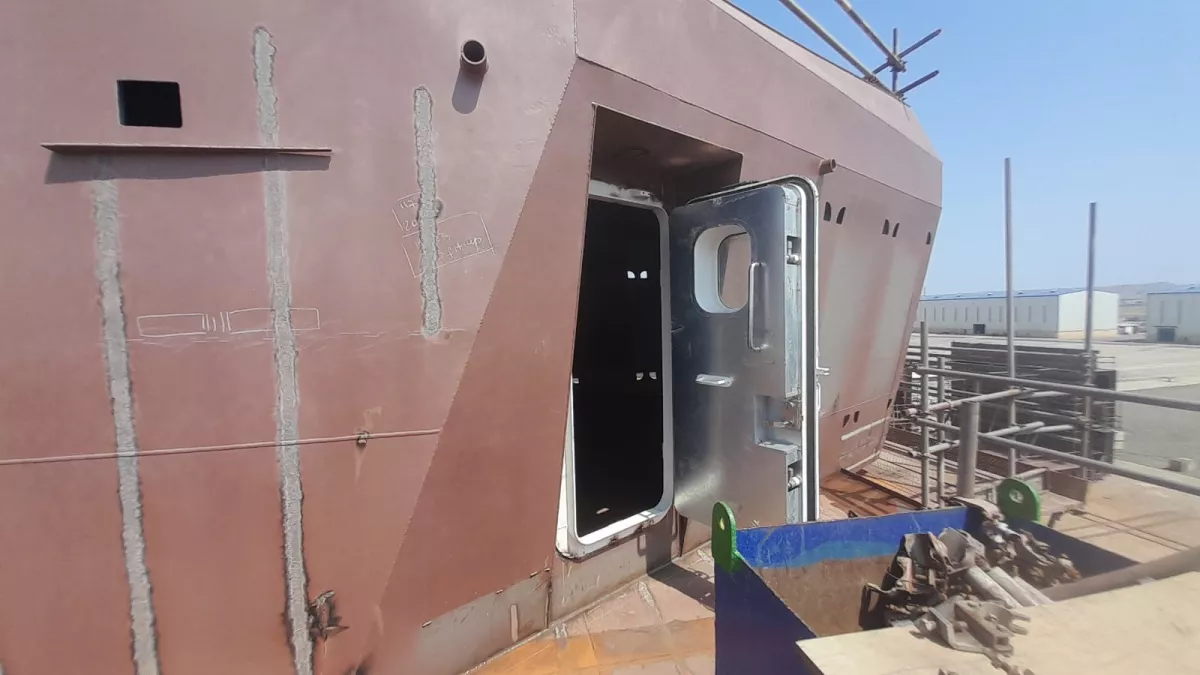
This is where the crew's cabins, the captain's quarters, and the bridge—the ship's command centre—are located. Construction is progressing rapidly, although key equipment such as the helm, navigation consoles, and other instruments has yet to be installed. Even the portholes have not yet been cut into the structure.
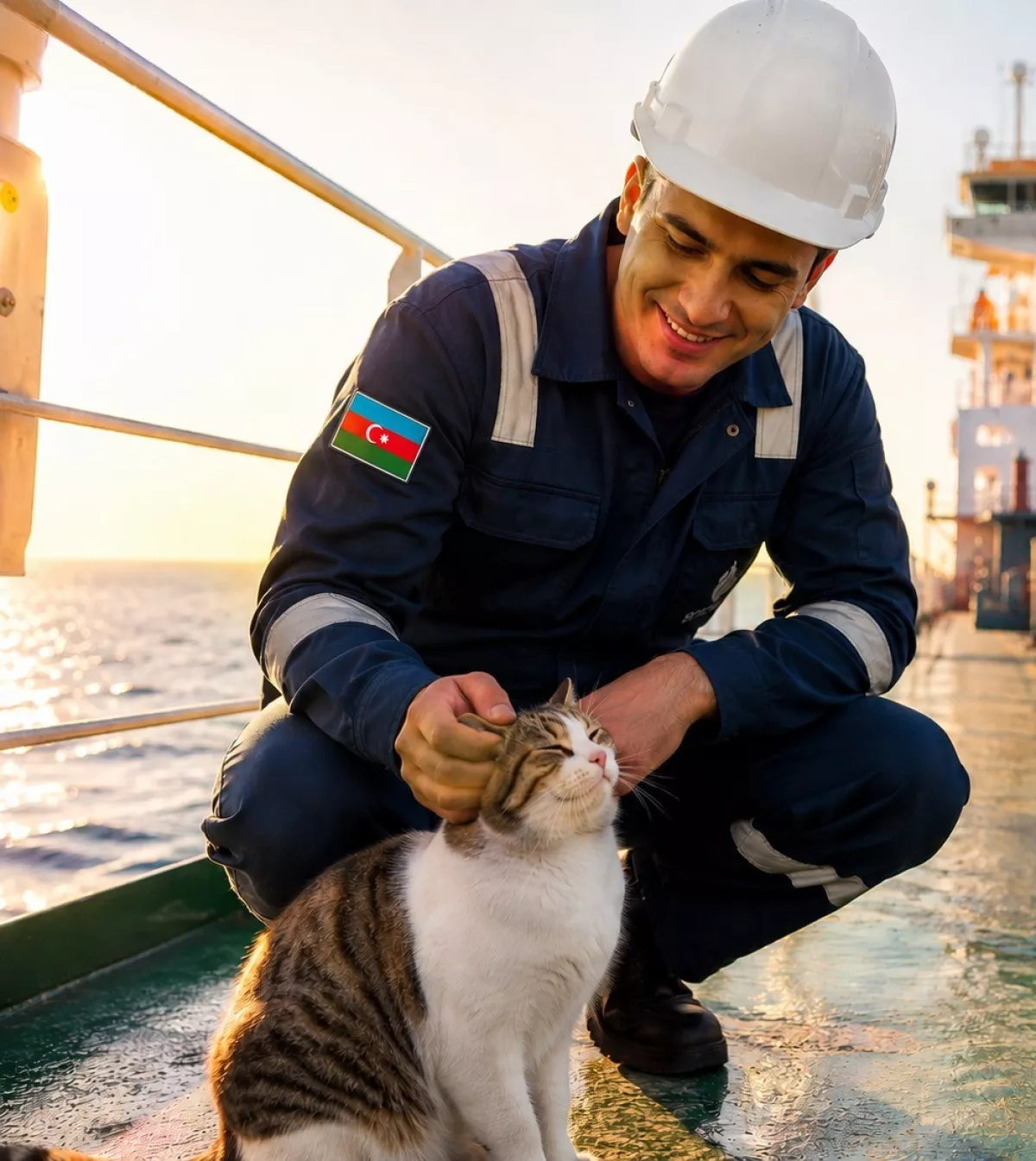
That, however, is only a matter of time. Before long, these spacious cabins will come alive with their future occupants. Even now, it is easy to imagine the captain plotting the vessel's course, the cook preparing meals in the galley, a sailor spending a quiet moment off watch at the stern, admiring the sunset, while another feeds the ship's cat.
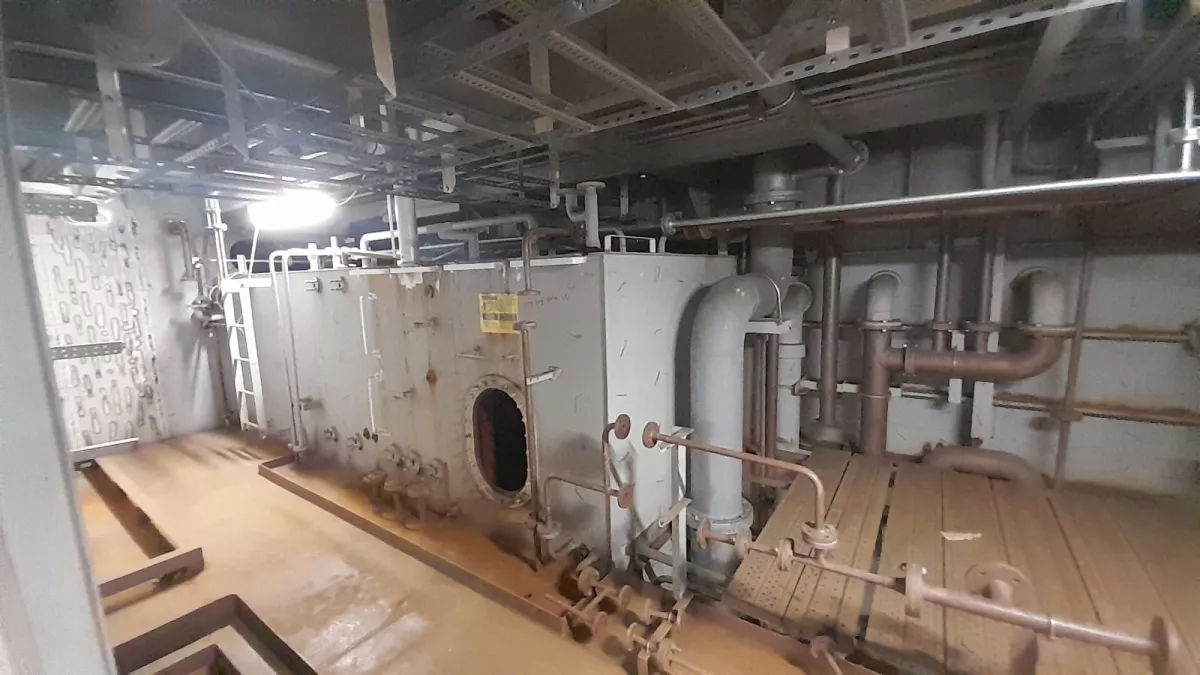
Descending another series of steep ladders, we reach what will become the engine room—the beating heart of the vessel. Two Wärtsilä diesel engines from Finland, each producing 1,630 horsepower, will be installed here. They will drive twin propellers, enabling the tanker to reach a speed of 10 knots.
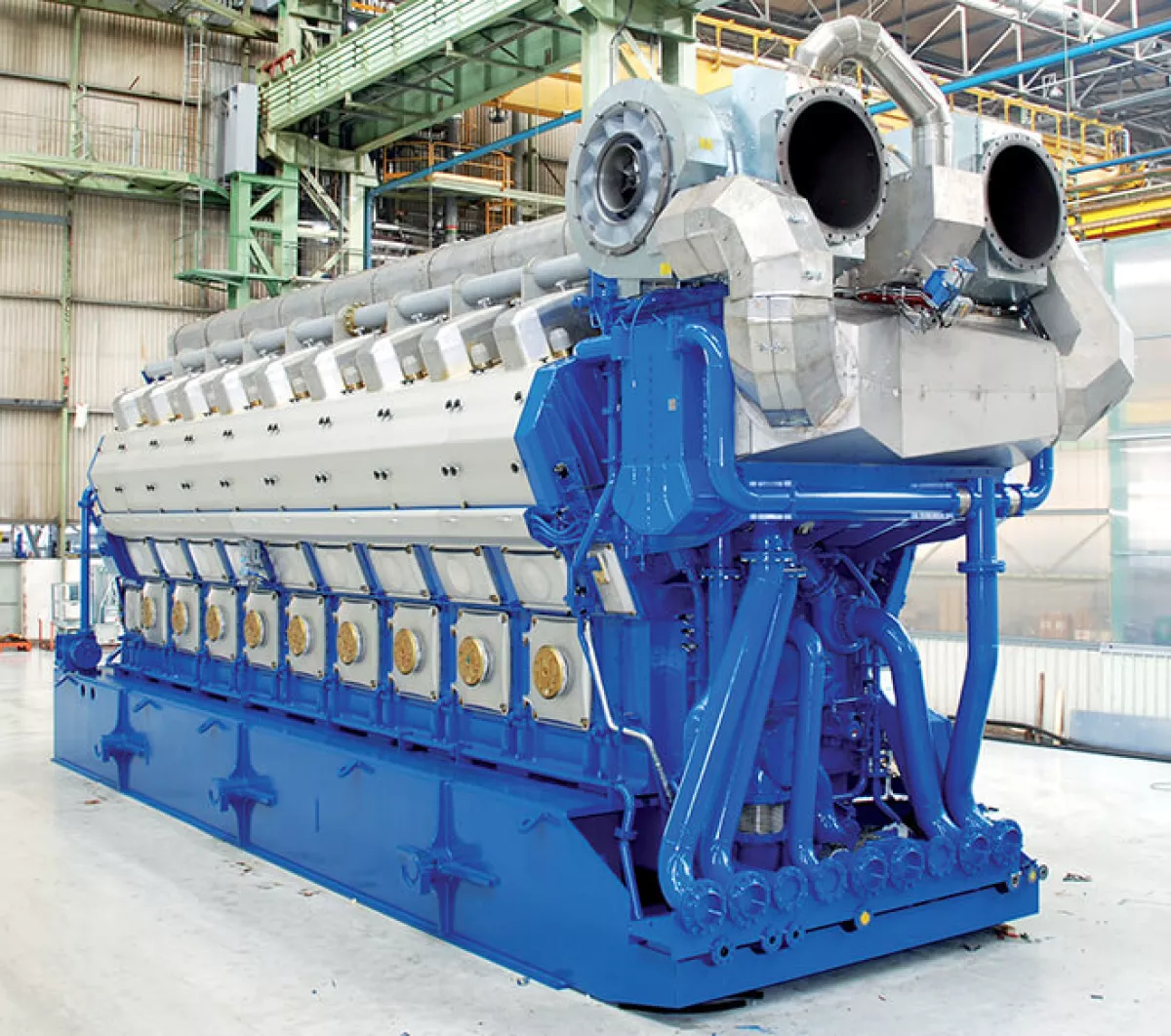
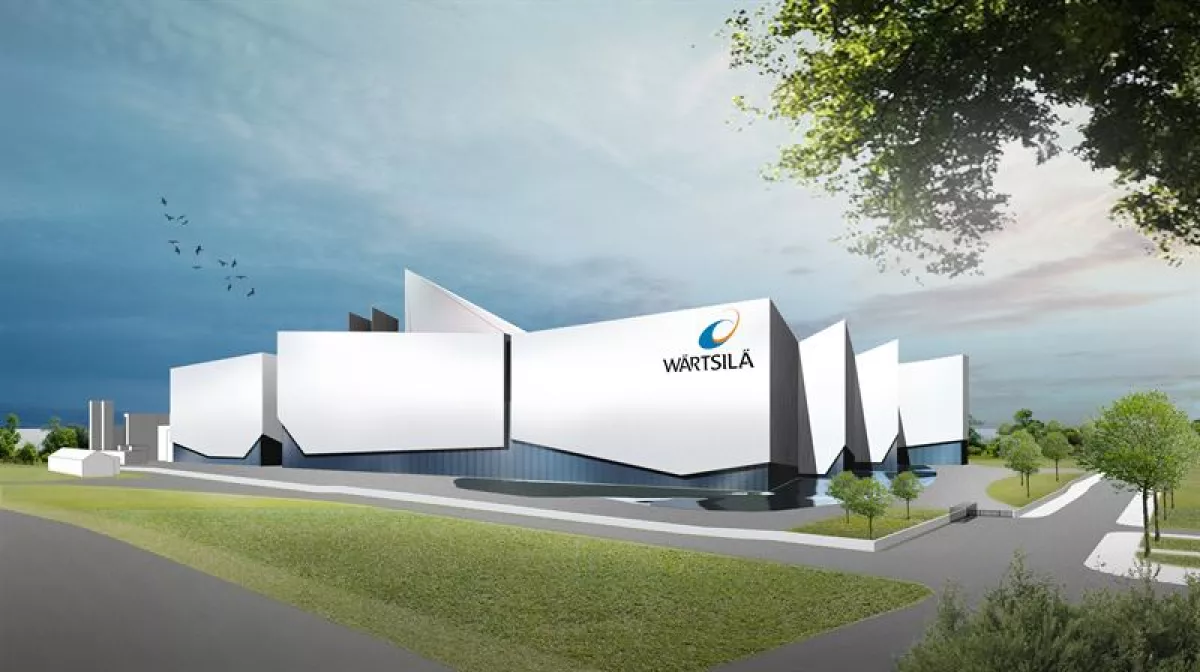
The engines have already been ordered and are expected to arrive in Baku soon. For now, workers are preparing their foundations while laying fuel pipelines and electrical systems. Before long, the ship's chief engineer will be tending these powerful machines, whose steady hum will seem to declare: "We are the true masters of the engine room."
The scale of the work is staggering. The vessel contains 90.6 kilometres of electrical cabling, and every single metre must be laid and connected with absolute precision. That figure alone speaks volumes about the extraordinary craftsmanship and dedication of the shipbuilders—and it is only one of countless impressive numbers behind this project.
Standing on the tanker's steel deck—which has yet to sway beneath the rhythm of the waves—and taking in the vast expanse of the Baku Shipyard, one cannot help but reflect on a broader point: just how visionary and strategically sound President Ilham Aliyev's 2010 decision to establish this enterprise has proved to be. The shipyard was designed with the participation of the British engineering company Royal Haskoning.

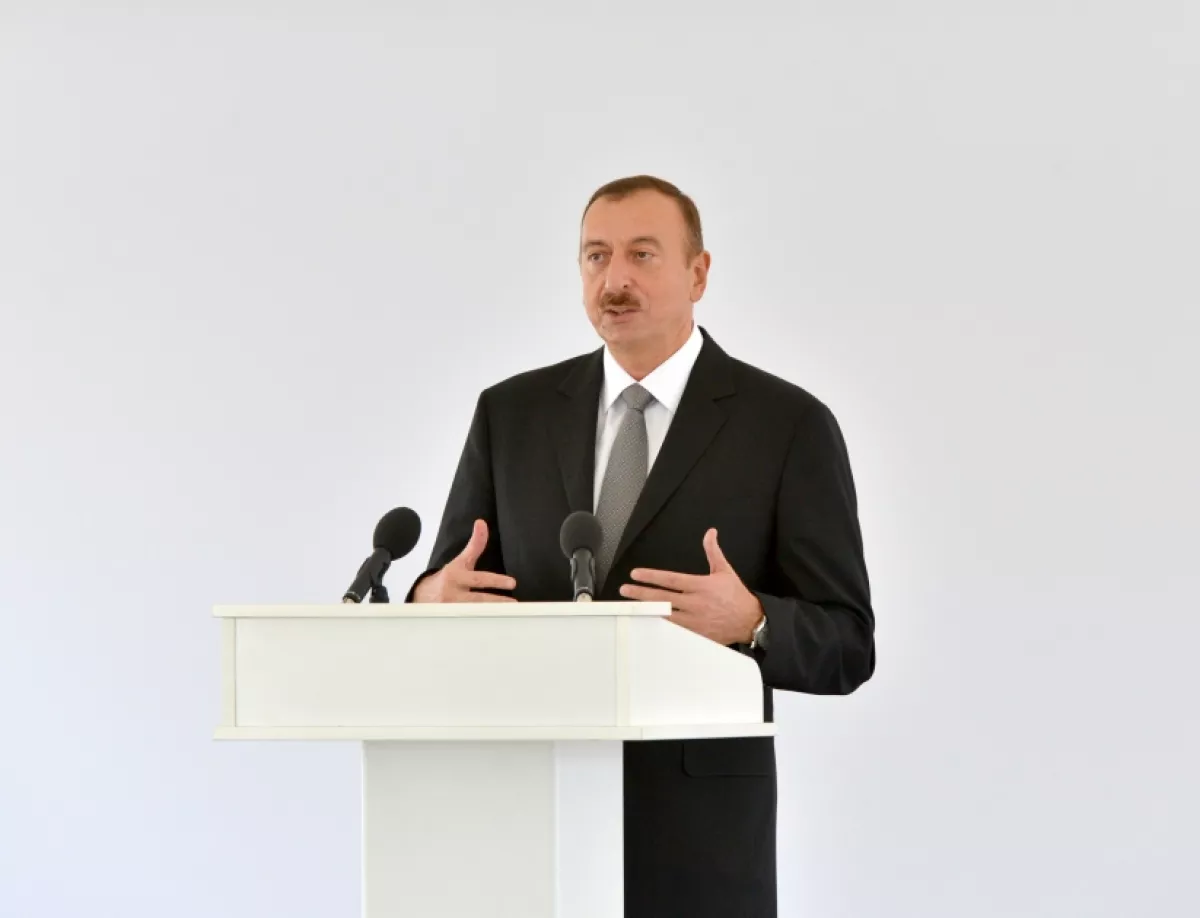
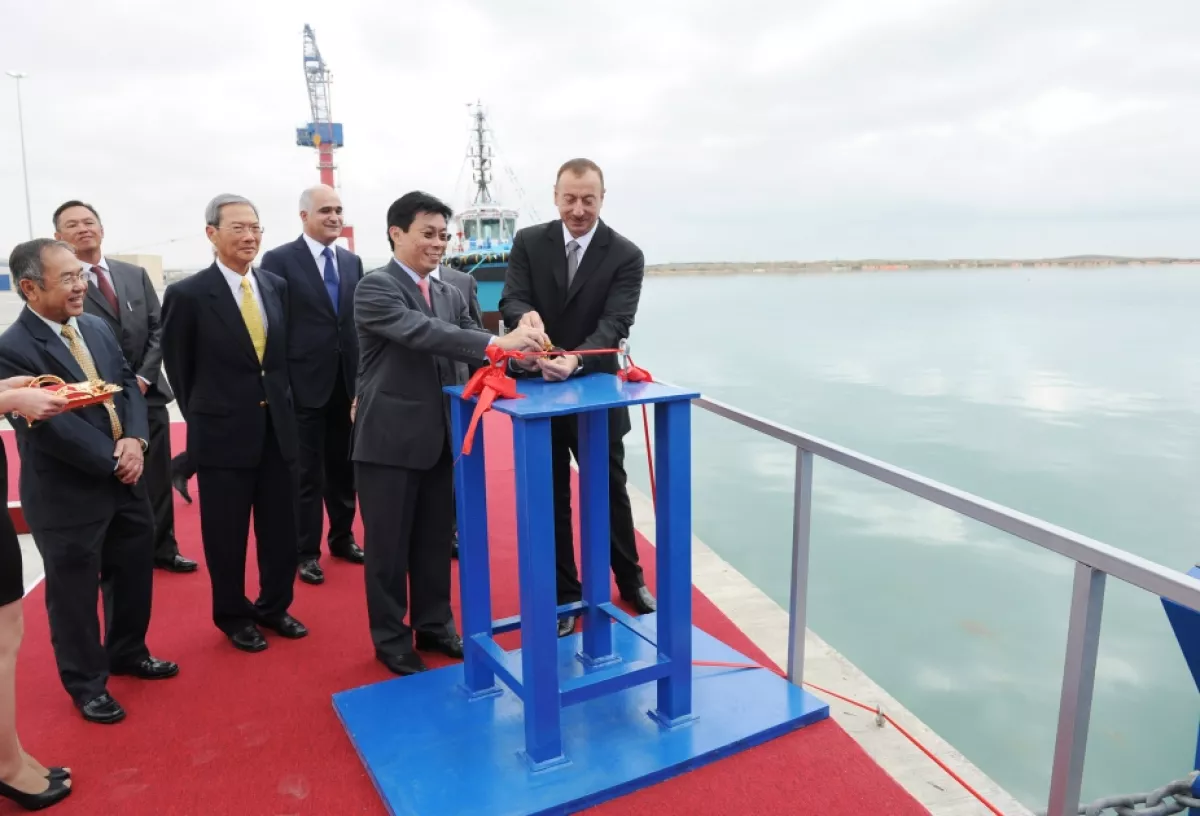
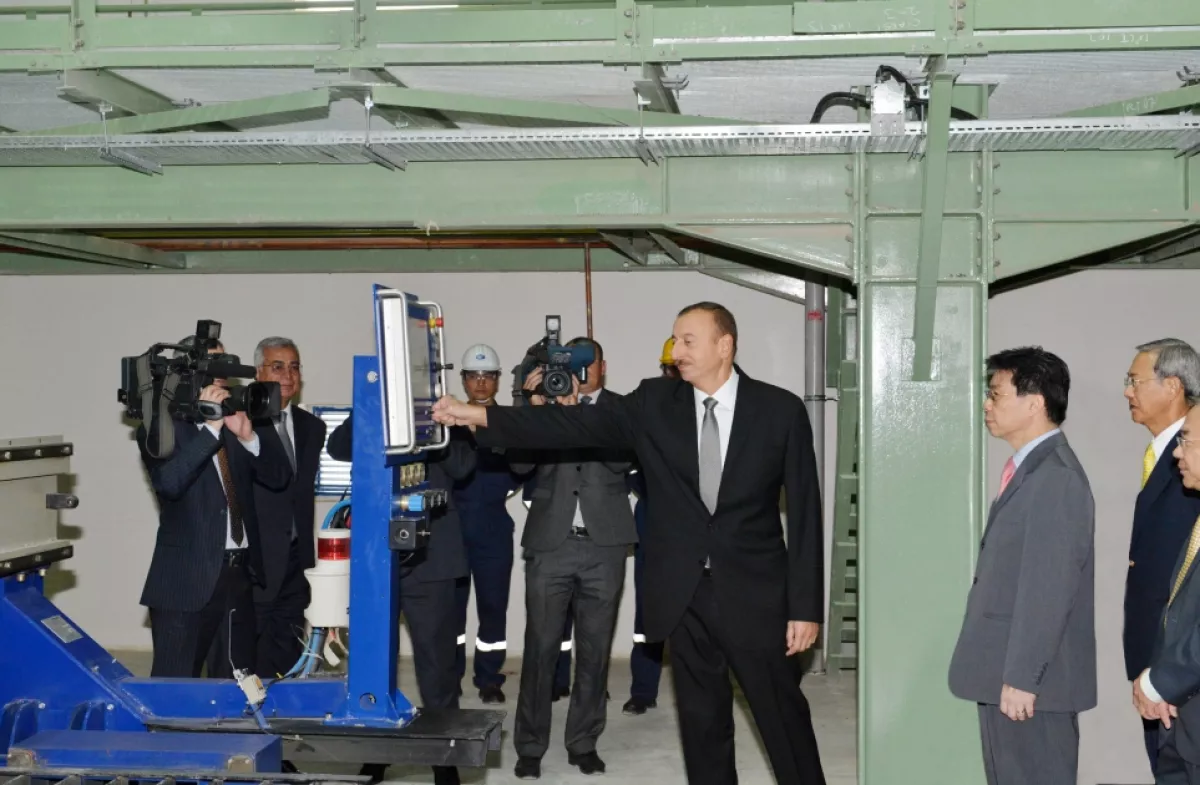
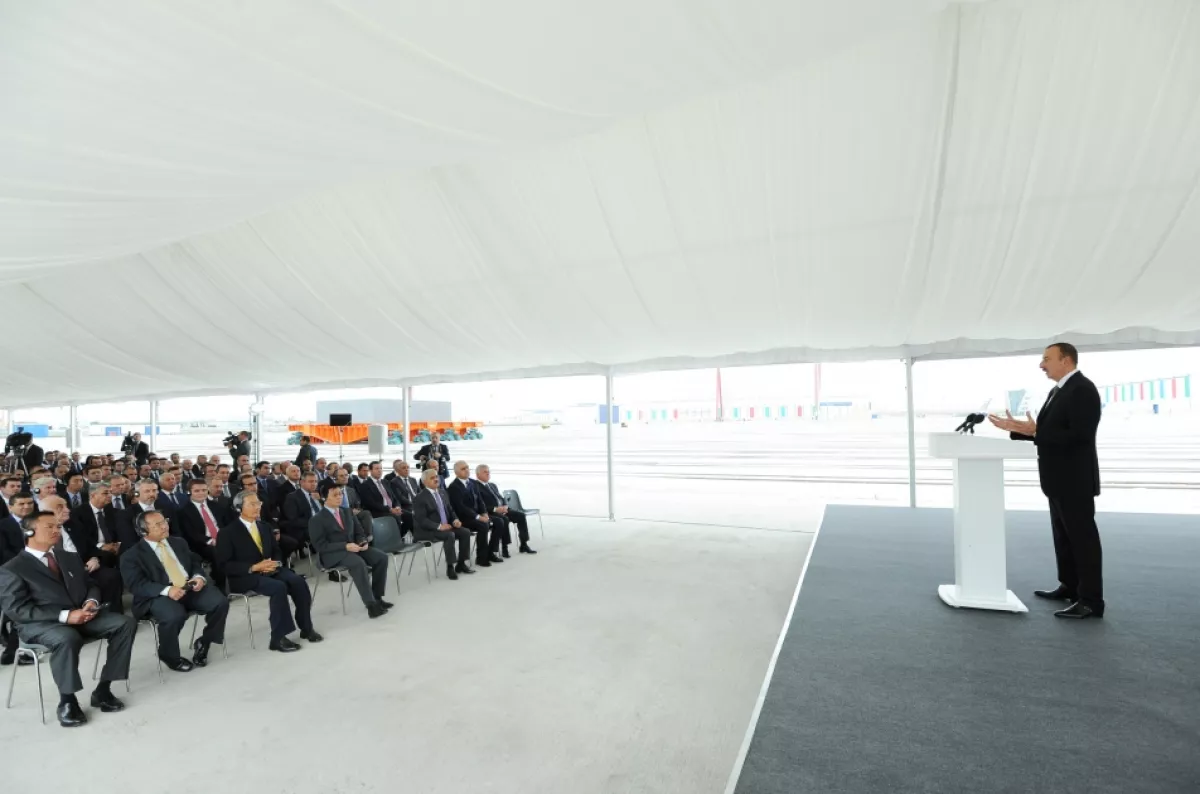
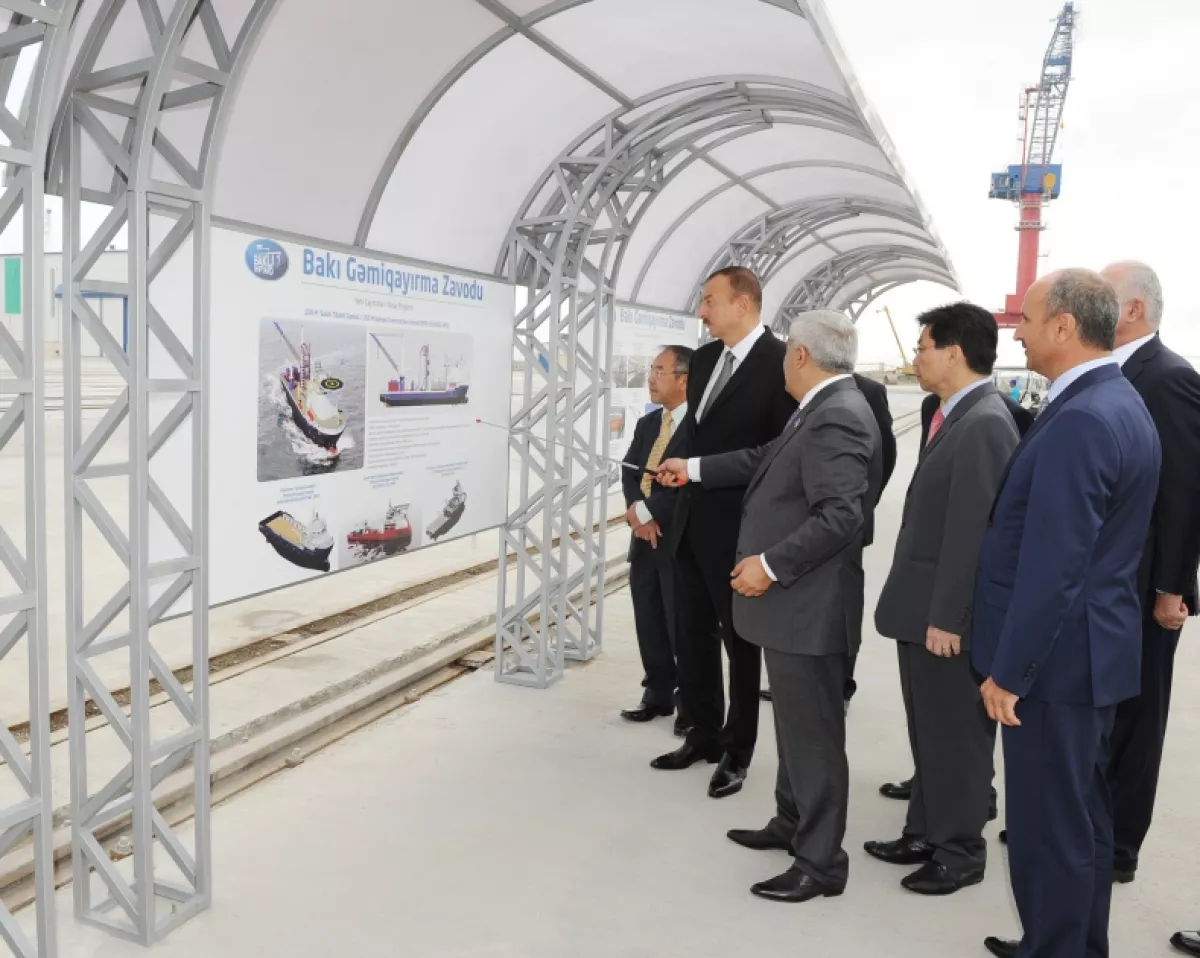
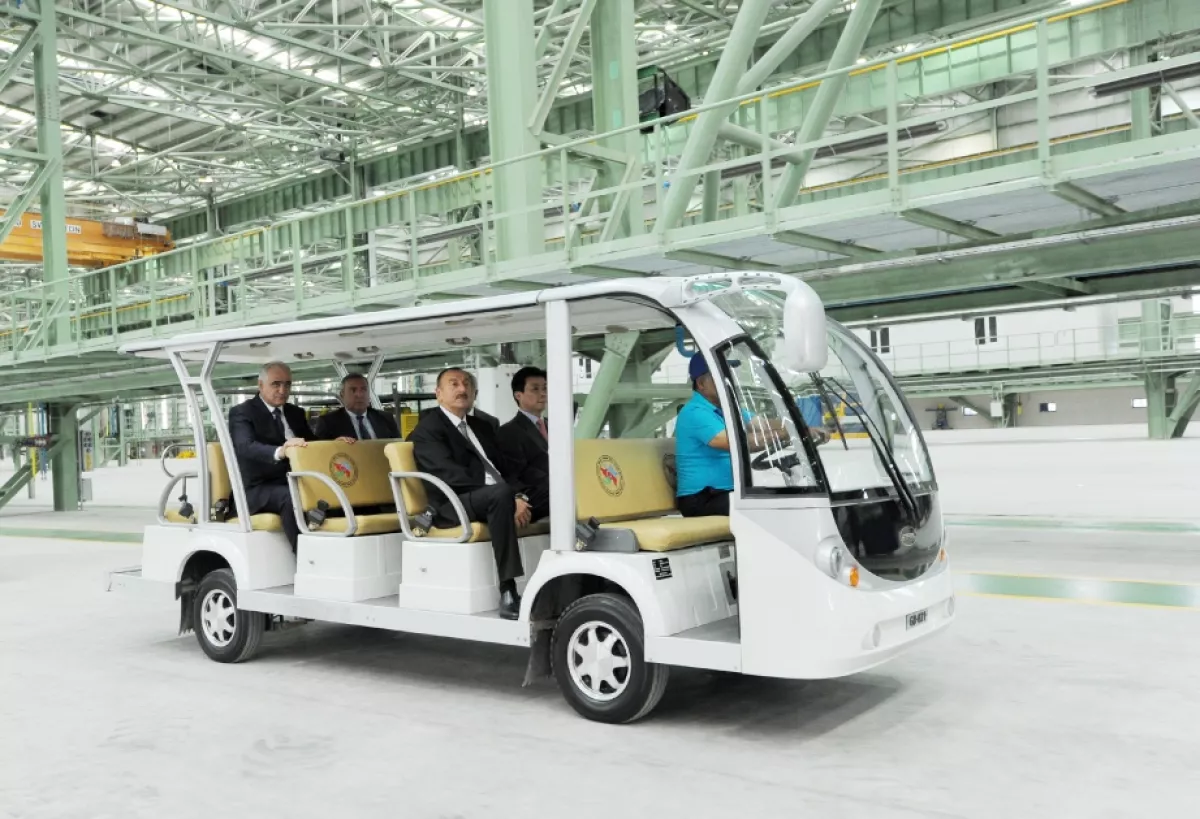
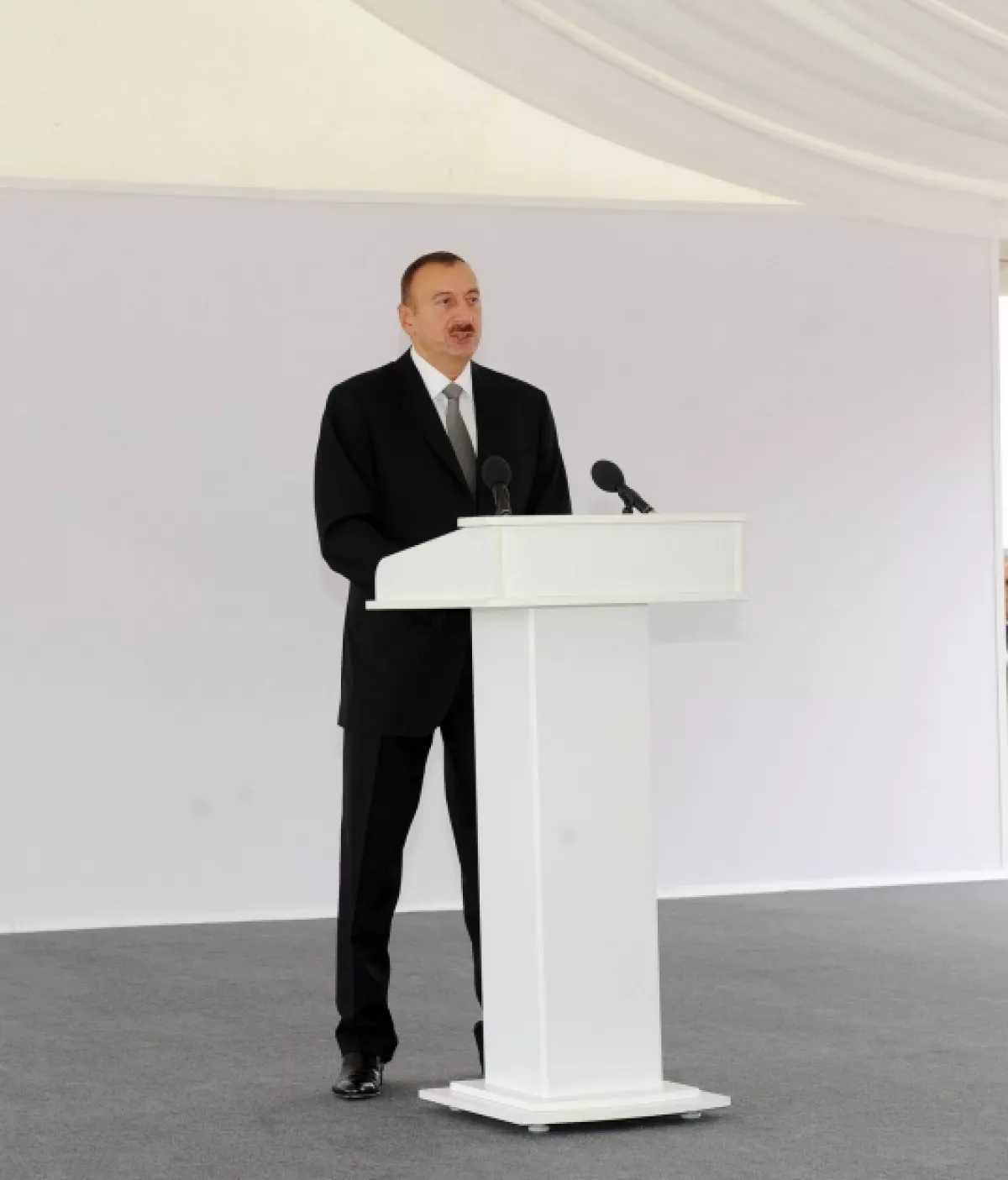
The facility is equipped with state-of-the-art machinery manufactured in Finland, the Netherlands, Germany, the Czech Republic, the United Kingdom, South Korea and Singapore. Looking back today, it is clear that the investment has more than justified itself. Built over three years in partnership with Singapore's Keppel and officially inaugurated on September 20, 2013, the shipyard has since produced dozens of vessels—and not just ordinary ones.
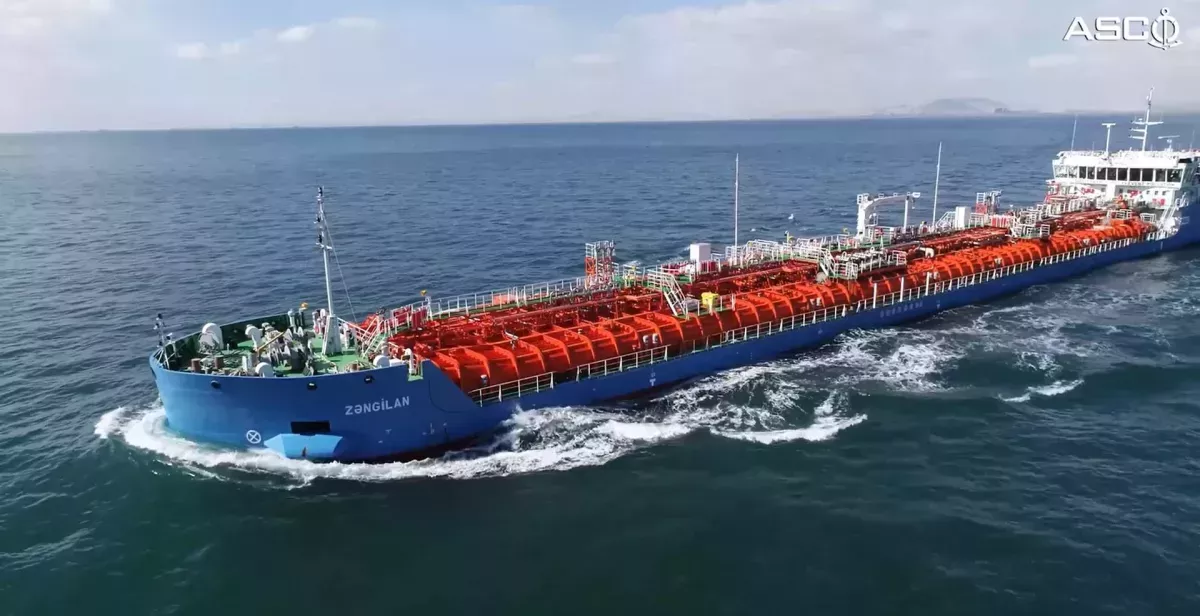
Its portfolio includes dry cargo ships, tankers, Ro-Pax ferries, passenger vessels, offshore support ships, cable-laying vessels, dredgers, tugboats, and many other types of specialised ships.
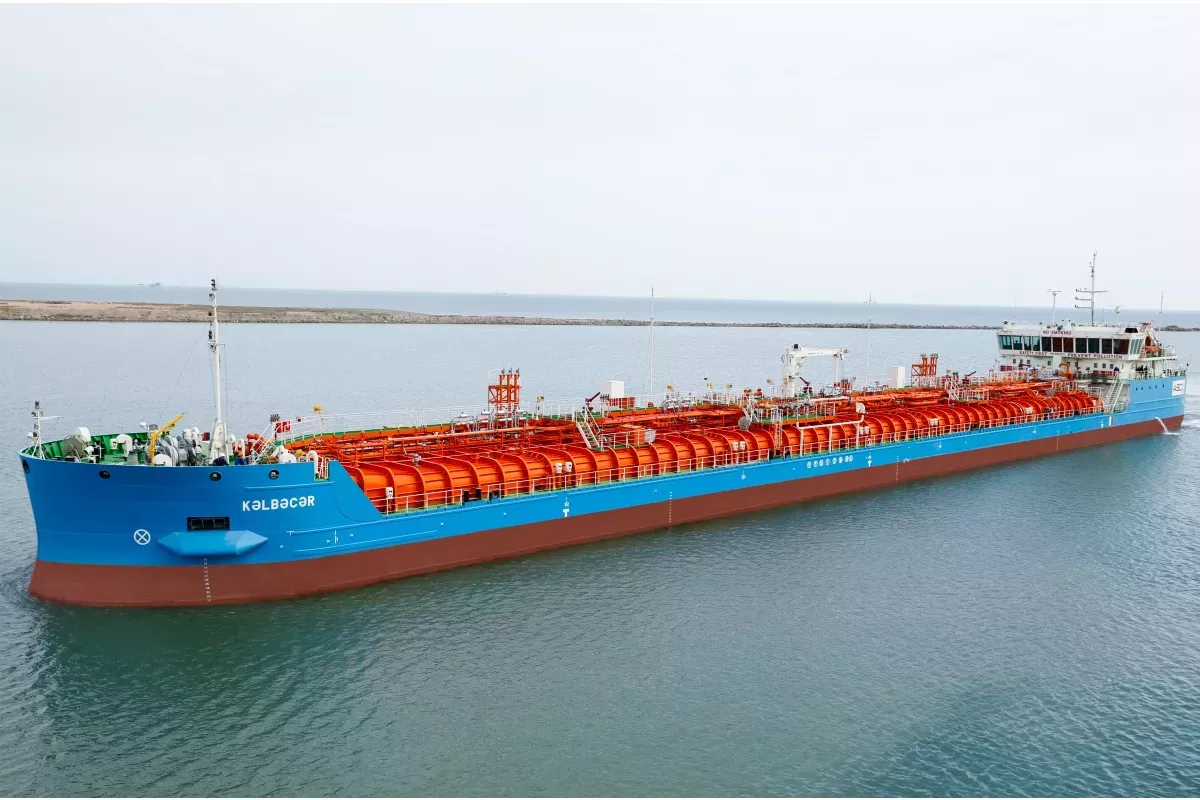
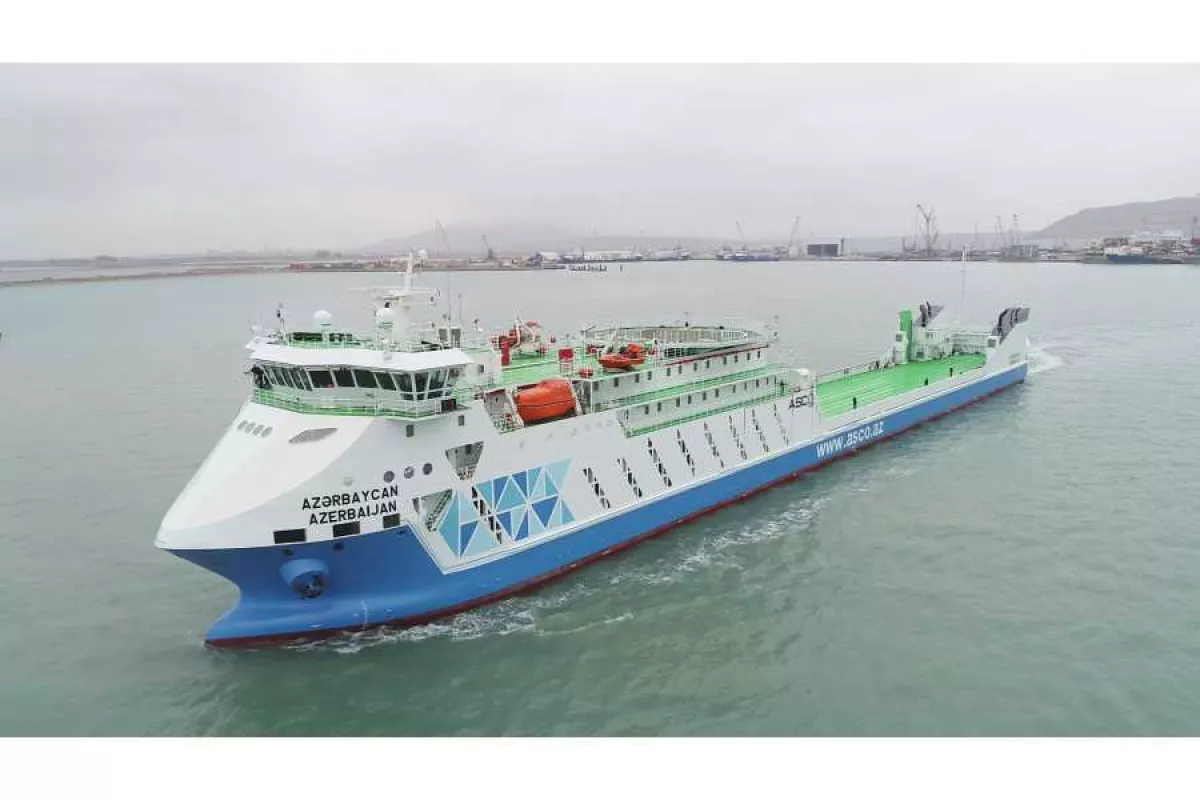
Several of these vessels have become flagships of Azerbaijan's shipbuilding industry. The tanker Lachin was included in the Royal Institution of Naval Architects (RINA) list of the Top 50 Significant Ships of 2019, while the ferry Azerbaijan earned a place in RINA's Top 50 Significant Ships of 2021. Large and small alike, these vessels are already making a substantial contribution to the country's development, symbolising the flourishing of Azerbaijan's maritime economy as ASCO continues to expand its operations.
And this is only the beginning. Under the leadership of AZCON Holding, the shipyard is pursuing an ambitious expansion strategy and has already secured major international contracts, including orders from the United Arab Emirates for two large container ships and from Kazakhstan for dry cargo vessels. These ships will operate along the Middle Corridor, the rapidly growing transport route linking China and Europe via Azerbaijan, whose strategic importance continues to increase.
Judging by the scale of these achievements and ambitions, Azerbaijan's shipbuilding industry has a bright future ahead—and the expertise of its shipbuilders will continue to reach ever greater heights.
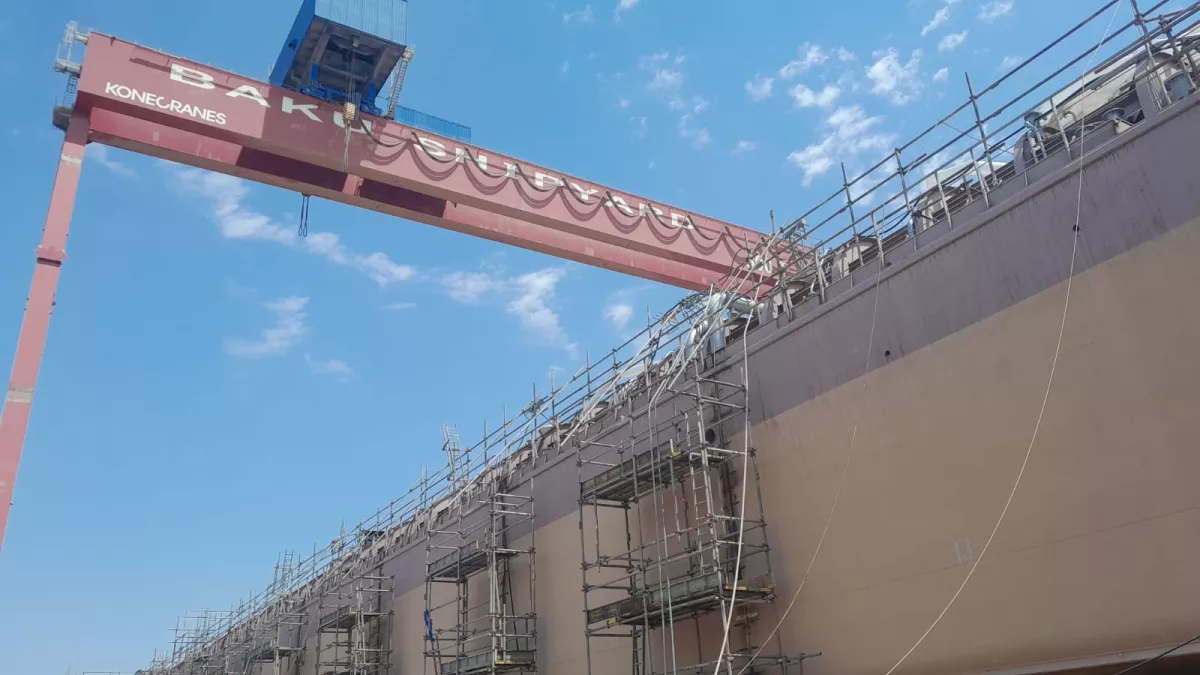
As for the hero of our report, the day when this tanker is formally commissioned is fast approaching. Soon, we will see her in all her glory—freshly painted, gleaming in the sunlight, and adorned with festive decorations. Behind this celebratory image of a steel giant, behind this triumph of engineering embodied in metal, stand Azerbaijan's long-term strategy for developing its shipbuilding industry and the tireless efforts of hundreds of dedicated professionals.
Once the commissioning ceremony is over, this new workhorse of the seas will embark on her maiden voyage. Together with the crew that will come to know every corner of the ship, she will experience her first port of call, her first berthing, her first cargo—and, inevitably, her first storm.
Yet no storm can intimidate a vessel proudly sailing under the State Flag of the independent Republic of Azerbaijan. Fair winds and following seas, dear friend—and may you always have seven feet beneath your keel.
P.S. Caliber.Az extends its sincere gratitude to AZCON, ASCO, and Baku Shipyard for their support and for providing the opportunity to prepare this report.







 editor@caliber.az
 +994 55 444-88-98
 Азербайджан, Баку, ул. Низами, 203, Af Business House, 5-й этаж