










Ukraine hacks Russian logistics giant, wipes 165 TB of data
Ukrainian hackers have wiped massive amounts of data from a major Russian logistics provider in a cyberattack staged to coincide with Ukraine’s Armed Forces Day.
Ukraine’s Military Intelligence's (HUR) cyber unit, working jointly with the "BO Team" hacker group, either destroyed or encrypted approximately 165 terabytes of vital data, as per their statement given to the Kyiv Post publication.
The target of the December 6 attack was the Eltrans+ logistics network, which HUR says has been involved in shipping sanctioned goods and military components.
The overnight operation disabled more than 700 computers and servers, erased over 1,000 user accounts, shut down Eltrans+ access-control and video-surveillance systems, wiped storage and backups, disrupted network equipment, and crippled the core of the company’s data center.
In the aftermath, Eltrans+’s homepage began displaying greetings to Russian visitors on Ukraine’s Armed Forces Day. HUR sources told the Ukrainian outlet that this timing was deliberate, describing the operation as “a reminder that Ukraine’s defenders are fighting on every front – including cyberspace.”
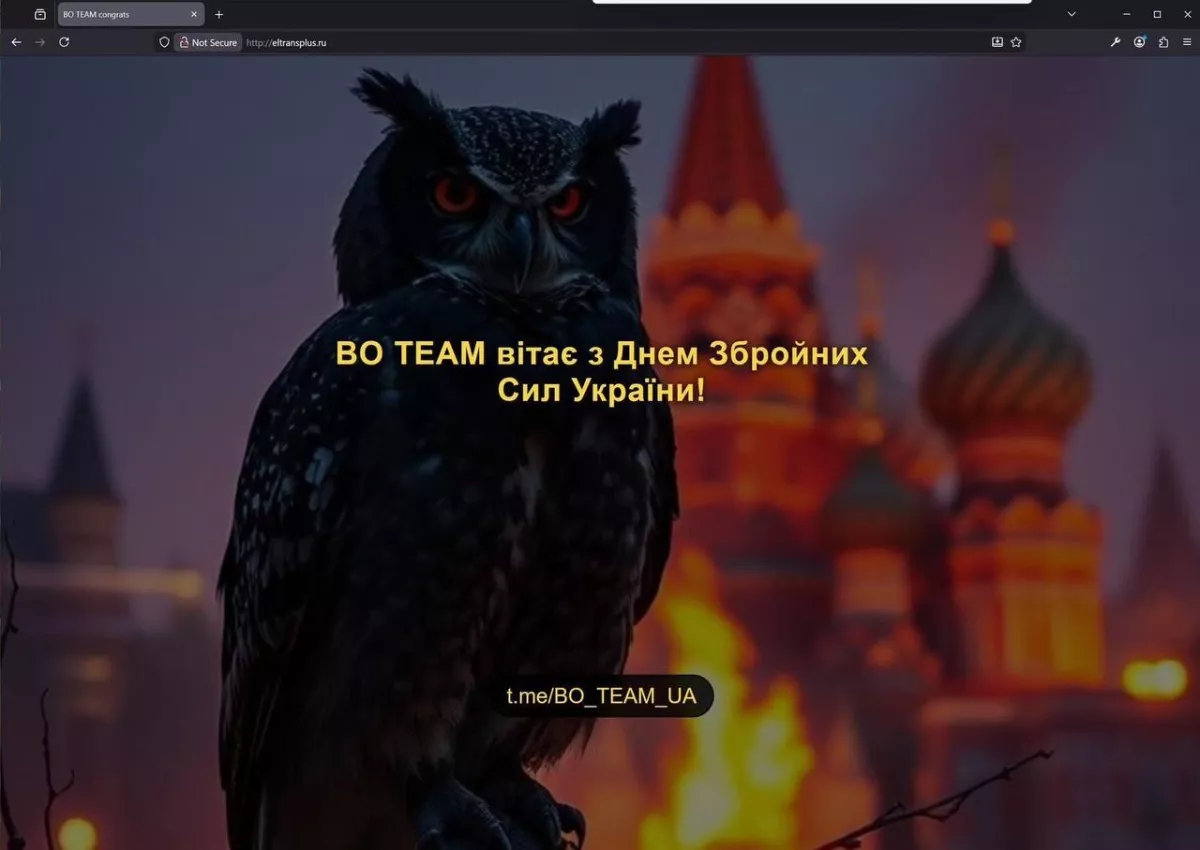
Eltrans+ ranks among Russia’s ten largest customs brokers and freight forwarders, serving more than 5,000 clients nationwide.
The company moves domestic and international cargo by road, sea, air, and multimodal transport, and, according to Ukrainian intelligence, also transports sanctioned goods and electronic components from China used in Russia’s defence sector.
The strike is part of an expanding HUR cyber campaign. Earlier this year, Russia’s Orion Telecom — a major Siberian internet provider — reported losses exceeding 66 million roubles after a June 12 attack that crippled its operations.
According to a police complaint filed by the company, the cyber strike destroyed systems across multiple regions, leaked user data, and left one closed uranium-mining city without internet or TV services.
HUR maintains that Orion Telecom’s networks were being used by Russian security agencies to support military efforts against Ukraine.
By Nazrin Sadigova







 editor@caliber.az
 +994 55 444-88-98
 Азербайджан, Баку, ул. Низами, 203, Af Business House, 5-й этаж