










US–Venezuela tensions mount as Trump orders oil blockade Jets scrambled / PHOTO
Four U.S. carrier-based aircraft were scrambled near the coast of Venezuela amid reports of a potential threat of war after President Donald Trump announced that the United States was stripped of its oil rights in Venezuela, according to Flightradar24 data.
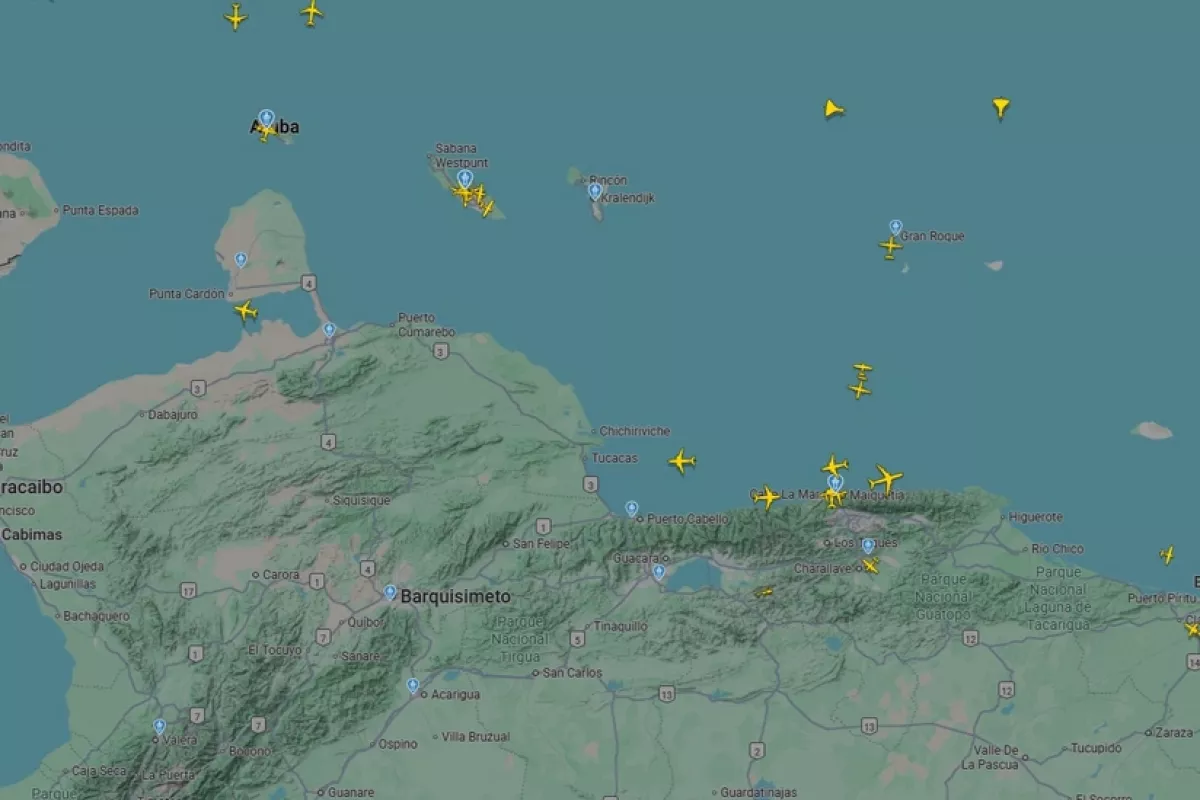
The aircraft detected in the airspace included an F/A-18E/F Super Hornet fighter jet, two Boeing EA-18G Growler electronic warfare aircraft, and an E-2D Advanced Hawkeye carrier-based airborne early warning and control aircraft.
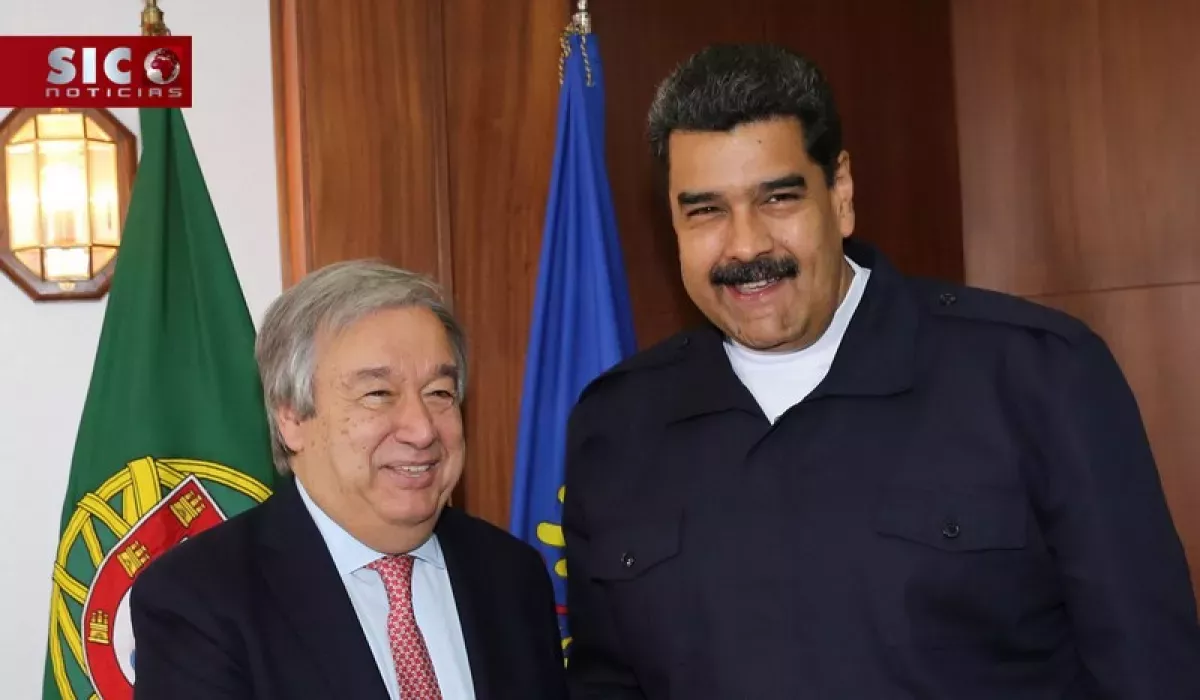
On December 17, Venezuelan President Nicolás Maduro held a phone call with United Nations Secretary-General António Guterres, according to the UN’s official website.
During the conversation, the UN chief reaffirmed the organization’s position on the need for member states to respect international law, in particular the UN Charter. He also stressed the importance of exercising restraint and de-escalating tensions in order to preserve regional stability.
The above developments come as President Donald Trump said on December 16 that he was ordering a “total and complete blockade” of sanctioned oil tankers coming to and leaving from Venezuela, ratcheting up pressure against leader Nicolás Maduro’s regime and suggesting an economic motive to the US’ military campaign in the region.
In a Truth Social post, Trump pointed to the large collection of US military assets in the region, suggested more could be coming and took aim at Maduro’s regime by name. He also suggested Venezuela give up land, oil and assets to the United States, making clear that one aim of his military campaign is not just about countering the drug trade.
“Venezuela is completely surrounded by the largest Armada ever assembled in the History of South America. It will only get bigger, and the shock to them will be like nothing they have ever seen before — Until such time as they return to the United States of America all of the Oil, Land, and other Assets that they previously stole from us,” Trump wrote on the night of December 16 to 17.
“Therefore, today, I am ordering A TOTAL AND COMPLETE BLOCKADE OF ALL SANCTIONED OIL TANKERS going into, and out of, Venezuela,” he added.
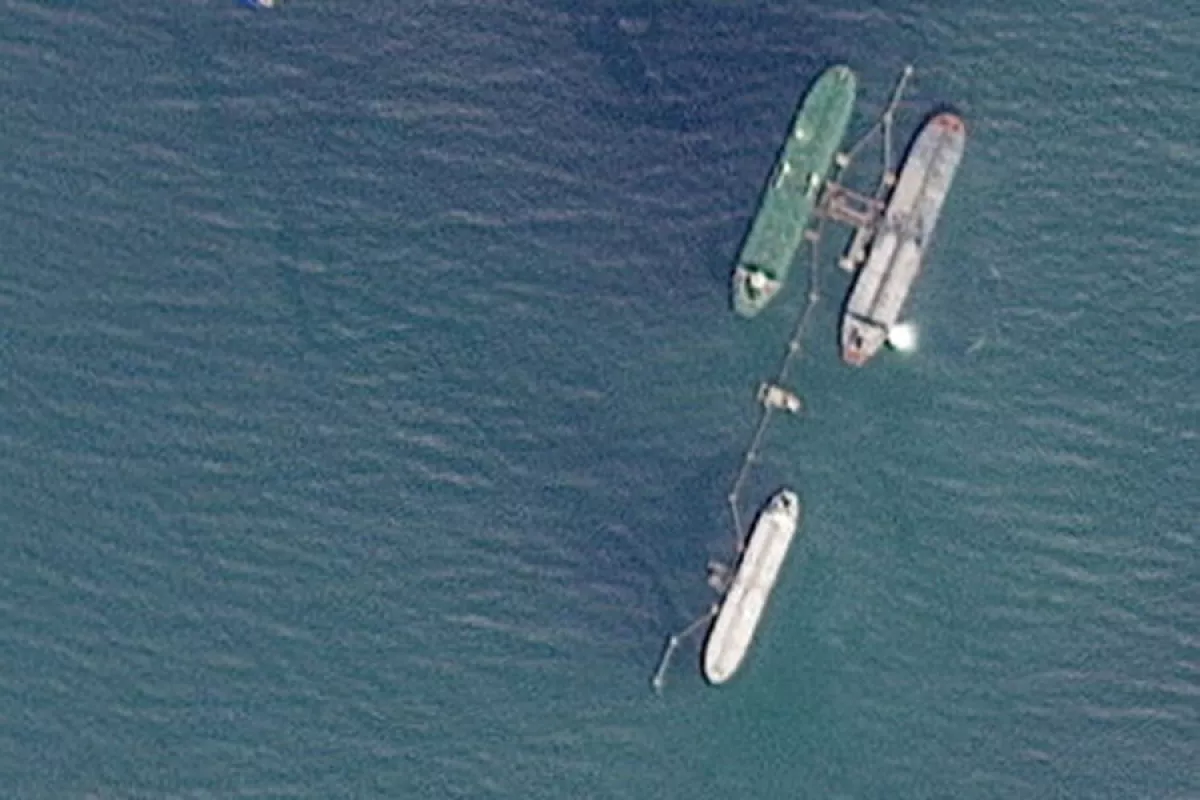
On December 17, Venezuela’s government ordered its Navy to escort ships carrying petroleum products from port, escalating the risk of a confrontation with the United States after President Trump ordered the “blockade.”
According to three unnamed sources, the ships set sail on the night of December 17 to 18.
“The ships — transporting urea, petroleum coke and other oil-based products — left the Port of José bound for Asian markets, said two of the people, who spoke on the condition of anonymity because of the sensitive nature of the matter.
The source added that the naval order was issued in response to threats made by U.S. President Donald Trump. It noted that these developments increase the risk of a confrontation between Venezuela and the United States.
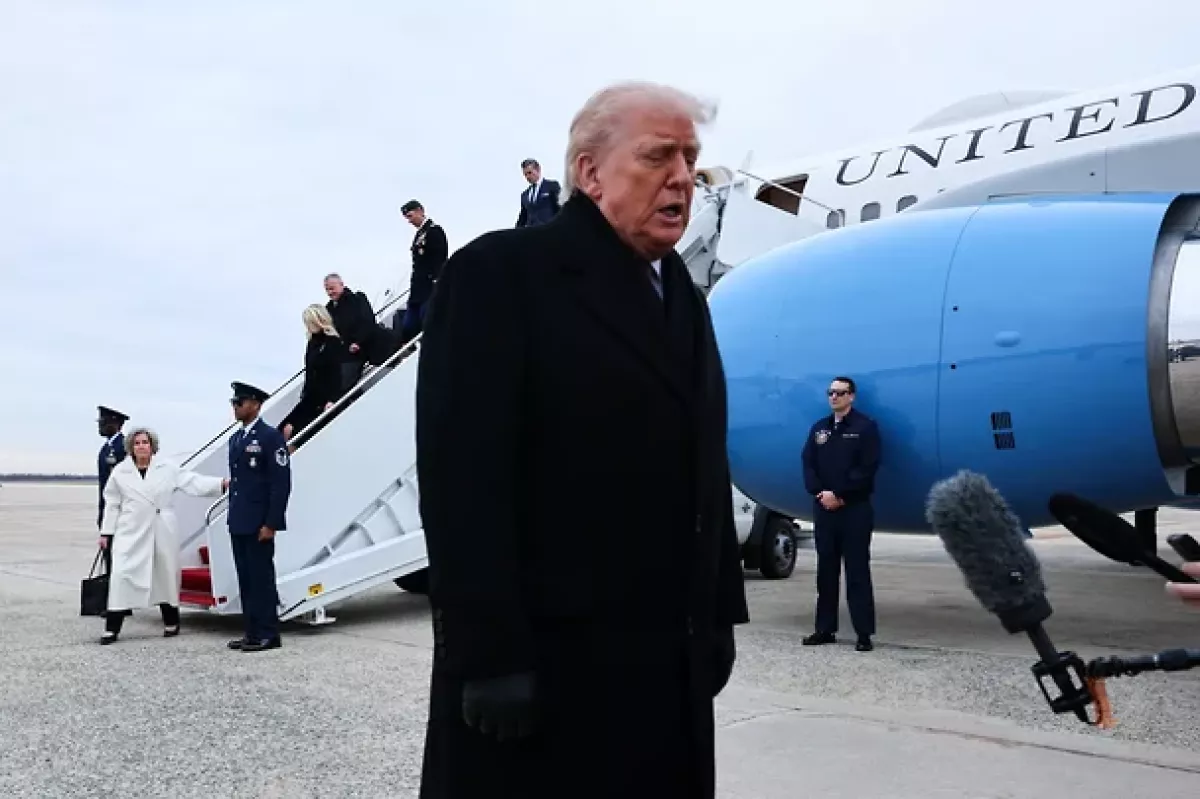
On December 17, President Donald Trump told reporters that the United States was stripped of its oil rights in Venezuela and that Washington is now seeking to reclaim them.
“They took it away because we had a president that maybe wasn’t watching. But they are not going to do that. We want it back. They took our oil rights. We had a lot of oil there. As you know, they threw our companies out, and we want it back,” Trump said.
Background: The sharp escalation in US-Venezuela tensions in December 2025 stems from President Donald Trump's second-term policy of intensifying pressure on Nicolás Maduro's government, blending counter-narcotics rhetoric with explicit demands for economic concessions tied to historical oil disputes.
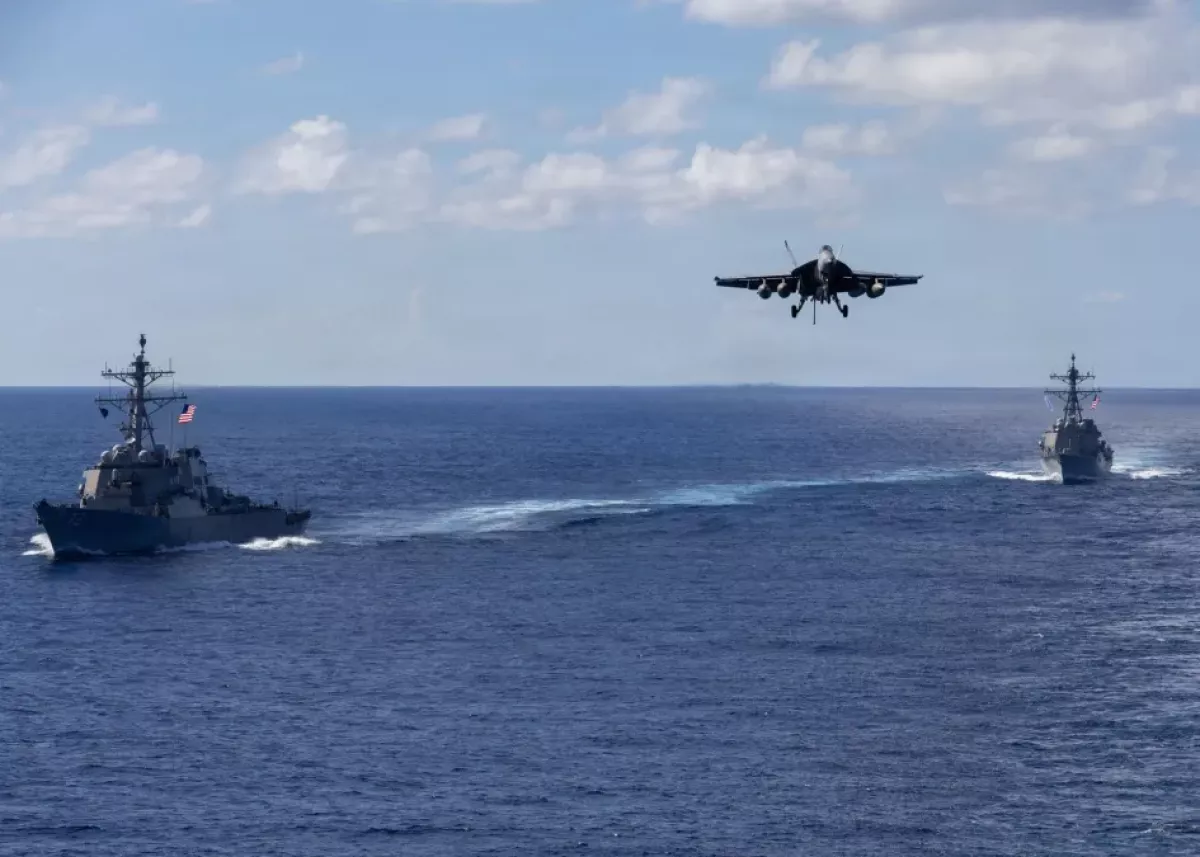
US warships and an aircraft conducting operations in the Western Atlantic Ocean
Starting in August-September 2025, the US launched a massive naval buildup in the Caribbean under "Operation Southern Spear," framed as anti-drug trafficking. This included the USS Gerald R. Ford aircraft carrier strike group, amphibious assault ships, destroyers, submarines, and over 15,000 personnel—the largest US naval presence in the region since the Cold War era.
US forces conducted over two dozen lethal strikes on suspected drug-smuggling vessels in the Caribbean and Pacific near Venezuela, killing dozens. Critics, including international law experts, called these extrajudicial.
On December 10, 2025, US forces seized the sanctioned oil tanker Skipper carrying Venezuelan crude, marking a direct interdiction.
Venezuela denounced the actions as "piracy" and "colonialism," planning UN complaints.
Critics, including one (e.g., US Democrats like Rep. Joaquin Castro) called the blockade an unauthorised "act of war." Regional leaders (Mexico, Brazil) urged UN intervention for peace.
By Khagan Isayev







 editor@caliber.az
 +994 55 444-88-98
 Азербайджан, Баку, ул. Низами, 203, Af Business House, 5-й этаж