










Azerbaijan’s Space Agency develops thermal vacuum chamber for satellites PHOTO
Engineers at Azerbaijan’s Space Agency, Azercosmos, have designed and manufactured a thermal vacuum chamber (TVAC) that enables small satellites, their components and other space equipment to undergo testing in Azerbaijan.
Azercosmos said the system, which is an integral part of the testing infrastructure used by leading space agencies and private space companies worldwide, has been developed locally, Caliber.Az reports.
“The creation of such a system in Azerbaijan by local engineers is an important step towards developing similar testing capabilities within the country. It took Azercosmos research and development engineers eight months to develop the system. The device, named AITvac 03, has successfully passed the necessary tests and is designed to assess the reliability, functionality and compliance of small satellites, their subsystems and various spacecraft components under thermal vacuum conditions before they are launched into orbit,” the agency noted.
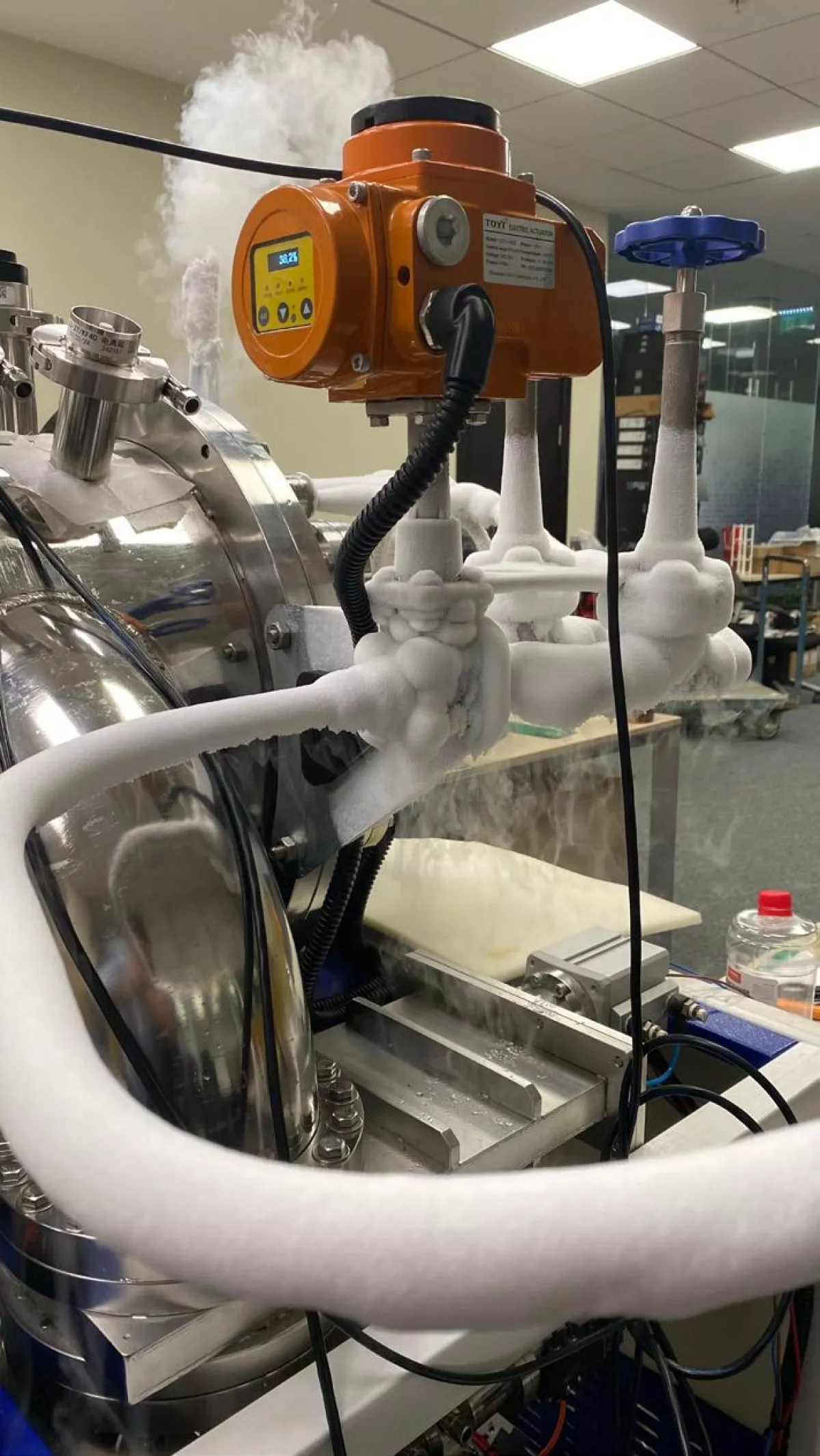
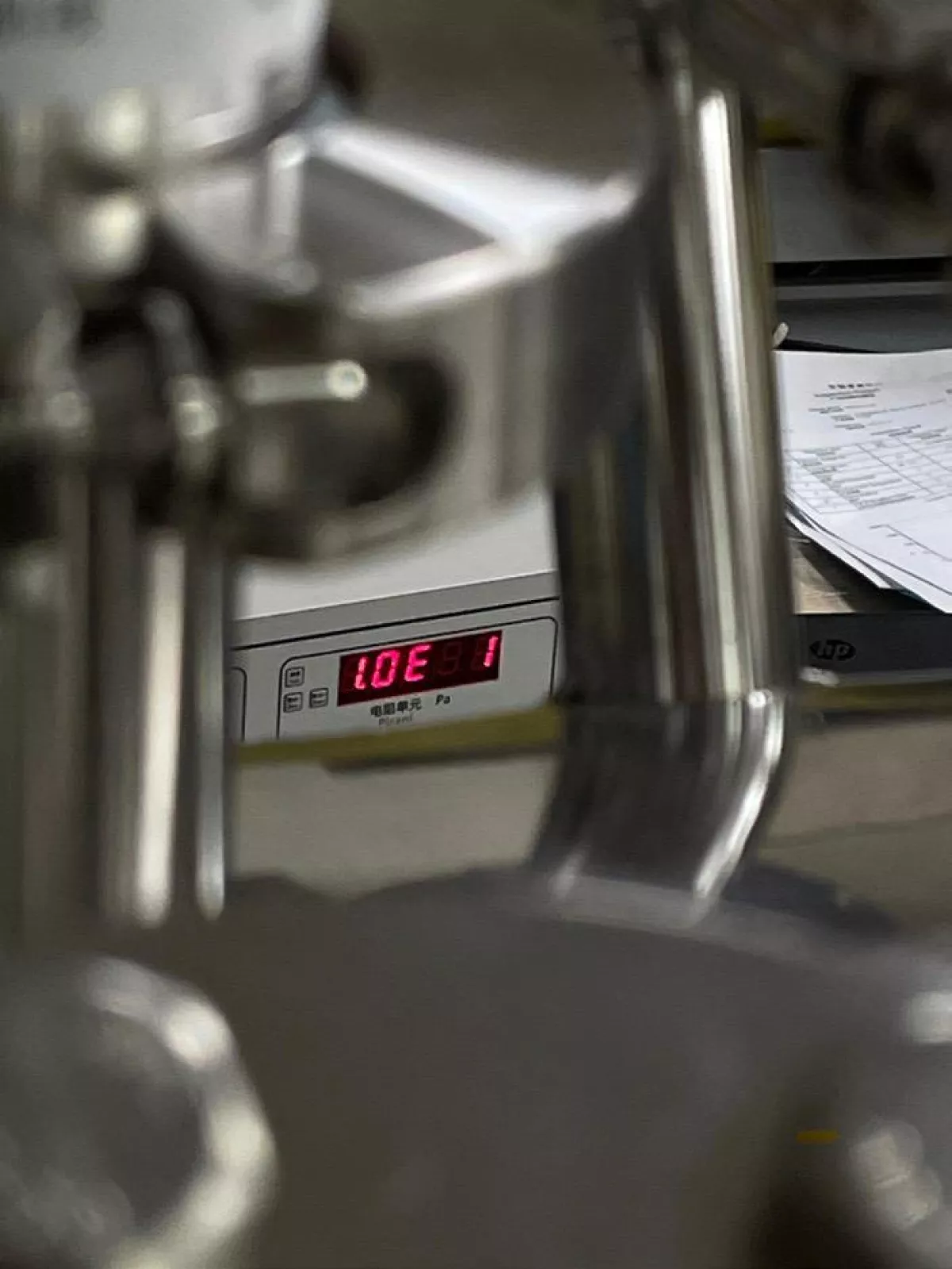
The system was developed in accordance with international standards. It can create high-vacuum conditions at temperatures ranging from –80°C to +100°C and pressures of up to 1×10⁻⁵ mbar. This is approximately 100 million times lower than normal atmospheric pressure at the Earth’s surface and meets the requirements of modern launch operators.
The development of the device and its associated software will expand local capabilities for testing space systems in Azerbaijan, strengthen the country’s engineering capacity in this field and help reduce reliance on foreign testing centres.
The product also creates new opportunities for universities, research institutes, students and young engineers to test satellites and their components, carry out research projects and develop practical skills.
According to Azercosmos, the capabilities developed through the project could eventually enable the provision of space equipment testing services to local and international partners, the establishment of new cooperation and the development of customised technical solutions.
By Bakhtiyar Abbasov







 editor@caliber.az
 +994 55 444-88-98
 Азербайджан, Баку, ул. Низами, 203, Af Business House, 5-й этаж