










Expert: Russia can't stand alienation of Central Asian countries from it Mars Sariyev for Caliber.Az
Tensions in the international arena, geopolitical turbulence and daily growing risks to global security nudge developing countries towards deeper interaction with each other. States create new alliances and develop existing unions and other tools of interaction on regional, economic, political-military, and national grounds. Within the framework of all kinds of integration organizations, measures are being taken to build trusting relations, strengthen stability and security in the region, ensure sustainable development, and promote issues of interest to the countries of the region at international forums.
The fourth consultative meeting of heads of Central Asian states (CA) is being held on July 20-21 in Cholpon-Ata (Kyrgyzstan) with such purposes. Its participants are trying to make the processes of regional rapprochement sustainable and establish a constructive multilateral political dialogue between the Central Asian countries of Kazakhstan, Kyrgyzstan, Tajikistan, Turkmenistan, and Uzbekistan. As part of the meeting, a new partnership agreement is expected to be signed on strengthening friendship, good-neighborliness, and cooperation among the five countries of the region.
Caliber.Az asked Kyrgyzstan political scientist Mars Sariyev to comment on the meeting of leaders of the region.
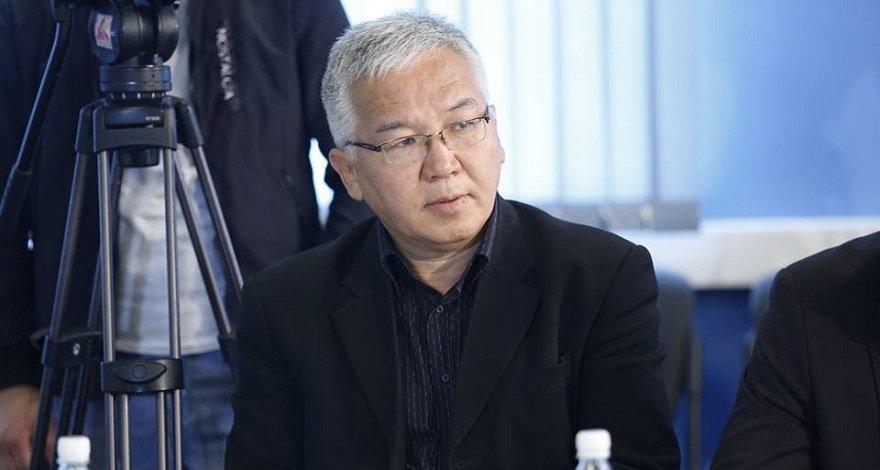
As the Kyrgyz expert confirmed, the purpose of the informal association of the leaders of the Central Asian countries is to protect the interests of the region.
"It is a rare event, when the heads of these states meet independently, without the participation of Moscow. A similar trend can be seen in the Caucasus. Armenia has completely changed its foreign policy, establishing relations with Türkiye and Azerbaijan. And together with Georgia, Armenia is taking the initiative of unification and rapprochement in the region. Thus, regional organizations are emerging both in the South Caucasus and Central Asia. It is noteworthy, however, that Russia is not very happy that these countries are alienated from it. Moscow seems to realize that it is losing its leverage. Meanwhile, this is a dangerous moment for the region," Sariyev said.
Examining the problems of regional consultations, the political scientist notes that the idea of strengthening cooperation of Central Asian countries is not new and such initiatives have been voiced not for the first time.
"With this intention, the leaders of the five countries first met in Nur-Sultan and then in Tashkent. Then the summit was supposed to be held in Bishkek, but because of the country's internal problems and then the presidential and parliamentary elections, the event was postponed. Therefore, last year, a consultative meeting was held in Turkmenistan. And now it has come to Kyrgyzstan. The summit in Cholpon-Ata will be the first meeting of the heads of Central Asian states after the bloody events in several countries of the region, the change of power in Turkmenistan, and the Russian invasion of Ukraine," our interviewee pointed out.
The expert from Kyrgyzstan also recalled that the issue of the unity of the peoples of Central Asia has been raised more than once since the 1990s.
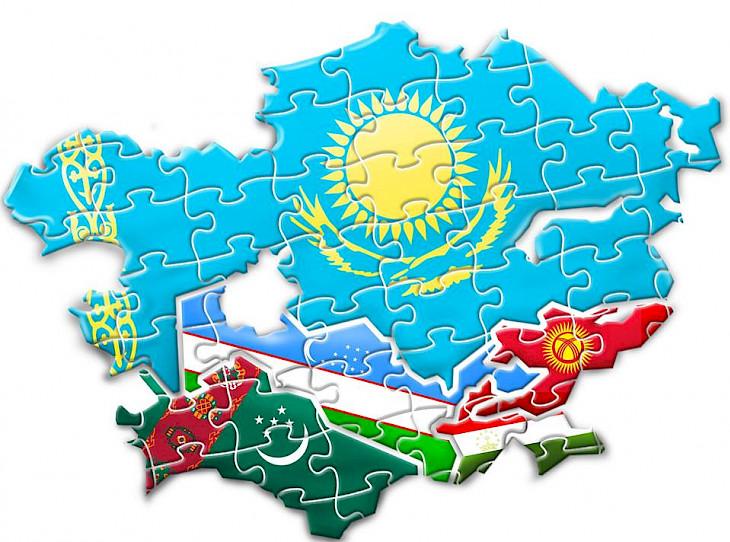
"Even a regional cooperation organization headquartered in Tashkent was created. But after some time, namely, after Russia joined this organization, its work was suspended. And when Moscow joined, the association turned into the Eurasian Economic Community (EAEC), and the Central Asian Cooperation Organization was abolished.
Nevertheless, this summit is a historic event that can create the conditions to solve the problems of the region together, which in turn will strengthen trade, economic, investment cooperation, and security between the states of Central Asia," Sariyev concluded.







 editor@caliber.az
 +994 55 444-88-98
 Азербайджан, Баку, ул. Низами, 203, Af Business House, 5-й этаж