










Fan culture, high polls, fragile party: Japan's PM Takaichi’s gamble for power
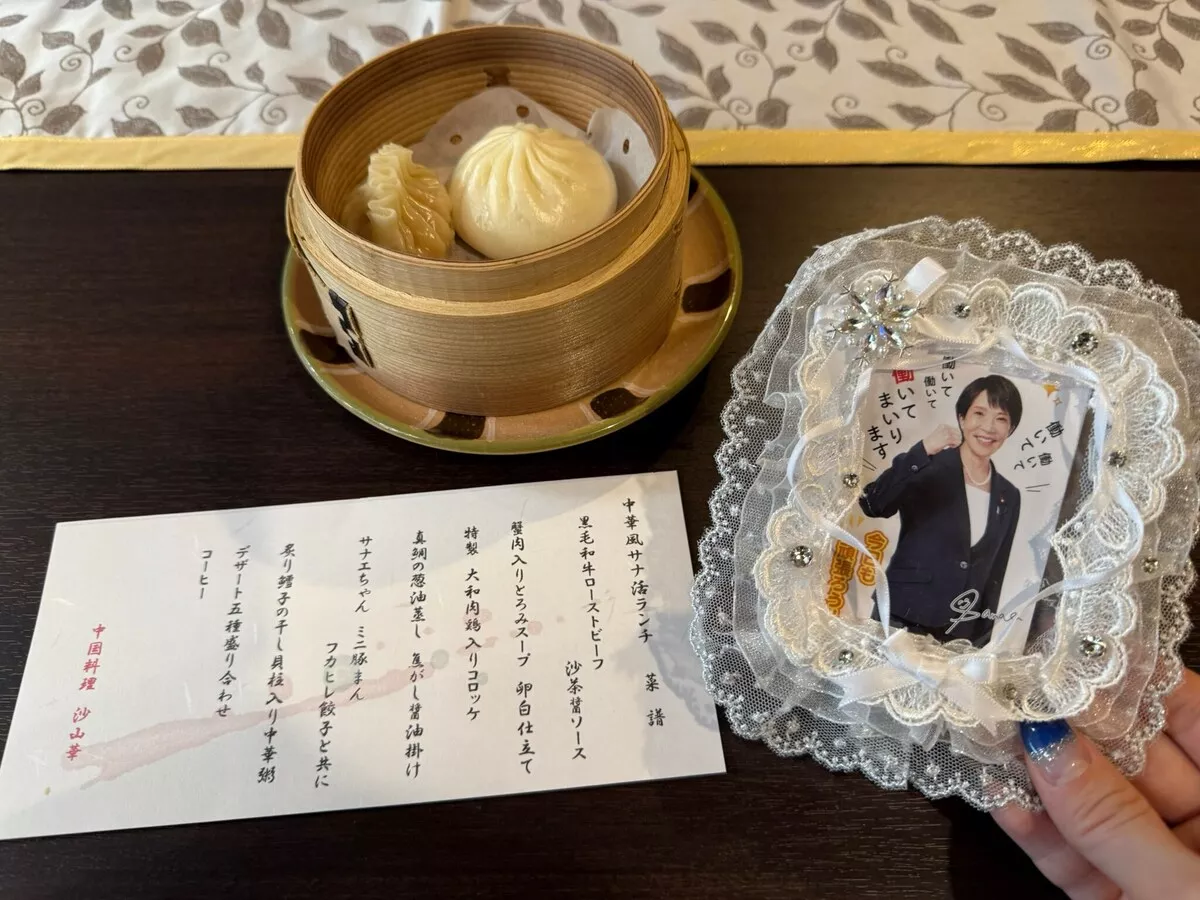
Miho Kubota, a 28-year-old office worker, is among a growing number of young Japanese captivated by Prime Minister Sanae Takaichi, the country’s first female leader. Kubota recently traveled four hours to Takaichi’s hometown of Nara, where she ate a Takaichi-themed lunch, viewed the 1991 Toyota Supra Takaichi once drove, and returned home with souvenirs celebrating the prime minister.
“I have never seen a leader like this before,” Kubota told The Washington Post. “To me, she’s a prime minister that we can feel proud of on the world stage.”
Once considered a long-shot candidate within the ruling Liberal Democratic Party (LDP), Takaichi has enjoyed an unusually long honeymoon period since taking office in October. Her appeal has been strongest among younger voters, who are drawn to the novelty of a female prime minister and her unconventional, high-energy leadership style.
In her first three months, Takaichi has built a reputation as a tireless and decisive leader determined to upend what many voters see as a stagnant political status quo. Her Cabinet’s approval ratings have reached levels not seen in nearly 15 years, while her personal approval stood at 75 per cent in December, according to the Nikkei newspaper.
Businesses in her hometown have capitalised on the surge of interest. The Nara Royal Hotel has sold as many as 800 Takaichi-themed lunch meals since December, featuring her favourite foods, including croquettes, pork buns and cod roe rice.
Buoyed by strong approval ratings, Takaichi dissolved the lower house of parliament this month and called an early election for February 8, seeking a broader public mandate after winning the LDP leadership in an internal vote.
“It’s a golden opportunity to give steel to her backbone to make her more of a leader,” said Tomohiko Taniguchi, a former adviser to the late Prime Minister Shinzo Abe.
However, analysts warn the gamble is risky. The LDP remains weakened by a series of scandals, and high approval ratings do not automatically translate into electoral success.
“Takaichi is taking a very high-risk move,” said Jun Iio, a political science professor at the National Graduate Institute for Policy Studies in Tokyo. “The biggest risk is believing they can win simply because approval ratings are high, even though it’s unclear whether a truly winning electoral structure is in place.”
Takaichi’s popularity has fueled a fan culture dubbed “Sana-katsu,” with supporters closely following her appearances and emulating her style. Items she uses publicly, including a black handbag and a pink ballpoint pen, have surged in sales. Her reputation for relentless work was reinforced when she held a 3 a.m. meeting ahead of a parliamentary session, and when her pledge to “work, work, work, work and work” was named catchphrase of the year in 2025.
Supporters also praise her bluntness on foreign policy, including remarks about a potential Chinese invasion of Taiwan that triggered diplomatic tensions but did little to dent her approval.
“She doesn’t try to keep things vague,” said Ryoya Ono, 23.
Takaichi’s background as the first politician in her working-class family and her gender have resonated with voters frustrated by Japan’s male-dominated, hereditary political system.
“She is seen a symbol of breaking through in ‘seniority-based Japan’ or ‘hereditary Japan,’” said Misako Iwamoto, a political science expert at Mie University.
Still, the LDP faces deep structural challenges after losing its parliamentary majority and confronting a fractured conservative base. Takaichi has pledged to resign if her party loses.
“She is prime minister, chief campaign manager, and chief brand manager,” Taniguchi said. “It’s high-risk, high-reward.”
By Sabina Mammadli







 editor@caliber.az
 +994 55 444-88-98
 Азербайджан, Баку, ул. Низами, 203, Af Business House, 5-й этаж