










Foreign oil, gas companies lose $40 billion in Russia Due to depreciation of investments
Against the backdrop of the situation in Ukraine, foreign oil and gas companies have registered record losses from depreciation of investments in Russia in the first quarter of 2022, Wood Mackenzie writes.
BP suffered the greatest loss. The loss was attributed to write-offs related to the company's exit from business in Russia, specifically the sale of a 19.75 percent stake in Rosneft and the rejection of joint projects. The total amount of these write-offs was $25.5 billion. The Russian Oil and Gas Company, which will no longer report on reserves, production, or profits, plans to exit three joint ventures: Taas-Yuryakh Neftegazodobycha LLC, Ermak Neftegaz and Kharampurneftegaz LLC.
Next with $4.1 billion comes TotalEnergies, which notes that EU sanctions, mainly prohibiting exports from EU countries of goods, equipment and technologies for natural gas liquefaction projects of Russian companies, create additional risks for the implementation of the Arctic LNG 2 project. The head of TechnipEnergies (the leader of the Arctic LNG 2 EPC contractor), Arnaud Peiton, said that the new sanctions make the implementation of the project "more difficult, if not extremely difficult," but the work has not been suspended. Currently, the company is trying to get clarifications on sanctions from the EU, as a result of which its participation in the project may significantly decrease after the second quarter.

Anglo-Dutch Shell, in reporting for the first quarter of 2022, recognized the costs of leaving Russian assets at the level of $3.9 billion, while previously estimated possible losses at $4-5 billion. In particular, write-offs in the Sakhalin–2 project are estimated at $1.6 billion, another $1.126 billion – expenses from write-offs related to the crediting of the Nord Stream 2 project, $858 million - write-offs for joint ventures in Russia and marketing assets (including the Salym and Gydan projects).
ExxonMobil estimated the loss from the exit from the Sakhalin-1 project at $3.4 billion. In this case, the company's proven reserves will decrease by 150 million barrels of oil equivalent.
The Board of Wintershall Dea AG, Gazprom's main partner in Europe, decided to write off the financing of the Nord Stream 2 project in the amount of about €1 billion. At the same time, Wintershall Dea will continue to participate in existing projects for the extraction of natural gas at the Yuzhno-Russian field (Severneftegazprom JV) and the development of Achimov deposits of the Urengoy oil and gas condensate field.
Austrian OMV recognized the impairment of assets in the amount of €1 billion for the Nord Stream 2 project and displayed a loss of €658 million related to the reclassification of other Russian assets – the operator of the Yuzhno-Russkoye gas field Severneftegazprom and the trading Gazprom YURGM Development. The head of OMV, Alfred Stern, clarified during a teleconference for investors that the total amount of write-offs related to Russian assets could amount to about €2 billion.
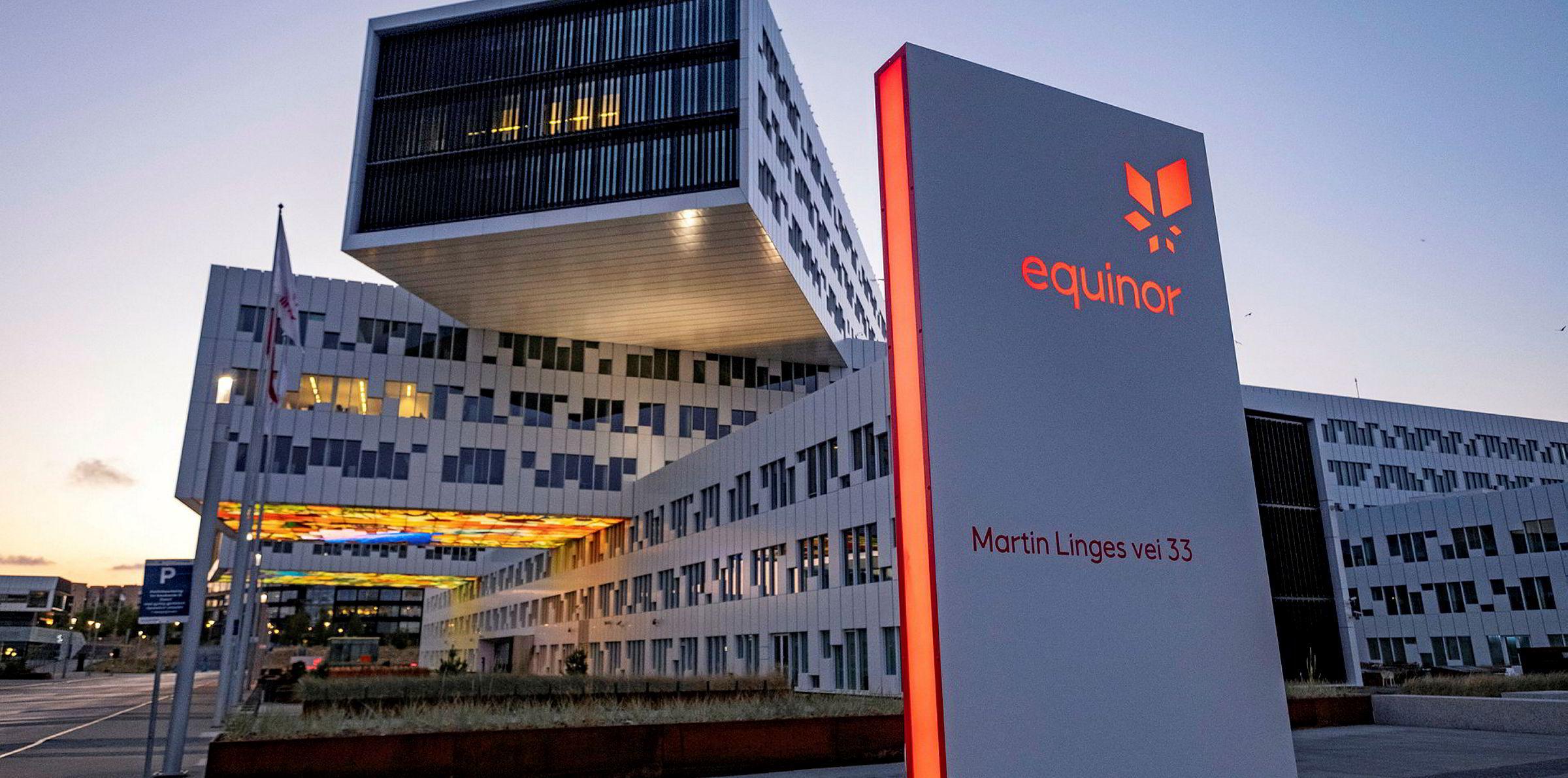
Norwegian Equinox recorded a net loss from the write-off of assets in the Russian Federation at the level of $1.08 billion. Leaving Russia means for Equinor the loss of 88 million barrels of oil equivalent reserves (1.6 per cent) and 21,600 bpd of production (1 per cent). Thus, the share of production at the Kharyaginsky field (Kharyaginsky PSA) in 2021 amounted to 10,000 bpd, at the Severo-Danilovsky field (Angaraneft) – 11,000 bpd, Severo-Komsomolsk (SevKomNeftegaz) - 5,000.
The Japanese Marubeni Group, a member of the SODECO consortium, a member of Sakhalin-1, estimated the amount of risk on Russian assets at 12.3 billion yen ($94.4 million) at the end of the 2022 fiscal year, which ended on March 31.







 editor@caliber.az
 +994 55 444-88-98
 Азербайджан, Баку, ул. Низами, 203, Af Business House, 5-й этаж